Citizen Groups Flag Discrepancies in Delhi Electoral Roll Revision Draft List
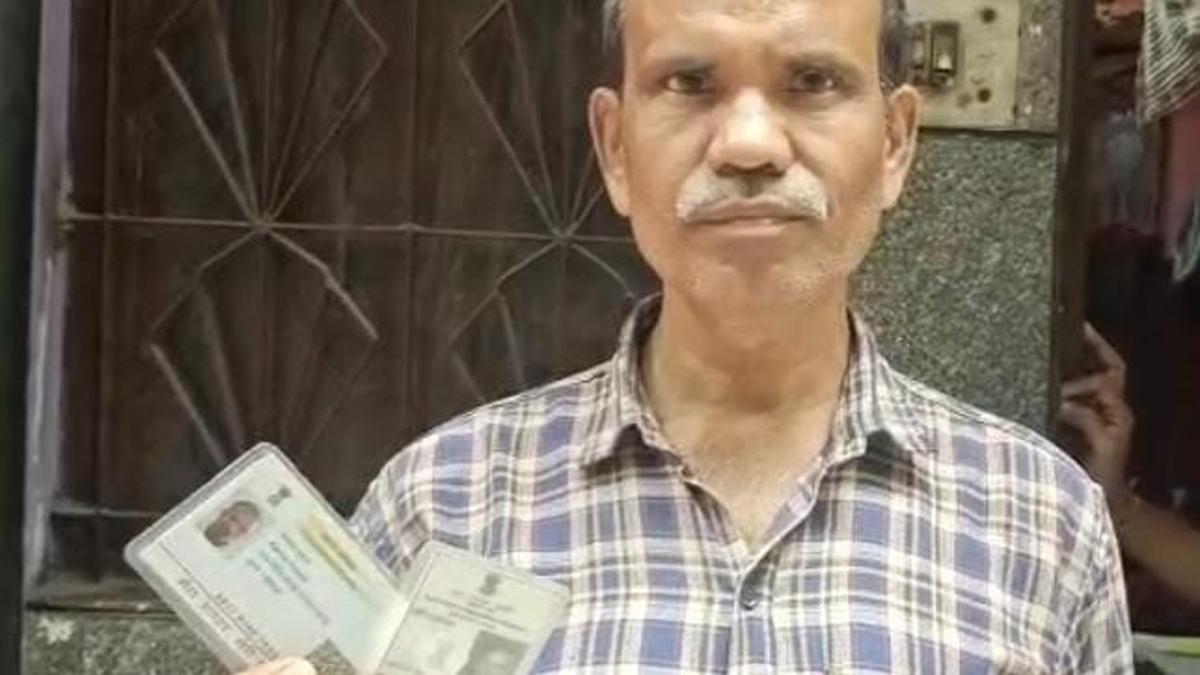
Delhi Chief Electoral Officer published draft rolls under Special Intensive Revision (SIR) marking thousands of existing living citizens incorrectly as dead or shifted.
Living voters in Delhi localities like Malviya Nagar and Sultanpur Majra raised objections after finding their enumeration forms marked uncollectable during the draft publication.
Out of 1.45 crore electors whose enumeration forms were generated, only 97.53 lakh electors were successfully included in the published draft list.
Civil society groups pointed out systematic deletion errors causing widespread panic among elderly long-term voters facing potential electoral disenfranchisement during state roll updates.
The incident highlights the necessity of strict procedural safeguards, rigorous door-to-door verification, and digital audit trails during periodic electoral roll revisions under Article 324.
Judicial Intervention Addresses Higher Education Governance and Student Discontent
Legal and academic experts highlighted growing institutional trust deficits and student unrest caused by authoritarian university governance and regulatory overreach in India.
Chief Justice of India Surya Kant intervened by staying restrictive orders issued against law graduates and clarifying regulatory jurisdictional limits over university students.
The Supreme Court quashed First Information Reports filed against protesting law students while reducing mandatory practice conditions required to sit for judicial service examinations.
The ruling affirmed that statutory regulatory bodies like the Bar Council of India do not exercise direct disciplinary control over graduating university students during campus disputes.
This highlights the urgent requirement to shift university management from punitive administrative models toward transparent participatory frameworks that respect student autonomy and rights.
Prelims Facts
Special Intensive Revision (SIR) of electoral rolls is executed under the superintendence of the Election Commission of India pursuant to Article 324.
The Bar Council of India regulates legal education and professional conduct under the Advocates Act, 1961.
Electoral registration officers handle verification and deletion of uncollectable enumeration forms under the Registration of Electors Rules, 1960.
Mains Framework
Institutional credibility in democratic processes and university administration forms the foundation of public trust and constitutional governance in India.
Dimensions
Administrative Errors in Voter Rolls
Mass improper categorisation of living voters as 'dead' or 'shifted' violates democratic rights and deprives citizens of their fundamental franchise.
Governance Deficits in Higher Education
Bureaucratic overreach and lack of student participation in academic decision-making trigger severe campus unrest and legal friction.
Judicial Intervention and Rights Enforcement
Supreme Court interventions safeguard individual civil liberties and define jurisdictional boundaries for regulatory bodies.
Way forward
Implement AI-driven multi-stage verification for electoral deletion list publication and establish institutionalized student consultative frameworks in academic governance.
Key terms
Special Intensive Revision (SIR)Electoral Roll IntegrityArticle 324Institutional GovernanceUniversity Autonomy
Acts & articles
Article 324 of the Constitution of IndiaRepresentation of the People Act, 1950Advocates Act, 1961
02
GS PAPER III - INDIAN ECONOMY & EMPLOYMENT
Youth Employment Dynamics and Examination Integrity in States
Rajasthan Youth Labor Force Participation Rises Amid High Graduate Unemployment
The 'Rajasthan Handbook of Youth Opportunity' reported a sharp increase in youth labor participation accompanied by persistent high graduate joblessness across the state.
Labor force participation among youth aged 15 to 29 years in Rajasthan rose from 38% in 2017-18 to 51% in 2025.
Unemployment among youth holding graduate degrees and above reached 33%, while agricultural share of youth workers rose from 39.3% to 47.0% over seven years.
The expansion of youth employment in lower-productivity agriculture stands in stark contrast to structural economic transition patterns observed in other major Indian states.
The state policy focus emphasizes providing four lakh government jobs while calling for private sector ecosystem creation to harness rising youth work willingness.
Statewide Protests Erupt in Jharkhand Over Recruitment Exam Irregularities
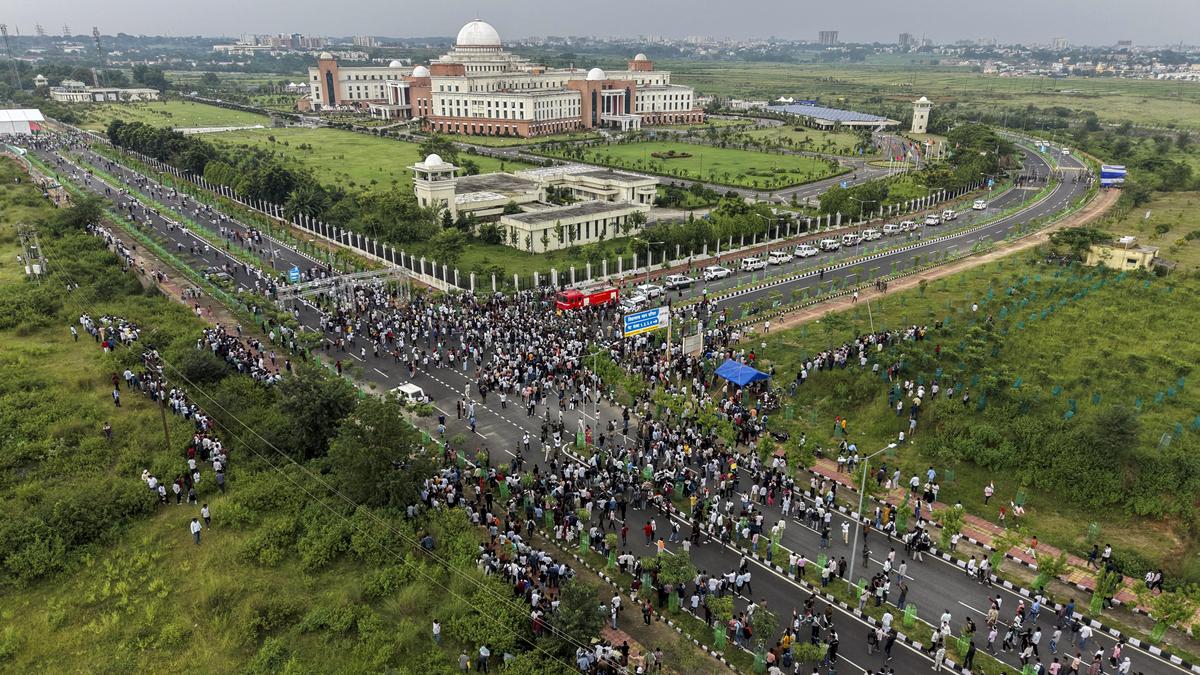
Political parties launched statewide four-day demonstrations across Jharkhand demanding cancellation of legal cases against student groups protesting recruitment exam anomalies.
Protesters gheraoed administrative headquarters including Deputy Commissioner and Superintendent of Police offices across Ranchi and four other primary administrative districts.
Demonstrators demanded immediate independent investigation into alleged malpractices in competitive selection examinations conducted by the Jharkhand Public Service Commission.
Protesting youth demanded withdrawal of police cases filed against student agitators along with structural overhauls in state public service examination conduct.
The governance conflict highlights systemic vulnerabilities in state-level recruitment mechanisms and growing social volatility surrounding government job selection processes.
Prelims Facts
Labor Force Participation Rate (LFPR) measures the percentage of the working-age population that is either employed or actively seeking employment.
Graduate unemployment rate measures joblessness among individuals holding a bachelor's degree or higher qualification.
Public service commission recruitment examinations are governed by state-specific recruitment acts under Article 315.
Mains Framework
India's demographic dividend depends critically on creating productive non-agricultural jobs and maintaining absolute integrity in public sector recruitment processes.
Dimensions
Agricultural Over-Reliance
Rising youth participation in agriculture reflects distress-driven employment rather than productive absorption in manufacturing or services.
High Educated Unemployment
Severe job scarcity among graduates creates social frustration, brain drain, and economic inefficiency across developing states.
Public Recruitment Crisis
Repeated examination paper leaks and procedural irregularities erode public trust in state institutions and prompt large-scale youth protests.
Way forward
Promote labor-intensive industrial growth, reform state recruitment boards with end-to-end encryption, and align vocational training with emerging industry demand.
Key terms
Youth UnemploymentLabor Force Participation Rate (LFPR)Structural UnemploymentPublic Recruitment IntegrityDemographic Dividend
Acts & articles
Article 315 of the Constitution of IndiaPublic Examinations (Prevention of Unfair Means) Act, 2024
03
GS PAPER III - DISASTER MANAGEMENT
Disaster Risk Reduction and Hydrological Management in Bihar
Water Levels Recede in Flood-Hit Bihar Districts While Threats Persist
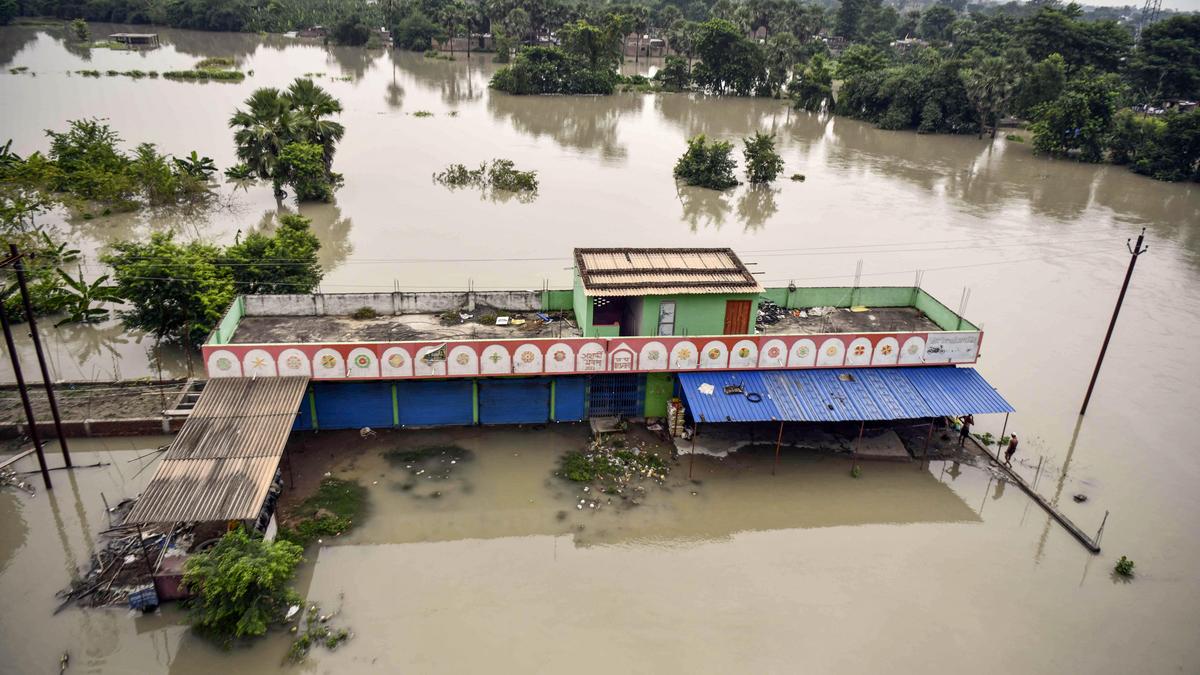
Flood conditions across Bihar showed gradual stabilization as discharge from major river barrages began receding, though several major rivers remained above danger marks.
Disaster Management Department records confirmed 34.31 lakh people affected across 480 gram panchayats in 79 blocks spanning 13 flood-hit districts.
Water discharge at Kosi Barrage fell to 1,69,985 cusecs and Indrapuri Barrage on Son river registered 1,04,758 cusecs during stabilization trends.
Major rivers including Gandak, Kosi, Burhi Gandak, Ganga, Punpun, and Ghaghara continued flowing above critical flood markers across multiple monitoring stations.
Political leaders requested immediate central financial allocation of ₹5,000 crore to conduct comprehensive flood rehabilitation and infrastructure repair operations.
Prelims Facts
Kosi Barrage is situated on the Kosi river near the India-Nepal border to regulate water discharge and control sediment loads.
National Disaster Response Fund (NDRF) is constituted under Section 46 of the Disaster Management Act, 2005.
The Gandak and Ghaghara rivers are major left-bank tributaries originating in the Himalayas and joining the Ganga in Bihar.
Mains Framework
Recurrent monsoonal flooding in Northern Bihar highlights the vulnerability of riverine communities and the urgent need for transboundary hydrological management.
Dimensions
Hydrological Impact
Heavy discharge from transboundary rivers like Kosi, Gandak, and Son causes severe inundation across low-lying agricultural plains.
Human and Economic Costs
Millions of rural residents face displacement, crop loss, and structural damage across dozens of Panchayats annually.
Inter-Governmental Fiscal Demands
State governments depend on central financial assistance and NDRF allocations for emergency relief and infrastructure reconstruction.
Way forward
Implement robust structural embankment maintenance, real-time flood forecasting with Nepalese water authorities, and enforce strict floodplain zoning.
Public Conclave Focuses on Women Mobility Autonomy and Reclaiming Public Spaces
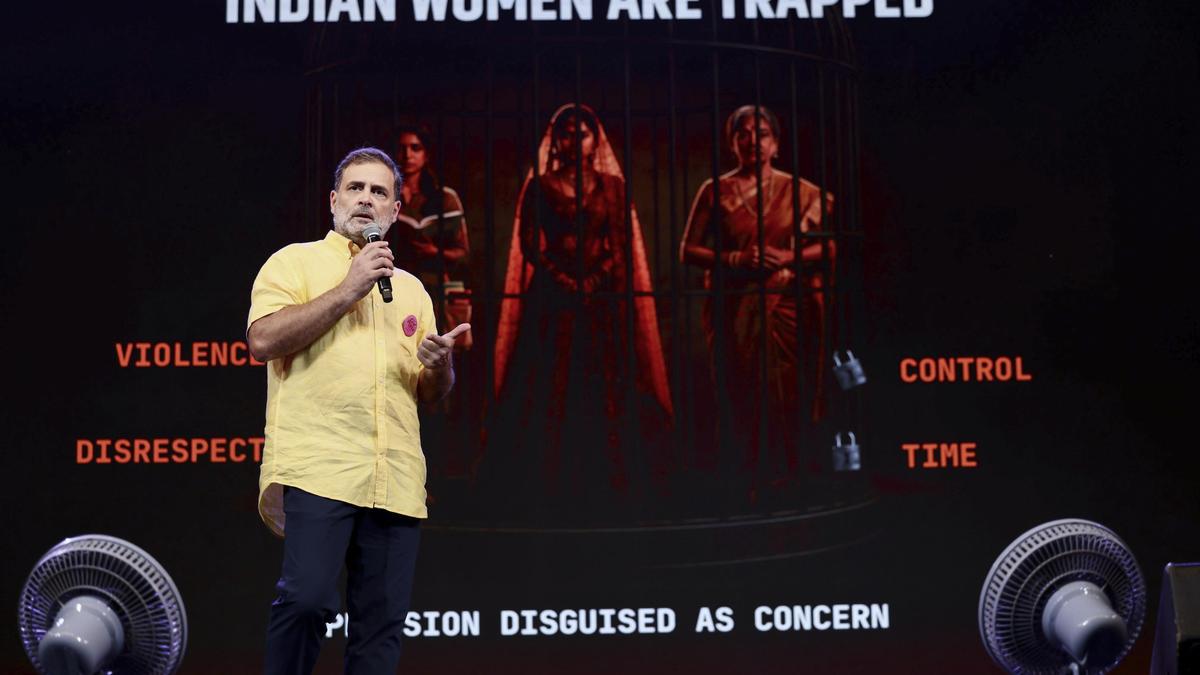
A public conclave in Pune emphasized reclaiming nighttime public spaces as a fundamental right to mobility and physical autonomy for women.
Speakers addressed patriarchal structures that restrict women's freedom of movement under the pretext of safety and protective segregation.
Discussion referenced academic frameworks regarding how fear and spatial exclusion limit women's full economic, academic, and social participation in urban centers.
The discourse urged moving beyond paternalistic safety doctrines toward active rights-based policy intervention, street lighting, and public space democratization.
The narrative highlights the alignment between feminist urban planning and fundamental freedoms guaranteed under Articles 14 and 19 of the Constitution.
Mob Assault Kills Manipuri Musician in Delhi igniting Discrimination Concerns
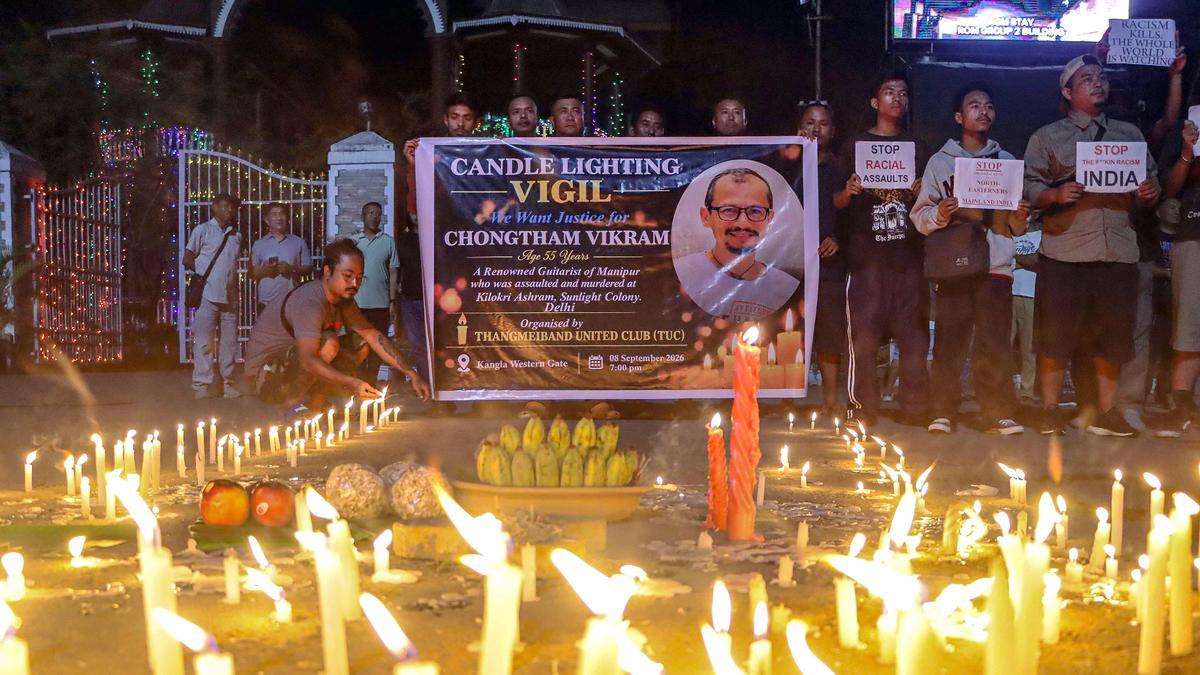
A popular musician from Imphal, Manipur, was fatally assaulted by a group of men in Southeast Delhi's Ashram area following a noise dispute.
Delhi Police arrested seven adult suspects and detained one juvenile, registering a case of mob lynching and culpable homicide.
Civil society organisations representing North-Eastern communities organized candle marches in Imphal and Delhi calling for systemic legal protection against racial discrimination.
Community groups stressed that the violence reflects ongoing social profiling and systemic vulnerability faced by North-East citizens residing in national capital regions.
The incident underscores the urgent need for implementing the Bezbaruah Committee recommendations on urban safety and legal protection for North-East migrants.
Prelims Facts
Article 19(1)(d) guarantees to all citizens the fundamental right to move freely throughout the territory of India.
Safe City Project is an initiative under the Nirbhaya Fund aimed at creating safe urban assets for women.
Section 103 of the Bharatiya Nyaya Sanhita (BNS) lays down punishment for murder including cases associated with mob violence.
Mains Framework
Ensuring unrestricted access to public spaces for women and vulnerable migrant groups is essential for fulfilling constitutional promises of equality and dignity.
Dimensions
Patriarchal Control over Mobility
Restricting women's nighttime presence under the guise of protection curbs agency and economic independence.
Urban Infrastructure Deficits
Poor street lighting, inadequate public transport, and weak policing turn public places into hostile environments.
Regional Discrimination in Metros
Migrants from North-Eastern states face ethnic prejudice, safety threats, and inadequate social protection in major metropolitan hubs.
Way forward
Implement gender-responsive urban design, expand 24/7 public transit, and enforce strict anti-bias community policing frameworks in urban centers.
Key terms
Gendered Public SpacesArticle 19(1)(d)Urban Safety InfrastructureInstitutional InclusionHate Crime Mitigation
Acts & articles
Article 14, 15, and 19(1)(d) of the Constitution of IndiaBharatiya Nyaya Sanhita (BNS), 2023
05
GS PAPER III - ECONOMY & INTERNATIONAL TRADE
Global Energy Volatility, Trade Disruptions, and Stock Market Instability
Indian Equity Markets Decline as West Asia Hostilities Push Oil Prices Near $100
Indian equity benchmarks BSE Sensex and NSE Nifty dropped significantly due to escalating West Asian conflict and surging global crude oil prices.
BSE Sensex fell by 500.25 points to 75,060.61, while NSE Nifty dropped 129.40 points to reach 23,506.10 during morning market operations.
Brent crude traded near $99.60 per barrel following military strikes on energy infrastructure and shipping routes across critical Middle Eastern maritime corridors.
Market analysts warned that sustained crude oil prices above $100 per barrel threaten to amplify domestic imported inflation and widen India's trade deficit.
Foreign portfolio investment outflows accelerated in major technology sectors while defense and state-owned power stocks demonstrated relative market resilience.
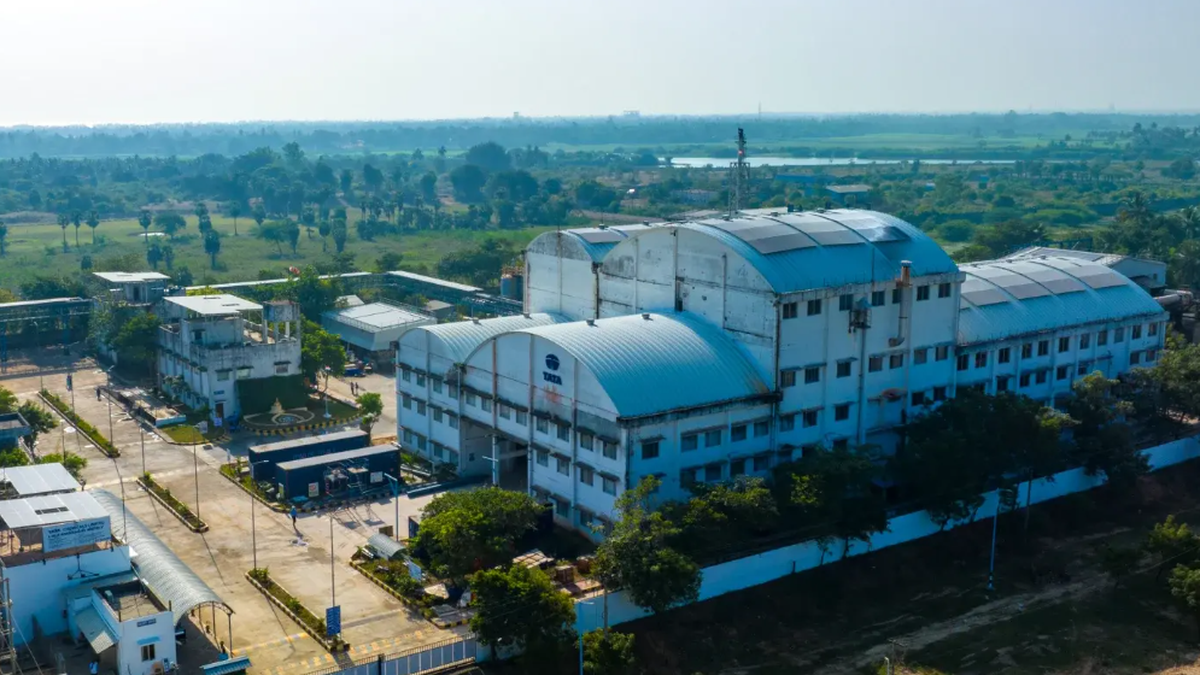
Kenya Establishes Technical Committee for Tata Chemicals Magadi Compliance Crisis
Kenya's Ministry of Mining announced a high-level technical committee to resolve outstanding compliance and operational disputes with Tata Chemicals Magadi Ltd.
Hassan Ali Joho, Cabinet Secretary for Mining, convened executive meetings following operations suspensions at the Magadi soda ash mining facility.
The technical committee will conduct comprehensive technical reviews of land, environmental, and statutory compliance issues before submitting final administrative directives.
Operations at Tata's Kenyan subsidiary were halted after local authorities raised regulatory non-compliance concerns regarding mining leases and environmental obligations.
The case illustrates regulatory risk management and diplomatic dispute resolution requirements for Indian multinational firms operating overseas resource assets.
Prelims Facts
Brent Crude serves as a major international benchmark price for global purchases of Atlantic basin crude oil.
High crude oil prices worsen India's Current Account Deficit (CAD) due to India's high oil import dependence exceeding 85%.
Bilateral Mining Compliance issues are governed by domestic mining statutes and international commercial dispute resolution frameworks.
Mains Framework
Escalating geopolitical friction in energy-producing regions directly transmits macroeconomic volatility to emerging markets through trade and capital flows.
US and Russia Leaders Hold Dialogue on Ukraine Peace Proposals Amid Ongoing Hostilities
US President Donald Trump held direct discussions with Russian President Vladimir Putin regarding potential peace framework proposals for ending the war in Ukraine.
The White House pushed for immediate diplomatic negotiations even as heavy artillery engagements and drone strikes continued across frontline regions in Ukraine.
International observers monitored the high-level communications to assess potential shifts in US foreign policy and military aid commitments toward Eastern Europe.
Diplomatic consultations centered on territorial security guarantees, military buffer zones, and long-term security architecture across contested regional borders.
The negotiations underscore the delicate balance between superpower diplomacy, territorial sovereignty principles, and international humanitarian standards.
Israel Denies Intelligence Warning Reports From UAE Ahead of October 7 Attacks
The Israeli Prime Minister's Office rejected media reports alleging that UAE President Mohammed bin Zayed issued advance warnings regarding Hamas's October 2023 attack plans.
An official statement clarified that all intelligence exchange between Israel and the UAE is conducted strictly through formal state intelligence channels.
Investigative media reports had claimed a direct personal warning was conveyed to Israeli leadership days prior to the cross-border escalation.
The denial highlights delicate diplomatic and security relationships maintained between Israel and Arab signatories under the Abraham Accords framework.
The incident demonstrates the critical importance of secure intelligence verification protocols during complex multi-regional security crises.
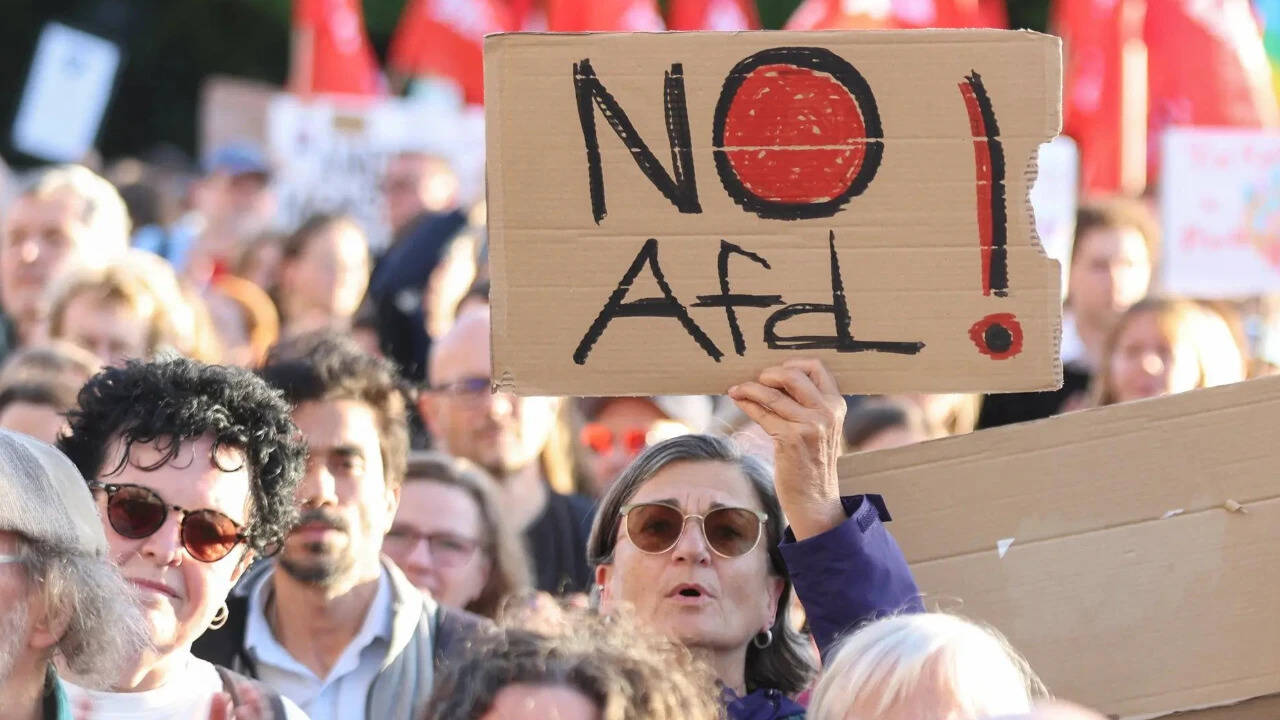
Far-Right AfD Wins 44 Percent in Saxony-Anhalt Election Triggering German Protests
Thousands of citizens staged mass pro-democracy demonstrations across Berlin and major German cities following unprecedented election gains by the far-right Alternative for Germany (AfD).
In Saxony-Anhalt state elections, AfD secured nearly 44% of total votes, winning 39 out of 83 state legislature seats.
Over 5,000 protesters assembled at Berlin's Brandenburg Gate opposing potential far-right participation in state government coalitions.
Mainstream political parties faced intense public pressure to maintain democratic coalition barriers against far-right executive governance.
The historic election outcome highlights deep social polarization, anti-incumbency, and shifting democratic norms across European political landscapes.
Prelims Facts
Intelligence sharing between states is executed through backchannel security apparatuses outside formal public diplomatic exchanges.
Saxony-Anhalt is a landlocked state in eastern Germany with its state capital at Magdeburg.
Strategic peace dialogues between nuclear superpowers are governed by bilateral diplomatic channels and international security norms.
Mains Framework
Simultaneous conflicts in Eastern Europe and the Middle East alongside domestic political polarization in Western democracies reorder modern international diplomacy.
Dimensions
Superpower Peace Diplomacy
Direct leaders' communication seeks de-escalation pathways in Ukraine, balancing territorial claims against broader security commitments.
Middle East Intelligence Disavowals
Official denials regarding pre-attack intelligence warnings highlight sensitive backchannel diplomacy among Abraham Accords signatories.
European Political Shifts
Far-right political surges in German state elections reflect growing public polarization over migration, economy, and European integration.
Way forward
Strengthen multilateral peacekeeping bodies, foster institutional backchannel communication, and uphold international law in territorial disputes.
Key terms
Bilateral Peace NegotiationsIntelligence Sharing ProtocolsElectoral PolarizationWest Asian Security ArchitectureStrategic Autonomy
Acts & articles
UN Charter Article 2(4) and Article 51Basic Law for the Federal Republic of Germany
07
GS PAPER III - ENVIRONMENT, ECOLOGY & SUSTAINABLE DEVELOPMENT
Environmental Technology, Coastal Adaptation, and Eco-Conservation
Belgium Constructs World's First Artificial Energy Island 'Princess Isabel' in North Sea
Engineers sank 23 massive concrete caissons weighing 22,000 tons each 45 kilometers off the Belgian coast to build the world's first artificial energy island.
The €7 billion 'Princess Isabel Island' project spans an area equal to eight football fields in the North Sea.
Developed by electricity system operator Elia and TM Edison consortium, the island will aggregate high-voltage electricity generated by offshore wind farms.
Undersea transmission cables will route collected offshore renewable energy directly into the mainland grid and cross-border European interconnectors.
This initiative sets a global benchmark for marine energy grid architecture and large-scale offshore renewable energy integration.
Water Treatment Residual Waste Converted Into High-Efficiency Microplastic Filter
Environmental scientists repurposed municipal water-treatment waste sludge into an effective filtration material capable of extracting microplastics from contaminated water bodies.
Published in 'Water Research', the study utilized aluminum-based water-treatment residual (WTR) to create low-cost circular purification media.
Experimental trials using real environmental water samples demonstrated microplastic particle removal efficiencies between 86.9% and 97.1%.
The methodology solves two ecological challenges simultaneously by repurposing industrial treatment waste while eliminating persistent microscopic plastic contaminants.
This advancement supports circular economy principles and sustainable wastewater management technologies aligned with global zero-waste objectives.
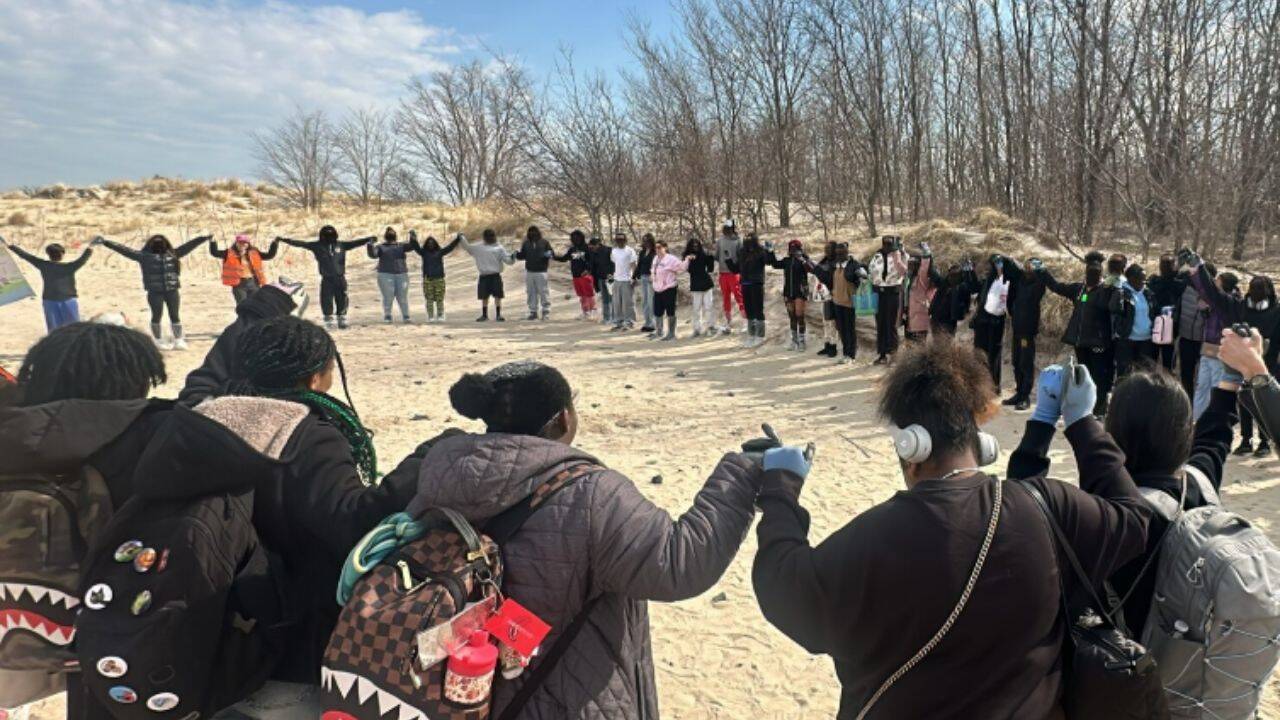
New York City Students Plant 100,000 Beachgrass Stalks for Dune Protection
Nearly 4,000 public school students restored frontal coastal sand dunes at Coney Island Creek Park in Brooklyn to mitigate urban storm surge flooding risks.
Organized under the Resilient Schools and Communities (RiSC) programme, volunteers planted over 100,000 American beachgrass culms across 2.25 acres.
The restored coastal dune system provides natural storm surge protection for over 50,000 neighborhood residents vulnerable to climate-induced coastal inundation.
The grass roots stabilize shifting beach sand, creating natural barriers against rising sea levels and intense coastal erosion events.
The project highlights the effectiveness of community-driven nature-based solutions in enhancing urban coastal resilience and climate adaptation.
Prelims Facts
Water Treatment Residuals (WTR) are byproduct sludges containing aluminum or iron hydroxides generated during municipal water clarification.
American beachgrass (Ammophila breviligulata) is a primary dune-building plant used for coastal stabilization due to its extensive rhizome system.
Princess Isabel Island in the North Sea is designed as the world's first artificial energy island combining multi-windfarm offshore power collection.
Mains Framework
Addressing modern ecological crises requires integrating cutting-edge engineering, circular waste reuse, and community-driven eco-restoration.
Dimensions
Offshore Renewable Infrastructure
Constructing artificial energy islands enables efficient collection and transmission of offshore wind energy to urban centers.
Circular Economy in Pollution Control
Converting industrial water treatment waste into active filtering material creates low-cost solutions for microplastic removal.
Nature-Based Coastal Adaptation
Community vegetation projects restore sand dunes, protecting vulnerable coastal infrastructure from storm surges and rising sea levels.
Way forward
Incentivize industrial waste recycling, expand public-private partnerships in renewable grid infrastructure, and scale up nature-based coastal resilience projects.
Stone Age Burial With Human Skulls Discovered in Poland Roman Cemetery Dig
Archaeologists excavating a Roman-era cemetery near Wrocław, Poland discovered a much older Stone Age grave dating back to approximately 2900 B.C.
The grave contained an adult male skeleton buried alongside two decapitated human skulls, a serpentinite battle axe, a flint blade, and amber beads.
Researchers cataloged a necklace made from 42 animal teeth placed around the deceased individual.
The unique combination of specialized weapons, bodily ornaments, and human skulls points to high socio-political status or ritual importance within prehistoric communities.
The excavation provides critical scientific insights into mortuary rituals, tool manufacturing, and social stratification during the European Copper/Stone Age transition.
New York City Releases Withheld 9/11 Documents Revealed Misleading Toxic Air Claims
New York City authorities published 170,000 pages of previously confidential internal records detailing public exposure to toxic air following the September 11 attacks.
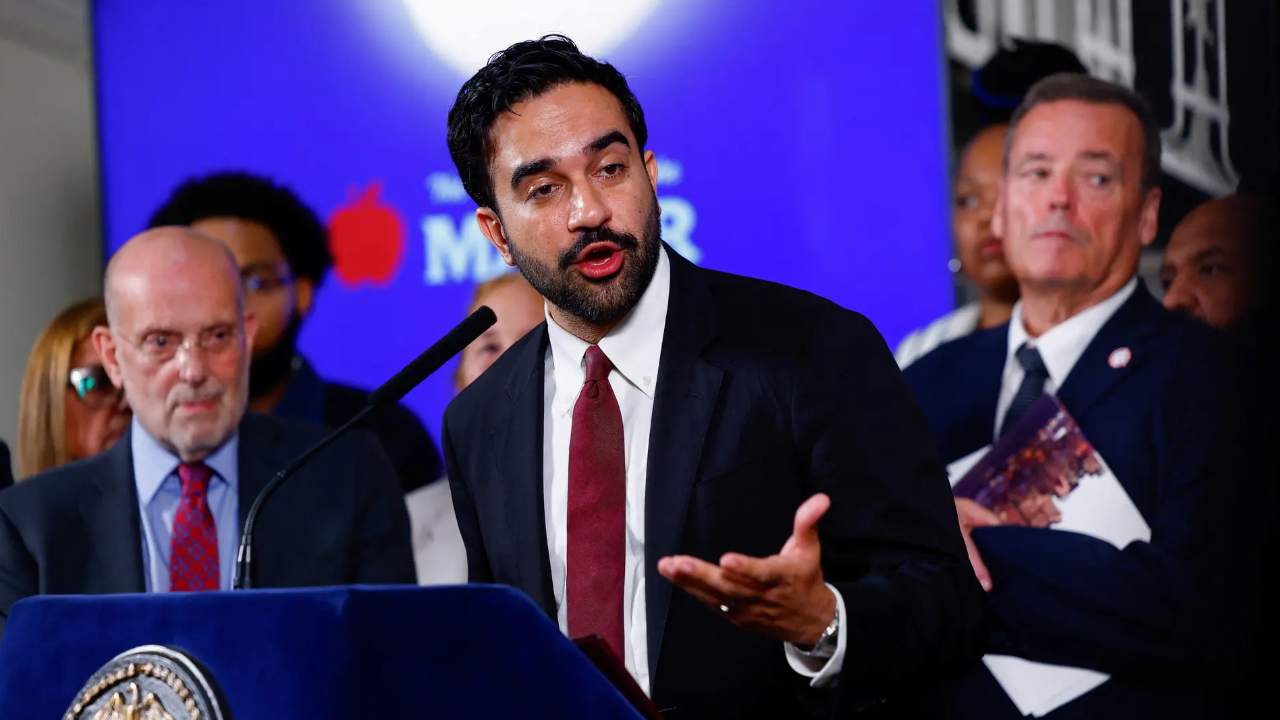
Mayor Zohran Mamdani unveiled documents demonstrating that civic officials publicly downplayed respiratory health risks despite internal warnings regarding severe dust toxicity.
The released papers contained the October 2001 'Harding Memo' outlining municipal liability strategies to manage toxic exposure lawsuits from rescue workers.
The disclosure exposed administrative failures in protecting emergency responders and citizens from hazardous asbestos and particulate inhalation.
The case highlights the imperative of administrative ethics, scientific honesty, and transparent risk communication during environmental disaster interventions.
Prelims Facts
Radiocarbon dating of burial remains near Wrocław, Poland established a Corded Ware / Stone Age origin around 2900 B.C.
Serpentinite is a metamorphic rock formed by the hydration and transformation of ultramafic rocks from the Earth's mantle.
Public health disclosures regarding airborne toxic exposure fall under state environmental safety compliance standards.
Mains Framework
Uncovering past human history through archaeology and ensuring administrative transparency during modern environmental health crises are fundamental to societal progress.
Dimensions
Archaeological Insights into Ancient Society
Elaborate prehistoric burials containing prestige weapons, animal teeth, and human remains reveal complex social hierarchies.
State Liability in Environmental Disasters
Concealing airborne toxicity data during industrial disasters violates public trust and delays medical redressal for affected citizens.
Institutional Transparency and Governance
Proactive disclosure of official health communications forms the bedrock of administrative ethics and rule of law.
Way forward
Adopt non-invasive multi-spectral archaeological survey tools and enforce proactive statutory disclosure of public health hazard assessments.
Key terms
Stone Age Mortuary PracticesBioarchaeologyPublic Health TransparencyEnvironmental Health Risk ManagementInstitutional Accountability
Acts & articles
Ancient Monuments and Archaeological Sites and Remains (AMASR) Act, 1958Right to Information Act, 2005
Practice MCQs — Test Your Understanding
6 questions · UPSC Prelims pattern · Tap an option to check your answer
SCIENCE & TECH / ENVIRONMENTEnvironmental Technology, Coastal Adaptation, and Eco-Conservation
Belgium Constructs World's First Artificial Energy Island 'Princess Isabel' in North Sea
Q1With reference to offshore renewable energy infrastructure, consider the following statements regarding 'Princess Isabel Island':
1. It is the world's first artificial energy island constructed in the North Sea.
2. Its primary function is to collect high-voltage electricity generated by offshore wind farms and transmit it to the mainland grid via submarine cables.
3. The island is constructed using hollow steel pilings filled with plastic composites to prevent ocean corrosion.
Which of the statements given above is/are correct?
Answer: Option A
Statements 1 and 2 are correct. Princess Isabel Island is being built in the North Sea off the Belgian coast as the world's first artificial energy island designed to collect electricity from offshore wind farms and route it to the mainland via submarine cables. Statement 3 is incorrect because the island is constructed using 23 giant concrete caissons weighing approximately 22,000 tons each, not steel pilings filled with plastic composites.
ENVIRONMENT & ECOLOGYEnvironmental Technology, Coastal Adaptation, and Eco-Conservation
Water Treatment Residual Waste Converted Into High-Efficiency Microplastic Filter
Q2Consider the following statements regarding Water Treatment Residuals (WTR):
1. WTR is a byproduct generated during municipal drinking water clarification processes.
2. Aluminum-based WTR can be repurposed as a low-cost filtering medium capable of removing microplastics from water.
3. Experimental real-water tests showed that WTR filters achieve less than 30% microplastic removal efficiency.
Which of the statements given above is/are correct?
Answer: Option B
Statements 1 and 2 are correct. Water Treatment Residual (WTR) is a waste material generated during water treatment processes, and research published in Water Research showed that aluminum-based WTR can be converted into a low-cost filter for microplastics. Statement 3 is incorrect because real-water tests demonstrated high removal efficiencies ranging from 86.9% to 97.1%, not less than 30%.
INDIAN ECONOMYYouth Employment Dynamics and Examination Integrity in States
Rajasthan Youth Labor Force Participation Rises Amid High Graduate Unemployment
Q3According to official reports on state labor force trends, what major paradox was highlighted in the youth employment landscape of Rajasthan between 2017 and 2025?
Answer: Option B
The 'Rajasthan Handbook of Youth Opportunity' reported that youth labor participation (ages 15-29) rose from 38% in 2017-18 to 51% in 2025. However, graduate unemployment stood at a high 33%, and the share of youth workers engaged in agriculture increased from 39.3% to 47.0%, reflecting structural employment bottlenecks.
HISTORY & ARCHAEOLOGYHistorical Archaeology and Public Health Transparency
Stone Age Burial With Human Skulls Discovered in Poland Roman Cemetery Dig
Q4Regarding the archaeological discovery made near Wrocław in southwestern Poland, consider the following statements:
1. The excavation revealed a Stone Age burial dated to around 2900 B.C. located beneath a Roman-period cemetery.
2. The individual was buried with two decapitated human skulls, a serpentinite battle axe, and a necklace made of 42 animal teeth.
3. The artifacts confirmed that Roman soldiers used serpentinite battle axes during foreign conquests.
Which of the statements given above is/are correct?
Answer: Option B
Statements 1 and 2 are correct. Archaeologists excavating a Roman cemetery in Poland found a much older grave dating to ~2900 B.C. containing a Stone Age male buried with two human skulls, a serpentinite battle axe, flint blade, amber beads, and a 42-animal-tooth necklace. Statement 3 is incorrect because the grave dates to 2900 B.C., roughly 3,000 years before the Roman period, and has no connection to Roman soldiers.
INTERNATIONAL RELATIONSGeopolitical Tensions, International Conflicts, and Multilateral Diplomacy
Far-Right AfD Wins 44 Percent in Saxony-Anhalt Election Triggering German Protests
Q5In the context of European electoral politics, which German state recently saw the far-right Alternative for Germany (AfD) party secure nearly 44% of the vote and 39 of 83 legislative seats?
Answer: Option B
The far-right Alternative for Germany (AfD) recorded its strongest-ever state election result in Saxony-Anhalt, winning nearly 44% of the vote and securing 39 out of 83 seats in the state legislature, triggering nationwide pro-democracy protests.
INDIAN ECONOMYGlobal Energy Volatility, Trade Disruptions, and Stock Market Instability
Indian Equity Markets Decline as West Asia Hostilities Push Oil Prices Near $100
Q6Which of the following is the most direct macroeconomic impact on the Indian economy when Brent crude oil prices approach or exceed $100 per barrel?
Answer: Option C
Because India imports over 85% of its crude oil requirement, sustained high Brent crude prices around or above $100 per barrel intensify domestic imported inflationary pressures and significantly expand India's import bill, widening the Current Account Deficit (CAD).