Supreme Court Dismisses Gangster Abu Salem’s Plea Claiming Completion of 25-Year Prison Term
The Supreme Court dismissed a plea filed by 1993 Mumbai serial blasts convict Abu Salem seeking premature release based on executive commitments.
A Bench of Justices Vikram Nath and Sandeep Mehta dismissed the appeal in limine in New Delhi after the Bombay High Court rejected his petition.
Salem claimed his 25-year maximum imprisonment period had concluded, referencing the 2005 sovereign guarantee given by India to Portugal during his extradition.
Salem was convicted for transporting illegal weapons from Gujarat to Mumbai during the 1993 bombings that killed 257 people and injured over 700.
This decision highlights the legal interplay between sovereign guarantees, executive discretion, statutory sentencing, and judicial oversight in international extradition cases.
Prelims Facts
Sovereign assurances given by the executive during extradition proceedings are legally binding international commitments under international law.
The Indian Extradition Act, 1962 regulates the extradition of fugitive criminals to and from India based on bilateral treaties.
The Supreme Court holds jurisdiction to review executive assurances and determine whether prison terms comply with extradition terms.
Mains Framework
Sovereign assurances made during international extradition processes balance national criminal jurisdiction with international diplomatic commitments and treaty obligations.
Dimensions
Legal Bindingness
Assessing whether executive assurances override statutory sentencing frameworks established under the Code of Criminal Procedure.
International Reputation
Balancing domestic rule of law requirements with international obligations to maintain credibility in foreign extradition courts.
Rights of Extradited Persons
Ensuring constitutional safeguards under Article 21 apply to convicts extradited under specific conditions.
Way forward
Establish a standardized statutory framework aligning executive sovereign assurances with domestic judicial sentencing guidelines to prevent ambiguity.
Key terms
Extradition Act 1962Sovereign AssuranceRule of SpecialityJudicial ReviewLife Imprisonment
Acts & articles
Indian Extradition Act, 1962Article 21 of the Constitution of IndiaArticle 136 of the Constitution of India
02
HEALTH & SOCIAL JUSTICE (GS-II)
Public Health Interventions and Front-of-Pack Nutritional Warning Labels
FSSAI Proposes Red Warning Labels on Packaged Foods High in Sugar, Salt, and Fat
The Food Safety and Standards Authority of India proposed mandatory bold red front-of-pack warning labels for foods high in fat, salt, or sugar.
Prodded by the Supreme Court, FSSAI aims to replace hidden back-of-pack fine print to inform consumers purchasing packaged cereals and instant noodles.
Data from the World Obesity Atlas 2026 reveals that 41 million Indian children and adolescents aged 5 to 19 suffer from overweight or obesity.
Health experts advocate combining visual labelling with fiscal measures like sugar taxes, pointing to the United Kingdom's soft drinks industry levy success.
The policy aligns with Article 47 obligations to improve public health by addressing structural drivers of non-communicable lifestyle diseases across India.
Prelims Facts
FSSAI regulates food safety and standards in India under the Food Safety and Standards Act, 2006.
According to the World Obesity Atlas 2026, 41 million Indian children and adolescents aged 5 to 19 are overweight or obese.
Front-of-pack labelling (FOPL) uses color-coded warning indicators to identify high fat, salt, or sugar (HFSS) packaged foods.
Mains Framework
The escalating crisis of non-communicable diseases and childhood obesity requires urgent regulatory interventions in food packaging and public nutrition policy.
Dimensions
Regulatory Standards
Mandatory red warning labels on front-of-pack ultra-processed foods to empower consumers with clear nutritional information.
Fiscal Policies
Implementing targeted health taxes on high-sugar beverages and processed foods modeled on successful global examples like the UK levy.
Public Health Outcomes
Reducing long-term healthcare expenditure and productivity losses associated with early-onset diabetes and cardiovascular diseases.
Way forward
Combine mandatory front-of-pack warning labels with strict advertising restrictions on HFSS foods targeted at children and impose calibrated excise duties.
Upland Restoration at Tebay Common Restores Native Woodland and Avian Diversity
An ambitious upland restoration initiative at Tebay Common in Cumbria successfully restored native woodland habitats by excluding grazing livestock.
The partnership between local farmers, Lonsdale Estates, and the Woodland Trust fenced sheep and fell ponies out of 26 hectares of fell land.
Over 60,000 native trees grew naturally across the area, leading to the recording of 11 new breeding bird species since monitoring began in 2016.
Supported by a 10-year government agri-environment scheme, the project demonstrated how controlled livestock exclusion facilitates rapid landscape recovery.
This initiative provides valuable insights for global ecosystem restoration under Article 48A objectives and international biodiversity targets.
Australia’s First Solar Power Station Built in 1981 Receives Official Heritage Listing
Australia’s historic first solar power station at White Cliffs in New South Wales was granted official state heritage status 45 years after opening.
Constructed in 1981 in the remote outback, the facility used 14 parabolic dishes to produce off-grid power for an isolated rural community.
The pioneer power station reliably generated electricity for a local hospital, school, post office, and 12 residences for over a decade.
The site proved the feasibility of parabolic dish concentrating solar power in harsh, grid-isolated geographical locations long before modern solar adoption.
The heritage recognition underscores the historic development of decentralized clean energy, serving as a model for remote electrification programs globally.
Prelims Facts
Parabolic dish solar collectors concentrate sunlight onto a focal receiver to generate high-temperature thermal or electrical energy.
Off-grid solar power systems operate independently of the central electricity grid, serving remote or isolated communities.
Heritage listing of industrial sites preserves historical milestones in renewable technological innovation and energy transitions.
Mains Framework
Preserving early renewable energy infrastructure highlights the technological evolution of off-grid power systems and informs modern rural energy access policies.
Dimensions
Technological Evolution
Transition from early concentrating parabolic solar thermal dishes to modern photovoltaic and utility-scale solar farms.
Off-Grid Resilience
Historical proof of concept for supplying standalone renewable power to remote rural health, education, and residential facilities.
Heritage Preservation
Recognizing pioneer clean technology sites as cultural and industrial heritage landmarks to inspire future energy transitions.
Way forward
Integrate historical learnings from early decentralized renewable projects into modern microgrid planning for remote and border regions.
Key terms
Parabolic Dish CollectorsOff-Grid Solar PowerIndustrial HeritageDecentralized EnergyEnergy Transition
Acts & articles
National Solar Mission FrameworkArticle 51A(g) of the Constitution of India
05
SCIENCE & TECHNOLOGY / ENVIRONMENT (GS-III)
Water Pollution Control and Bioremediation Technologies
Scientists Discover Apple Waste Pomace Can Remove Up to 100% of Lead from Water
Researchers demonstrated that apple pomace waste left after juice processing can effectively extract lead contaminants from polluted water supplies.
A study published in Heliyon evaluated raw apple waste alongside biorefined extracted apple material stripped of water-soluble compounds.
Laboratory experiments showed that biorefined extracted apple waste achieved 100% lead removal under optimal environmental testing conditions.
The study underscores how biosorption using agro-industrial residues eliminates toxic heavy metals without relying on hazardous chemicals or high costs.
This technology supports circular economy models and offers affordable solutions to meet drinking water safety standards under the Jal Jeevan Mission.
Prelims Facts
Biosorption is a bio-physicochemical process that uses organic biomass to passively remove heavy metal ions from aqueous solutions.
Apple pomace is the solid residue rich in pectin and cellulose remaining after squeezing apples for juice or cider production.
Lead is a cumulative toxic metal that affects multiple body systems, particularly damaging neurological function in children.
Mains Framework
Utilizing agro-industrial waste for heavy metal decontamination provides a cost-effective, circular solution for water safety and industrial effluent management.
Dimensions
Scientific Efficacy
High binding capacity of biorefined agricultural pomace to adsorb hazardous heavy metals like lead from contaminated water.
Waste Valorization
Converting agro-processing solid waste streams into high-value environmental biosorbents within a circular economy framework.
Cost Efficiency
Replacing expensive chemical precipitation and membrane filtration systems with low-cost bio-adsorbents in resource-constrained settings.
Way forward
Scale up pilot biorefining process technologies to convert food processing waste into scalable bio-filters for industrial water treatment plants.
Key terms
BiosorptionHeavy Metal ContaminationApple PomaceBiorefiningCircular Economy
Acts & articles
Water (Prevention and Control of Pollution) Act, 1974Environment (Protection) Act, 1986
06
ENVIRONMENT & ECOLOGY (GS-III)
Biodiversity Conservation and Invasive Species Management
Tasmania Creates Trout-Free Sanctuaries to Save Endangered Swan Galaxias Fish
Conservation workers in Tasmania built physical barriers and eradicated trout from headwaters to protect the critically endangered native Swan galaxias.
Introduced from England in 1864 for sport fishing, invasive European brown trout preyed heavily on the tiny, scaleless endemic freshwater fish.
With only 6,000 Swan galaxias remaining, the native species survives mostly in isolated headwater streams guarded by natural physical barriers like waterfalls.
Conservation teams are creating secure trout-free catchments and translocating small founder populations to build resilient insurance colonies across the island.
The initiative underscores the ecological consequences of historical species introductions and aligns with Global Biodiversity Framework invasive control goals.
Britain Deploys 70 Electronic Tags to Track Vulnerable Coastal Shark Species
Scientists launched a three-year conservation project deploying 70 high-tech electronic tags to monitor vulnerable shark species around the British coast.
Led by Exeter University, the Marine Biological Association, and Natural England with £1 million funding, the study focuses on porbeagle, tope, and blue sharks.
Researchers are combining new telemetry tracking data with the Pat Smith Database, which holds recreational shark catch records dating back to 1953.
Pairing modern satellite telemetry with seven decades of angler observations provides long-term baseline mapping of shark feeding and migratory movements.
The study provides crucial spatial marine conservation data necessary to mitigate industrial fishing bycatch and establish effective marine protected areas.
Prelims Facts
Swan galaxias (Galaxias fontanus) is a critically endangered, scaleless freshwater fish endemic to eastern Tasmania.
Introduced European brown trout (Salmo trutta) act as aggressive apex predators causing severe declines in small native fish populations.
Combining historical legacy catch data with satellite/electronic tagging provides long-term spatial baseline insights for marine species conservation.
Mains Framework
Invasive predatory species represent a major driver of global freshwater biodiversity loss, requiring active habitat segregation and long-term population tracking.
Dimensions
Biological Invasions
Impact of historical acclimatisation society introductions of alien sport fish on small fragile endemic aquatic fauna.
Refugia Strategy
Creating artificial fish barriers and relocating threatened endemic species to isolated catchments free from invasive predators.
Technological Tracking
Integrating modern electronic telemetry tags with multi-decadal historical database records to guide marine conservation policies.
Way forward
Implement strict biosecurity protocols, erect physical fish barrier structures in critical headwaters, and utilize long-term data for marine spatial planning.
Indian Rupee Falls to 95.33 Against US Dollar as Crude Oil Surges Past $100
The Indian rupee depreciated 25 paise to reach 95.33 against the US dollar during early interbank foreign exchange trading in Mumbai.
The currency decline was driven by global benchmark Brent crude crossing the $100 per barrel mark, raising acute concerns over India's national import bill.
Forex analysts noted that breaching the psychological 95 level triggered stop-loss activity and dollar demand, though Reserve Bank intervention contained losses.
Meanwhile, the US Dollar Index traded slightly lower at 98.72, while Brent futures stood at $100.98 per barrel amid rising international tensions.
The market movement illustrates India's macro vulnerability to global energy price volatility, underscoring the imperative of long-term energy transition.
Prelims Facts
India imports more than 85% of its crude oil requirements, making its exchange rate sensitive to Brent crude movements.
The Dollar Index (DXY) measures the value of the US dollar relative to a basket of six major foreign currencies.
Central bank intervention in forex markets involves selling US dollars from foreign exchange reserves to limit rapid currency depreciation.
Mains Framework
Exogenous crude oil price shocks trigger foreign exchange volatility, expanding the trade deficit and complicating domestic monetary management.
Dimensions
External Vulnerability
High import dependence on crude oil amplifies current account deficit pressures when benchmark prices cross threshold levels.
Exchange Rate Transmission
Depreciation of the rupee raises imported inflation, elevating domestic production input costs across key sectors.
Central Bank Operations
Balancing foreign exchange reserve deployment to curb disorderly currency market volatility against maintaining import cover.
Way forward
Accelerate energy supply diversification, promote domestic currency trade settlement arrangements, and bolster local renewable energy production.
Delhi HC Seeks WFI Stand on Vinesh Phogat’s Plea Regarding Selection Trials and Maternity Policy
The Delhi High Court asked the Wrestling Federation of India to clarify its stance on grappler Vinesh Phogat’s plea regarding selection trials.
Justice Swarana Kanta Sharma directed WFI counsel to receive instructions on Phogat's application challenging restrictive trial circular gateways.
Phogat sought permission for the 2026 Senior World Championship trials while demanding stay on a September 7 circular prescribing tight eligibility rules.
The petition forms part of a broader lawsuit demanding a structured national policy for women athletes returning to competition following maternity leave.
This judicial scrutiny emphasizes the urgency of creating inclusive sports administration frameworks aligned with constitutional gender equality mandates.
Prelims Facts
National Sports Federations (NSFs) in India are required to align selection rules with non-discriminatory constitutional principles.
Article 15 of the Constitution prohibits discrimination on grounds of sex and empowers special provisions for women.
The Maternity Benefit Act, 1961 mandates maternity leave benefits in formal employment, serving as a guideline for sports governance.
Mains Framework
Institutional sports bodies require transparent, structured maternity policies to eliminate career barriers faced by female athletes returning to competition.
Dimensions
Rights-Based Framework
Securing constitutional guarantees of non-discrimination and equality of opportunity for female sports professionals.
Administrative Barriers
Challenging arbitrary selection criteria and short-notice eligibility circulars issued by sports governing bodies.
Institutional Reform
Designing fair return-to-sport protocols, protected rankings, and medical evaluation standards for post-maternity participation.
Way forward
Mandate national sports federations to draft comprehensive maternity return guidelines modeled on international Olympic sports standards.
Key terms
Maternity ProtectionsWrestling Federation of IndiaSelection TrialsArticle 14Structured Framework
Acts & articles
Article 14, 15, and 21 of the Constitution of IndiaNational Sports Development Code of India, 2011
09
ART & CULTURE (GS-I)
Cultural Heritage Preservation and Diaspora Contributions
Kolkata’s Cheenapara Heritage Gallery Preserves City’s 248-Year Chinese Community History
The Cheenapara Heritage Gallery opened on Blackburn Lane in Tiretta Bazar to chronicle Kolkata’s 248-year-old Chinese-Indian historical legacy.
Housed within a century-old temple and community hall, the gallery displays historic artifacts, photographs, and portraits including Chinese revolutionary Sun Yat-sen.
Inaugurated on September 5, the project preserves the living history, culinary traditions, and urban social life of the historic Tiretta Bazar community.
The initiative safeguards vulnerable urban heritage, celebrating multicultural contributions to Kolkata’s architectural and social evolution.
The effort highlights the importance of protecting minority community heritage under Article 29 guarantees for preserving distinct cultural identity.
Indian-Origin Couple Donates $20 Million to US University for Advanced AI College
Indian-origin couple Anuradha and Vikas Sinha donated $20 million to their alma mater, the University of North Texas, to advance AI research.
The endowment establishes the Anuradha and Vikas Sinha College of Artificial Intelligence and Advanced Analytics as a dedicated interdisciplinary research hub.
The gift will support advanced studies in artificial intelligence, intelligent systems, data analytics, cybersecurity, and health informatics.
The donation reflects the growing global economic and academic influence of the Indian diaspora in cutting-edge technological development.
Such philanthropic investments underscore the role of diaspora networks in expanding higher education resources and international technical collaboration.
Prelims Facts
Tiretta Bazar in Kolkata, historically known as Cheenapara, is India's oldest recognized Chinese-Indian urban settlement.
Sun Yat-sen was a prominent physician and revolutionary leader who served as the founding provisional president of the Republic of China.
Urban heritage galleries preserve tangible socio-cultural artifacts of migrant communities within historic urban landscapes.
Mains Framework
Preserving urban minority heritage structures alongside fostering global diaspora networks enriches domestic cultural preservation and international soft power.
Dimensions
Cultural Archiving
Preserving the 248-year-old living legacy, community spaces, and traditions of Kolkata's Chinese-Indian enclave.
Soft Power & Diaspora
Leveraging high-net-worth diaspora achievements and academic philanthropy to strengthen higher education and technological research.
Urban Heritage Tourism
Integrating micro-heritage sites into municipal tourism and urban conservation master plans.
Way forward
Establish community-managed cultural conservation zones and grant heritage conservation status to historic urban minority enclaves.
Telangana Assembly Monsoon Session Sees Suspension of BRS MLAs and Transport Debates
Day four of the Telangana Assembly Monsoon Session opened following the suspension of over 20 opposition BRS MLAs for remainder of the session.
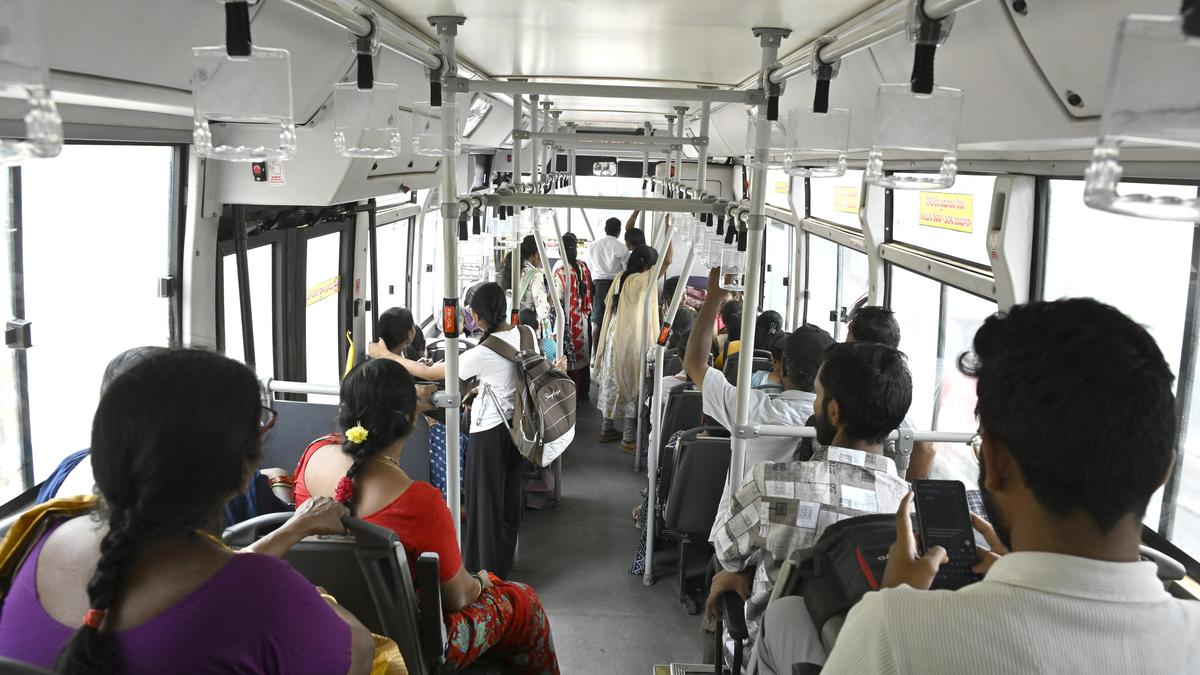
Key scheduled parliamentary questions covered industrial wage revisions, unorganised sector pay increases, vegetable cultivation, and bus CCTV surveillance.
Transport Minister discussed operational matters of Telangana State Road Transport Corporation (TGRTC) including conductor staffing and Metro City services.
Protests and suspensions highlighted ongoing friction between treasury and opposition benches regarding floor management and legislative debate.
The proceedings underscore the balance between assembly procedural discipline and democratic deliberation on critical public infrastructure and wage issues.
Telangana CM Orders IPS Probe into Speaker Controversy Amidst Legislative Disruptions
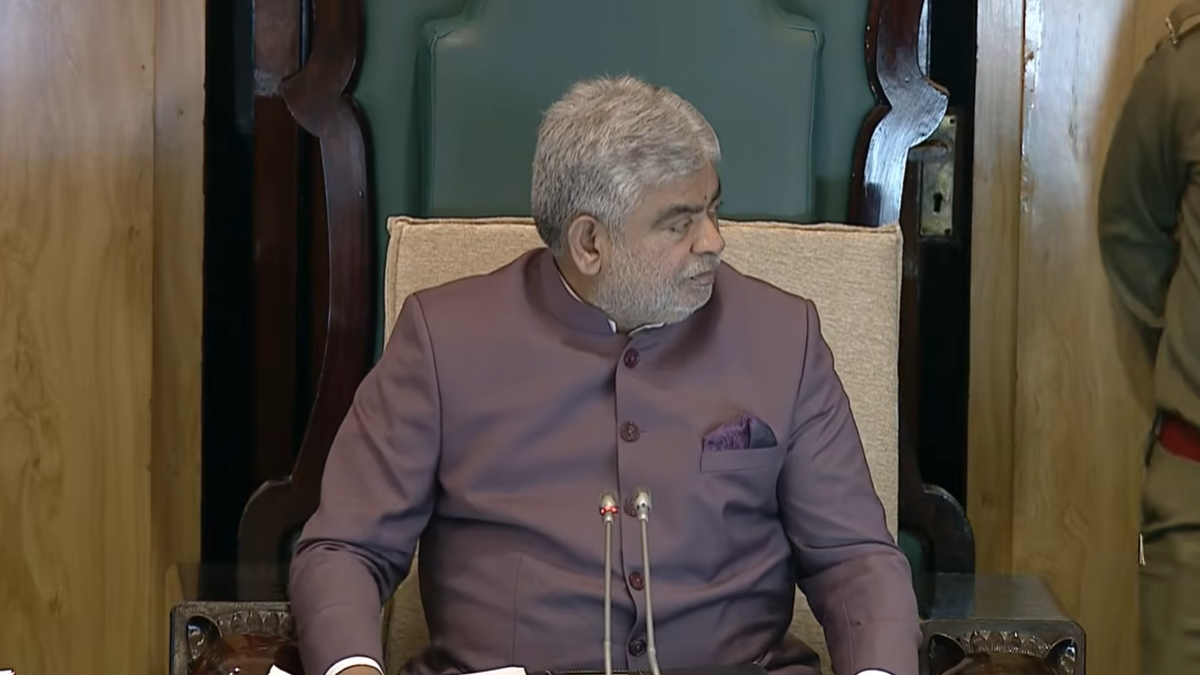
Telangana Chief Minister A. Revanth Reddy announced an IPS officer-led investigation into alleged abusive remarks made against Assembly Speaker G. Prasad Kumar.
The probe was triggered following legislative turmoil that led to the suspension of 20 BRS MLAs moved by Legislative Affairs Minister D. Sridhar Babu.
The disciplinary action followed earlier suspensions of BRS MLCs Tata Madhusudhan and Naveen Kumar Reddy over alleged contemptuous behavior.
The House witnessed stormy scenes as motion for suspension was passed amid loud opposition protests over legislative floor management.
The incident highlights constitutional mechanisms governing legislative privilege, speaker dignity, and the enforcement of order in state assemblies.
Prelims Facts
Under Article 208, a State Legislative Assembly makes rules for regulating its procedure and the conduct of its business.
Suspension of legislative members is governed by Assembly rules moved via formal motions by the Legislative Affairs Minister.
State Road Transport Corporations (SRTCs) operate under the Road Transport Corporations Act, 1950 to provide public transit services.
Mains Framework
Maintaining legislative decorum while preserving opposition space is crucial for effective democratic oversight and public interest deliberations.
Dimensions
Legislative Conduct
Balancing Speaker authority to enforce order against procedural rights of elected opposition representatives.
Executive Oversight
Utilizing assembly question hours to address crucial socioeconomic issues like unorganized worker wage revisions and industrial pay.
Public Transit Governance
Improving public transport safety through technological measures like CCTV surveillance in state road transport buses.
Way forward
Adhere to parliamentary conventions before resorting to wholesale suspensions, ensuring constructive debate on critical public welfare issues.
Key terms
Rules of ProcedureMLAs SuspensionLegislative PrivilegeUnorganised Sector WagesPublic Transport Safety
Acts & articles
Article 194 of the Constitution of IndiaArticle 208 of the Constitution of IndiaRoad Transport Corporations Act, 1950
Practice MCQs — Test Your Understanding
6 questions · UPSC Prelims pattern · Tap an option to check your answer
POLITY & GOVERNANCEExtradition Treaties, Sovereign Assurances, and Criminal Jurisprudence
Supreme Court Dismisses Gangster Abu Salem’s Plea Claiming Completion of 25-Year Prison Term
Q1With reference to extradition law and sovereign assurances in India, consider the following statements:
1. Extradition in India is governed statutorily by the Extradition Act, 1962.
2. Sovereign assurances provided by the executive to foreign courts during extradition proceedings are completely exempt from judicial review by the Supreme Court.
Which of the statements given above is/are correct?
Answer: Option A
Statement 1 is correct as extradition is governed by the Extradition Act, 1962. Statement 2 is incorrect because the Supreme Court holds judicial review powers over how executive sovereign assurances are executed within domestic sentencing laws.
HEALTH & ENVIRONMENTPublic Health Interventions and Front-of-Pack Nutritional Warning Labels
FSSAI Proposes Red Warning Labels on Packaged Foods High in Sugar, Salt, and Fat
Q2Consider the following statements regarding Front-of-Pack Labelling (FOPL) proposals in India:
1. The Food Safety and Standards Authority of India (FSSAI) is a statutory body established under the Food Safety and Standards Act, 2006.
2. Front-of-pack red warning labels are designed to alert consumers immediately regarding high levels of fat, salt, or sugar (HFSS) in packaged food products.
Which of the statements given above is/are correct?
Answer: Option C
Both statements are correct. FSSAI is established under the FSS Act, 2006, and its proposed red front-of-pack warning label aims to give clear, immediate warnings regarding high fat, salt, or sugar (HFSS) content.
ENVIRONMENT & ECOLOGYEcological Restoration and Marginal Farmland Rewilding Practices
Rewilding 500 Acres of Marginal Farmland at Wild Ken Hill Doubles Plant Diversity
Q3In the context of ecological restoration, what does 'passive rewilding' primarily refer to?
Answer: Option B
Passive rewilding relies on natural regeneration and ecological succession by removing active human intervention, such as intensive cultivation and livestock grazing, allowing native species to recover naturally.
SCIENCE & INFRASTRUCTURERenewable Energy History and Sustainable Infrastructure Heritage
Australia’s First Solar Power Station Built in 1981 Receives Official Heritage Listing
Q4Which solar concentrating technology utilizes curved dish-shaped reflectors to focus sunlight onto a single focal point receiver?
Answer: Option A
Parabolic dish collector systems use dish-shaped parabolic mirrors to focus incoming solar radiation onto a single point receiver located at the focus point of the dish.
SCIENCE & TECHNOLOGYWater Pollution Control and Bioremediation Technologies
Scientists Discover Apple Waste Pomace Can Remove Up to 100% of Lead from Water
Q5With reference to biosorption technology for water treatment, consider the following statements:
1. Biosorption involves passive binding of heavy metal ions to functional groups on organic biomass.
2. Apple pomace is an agricultural waste residue obtained after extracting juice from apples.
Which of the statements given above is/are correct?
Answer: Option C
Both statements are correct. Biosorption utilizes organic biomass to passively bind metal ions, and apple pomace is the solid byproduct left over from apple juice processing.
ENVIRONMENT & ECOLOGYBiodiversity Conservation and Invasive Species Management
Tasmania Creates Trout-Free Sanctuaries to Save Endangered Swan Galaxias Fish
Q6Consider the following statements regarding invasive alien species in freshwater ecosystems:
1. Introduced alien predatory fish can drive endemic native fish species toward extinction through severe predation.
2. Creating isolated headwater sanctuaries behind physical barriers is an established conservation technique to protect threatened native fish.
Which of the statements given above is/are correct?
Answer: Option C
Both statements are correct. Predatory invasive species like introduced brown trout threaten native endemic fish, and isolating native populations in trout-free headwater streams helps prevent their extinction.