Daily Current Affairs — 8 September 2026

Tue · 8 topics · 14 stories · 6 Prelims MCQs

01
INTERNAL SECURITY

Security Protocols and Perimeter Vulnerabilities in Military Cantonments

Story 1The Hindu ↗

Secunderabad Army Armoury Theft Prompts High Security and Online Schooling

  • A major security breach occurred at the 20 Madras Regiment premises in Secunderabad Cantonment, where multiple service weapons and military ammunition were stolen from the armoury storage facility.
  • The incident took place inside the Bollarum military establishment in Secunderabad, Telangana, prompting local law enforcement authorities and defense units to issue immediate high alerts across cantonment areas.
  • Investigators reported 12 missing firearms, including four AK-203 assault rifles, one INSAS rifle, six 9mm pistols, one civilian pistol, passive night-vision binoculars, 21 magazines, and over 1,800 rounds of ammunition.
  • Suspects gained unauthorised entry by breaking locks in a highly secured installation, compelling surrounding cantonment schools to temporarily shift to online classes while joint search operations were launched.
  • This event underscores critical vulnerabilities in internal security architecture, physical perimeter access controls, and standard operating protocols governing armouries within active military cantonments under GS Paper 3.

Story 2The Hindu ↗

NIA Joins Investigation into Stolen Firearms and Detonators from Secunderabad Army Camp

  • A specialized team from the National Investigation Agency visited the 20 Madras Regiment camp in Bolarum to assist local police in probing missing firearms, ammunition, and detonators.
  • The central agency team inspected the crime scene in Secunderabad, conducting inter-agency discussions with field-level police officers and military investigators responsible for tracking the stolen armaments.
  • The missing inventory includes four AK-203 rifles, an INSAS 1B1 rifle, six 9mm Auto 1A pistols, a civilian pistol, and separate missing military detonators under investigation.
  • Investigation duties have been divided across specialized police units and counter-terrorism experts to determine how unauthorized individuals breached internal military perimeters without raising immediate alarms.
  • The involvement of central counter-terrorism agencies highlights the national security ramifications of internal military arms thefts and inter-agency coordination mechanisms under GS Paper 3.

Story 3The Hindu ↗

Police Suspect Insider Involvement as Stolen Military Weapons Remain Untraced

  • Investigating agencies suspect insider involvement after twelve stolen military firearms and ammunition remained untraced a week after being taken from an unmarked armoury building.
  • The theft occurred within the 20 Madras Regiment complex in Bolarum, Secunderabad, situated in a quiet green stretch away from main urban transit routes.
  • Investigators noted that six to eight entry points exist across the sprawling military site, where over 1,800 ammunition rounds were taken from a room separate from firearms.
  • Because the target storehouse lacked external signboards and was located centrally inside the campus, police believe perpetrators possessed detailed prior knowledge of internal layout and inventory management.
  • The incident provides vital lessons on insider threat mitigation, physical security design, and comprehensive inventory audits in military infrastructure management for GS Paper 3 Internal Security.

Prelims Facts

The 20 Madras Regiment establishment is located in the Bolarum area of Secunderabad Cantonment in Telangana.
The National Investigation Agency (NIA) operates under the National Investigation Agency Act, 2008, investigating scheduled offences affecting national sovereignty.
Service weapons including the AK-203 assault rifle, manufactured under joint ventures at Korwa (Uttar Pradesh), form part of India's frontline infantry modernization.

Mains Framework

Recent arms thefts from high-security military establishments expose operational vulnerabilities in perimeter defense, physical access auditing, and internal security management across cantonments.

Dimensions

Infrastructure & Physical Vulnerabilities

Unmarked storehouses, reliance on legacy manual security, and multiple unmonitored entry/exit points within sprawling cantonment zones.

Insider Threat & Personnel Auditing

Gaps in real-time biometric access tracking, periodic vetting protocols, and inventory accounting across military supply depots.

Inter-Agency Synergy & Legal Enforcement

Need for seamless coordination between state police, military intelligence, and central counter-terrorism units like the NIA during arms proliferation incidents.

Way forward

Implement smart automated armouries with biometric access logs, RFID-tagged weaponry, real-time perimeter intrusion detection systems (PIDS), and mandatory quarterly joint security audits across military zones.

Key terms
Internal Security ArchitecturePerimeter Access ControlCounter-ProliferationInsider Threat MitigationInter-Agency Coordination
Acts & articles
National Investigation Agency Act, 2008Arms Act, 1959Unlawful Activities (Prevention) Act, 1967
02
INTERNATIONAL RELATIONS

Cross-Border Strikes and Maritime Security Vulnerabilities in West Asia

Story 1The Hindu ↗

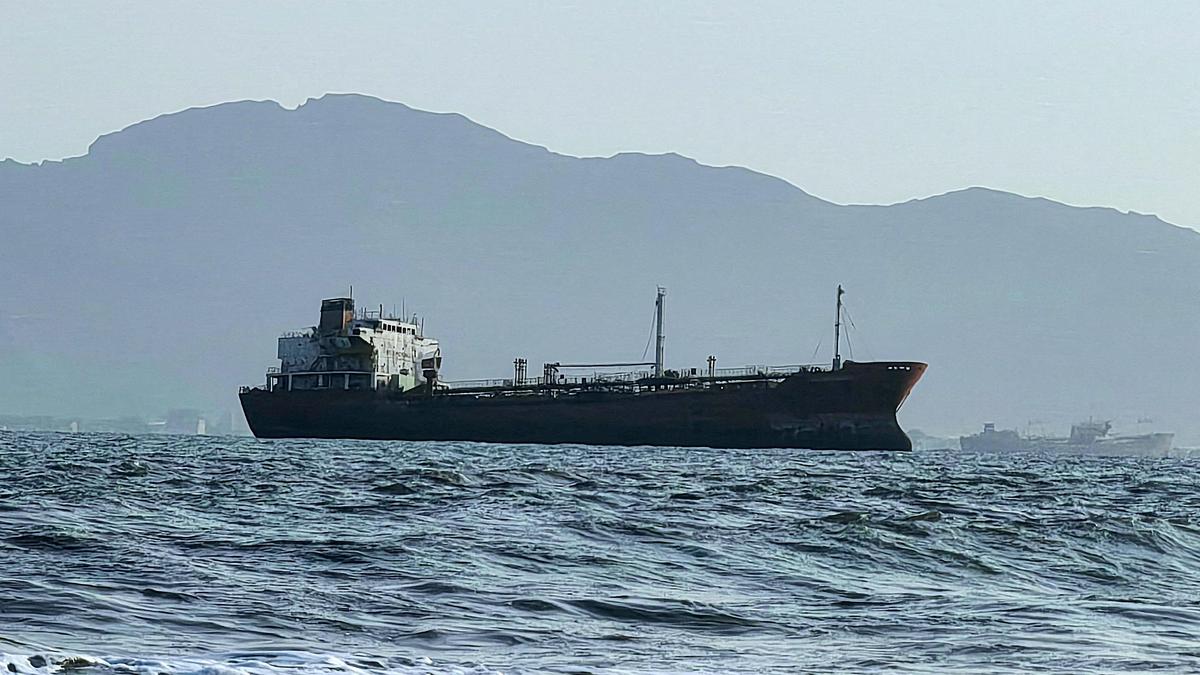
Houthi Rebels Claim Ballistic Missile Attack on Saudi Oil Tanker in Red Sea

  • Yemen’s Houthi rebels claimed responsibility for a direct ballistic missile strike on a Saudi Arabian oil tanker navigating through crucial shipping lanes in the Red Sea.
  • The maritime attack was executed by Iran-backed Houthi forces targeting commercial vessels off the coast of Yemen in the strategically vital Red Sea maritime corridor.
  • The precise missile strike caused an onboard fire and forced neighboring commercial vessels to flee the target zone amid an ongoing regional maritime blockade.
  • The incident marks a major escalation in the decade-long Yemeni conflict following the breakdown of the 2022 truce between Houthi rebels and the Saudi-backed Yemeni government.
  • Maritime interdiction and asymmetric warfare in critical sea lanes directly affect global supply chains, freedom of navigation, and India’s energy security interests under GS Paper 2.
Story 2Times of India ↗

Houthi Forces Launch Missiles and Drones Targeting Saudi Airports and Energy Sites

  • Yemeni Houthi forces targeted major Saudi Arabian civilian airports, military airbases, and Aramco oil facilities utilizing coordinated swarms of drones and ballistic missiles.
  • Attacks struck installations across southern Saudi Arabia, including Abha International Airport, King Khalid Air Base in Khamis Mushait, and Aramco energy infrastructure in Abha and Jizan.
  • Coalition reports indicated that 73 people were injured in widespread strikes across Abha, Khamis Mushait, Najran, and Jazan as regional hostilities escalated sharply.
  • Houthi military spokespersons stated the offensive was in response to alleged coalition airstrikes in Jawf, Al-Bayda, Marib, and Taiz, escalating cross-border conflict dynamics.
  • The targeting of critical civilian and energy infrastructure highlights evolving regional conflict dynamics and trade corridor vulnerabilities studied under GS Paper 2 International Relations.
Story 3Times of India ↗

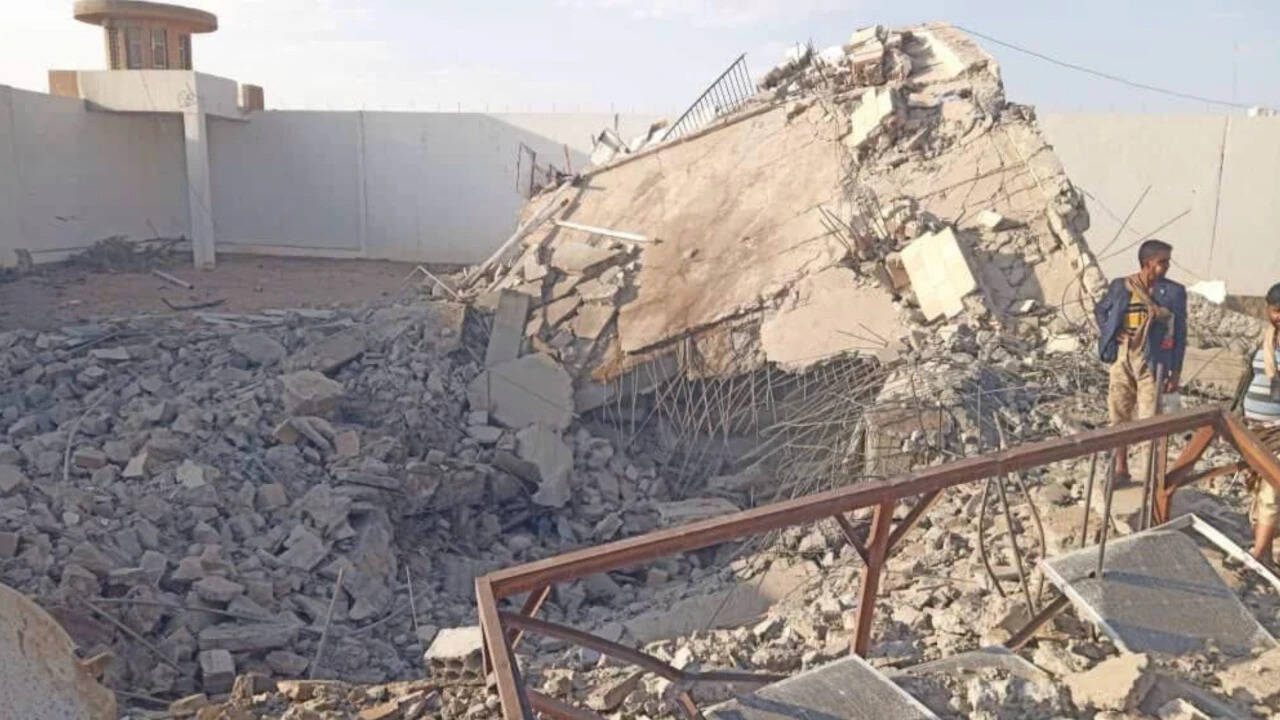
Houthis Accuse Saudi Coalition of Prison Airstrike in Yemen's Al-Jawf Province

  • An airstrike on a correctional facility in northern Yemen resulted in multiple civilian casualties, triggering international humanitarian concerns over non-combatant protections.
  • The attack hit the Central Corrective Facility in al-Hazm, located within al-Jawf province near Yemen’s northern border with Saudi Arabia.
  • Houthi medical officials confirmed at least seven fatalities, including a child, while seven others were injured and up to 35 individuals remained trapped beneath building debris.
  • Houthi authorities accused the Saudi-led coalition of committing humanitarian violations, while visual media broadcast images of collapsed infrastructure and ongoing emergency rescue operations.
  • The strike illustrates international humanitarian law compliance issues and civilian protection challenges in protracted non-international armed conflicts under GS Paper 2.

Prelims Facts

Abha and Jizan are key urban and economic industrial hubs located in southern Saudi Arabia, near the border with Yemen.
The Red Sea links the Indian Ocean to the Mediterranean Sea via the Bab-el-Mandeb Strait and Suez Canal, serving as a vital choke point for world trade.
Geneva Conventions provide the international legal framework governing the protection of non-combatants and civilian infrastructure in active armed conflicts.

Mains Framework

The intensification of drone, missile, and airstrike exchanges in West Asia threatens international navigation routes, commercial shipping stability, and regional humanitarian structures.

Dimensions

Maritime & Commercial Trade Disruption

Threats to global energy transit along the Red Sea and Arabian Gulf, elevating insurance premiums and rerouting commercial vessels around Africa.

Asymmetric Military Capabilities

Deployment of low-cost unmanned aerial vehicles (UAVs) and ballistic missiles targeting state infrastructure, challenging conventional air defense systems.

Humanitarian & Legal Imperatives

Severe collateral damage to non-combatant populations and civilian facilities, highlighting compliance challenges with International Humanitarian Law.

Way forward

Strengthen multilateral maritime escort initiatives like Operation Sankalp, promote diplomatic mediation through regional bodies, and enforce strict adherence to international laws protecting civilian infrastructure.

Key terms
Asymmetric WarfareFreedom of NavigationRed Sea CorridorInternational Humanitarian LawStrategic Maritime Chokepoints
Acts & articles
UN Convention on the Law of the Sea (UNCLOS)Geneva Conventions (International Humanitarian Law)UN Security Council Resolution 2216 (Yemen Conflict Framework)
03
INTERNATIONAL RELATIONS & ECONOMY

Economic Crisis in Iran and Gulf Energy Escalation Dynamics

Story 1The Hindu ↗

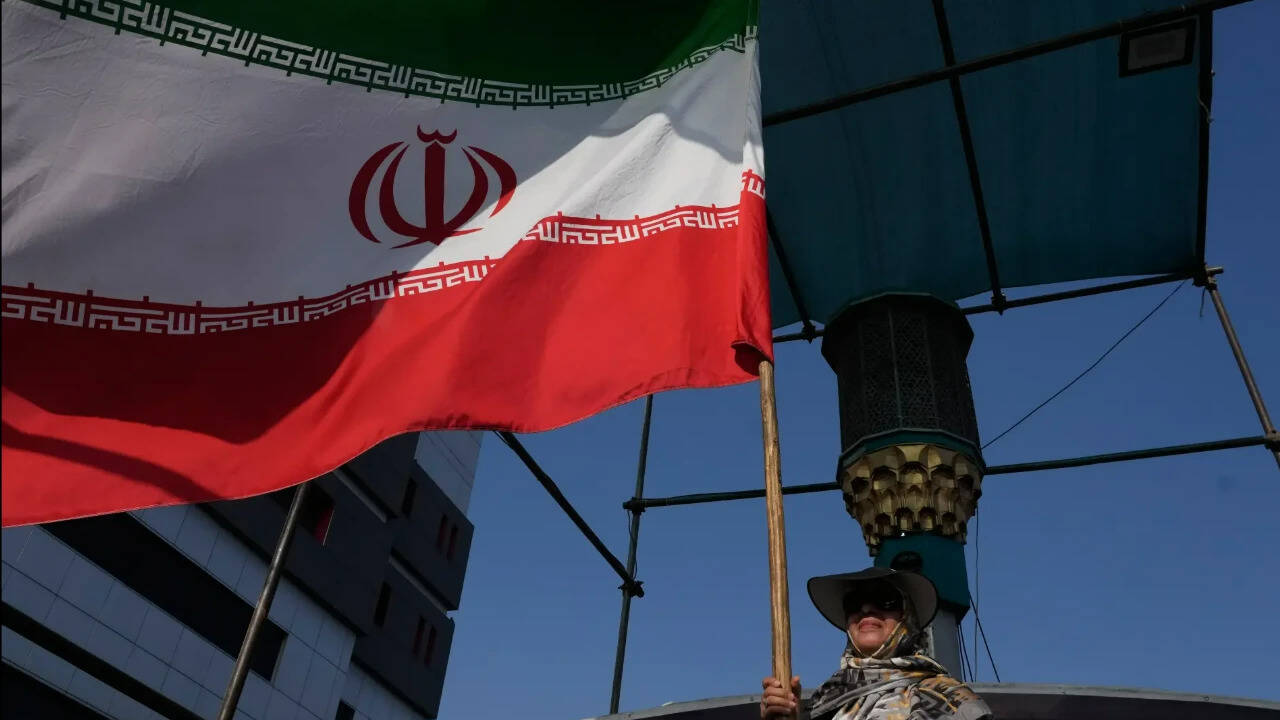
Tehran Signals Commitment to Strong Bilateral Ties with India Ahead of BRICS Summit

  • Iran reaffirmed the strategic importance of its bilateral relationship with India, emphasizing historic civilisational linkages ahead of the upcoming multilateral BRICS Summit.
  • Iranian diplomatic representatives conveyed signals from Tehran to New Delhi, highlighting shared foreign policy goals and regional economic cooperation objectives.
  • The diplomatic outreach precedes high-level multilateral interactions at the BRICS forum, where expanded member states seek consensus on energy and economic cooperation.
  • Bilateral discussions focus on enhancing connectivity projects such as the Chabahar Port and International North-South Transport Corridor amidst shifting geopolitical alignment dynamics.
  • India-Iran relations are crucial for India's West Asia strategy, Eurasian trade connectivity, and strategic autonomy within emerging multipolar economic blocs like BRICS under GS Paper 2.
Story 2Times of India ↗

Iran Doubles Petrol Prices for Heavy Users as Rial Touches Record Low

  • The Iranian government doubled petrol prices for consumers exceeding monthly consumption quotas to manage domestic fuel subsidies amidst severe macroeconomic pressures.
  • The policy affects consumers across Iran who consume over 110 liters per month, implemented as the national currency hit historic lows against international benchmarks.
  • Heavy consumers must now pay 100,000 rials (approximately 7 cents) per liter for fuel beyond their 110-liter monthly limit, with generated revenues pledged to household redistribution.
  • This marks Iran's second fuel price adjustment since December, reflecting severe inflationary stress, international trade sanctions, and fiscal constraints stemming from geopolitical conflict.
  • The economic reform showcases macroeconomic vulnerability under multilateral sanctions, fiscal deficit management, and domestic social stability risks studied under GS Paper 2 and GS Paper 3.
Story 3Times of India ↗

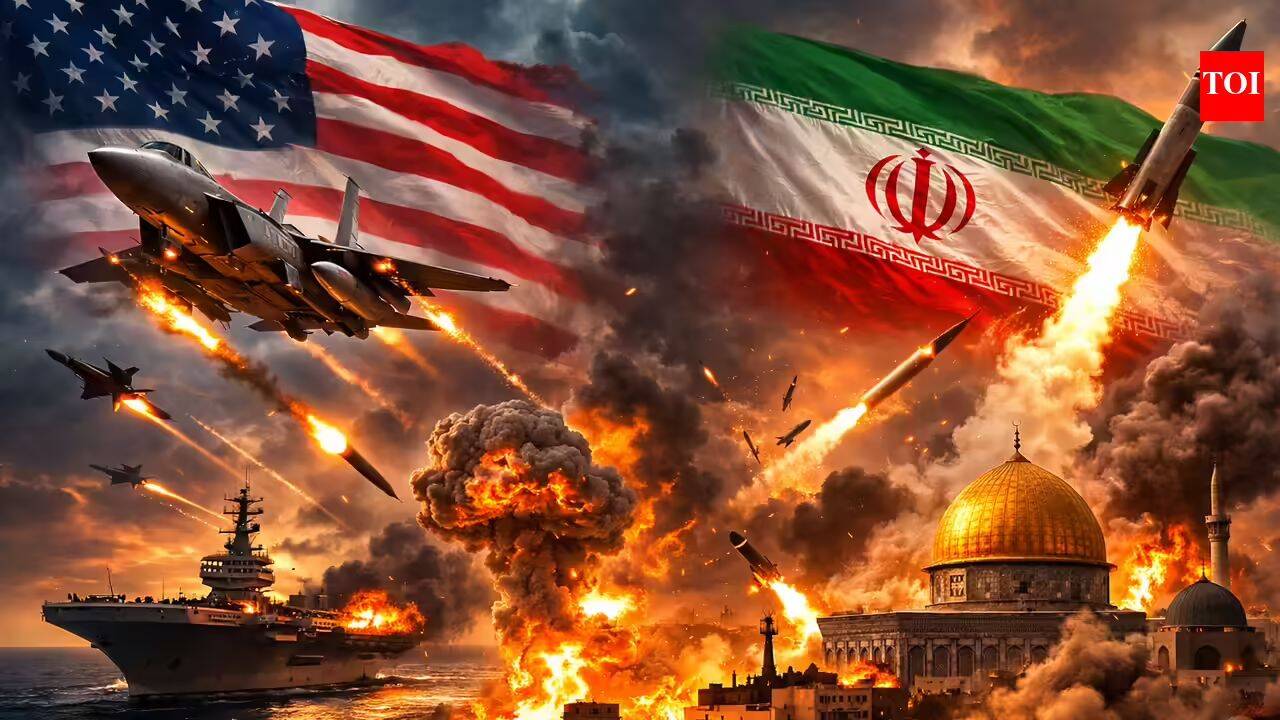
Iran Threatens US Gulf Energy Assets Following Strait of Hormuz Maritime Clashes

  • Iranian parliamentary leaders issued direct warnings to retaliate against US energy infrastructure in the Gulf if American forces target Iranian strategic assets.
  • Iranian Speaker Mohammad Baqer Qalibaf announced the security posture in Tehran following military exchanges over shipping lines in the strategic Strait of Hormuz.
  • Escalating Gulf hostilities pushed international crude oil prices to near six-week highs, threatening global energy supply lines and commercial shipping stability.
  • Iran has enforced tighter navigation restrictions through the Strait of Hormuz since conflict erupted on February 28, heightening risks of major global oil trade disruptions.
  • Chokepoint vulnerabilities in the Strait of Hormuz directly impact global energy transit, inflation, and India’s strategic petroleum reserve requirements under GS Paper 2 and GS Paper 3.

Prelims Facts

The Strait of Hormuz connects the Persian Gulf with the Gulf of Oman and Arabian Sea, handling nearly one-fifth of global petroleum consumption.
Iran is a member of the expanded BRICS group, which joined in 2024 to enhance South-South trade and non-dollar economic transactions.
Fuel subsidy reforms in developing economies are often tied to targeted cash transfer programs to cushion households against hyperinflation.

Mains Framework

Severe currency depreciation and fuel subsidy rationalization in Iran coincide with escalating security threats around the Strait of Hormuz, compounding domestic economic stress and international energy volatility.

Dimensions

Domestic Macroeconomic Stress

Soaring inflation, record rial currency depreciation, and fiscal burdens compelling sensitive fuel quota price hikes.

Geopolitical Threat Dynamics

Reciprocal threat postures targeting Persian Gulf oil/gas infrastructure and maritime security along the Strait of Hormuz.

India's Strategic Interests

Maintaining balance between bilateral ties (Chabahar Port, INSTC) and mitigating global energy shock effects on domestic crude imports.

Way forward

Diversify oil import corridors, accelerate strategic petroleum reserve capacity expansion, and engage through multilateral platforms like BRICS to stabilize regional energy markets.

Key terms
Strait of HormuzMacroeconomic InstabilityBRICS AlignmentStrategic Petroleum ReservesSubsidy Rationalization
Acts & articles
BRICS Joint Declarations on Multilateral Economic CooperationForeign Trade (Development and Regulation) Act, 1992
04
SCIENCE & TECHNOLOGY

Genetic Code Expansion and Synthetic Biology Breakthroughs

Story 1Times of India ↗

UC San Diego Researchers Double Genetic Alphabet Using Bacterial Enzymes

  • Researchers successfully expanded the natural genetic code by demonstrating that a bacterial enzyme can accurately read and transcribe DNA containing four synthetic bases.
  • Scientists at the University of California San Diego conducted the molecular biology breakthrough, expanding standard biological transcription machinery within laboratory environments.
  • The experiment doubled the standard four-letter genetic alphabet (A, T, C, G) to eight letters by incorporating four additional synthetic chemical building blocks.
  • Unlike previous approaches requiring custom-engineered proteins, this study proved that naturally occurring cellular enzymes can process synthetic nucleotides without extensive structural redesign.
  • Advances in synthetic biology and expanded genetic codes offer revolutionary applications in targeted biopharmaceuticals, novel materials, and molecular computing under GS Paper 3.

Prelims Facts

Standard natural DNA consists of four nitrogenous bases: Adenine (A), Thymine (T), Cytosine (C), and Guanine (G).
RNA polymerase enzymes transcribe DNA sequences into messenger RNA (mRNA) during cellular protein synthesis.
UC San Diego researchers demonstrated that naturally occurring bacterial enzymes can process expanded synthetic base pairs without structural re-engineering.

Mains Framework

Expanding the universal four-letter genetic alphabet to eight letters using natural bacterial enzymes marks a transformative leap in synthetic biology and bio-engineering capabilities.

Dimensions

Scientific Innovation

Ability of natural enzymes to transcribe non-canonical synthetic base pairs without requiring artificial protein redesign.

Biomedical & Industrial Applications

Synthesis of novel therapeutic proteins, advanced targeted drugs, durable biomaterials, and biological data storage systems.

Biosafety & Ethical Governance

Need for regulatory oversight against biohazard risks, accidental environmental release, and biosecurity misuse.

Way forward

Establish robust international biosafety guidelines, strengthen ethical review frameworks, and promote public-private investment in safe synthetic biology applications.

Key terms
Synthetic BiologyDNA TranscriptionGenetic AlphabetNucleotidesBiopharmaceutical Engineering
Acts & articles
Environment Protection Act, 1986 (Rules for Manufacture, Use, Import, Export & Storage of Hazardous Micro-organisms/Genetically Engineered Organisms)Cartagena Protocol on Biosafety
05
INTERNATIONAL RELATIONS

US Diplomatic Mediation and Negotiations in the Russia-Ukraine War

Story 1Times of India ↗

Zelenskyy Indicates Russian Willingness to Negotiate Following Meetings with US Envoys

  • Ukrainian President Volodymyr Zelenskyy stated that Russia expressed readiness to engage in peace negotiations following high-level diplomatic discussions mediated by US envoys.
  • Zelenskyy met US envoys Jared Kushner and Steve Witkoff in Kyiv after their diplomatic consultations with Russian President Vladimir Putin in Moscow.
  • Discussions focused on de-escalation framework proposals covering critical energy facilities, grain export corridors, and commercial oil and gas transit ahead of winter.
  • The diplomatic initiative aims to establish peace talks and prevent severe winter targeting of Ukraine's power grid, which has suffered repeated attacks since February 2022.
  • Conflict resolution in Eurasia is crucial for global supply chains, food security, fertilizer availability, and strategic equilibrium analyzed under GS Paper 2 International Relations.

Prelims Facts

Ukraine is one of the world's leading exporters of wheat, sunflower oil, and corn, making grain export corridors vital for global food security.
Winter energy security in Eastern Europe relies heavily on undamaged power plants and natural gas distribution networks.
Strategic diplomacy in major conflicts often involves third-party envoys negotiating technical agreements on energy and food transit prior to comprehensive peace talks.

Mains Framework

Fresh diplomatic mediation involving US envoys in Kyiv and Moscow highlights emerging opportunities for negotiated de-escalation, focusing on energy and grain trade guarantees ahead of winter.

Dimensions

Diplomatic Dynamics

Transition from bilateral confrontation to third-party mediated track-one diplomacy addressing critical infrastructure safety.

Global Supply Chain Impact

Safeguard of Black Sea food transport routes and global energy markets to mitigate food inflation across developing economies.

Geopolitical Balance

Alignment of major power interests to prevent further economic fragmentation and institutionalize peaceful conflict resolution.

Way forward

Promote inclusive multilateral dialogue under UN auspices, establish verified non-strike zones for critical civilian infrastructure, and ensure unhindered global food/fertilizer trade.

Key terms
Conflict De-escalationGrain Transport CorridorsEnergy Infrastructure SecurityDiplomatic MediationEurasian Security
Acts & articles
UN Charter (Article 33 - Peaceful Settlement of Disputes)Black Sea Grain Initiative Framework
06
ENVIRONMENT & ECOLOGY

River Restoration and Aquatic Biodiversity via Dam Removal

Story 1Times of India ↗

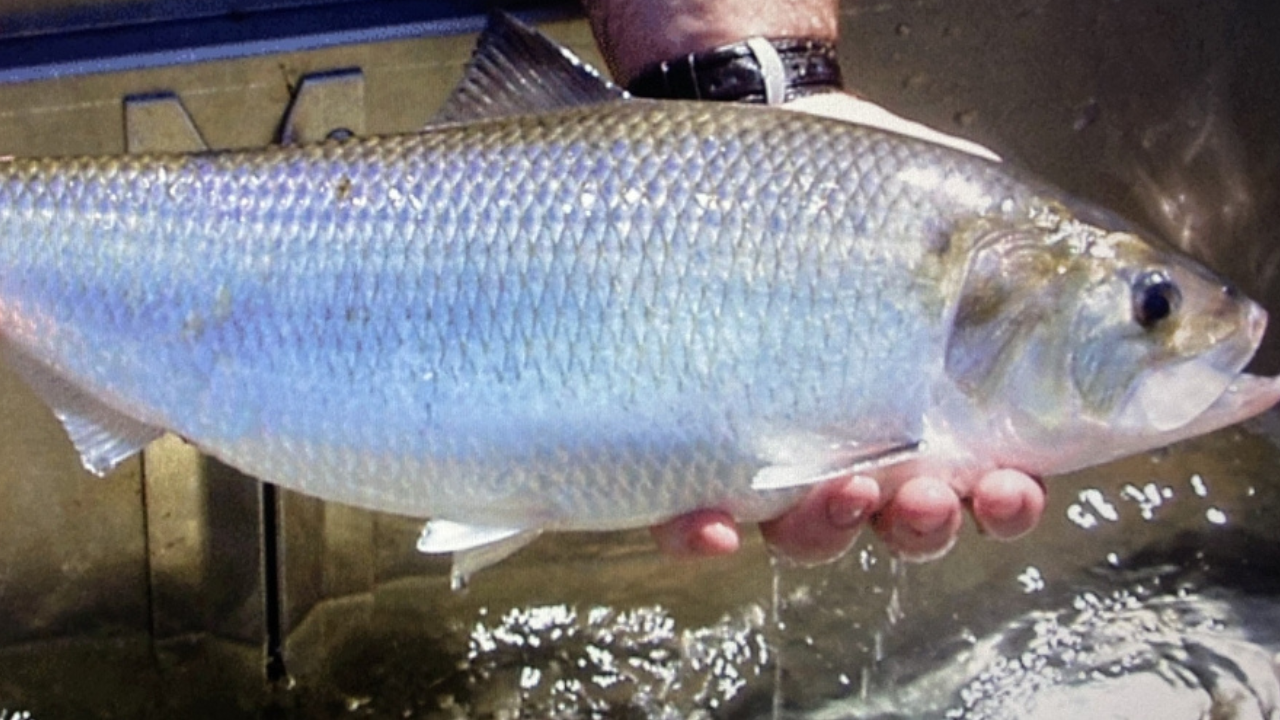
Dam Removal in Virginia Restores 127 Miles of Upstream Fish Migration Habitat

  • The removal of the Harvell Dam successfully reconnected long-blocked river segments, enabling migratory fish species to reach critical upstream spawning and nursery grounds.
  • The restoration project took place on the Appomattox River, a key tributary of the James River in Petersburg, Virginia, managed by US wildlife agencies.
  • Decommissioning the barrier reopened roughly 127 miles of continuous river habitat that had been obstructed for over 70 years by concrete infrastructure.
  • Collaborative river restoration demonstrated that removing obsolete dams effectively restores native river herring populations, improves sediment transport, and enhances ecological vitality.
  • Ecological restoration practices and eco-hydrological connectivity provide valuable frameworks for environmental impact assessments and river rejuvenation projects in India under GS Paper 3.

Prelims Facts

Anadromous fish species are those that live mostly in salt water but migrate upstream into freshwater rivers to spawn.
The Appomattox River is a major tributary of the James River in the eastern United States.
Obsolete dam removal restores natural sediment transport, improves water oxygenation, and opens historic spawning grounds.

Mains Framework

The decommissioning of obsolete dams offers a proven ecological restoration model to reconnect river systems, rejuvenate migratory fish stocks, and enhance aquatic biodiversity.

Dimensions

Ecological & Biodiversity Benefits

Re-establishing uninterrupted river flow, unblocking fish migration channels, and restoring riverbed spawning habitats.

Hydrological & Water Quality Impact

Enhancing natural sediment dynamics, reducing localized nutrient stagnation, and boosting river self-purification capacities.

Policy Integration for India

Applying eco-hydrological restoration paradigms to aging dam infrastructure and heavily fragmented river basins like the Ganga and Peninsular rivers.

Way forward

Conduct comprehensive environmental audits of aging river barriers, prioritize fish ladder installations or dam decommissioning, and integrate community-led watershed management.

Key terms
Riverine EcosystemsEcological ConnectivityAnadromous Fish MigrationDam DecommissioningHabitat Restoration
Acts & articles
Environment Protection Act, 1986Dam Safety Act, 2021National Water Policy Guidelines
07
ECONOMY & ENVIRONMENT

Monsoon Deficits, Thermal Shortages, and Power Grid Constraints in Kerala

Story 1The Hindu ↗

Rising Temperatures and Weak Monsoons Trigger Power Deficits across Keralam

  • Keralam Minister Sunny Joseph announced load management and power cuts due to surging domestic demand, suppressed hydroelectric generation, and thermal fuel shortages.
  • Electricity Minister Sunny Joseph addressed reporters in Thiruvananthapuram, highlighting state-wide grid stress caused by anomalous heat and weak monsoon rainfall across reservoirs.
  • In addition to hydel shortages, the state must return 500 MW of daily power borrowed during March-April while face procurement constraints from northern thermal plants.
  • Weak monsoon rains lowered reservoir water levels in hydroelectric dams, while soaring temperatures increased cooling demands, compounding coal shortages in northern thermal generation units.
  • The crisis illustrates interlinkages between climate change, hydrological dependency in power generation, inter-state grid balancing, and energy security under GS Paper 3.

Prelims Facts

Hydroelectric power plants rely heavily on monsoon reservoir inflows, making their peak season generation vulnerable to rainfall deficits.
The Southern Regional Power Grid is interconnected with the National Grid, allowing power banking and inter-state electricity transfers.
Load shedding and load banking are key regulatory mechanisms used by state utilities to manage supply-demand deficits.

Mains Framework

The confluence of rising ambient temperatures, rainfall deficits in reservoir catchments, and thermal fuel supply constraints underscores the systemic climate vulnerability of regional power grids.

Dimensions

Climate Vulnerability in Hydropower

Reduced reservoir levels due to weak monsoon seasons severely constraining baseline and peak-load hydel generation.

Inter-State Grid & Fuel Vulnerabilities

Reliance on coal transport for thermal generation and obligation commitments to return banked power during shortage periods.

Demand Side Management

Sharp spikes in cooling demand triggered by anomalous heatwaves, placing unprecedented operational stress on distribution utilities.

Way forward

Accelerate grid-scale solar and wind integration, scale up pumped storage hydro projects, enforce building energy efficiency codes, and enhance inter-state power banking agreements.

Key terms
Power DeficitHydropower DependabilityGrid ManagementThermal Coal ShortageClimate Adaptation
Acts & articles
Electricity Act, 2003National Smart Grid Mission GuidelinesEnergy Conservation Act, 2001
08
INTERNATIONAL RELATIONS

Strategic Deterrence and Proliferation Concerns in East Asia

Story 1Times of India ↗

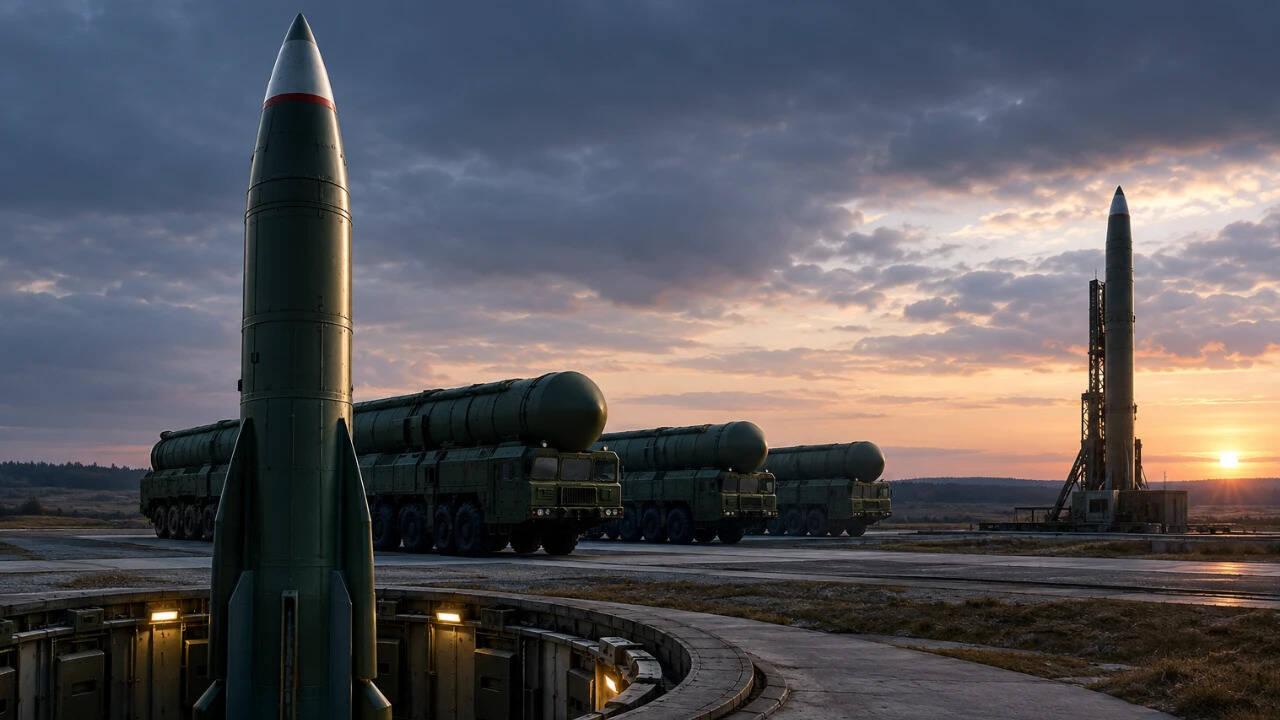
PLA Rocket Force Report Warns Chinese Urban Centers of Nuclear Risks and Flags Japan

  • A study by the People’s Liberation Army Rocket Force warned Chinese major cities to prepare for potential limited nuclear attacks from regional state actors.
  • The strategic assessment was produced by military researchers in China, highlighting geopolitical friction and security postures across East Asian neighboring nations.
  • While rating full-scale global nuclear war as relatively low risk, the report emphasized risks from non-signatories to the 2017 Treaty on the Prohibition of Nuclear Weapons.
  • The assessment specifically flagged Japan over potential shifts in its long-standing 'three non-nuclear principles' (not possessing, producing, or introducing nuclear weapons) and alliance dynamics.
  • Nuclear doctrine evolution, non-proliferation agreements, and strategic stability in the Indo-Pacific region are core components of international security studies under GS Paper 2.

Prelims Facts

Japan's 'Three Non-Nuclear Principles' (1967) state that Japan shall not possess, manufacture, or permit the introduction of nuclear weapons into its territory.
The Treaty on the Prohibition of Nuclear Weapons (TPNW), adopted in 2017, is a legally binding international agreement comprehensively banning nuclear weapons.
China’s People's Liberation Army Rocket Force (PLARF) controls the nation's strategic land-based nuclear and conventional missile arsenals.

Mains Framework

Military assessments flagging potential nuclear conflict scenarios in East Asia underscore deepening strategic distrust and shifting security doctrines across the Indo-Pacific.

Dimensions

Strategic Perception & Proliferation Risks

Heightened concerns over regional states altering long-standing non-nuclear postures under evolving security threats.

Institutional Limits of Treaties

Divergence between non-signatories of global abolition treaties like TPNW and states maintaining umbrella deterrence alliances.

Impact on Regional Security Architecture

Trilateral security alignments, missile defense deployments, and strategic posture realignments in East Asia.

Way forward

Strengthen multilateral nuclear risk-reduction dialogues, enforce non-proliferation regimes, and maintain diplomatic channels to prevent accidental military escalation.

Key terms
Nuclear DeterrenceNon-ProliferationThree Non-Nuclear PrinciplesStrategic StabilityIndo-Pacific Security
Acts & articles
Treaty on the Non-Proliferation of Nuclear Weapons (NPT)Treaty on the Prohibition of Nuclear Weapons (TPNW)

Practice MCQs — Test Your Understanding

6 questions · UPSC Prelims pattern · Tap an option to check your answer

INTERNAL SECURITYSecurity Protocols and Perimeter Vulnerabilities in Military Cantonments

Secunderabad Army Armoury Theft Prompts High Security and Online Schooling

Q1Consider the following statements regarding the arms theft reported at the 20 Madras Regiment premises in Secunderabad: 1. The missing equipment included AK-203 assault rifles, INSAS rifles, and 9mm pistols. 2. Passive night-vision binoculars and live ammunition were among the items taken from the armoury. Which of the statements given above is/are correct?

INTERNATIONAL RELATIONSCross-Border Strikes and Maritime Security Vulnerabilities in West Asia

Houthi Forces Launch Missiles and Drones Targeting Saudi Airports and Energy Sites

Q2Which of the following locations in southern Saudi Arabia were targeted by Houthi drone and missile strikes in September 2026? 1. King Khalid Air Base in Khamis Mushait 2. Abha International Airport 3. Aramco facilities in Jizan Select the correct answer using the code given below:

ECONOMYEconomic Crisis in Iran and Gulf Energy Escalation Dynamics

Iran Doubles Petrol Prices for Heavy Users as Rial Touches Record Low

Q3With reference to the fuel subsidy adjustments announced by Iran in September 2026, consider the following statements: 1. The price increase applies exclusively to domestic consumers whose monthly petrol usage exceeds 110 liters. 2. The policy was introduced as the Iranian rial reached a historic low exchange rate against foreign currencies. Which of the statements given above is/are correct?

SCIENCE & TECHNOLOGYGenetic Code Expansion and Synthetic Biology Breakthroughs

UC San Diego Researchers Double Genetic Alphabet Using Bacterial Enzymes

Q4In synthetic biology, how did researchers at UC San Diego expand the standard biological genetic code? 1. By engineering a novel artificial protein from scratch to replace cellular DNA polymerase. 2. By utilizing an existing bacterial enzyme capable of reading and transcribing synthetic DNA bases. 3. By expanding the four standard bases (A, T, C, G) with four additional synthetic bases to total eight letters. Select the correct answer using the code given below:

ENVIRONMENT & ECOLOGYRiver Restoration and Aquatic Biodiversity via Dam Removal

Dam Removal in Virginia Restores 127 Miles of Upstream Fish Migration Habitat

Q5Consider the following statements regarding the ecological restoration project on the Appomattox River: 1. The Appomattox River is a tributary of the James River in Virginia. 2. The removal of the Harvell Dam reconnected approximately 127 miles of continuous river habitat for migratory fish species. Which of the statements given above is/are correct?

INTERNATIONAL RELATIONSStrategic Deterrence and Proliferation Concerns in East Asia

PLA Rocket Force Report Warns Chinese Urban Centers of Nuclear Risks and Flags Japan

Q6Japan's long-standing 'Three Non-Nuclear Principles' traditionally mandate which of the following? 1. Not possessing nuclear weapons 2. Not manufacturing nuclear weapons 3. Not permitting the introduction of nuclear weapons into its territory Select the correct answer using the code given below: