Six Dead in Delhi Building Collapse as Rescue Operations Continue in Satya Niketan
A five-storey building housing a student hostel collapsed during renovation work in South West Delhi's congested Satya Niketan area.
Delhi Police, Fire Service, National Disaster Response Force, and Delhi Disaster Management Authority conducted overnight joint rescue operations to rescue survivors.
The disaster resulted in six confirmed fatalities while eleven individuals were successfully rescued from under the structural debris by Monday morning.
An FIR was registered under Sections 105, 290, and 125(a) of the Bharatiya Nyaya Sanhita against the building owner following the fatal collapse.
The event underscores urban safety risks posed by unauthorized renovation of aged structures in high-density residential student hubs lacking structural audits.
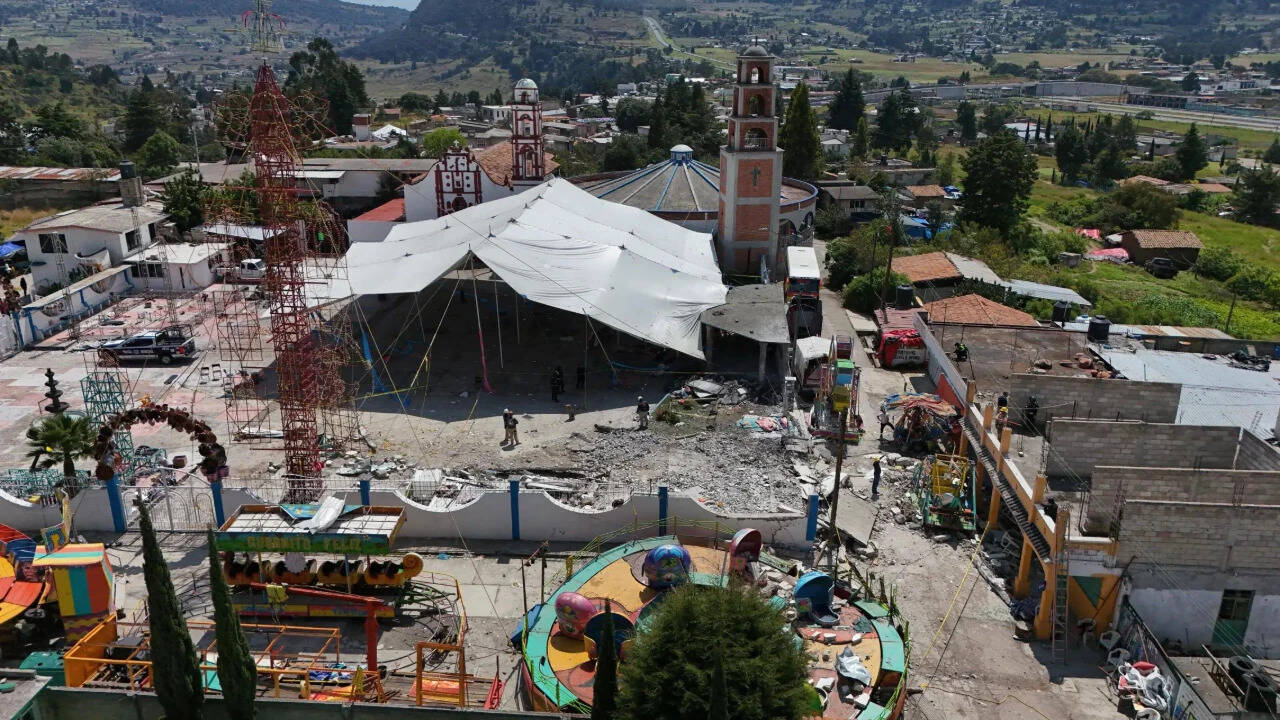
Pyrotechnic Explosion at Mexican Church Festival Kills 10 and Injures 64
A massive pyrotechnic explosion occurred during a religious patron saint celebration adjacent to the Nuestra Señora de la Luz church.
The incident took place in Temascalcingo municipality, located approximately 160 kilometres northwest of Mexico City, triggering structural collapses.
At least 10 people were killed and 64 others suffered injuries as surrounding walls collapsed and fires engulfed the central town square.
Festival attendees were trapped beneath collapsed structures while thick smoke and flying debris hindered initial community rescue efforts.
The tragedy highlights international public safety concerns regarding unregulated manufacture, storage, and detonation of commercial pyrotechnics near public gatherings.
Prelims Facts
The National Disaster Response Force (NDRF) and State Disaster Management Authorities operate under the statutory framework of the Disaster Management Act, 2005.
Sections 105, 290, and 125(a) of the Bharatiya Nyaya Sanhita (BNS) pertain to culpable homicide not amounting to murder, public nuisance, and endangering life or personal safety.
High-density urban clusters and unauthorized structural alterations significantly elevate building collapse risks during routine maintenance activities.
Mains Framework
Frequent structural collapses and explosive industrial hazards highlight critical systemic deficits in urban planning, building code compliance, and event safety protocols across dense human settlements.
Dimensions
Urban Governance and Regulatory Compliance
Public Event Safety and Explosive Hazard Management
Emergency Response and Rehabilitation Interventions
Way forward
Implement mandatory periodic structural audits for all commercial and residential accommodations, digitize building permission tracking, and strictly enforce the Explosives Rules for public cultural gatherings.
Key terms
Disaster Risk ReductionUrban VulnerabilityBuilding Safety CodeHazardous Material RegulationNational Disaster Response Force
Acts & articles
Disaster Management Act, 2005Bharatiya Nyaya Sanhita (BNS) Sections 105, 290, 125(a)National Building Code of India (NBC 2016)Explosives Act, 1884 and Explosives Rules
02
GS PAPER 3: ENVIRONMENTAL CONSERVATION
Eco-Hydrology and Environmental Conservation: Impacts of Monoculture Forestry and Industrial Infrastructure
Groundwater Levels Drop 4.5 Metres Following Decades of Eucalyptus Monoculture in Brazil
Scientific monitoring in Minas Gerais, Brazil, revealed a 4.5-metre groundwater decline over 45 years due to industrial eucalyptus plantations.
Vast forest plantations were established across Brazilian provinces to supply fast-growing timber for the global paper and pulp industry.
Rural communities reported severe depletion of local streams and agricultural water access as eucalyptus roots absorbed deep subsoil moisture.
In regions like Bahia, extensive monoculture plantations created ecological 'green deserts' devoid of natural understory vegetation and native fauna.
The long-term study highlights critical global lessons on balancing industrial forestry economics with eco-hydrological sustainability and groundwater conservation.
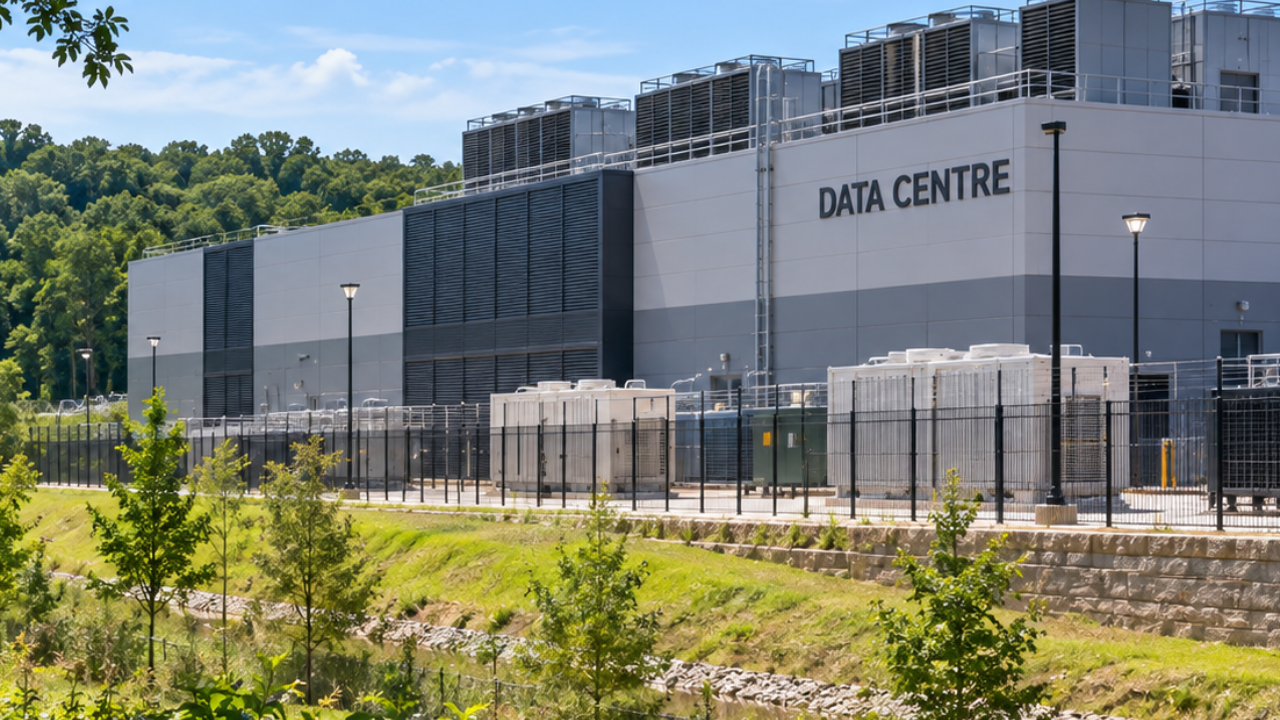
Proposed Data Centre Beside Nashville Zoo Triggers Public Opposition Over Wildlife Impact
A proposed 69,000-square-foot data centre facility planned adjacent to Nashville Zoo triggered widespread public protest and legal scrutiny.
Nearly 600,000 citizens signed a petition opposing the DC BLOX development project to protect captive wildlife from continuous operational stress.
Zoo officials warned that round-the-clock artificial light, low-frequency hums, and continuous noise would severely disrupt endangered species conservation programmes.
A captive-born clouded leopard cub named Mayuree became the public face of the campaign demanding strict zoning controls on digital infrastructure.
The dispute prompted local municipal authorities to introduce regulatory restrictions on large-scale data centres located near ecological and zoological reserves.
Prelims Facts
Eucalyptus species possess deep taproot systems and high transpiration rates, significantly reducing soil moisture and local groundwater tables.
The term 'green desert' refers to dense monoculture plantations that severely lack native understory vegetation and biological diversity.
Clouded leopards (Neofelis nebulosa) are classified as Vulnerable under the IUCN Red List and are sensitive to artificial light and industrial noise.
Mains Framework
Unregulated expansion of industrial forestry monocultures and energy-intensive digital infrastructure poses severe long-term threats to local hydrology and ecological integrity.
Dimensions
Hydrological Degradation from Commercial Monocultures
Industrial Encroachment on Wildlife and Conservation Zones
Policy Interventions and Sustainable Land-Use Governance
Way forward
Mandate comprehensive Eco-Hydrological Assessments for monoculture forestry projects and enforce strict acoustic and lighting buffer zones for industrial facilities near ecological reserves.
Study Finds Parasitic Ascaris Eggs Survive Vermicomposting in Tiger Worm Toilets
Research published in the Royal Society of Chemistry evaluated pathogen inactivation during vermicomposting of human faecal waste in tiger worm toilets.
Laboratory experiments utilized Eisenia fetida (tiger worms) inside specialized biodigesters containing pig faeces inoculated with known concentrations of Ascaris suum eggs.
Results demonstrated that parasitic Ascaris eggs remained fully intact and viable despite prolonged biological digestion and exposure to active earthworms.
Viable eggs were detected within final vermicompost outputs as well as gravel drainage layers, coconut coir bedding, and liquid effluent streams.
Findings reveal critical public health limitations in relying solely on earthworms for sanitation, requiring secondary disinfection before bio-fertilizer application.
Prelims Facts
Eisenia fetida, commonly known as the tiger worm, is widely utilized in bio-digester toilets to decompose organic human waste into vermicompost.
Ascaris suum and Ascaris lumbricoides eggs possess multi-layered thick shells resistant to environmental degradation and enzymatic digestion.
Non-sewered sanitation systems rely on biological digestion processes without connection to centralized municipal sewage treatment networks.
Mains Framework
While non-sewered bio-digester sanitation systems offer sustainable waste reduction, persistent survival of resilient helminth eggs poses unaddressed microbial contamination risks.
Dimensions
Biotechnology and Waste Inactivation Limits
Public Health and Agricultural Safety Hazards
Sanitation Policy and Secondary Treatment Integration
Way forward
Standardize multi-barrier treatment protocols combining vermicomposting with thermal pasteurization or alkaline stabilization to ensure complete pathogen elimination in bio-toilet sludge.
India Faces Severe Deficit in Corneal Transplants Despite Growth in Eye Banking
India currently operates 396 functional eye banks, with corneal collections increasing from 62,370 in 2022–23 to 69,848 in 2024–25.
Despite tissue collection growth, a severe supply deficit remains with 2 million corneally blind citizens and only 40,000 annual transplants performed.
Key operational challenges involve translating public awareness into timely post-mortem family consent, efficient tissue retrieval, and high-quality surgical transplantation.
The National Programme for Control of Blindness and Visual Impairment (NPCBVI) plays a vital regulatory role in expanding tissue banking infrastructure.
Addressing India's corneal blindness burden requires a robust public-private-NGO collaborative framework to optimize donor tissue utilization and hospital retrieval.
Prelims Facts
The National Programme for Control of Blindness and Visual Impairment (NPCBVI) is a 100% centrally sponsored scheme launched to reduce blindness prevalence.
Peripheral neuropathy affects approximately 1% of the general population and up to 10% of individuals aged above 60 years.
MR Neurography and nerve ultrasound represent advanced non-invasive diagnostic imaging tools used to visualize peripheral nerve disorders.
Mains Framework
India's healthcare delivery faces dual challenges of a widening demand-supply gap in organ transplantation and growing prevalence of chronic neurological disorders among aging populations.
Establish mandatory Hospital Retrieval Programmes in major mortuaries, expand regional nerve diagnostic CME platforms, and strengthen public-private partnerships under NPCBVI.
Key terms
National Programme for Control of BlindnessCorneal TransplantationPeripheral NeuropathyEye Banking InfrastructurePublic Health Ecosystem
Acts & articles
Transplantation of Human Organs Act, 1994National Health Policy, 2017Article 21 (Right to Health)Rights of Persons with Disabilities Act, 2016
05
GS PAPER 3: SCIENCE AND TECHNOLOGY
Space Technology and Earth Observation: Private Commercial Expansion in Planetary Hyperspectral Imaging
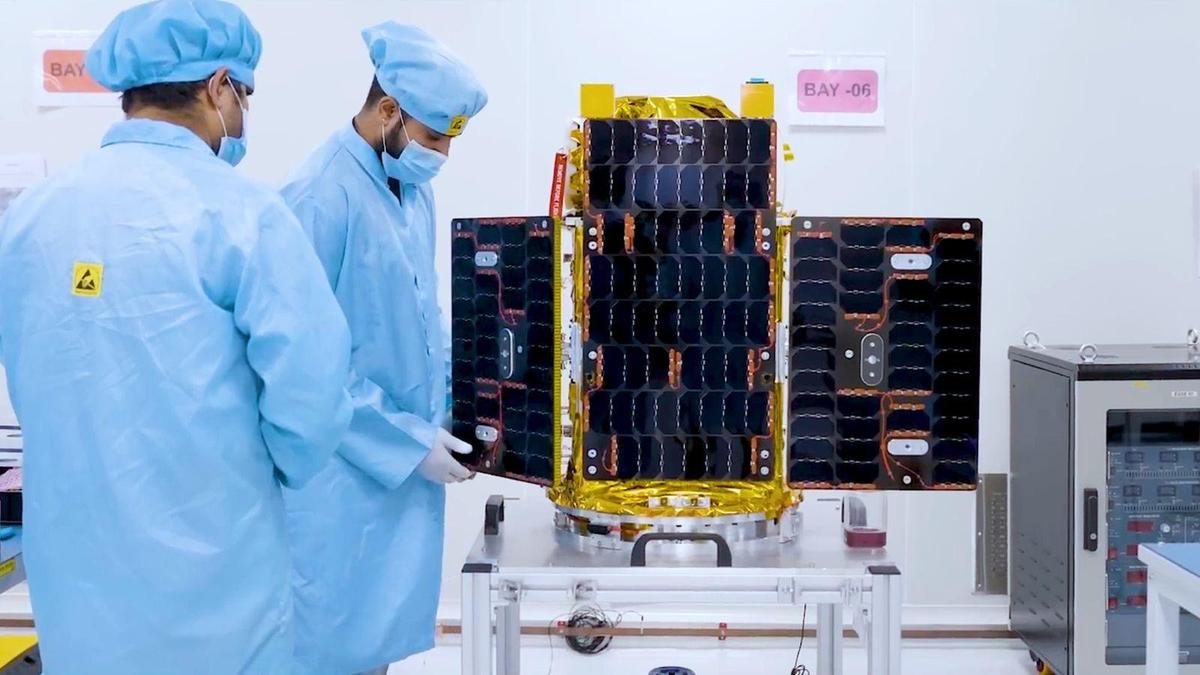
Space Startup Pixxel Raises $100 Million Series C to Expand Earth Intelligence Infrastructure
Bengaluru-based space-tech firm Pixxel closed a $100 million Series C funding round co-led by Temasek and Seraphim, raising total capital to $195 million.
The investment marks the single largest funding round achieved by a private space technology company operating within the Indian space ecosystem.
Capital will accelerate expansion beyond hyperspectral satellites into advanced sensing hardware, satellite manufacturing, and 'Aurora' Earth intelligence software.
Pixxel's hyperspectral technology captures detailed electromagnetic spectral data invisible to conventional satellite cameras, supporting climate and environmental tracking.
The funding highlights growing commercial confidence in Indian private space ventures offering dual-use capabilities for commercial and sovereign space applications.
Prelims Facts
Hyperspectral imaging captures continuous narrow spectral bands across the electromagnetic spectrum, enabling precise identification of materials and soil chemistry.
IN-SPACe (Indian National Space Promotion and Authorisation Centre) is the single-window autonomous agency regulating private space activities in India.
Satellite remote sensing allows real-time environmental tracking, crop health assessment, and strategic sovereign surveillance.
Mains Framework
The commercialization of India's space sector is accelerating rapidly, marked by record-breaking venture capital investments in private hyperspectral remote sensing constellations.
Dimensions
Technological Advancement in Earth Intelligence
Economic and Strategic Impact on Private Ecosystem
Socio-Economic Applications for Climate and Agriculture
Way forward
Streamline IN-SPACe authorization processes, create anchor procurement mechanisms for private space data, and foster deep-tech research funding.
Key terms
Hyperspectral ImagingPlanetary InfrastructureIN-SPACeEarth IntelligenceSovereign Space Systems
Acts & articles
Indian Space Policy 2023IN-SPACe GuidelinesGeospatial Data Guidelines 2021FDI Policy in Space Sector (2024 Amendments)
06
GS PAPER 2: GOVERNANCE & POLITY
Land Revenue Administration and Legal Reforms: Governance Friction Over Prohibited Property Lists
Prohibited Property List Under Section 22A Disrupts Telangana Assembly Proceedings
The opening day of the Telangana Legislative Assembly's monsoon session was disrupted over the controversial inclusion of land under Section 22A prohibited lists.
Opposition members protested in the Well of the House, demanding a judicial inquiry by a sitting judge into alleged irregularities in land deals.
Section 22A of the Registration Act restricts registration of specified state-owned, assigned, or disputed lands, directly impacting private land transactions.
Legislative Affairs Minister D. Sridhar Babu assured the House that the government was willing to schedule a short discussion following the Business Advisory Committee meeting.
The legislative row highlights ongoing governance challenges in state land revenue management, property title transparency, and revenue record digitisation.
Prelims Facts
Section 22A of the Registration Act, 1908 empowers state governments to notify lists of properties prohibited from registration.
Prohibited properties under Section 22A generally include government lands, assigned lands, religious endowment properties, and disputed titles.
State legislatures possess constitutional authority over land revenue and property registration under State List Entries in the Seventh Schedule.
Mains Framework
Arbitrary or non-transparent inclusion of private lands in statutory prohibited property lists creates administrative bottlenecking, depresses property values, and triggers institutional political friction.
Dimensions
Legal and Administrative Controversies
Impact on Citizens and Investment Climate
Institutional Accountability and Reforms
Way forward
Implement time-bound grievance redressal mechanisms for Section 22A disputes, publish updated digital prohibited databases, and establish appellate land tribunals.
Echolocating Bats Repeatedly Attempt to Drink From Smooth Plastic Artificial Surfaces
Researchers at the Max Planck Institute for Ornithology conducted controlled experiments demonstrating that 11 bat species mistake smooth surfaces for drinking water.
Smooth sheets of plastic, metal, and polished wood return acoustic signals identical to water surfaces when echolocated by flying bats.
Bats repeatedly lowered themselves to attempt drinking from dry plastic sheets covering drinking pools, failing to recognize the artificial barrier.
The study revealed that even juvenile bats with no prior exposure to natural lakes exhibited identical automated behavioral responses to smooth surfaces.
Findings reveal how smooth artificial structures like solar panels and modern building materials can create perceptual sensory traps for nocturnal wildlife.
German Biologist Patrick Urban Identifies New Dung Beetle Species From Yunnan Collections
Taxonomist Patrick Urban identified a previously undescribed species of dung beetle while analyzing insect collections from Yunnan province, China.
Specializing in the tribe Onthophagini across Palearctic and Indomalayan regions, Urban identified distinct physical variations during detailed morphological examinations.
The discovery stemmed from processing beetles recovered from regional dung washings, highlighting the richness of unmapped insect biodiversity.
Formal publication in 2026 officially added the new species to scientific records, demonstrating the vital role of taxonomical research.
Dung beetles play crucial ecological roles in nutrient cycling, carbon sequestration, and soil aeration within natural forest ecosystems.
Prelims Facts
Microchiropteran bats utilize echolocation by emitting high-frequency sound waves and interpreting returning acoustic echo patterns.
Smooth horizontal surfaces act as 'acoustic mirrors', reflecting sound pulses away and misinforming bats that open drinking water is present.
Dung beetles belonging to the tribe Onthophagini play critical ecological roles in nutrient cycling, soil aeration, and seed dispersal.
Mains Framework
Anthropogenic modifications to physical environments create novel sensory traps for wildlife relying on specialized acoustic perceptions, while taxonomical research uncovers crucial bio-indicator species.
Dimensions
Mechanisms of Acoustic Sensory Traps
Ecological Significance of Insect Taxonomy
Mitigation and Conservation Engineering
Way forward
Incorporate wildlife sensory impact mitigation in civil engineering designs and step up funding for taxonomical inventorying in ecological biodiversity hotspots.
Alternative Fuel Vehicles Exceed Petrol Share in Indian Passenger Car Retail Sales
Indian automobile retail sales for August 2026 reached 24,23,201 total units, registering a 17.51% year-on-year growth according to FADA data.
For the first time in Indian automotive history, alternative fuels (CNG, hybrid, electric combined) outpaced petrol passenger vehicles with a 41.95% market share.
Petrol passenger vehicle market share contracted to 40.85% as consumer buying shifted towards dual-fuel CNG models and electric vehicles.
Segment growth was led by Wheeled Construction Equipment (31.45%), Two-Wheelers (19.69%), Passenger Vehicles (16.14%), and Commercial Vehicles (14.45%).
Retail volumes experienced a minor 6.48% month-on-month decline compared to July due to monsoon seasonality and shifting festive calendar dates.
Prelims Facts
Alternative fuel passenger vehicles encompass Compressed Natural Gas (CNG), hybrid electric, and battery electric vehicles (EVs).
FADA (Federation of Automobile Dealers Associations) tracks national automotive retail registration data via the central Vahan portal.
The FAME and PM E-DRIVE schemes serve as primary national framework initiatives promoting electric vehicle adoption across India.
Mains Framework
India's automotive retail sector reached a historical energy transition milestone as combined sales of alternative fuel passenger vehicles surpassed traditional petrol models.
Dimensions
Structural Shifts in Consumer Fuel Choice
Economic and Manufacturing Implications
Infrastructure and Policy Challenges
Way forward
Expand public charging infrastructure under PM E-DRIVE, harmonize state EV policies, and incentivize indigenous battery cell production under the PLI scheme.
Key terms
Alternative Fuel VehiclesElectric MobilityCNG Passenger VehiclesAutomotive Retail DataFederation of Automobile Dealers Associations
Acts & articles
Motor Vehicles Act, 1988 (and Amendments)National Auto PolicyPM E-DRIVE Scheme GuidelinesNational Green Hydrogen Mission
09
GS PAPER 2: INTERNATIONAL RELATIONS
International Relations and Regional Security: Military Airstrikes and Evacuation Orders in South Lebanon
Israeli Military Orders Fresh Evacuations in Southern Lebanon Ahead of Targeted Strikes
The Israeli military issued urgent evacuation notices for residents of Deir Zahrani and Arab Salim in southern Lebanon ahead of planned strikes.
Military officials cited incoming explosive drone launches and armed Hezbollah activity in the border area as justification for intensified operations.
Iranian Parliament Speaker Mohammad Bagher Ghalibaf issued warnings stating rules of engagement had changed, threatening painful responses to attacks.
Cross-border military strikes in Arab Salim village caused seven civilian fatalities, triggering calls for international diplomatic intervention.
Escalating West Asia hostilities pushed global oil prices upward towards $97 per barrel due to rising supply chain disruption fears.
Prelims Facts
UN Security Council Resolution 1701 was adopted in 2006 to resolve the conflict between Israel and Hezbollah in southern Lebanon.
Deir Zahrani and Arab Salim are key municipalities situated in the South Governorate of Lebanon near the Litani River basin.
West Asia geopolitical escalations directly influence global crude oil spot prices due to maritime risk premiums in key transit chokepoints.
Mains Framework
Resurgent military hostilities and mandatory evacuations across southern Lebanon underscore fragile regional security dynamics and rising threats to civilian populations in West Asia.
Dimensions
Military Escalation and Humanitarian Impact
Geopolitical Dynamics and Multi-Lateral Diplomacy
Economic Consequences and Global Energy Vulnerability
Way forward
Re-establish active diplomatic mediation under UN auspices, enforce UNSC Resolution 1701 commitments, and establish safe humanitarian supply corridors.
Key terms
West Asia ConflictUNSC Resolution 1701Non-State ActorsGlobal Energy SecurityInternational Humanitarian Law
Acts & articles
UN Security Council Resolution 1701Geneva Conventions (Fourth Convention relative to Protection of Civilians)UN Charter Article 2(4) and Article 51
10
GS PAPER 3: ENVIRONMENT & ECONOMIC DEVELOPMENT
Sustainable Infrastructure and Circular Economy: Urban Material Reuse and Philanthropic Financing
Craftsmen Erect 1994 Balinese Ironwood Estate Rebuilt Across Pacific in Hawaii
A traditional Balinese architectural compound built in 1994 by 280 Indonesian craftsmen was dismantled, shipped, and reconstructed in Hawaii.
Constructed from authentic Indonesian ironwood and teak, the three-acre coastal estate incorporates open-air decks and sheltered inter-connecting walkways.
The structure features over one million roof shingles, demonstrating modular timber engineering capable of complete relocation without structural degradation.
Currently listed at $32.5 million on Hawaii's Kohala Coast, the property illustrates architectural heritage migration and sustainable heavy timber adaptation.
The project reflects traditional South-East Asian tropical design principles adapted for modern resilience along dynamic oceanfront environments.
Prelims Facts
Sustainable timber recycling diverts urban organic waste from landfills and lowers carbon footprints associated with new building materials.
Balinese traditional architecture emphasizes natural timber structures, open-air pavilion designs, and harmonious integration with natural surroundings.
Philanthropic foundations and impact funds play an increasing role in addressing systemic global threats like climate change and pandemic risks.
Mains Framework
Innovative urban material reuse frameworks and venture-derived philanthropic capital provide actionable models for achieving circular economy goals and funding global public goods.
Dimensions
Urban Circular Economy and Timber Upcycling
Architectural Heritage Preservation and Structural Adaptation
Role of Private Philanthropy and Impact Investments
Way forward
Institutionalize mandatory urban timber recovery programs in municipal waste policies and create tax incentives for corporate social impact funding.
Solid Waste Management Rules, 2016Companies Act, 2013 (Section 135 - Corporate Social Responsibility)National Urban Housing and Habitat Policy
Practice MCQs — Test Your Understanding
6 questions · UPSC Prelims pattern · Tap an option to check your answer
GS PAPER 3: ECONOMY & CLEAN MOBILITYEnergy Transition and Automotive Sector: Market Growth and Alternative Fuel Penetration
Alternative Fuel Vehicles Exceed Petrol Share in Indian Passenger Car Retail Sales
Q1With reference to recent trends in the Indian passenger vehicle market as reported by dealer association data in 2026, consider the following statements:
1. The combined market share of alternative fuel vehicles (CNG, hybrid, and electric) surpassed petrol passenger vehicles in monthly retail sales.
2. The Federation of Automobile Dealers Associations (FADA) tracks national retail sales using vehicle registration data from the Vahan portal.
Which of the statements given above is/are correct?
Answer: Option C
Both statements are correct. According to August 2026 FADA retail data, alternative fuel passenger vehicles (CNG, hybrid, EV combined) reached 41.95% market share, overtaking petrol vehicles (40.85%) for the first time in Indian history. FADA collects actual retail sales data via the central Vahan registration portal.
GS PAPER 3: SCIENCE & TECHNOLOGYSpace Technology and Earth Observation: Private Commercial Expansion in Planetary Hyperspectral Imaging
Space Startup Pixxel Raises $100 Million Series C to Expand Earth Intelligence Infrastructure
Q2Consider the following statements regarding Hyperspectral Imaging technology in satellite remote sensing:
1. Hyperspectral sensors capture contiguous, narrow spectral bands across the electromagnetic spectrum, enabling precise chemical and material identification.
2. Multispectral sensors capture significantly more spectral bands than hyperspectral sensors.
Which of the statements given above is/are correct?
Answer: Option A
Statement 1 is correct. Hyperspectral imaging collects hundreds of narrow, continuous spectral bands across the electromagnetic spectrum, allowing chemical composition analysis of Earth surfaces. Statement 2 is incorrect because multispectral imaging uses fewer, broader spectral bands compared to hyperspectral imaging.
GS PAPER 3: BIOTECHNOLOGY & SANITATIONBio-Sanitation and Public Health: Pathogen Persistence in Non-Sewered Sanitation Systems
Study Finds Parasitic Ascaris Eggs Survive Vermicomposting in Tiger Worm Toilets
Q3Regarding the biological waste digestion mechanism in tiger worm toilets, consider the following statements:
1. Eisenia fetida earthworms are widely used in vermicomposting systems due to their capacity to break down organic waste.
2. Research shows that vermicomposting completely degrades and neutralizes thick-shelled Ascaris parasitic eggs without needing secondary treatment.
Which of the statements given above is/are correct?
Answer: Option A
Statement 1 is correct; Eisenia fetida (tiger worms) feed on organic waste in non-sewered bio-toilets. Statement 2 is incorrect because recent research published in the Royal Society of Chemistry confirmed that Ascaris suum parasitic eggs remain intact and viable during vermicomposting, posing pathogen persistence risks if untreated.
GS PAPER 3: ENVIRONMENT & WILDLIFE ECOLOGYSensory Ecology and Entomology: Acoustic Illusions in Bats and Taxonomical Discoveries
Echolocating Bats Repeatedly Attempt to Drink From Smooth Plastic Artificial Surfaces
Q4In the context of sensory ecology, why do echolocating bats repeatedly attempt to drink from smooth artificial surfaces made of plastic or polished metal?
Answer: Option B
Experiments conducted by the Max Planck Institute demonstrate that smooth artificial surfaces act as 'acoustic mirrors' to echolocating bats. The smooth surface reflects sound pulses away in a manner identical to quiet water pools, creating a powerful acoustic mirror illusion that tricks bats into trying to drink.
GS PAPER 3: ENVIRONMENTAL CONSERVATIONEco-Hydrology and Environmental Conservation: Impacts of Monoculture Forestry and Industrial Infrastructure
Groundwater Levels Drop 4.5 Metres Following Decades of Eucalyptus Monoculture in Brazil
Q5Which of the following environmental phenomena is most commonly associated with long-term, commercial eucalyptus monoculture plantations?
Answer: Option B
Eucalyptus trees consume large volumes of subsoil water through deep root networks and high transpiration rates. Studies spanning 45 years in Brazil showed a 4.5-metre drop in local groundwater tables alongside the creation of 'green deserts' that lack native understory vegetation and biodiversity.
GS PAPER 2: SOCIAL JUSTICE & HEALTH POLICYPublic Health and Healthcare Delivery: Addressing Corneal Blindness and Neurological Care
India Faces Severe Deficit in Corneal Transplants Despite Growth in Eye Banking
Q6With reference to the National Programme for Control of Blindness and Visual Impairment (NPCBVI) in India, consider the following statements:
1. It is a central sector initiative aimed at reducing the prevalence of blindness in India.
2. India performs over 500,000 corneal transplants annually, exceeding domestic donor tissue demand.
Which of the statements given above is/are correct?
Answer: Option A
Statement 1 is correct as NPCBVI is a major central healthcare programme addressing curable blindness. Statement 2 is incorrect because India currently performs only about 40,000 corneal transplants annually, far short of the estimated 2 million corneally blind individuals needing donor tissue.