NASA Prepares Launch of Nancy Grace Roman Space Telescope for Cosmology Studies
NASA is preparing to launch its next flagship space observatory, the $4 billion Nancy Grace Roman Space Telescope, aboard a SpaceX Falcon Heavy rocket from Florida.
Named after NASA's first chief astronomer Nancy Grace Roman, the project involves senior project scientist Julie McEnery and builds directly on Hubble and James Webb.
The observatory represents a $4 billion investment aimed at executing a primary cosmic survey spanning over a year to investigate fundamental physical questions.
The telescope will investigate dark energy, dark matter, test gravitational theories at cosmic scales, and search for exoplanets situated far beyond our solar system.
Relevant for UPSC GS Paper III (Science & Technology - Space Infrastructure) by highlighting advanced observational instruments used to study deep-space physical phenomena.
Prelims Facts
The Nancy Grace Roman Space Telescope is NASA's ~$4 billion flagship observatory designed to investigate dark energy, dark matter, and exoplanets.
Named after NASA's first chief astronomer, the observatory is slated for launch aboard a SpaceX Falcon Heavy rocket from the Kennedy Space Center.
Roman builds upon the observational legacy of the Hubble Space Telescope (1990) and James Webb Space Telescope (2021) with a main survey lasting over a year.
Mains Framework
The Nancy Grace Roman Space Telescope represents the next technological leap in space observatories, designed to address fundamental questions in physical cosmology.
Dimensions
Technological Capabilities
Features wide-field survey capacity to map massive astronomical volumes at high resolution compared to predecessor telescopes.
Cosmological Objectives
Measures dark energy acceleration, maps dark matter distribution across cosmic time, and tests Einstein's general relativity on vast scales.
Exoplanetary Discovery
Employs gravitational microlensing and direct imaging to detect thousands of candidate worlds beyond our solar system.
Way forward
Sustained international astronomical collaboration and open-access data frameworks will maximize scientific returns from flagship space observatories.
Key terms
Nancy Grace Roman Space TelescopeDark EnergyDark MatterHubble Space TelescopeJames Webb Space TelescopeExoplanet Survey
Acts & articles
Outer Space Treaty 1967Science and Technology Sector Policy Frameworks
02
POLITY & GOVERNANCE
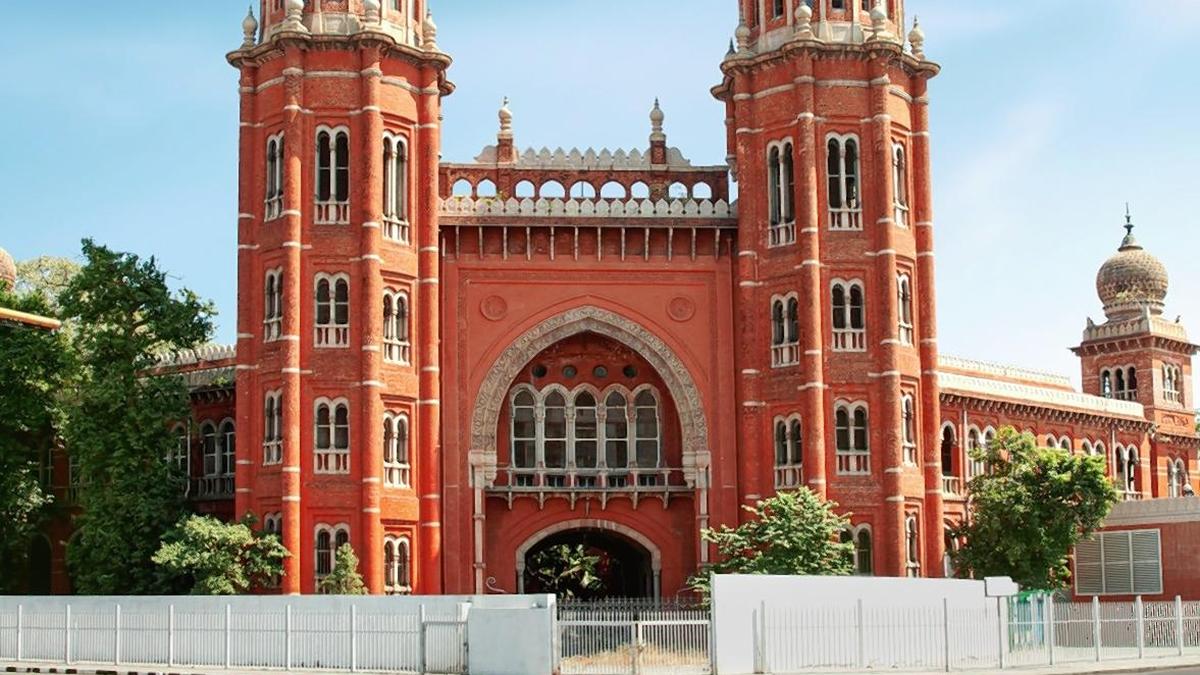
Tamil Nadu Assembly Resolution Advocates Tamil as Principal High Court Language
Tamil Nadu Assembly Adopts Resolution for Tamil in Madras High Court
The Tamil Nadu Legislative Assembly unanimously adopted a resolution requesting the Union government to recognise Tamil as the principal language of the Madras High Court.
Chief Minister C. Joseph Vijay moved the resolution in the Tamil Nadu Assembly, emphasizing the constitutional mechanisms available for regional language usage in judiciary.
The resolution highlights Section 2 of the Tamil Nadu Official Language Act alongside constitutional federal provisions to promote regional language integration in higher court proceedings.
The state resolution relies on Article 348(2) of the Constitution, which permits state Governors, with presidential consent, to authorize official language use in High Courts.
Relevant for UPSC GS Paper II (Polity & Governance - Judicial Language & Federalism) concerning constitutional provisions governing language use in Indian higher judiciary.
Prelims Facts
Article 348(2) of the Indian Constitution empowers the Governor of a State, with the President's prior consent, to authorize the state official language in High Court proceedings.
The Tamil Nadu Legislative Assembly unanimously passed a resolution urging the Union government to recognize Tamil as the principal language of the Madras High Court.
Tamil was formally declared the official language of Tamil Nadu state under Section 2 of the Tamil Nadu Official Language Act.
Mains Framework
The Tamil Nadu Assembly resolution advocating Tamil as the principal language of the Madras High Court highlights ongoing debates on linguistic federalism and judicial accessibility.
Dimensions
Constitutional Mandate
Article 348 mandates English for Supreme Court and High Courts unless specific presidential authorization is granted under Article 348(2).
Access to Justice
Conducting judicial proceedings in the local state language enhances transparency and comprehension for common litigants.
Systematic translation of statutes and case law through AI tools alongside legal training can enable smooth regional language adoption without compromising judicial efficiency.
Key terms
Article 348(2)Official Language of High CourtsFederalismMadras High CourtTamil Nadu Official Language Act
Acts & articles
Article 348(1)Article 348(2)Section 2 of Tamil Nadu Official Language ActOfficial Languages Act 1963
03
GOVERNANCE & SOCIAL JUSTICE
World Bank Evaluates Multimillion-Dollar Sustainable Healthcare Financing for Telangana
World Bank Considers Funding for Telangana Healthcare Transformation Program
The World Bank is actively evaluating a major financing proposal to support Telangana's strategic program aimed at achieving sustainable health care service delivery transformation.
The initiative is spearheaded by the Telangana State Government with financial evaluation and potential loan approval managed by the World Bank Group executive board.
Out of the total program budget of $1,641 million, the World Bank proposes funding $477 million (approx ₹4,500 crore) while state contributions cover $1,164 million.
The program aims to transition from fragmented disease-specific schemes to integrated, primary health centre-oriented care targeting non-communicable diseases and Universal Health Coverage.
Highly relevant for UPSC GS Paper II (Government Policies & Health Sector Interventions) as an exemplar of multilateral funding driving structural primary healthcare reform.
Prelims Facts
The World Bank is considering financing $477 million (approx ₹4,500 crore) for Telangana's $1,641 million healthcare transformation program.
The 'Telangana Strategic Vision for Attaining Sustainable Transformation in Health Care Program' targets health service utilization and quality improvement.
The initiative focuses on shifting healthcare delivery from vertical disease programs to an integrated primary health centre (PHC) framework for managing NCDs.
Mains Framework
The World Bank's proposed funding for Telangana's health program exemplifies strategic investments in human capital to accelerate Universal Health Coverage through structural primary health reforms.
Dimensions
Fiscal Architecture
Blends international multilateral finance ($477M) with state budgetary commitments ($1,164M) to ensure long-term program sustainability.
Epidemiological Shift
Addresses India's rising burden of Non-Communicable Diseases by restructuring Primary Health Centres into comprehensive care hubs.
Model Modernization
Replaces fragmented, disease-specific interventions with a person-centered operational framework targeting healthy ageing.
Way forward
Strengthening grassroots healthcare workforce capacity and digital health record integration will maximize the impact of multilateral health investments.
Key terms
Universal Health Coverage (UHC)World Bank GroupPrimary Health Centres (PHC)Non-Communicable Diseases (NCDs)Human Capital
Acts & articles
Article 47 (Directive Principles on Public Health)National Health Policy 2017
04
ENVIRONMENT & ECOLOGY
Experimental Studies Highlight Vulnerability of Ecosystems to Climate and Chemical Stress
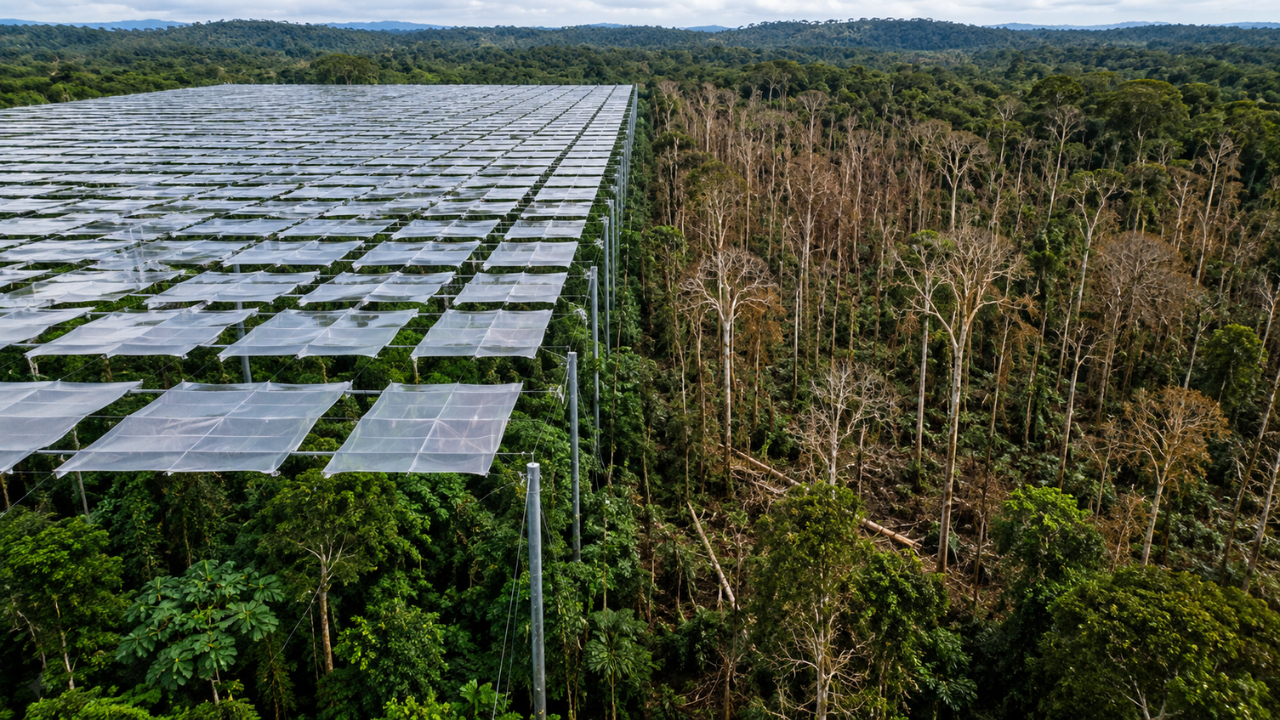
A 20-year drought experiment in Brazil's Caxiuanã National Forest revealed that prolonged rainfall reduction causes massive tree mortality and severe forest biomass reduction.
Ecological researchers led by Professor Lucy Rowland from the University of Exeter covered a one-hectare pristine Amazon rainforest plot with roughly 6,000 plastic panels.
The panels diverted 50 percent of rainfall into gutters for over two decades, causing large trees to collapse and reducing total forest biomass by one-third.
While trees initially adapted using deep roots and leaf water absorption, prolonged severe drought eventually flipped the forest from a carbon sink to a carbon source.
Essential for UPSC GS Paper III (Environment & Climate Change) by illustrating tropical forest tipping points and ecological feedback loops under global climate change.
Synthetic Estrogen Exposure Causes Near Extinction of Minnow Population in Lake
A controlled whole-lake ecological study demonstrated that chronic low-level synthetic estrogen exposure causes severe reproductive disruption and near extinction of fish populations.
Lead researcher Karen A. Kidd and colleagues conducted the seven-year experiment at the Experimental Lakes Area in northwestern Ontario using the 34-hectare Lake 260.
Scientists maintained synthetic estrogen 17α-ethynylestradiol concentrations of 5 to 6 nanograms per litre over three years, observing fathead minnow collapse after two seasons.
The study monitored fathead minnows, lake trout, and white suckers against reference lakes, showing how endocrine-disrupting chemicals propagate through aquatic food webs.
Relevant to UPSC GS Paper III (Environmental Pollution & Ecotoxicology) regarding the catastrophic ecological risks posed by pharmaceutical contaminants in freshwater systems.
Prelims Facts
A 20-year Amazon experiment blocking 50% rainfall using 6,000 panels in Caxiuanã National Forest reduced tree biomass by one-third and turned the forest into a carbon source.
Synthetic estrogen 17α-ethynylestradiol (EE2) maintained at 5–6 nanograms per litre in Lake 260 (Ontario) caused fathead minnows to collapse near extinction in two seasons.
Both empirical field studies demonstrate that long-term environmental stressors can cause irreversible structural failures in terrestrial and aquatic ecosystems.
Mains Framework
Controlled long-term ecological experiments underscore how chronic stressors—such as severe rainfall deficit and micro-pollutant contamination—can breach ecosystem resilience thresholds.
Dimensions
Climate Tipping Points
Sustained tropical drought destroys old-growth trees, causing massive biomass loss and transforming major carbon sinks into active carbon emitters.
Long-term multi-year field experiments provide crucial quantitative data needed to refine Earth system models and pollution regulations.
Way forward
Integrating ecotoxicological thresholds into environmental policy and establishing global forest protection mechanisms are vital to mitigate ecosystem collapse.
Magnitude 5 Earthquake Hits Tibet Border Region Amid Ongoing Flood Operations
A magnitude 5.0 earthquake struck Tibet at a depth of 10 kilometres, compounding ongoing emergency response operations following devastating flash floods in the region.
The German Research Centre for Geosciences reported the quake, affecting Gyirong border crossing rescue efforts involving Chinese authorities, Nepal, and international casualty search teams.
Floods killed at least 21 people and left 541 missing, including 104 Nepalis and 49 Indians, while workers reopened damaged national highway G216.
Rescuers previously relied on aerial supply drops and mountain trekking before heavy machinery could access the disaster zone following highway restoration efforts across Gyirong.
Relevant for UPSC GS Paper III (Disaster Management & Physical Geography) illustrating complex compound natural disasters and transboundary humanitarian rescue coordination challenges.
Two Workers Killed in Separate Fire Cracker Factory Explosions in Virudhunagar
Fatal explosions occurred at two distinct fireworks manufacturing units in Virudhunagar district, highlighting persistent industrial hazards and workplace safety challenges in pyrotechnic manufacturing.
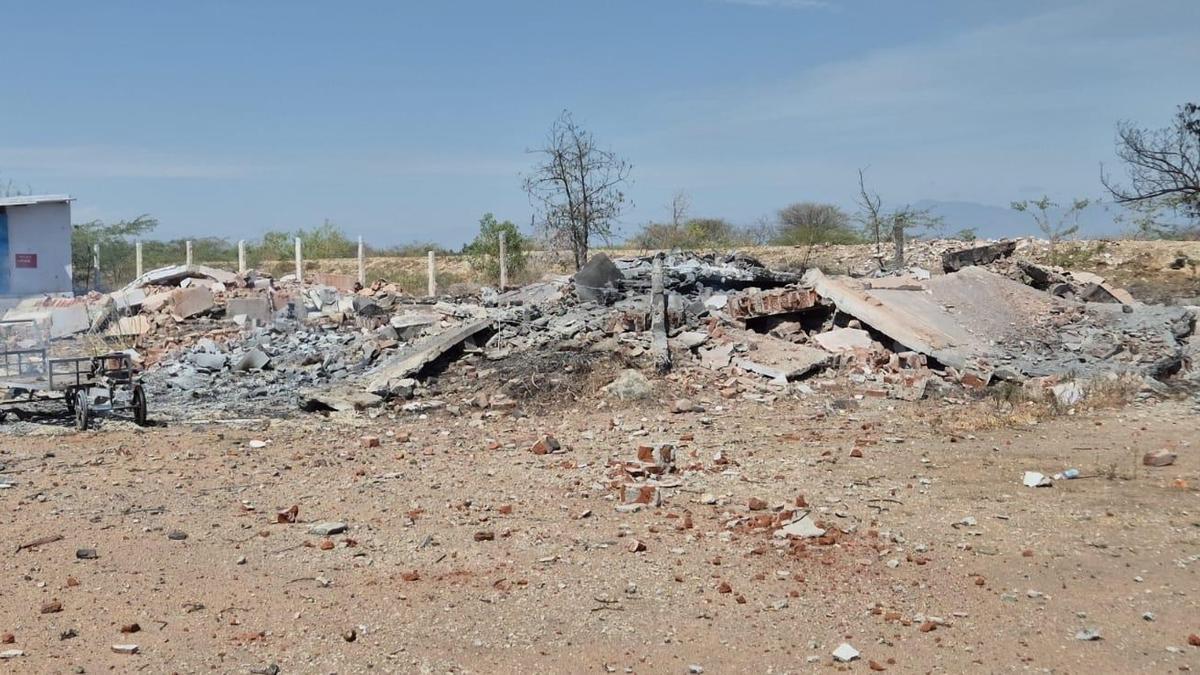
The accidents took place at Karishma Fireworks in Koonampatti near Srivilliputtur and another unit in Meenampatti village near Sivakasi, involving owner P. Santhanapandian.
Two workers died on the spot, multiple workers suffered severe burn injuries, and two out of seven manufacturing sheds were completely destroyed during 'chakkar' handling.
Despite possessing valid District Revenue Officer licenses, industrial safety failures recurred during hazardous material handling, prompting immediate emergency response from local fire tenders.
Directly aligns with UPSC GS Paper III (Industrial Safety & Disaster Management) by demonstrating compliance gaps and operational hazards in micro-industrial chemical processing units.
Prelims Facts
A magnitude 5.0 earthquake struck Tibet at 10 km depth during recovery operations following deadly floods near the Gyirong border crossing.
Two workers died in separate fire accidents at fireworks manufacturing units in Virudhunagar district (Koonampatti and Meenampatti), Tamil Nadu.
High-altitude highway G216 serves as a critical transboundary logistical conduit connecting China and Nepal through the Gyirong pass.
Mains Framework
Simultaneous disaster risks—from compound natural hazards in mountainous regions to recurrent industrial accidents in pyrotechnic hubs—underscore critical gaps in emergency planning and safety enforcement.
Dimensions
Compound Natural Hazards
Seismic activity coinciding with post-flood recovery creates complex emergency scenarios that paralyze infrastructure like the G216 highway.
Industrial Safety Violations
Operating hazardous manufacturing units without strict adherence to handling protocols leads to severe casualties despite valid licenses.
Rescue Infrastructure
Reliance on aerial drops and emergency road restoration emphasizes the need for resilient infrastructure in disaster-prone belts.
Way forward
Strict enforcement of the Manufacture, Storage and Import of Hazardous Chemical Rules along with building seismically resilient mountain infrastructure.
Russia Orders Closure of German Cultural Centres Following Diplomatic Conflict
Russia announced the closure of all German cultural centres operating within its territory in retaliation for Germany's shutdown of two Russian cultural facilities.
Russian Foreign Minister Sergei Lavrov announced the decision at the Eastern Economic Forum in Vladivostok, directly targeting Germany's Goethe-Institut branches in major cities.
The diplomatic confrontation shuttered Goethe-Institut branches in Moscow, St. Petersburg, and Yekaterinburg following German accusations over an attempted airport drone attack plot.
Lavrov stated that failing to retaliate would demonstrate a lack of self-respect, highlighting how security allegations rapidly escalate into reciprocal soft-power cultural sanctions.
Aligns with UPSC GS Paper II (International Relations & Diplomatic Friction) illustrating how state security disputes impact cultural diplomacy and institutional presence abroad.
Over Fifty Thousand Protesters Gather in Madrid Over Ceuta Migration Handling
Mass street protests erupted across Spanish cities over the government's management of a major migrant border crossing into the North African exclave of Ceuta.
Over 50,000 demonstrators assembled in Madrid alongside local rallies in Ceuta, organized by opposition political parties including Partido Popular and far-right Vox.
Protesters reacted to mass migrant crossings from Morocco into Ceuta occurring on July 30-31, demanding Prime Minister Pedro Sánchez resign or redistribute migrants.
The demonstrations reflect growing European domestic political polarization, NATO ally disagreements, and intense logistical pressure on border municipal councils managing migrant reception.
Relevant for UPSC GS Paper II (International Relations & Global Migration) concerning irregular cross-border migration, territorial exclave security, and domestic political stability.
Proposal to Rename Strait of Hormuz Sparks Strategic Waterway Debates
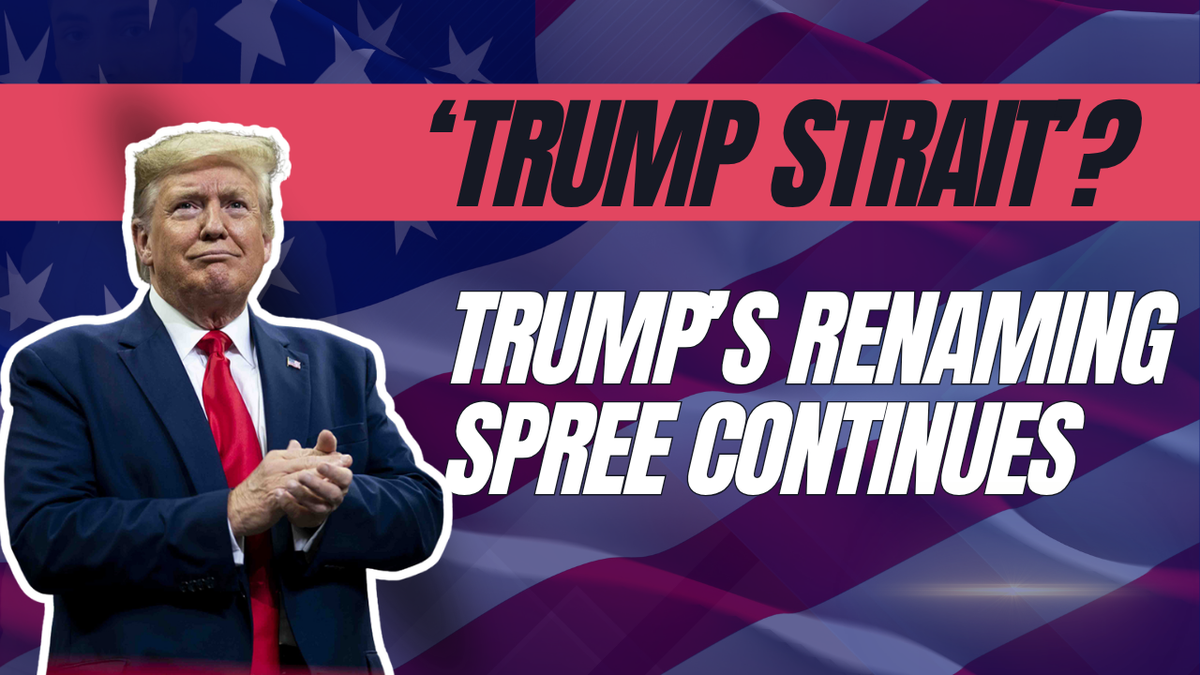
U.S. President Donald Trump suggested renaming the strategically vital Strait of Hormuz to 'Trump Strait', triggering debate over geopolitical nomenclature in contested maritime zones.
The statement was issued by U.S. President Donald Trump amid ongoing military conflict and high maritime security tensions involving Iran in the Persian Gulf region.
The Strait of Hormuz serves as the world's most vital oil transit chokepoint, handling roughly one-fifth of global petroleum consumption through its narrow navigation corridors.
Unilateral naming suggestions reflect broader political rhetoric surrounding international chokepoints, maritime law under UNCLOS, and freedom of navigation during active regional conflicts.
Relevant to UPSC GS Paper II (International Relations & Maritime Geopolitics) regarding energy security, strategic transit corridors, and international law governing global chokepoints.
Prelims Facts
Russia announced the closure of all Goethe-Institut cultural centers in Moscow, St. Petersburg, and Yekaterinburg in response to Germany shutting down Russian House offices.
Over 50,000 protesters gathered in Madrid demanding policy shifts after mass migrant crossings from Morocco into the Spanish North African exclave of Ceuta.
The Strait of Hormuz connects the Persian Gulf with the Gulf of Oman, handling approximately 20% of global petroleum transit.
Mains Framework
The simultaneous escalation of cultural retaliatory measures, exclave border management crises, and unilateral geopolitical claims over vital sea lanes reflects fragmented international security structures.
Dimensions
Soft Power and Cultural Diplomacy
Retaliatory closures of institutions like Goethe-Institut highlight how security disputes severely damage bilateral cultural channels.
Migration and Border Governance
Irregular migration into exclaves like Ceuta strains local infrastructure and triggers severe domestic political polarization.
Maritime Strategic Vulnerability
Unilateral naming suggestions or conflicts around the Strait of Hormuz threaten global supply chain stability and international maritime law.
Way forward
Strengthening multilateral norms under UNCLOS for maritime corridors and establishing cooperative regional agreements for migration management are necessary.
Key terms
Diplomatic SanctionsGoethe-InstitutCeuta Migrant CrisisStrait of HormuzMaritime ChokepointsExclave Governance
Acts & articles
UNCLOS 1982 (Right of Transit Passage)Vienna Convention on Consular Relations 1963Global Compact for Safe, Orderly and Regular Migration
07
GOVERNANCE & ENVIRONMENT
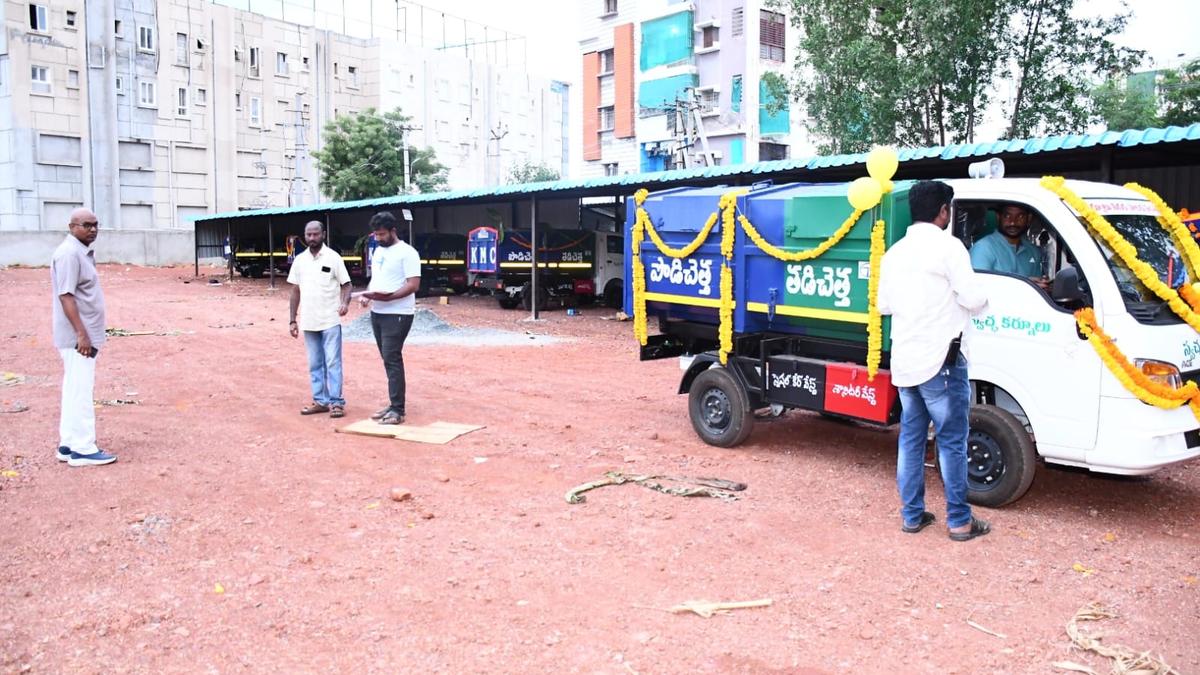
Kurnool Municipal Corporation Mandates 100% Door-To-Door Waste Collection via E-Autos
Kurnool Municipal Corporation initiated strict operational guidelines requiring newly deployed electric auto-rickshaws to achieve complete door-to-door solid waste collection across assigned wards.
Municipal Corporation Commissioner Challa Obulesu inspected e-auto parking facilities, transfer points, and charging stations, directly addressing newly recruited drivers and operational staff.
The state-sanctioned fleet of electric vehicles aims for 100 percent household garbage coverage while establishing dedicated municipal charging infrastructure and technical maintenance protocols.
The initiative combines green urban transport with municipal solid waste management, attempting to minimize citizen inconvenience and streamline urban sanitation workflows effectively.
Relevant for UPSC GS Paper II & III (Urban Governance & Environmental Management) highlighting sustainable municipal SWM strategies and electric mobility adoption in urban local bodies.
Prelims Facts
Kurnool Municipal Corporation (KMC) mandated 100% door-to-door garbage collection using newly launched government-sanctioned electric autos.
The initiative integrates urban sanitation workflows with electric charging station infrastructure and dedicated waste transfer points.
Solid waste management guidelines under national rules require 100% source segregation and collection by urban local bodies.
Mains Framework
The deployment of electric auto fleets for municipal waste collection in Kurnool demonstrates the integration of green mobility with urban sanitation objectives.
Dimensions
Operational Decentralization
Mandating 100% household coverage forces urban local bodies to structure clear ward-level responsibilities.
Decarbonizing Sanitation
Replacing fossil-fuel municipal vehicles with electric autos reduces urban air pollution and operational fleet emissions.
Infrastructure Readiness
Effective e-waste collection demands reliable charging infrastructure, maintenance protocols, and transfer point management.
Way forward
Scaling community source-segregation awareness alongside automated fleet maintenance systems will enhance urban solid waste management efficacy.
Key terms
Solid Waste ManagementElectric Autos (e-autos)Municipal GovernanceDoor-to-Door CollectionKurnool Municipal CorporationUrban Local Bodies (ULBs)
Acts & articles
Solid Waste Management Rules 2016Article 243W (74th Constitutional Amendment Act)Twelfth Schedule (Urban Local Body Functions)
08
ENVIRONMENT & INFRASTRUCTURE
River Contaminant Tracking Models and Environmental Resistance to Data Center Expansion
USGS Conducts Missouri River Dye Tracing Experiment for Chemical Spill Modeling
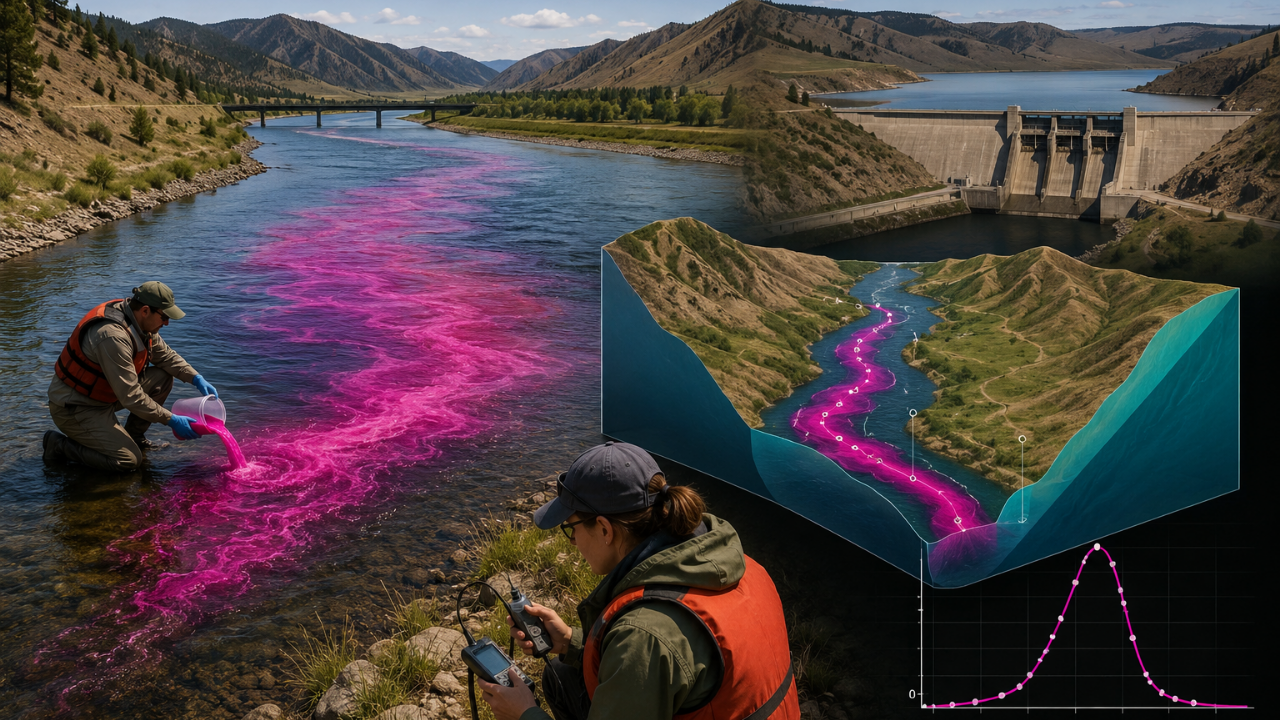
Hydrological researchers conducted a dye-tracing experiment on the Missouri River to accurately model contaminant transport speeds and residence times within river-reservoir systems.
Scientists from the U.S. Geological Survey and Montana Department of Environmental Quality tracked Rhodamine WT dye along a 41.2-mile stretch of the upper Missouri River.
The non-toxic tracer study monitored dye movement from Trident to Townsend, revealing an 8.2-hour retention time inside Toston Reservoir before continuing downstream.
Precise travel-time mapping allows emergency managers to predict chemical spill arrival times, plume concentrations, and downstream ecological impacts during real-world hazardous material releases.
Applicable to UPSC GS Paper III (Environmental Risk Assessment & Hydrology) demonstrating empirical modeling techniques for hazardous chemical spill response in major river systems.
Ohio Community Imposes Moratorium on Multi-Billion Dollar Data Center Project
A local municipality in Ohio imposed a one-year development moratorium on a proposed multi-billion dollar data center campus following intense community backlash over resource consumption.
Residents and municipal officials in Grove City, Ohio, engaged in a ballot fight over a proposed charter amendment targeting a planned $6.9 billion technology project.
The controversy centers on a planned 300-acre high-density computing campus designed to support rapidly expanding artificial intelligence and cloud-computing infrastructure requirements.
Local pushback reflects nationwide conflicts between economic development from AI infrastructure and community concerns over excessive land, water, and grid power consumption.
Relevant to UPSC GS Paper III (Infrastructure development & Environmental Impact Assessment) highlighting resource trade-offs and community resistance facing energy-intensive digital infrastructure projects.
Prelims Facts
A 41.2-mile USGS dye-tracing study using Rhodamine WT on the upper Missouri River revealed an 8.2-hour retention time in Toston Reservoir to model chemical spill timing.
Residents in Grove City, Ohio, forced a one-year development moratorium and ballot fight against a 300-acre, $6.9 billion AI data center project.
High-density computing data centers require massive continuous electrical power and millions of gallons of cooling water, raising local ecological concerns.
Mains Framework
Scientific tracer studies for hydrological contaminant modeling and community pushback against mega data centers illustrate the dual imperatives of environmental risk modeling and sustainable digital infrastructure.
Dimensions
Spill Disaster Preparedness
Empirical dye tracing accurately models contaminant plume speeds and reservoir holding times, essential for downstream municipal water safety.
Digital Infrastructure Footprint
Expanding AI and cloud computing demands unprecedented land, grid electricity, and water resources, provoking municipal resistance.
Regulatory Governance
Municipal moratoriums reflect a growing grassroots demand for comprehensive Environmental Impact Assessments before approving industrial infrastructure.
Way forward
Mandating green data center protocols powered by renewable energy alongside real-time river pollution monitoring networks will harmonize infrastructure growth with ecology.
Key terms
Hydrological ModelingRhodamine WT DyeChemical Spill PreparednessAI Data CentersResource ConsumptionDevelopment Moratorium
Acts & articles
Water (Prevention and Control of Pollution) Act 1974Environment Impact Assessment (EIA) Notification 2006
Practice MCQs — Test Your Understanding
6 questions · UPSC Prelims pattern · Tap an option to check your answer
SCIENCE & TECHNOLOGYNASA Prepares Launch of Nancy Grace Roman Space Telescope
NASA Prepares Launch of Nancy Grace Roman Space Telescope for Cosmology Studies
Q1With reference to the Nancy Grace Roman Space Telescope, consider the following statements:
1. It is a flagship space observatory designed primarily to investigate dark energy, dark matter, and exoplanets.
2. It is launched into orbit using a SpaceX Falcon Heavy rocket from Florida.
3. It is intended to completely replace and immediately decommission both the Hubble and James Webb Space Telescopes.
Which of the statements given above are correct?
Answer: Option A
Statements 1 and 2 are correct according to article details: Roman is a ~$4 billion observatory launched on a Falcon Heavy rocket to study dark energy, dark matter, and exoplanets. Statement 3 is incorrect because both Hubble and James Webb continue to operate alongside Roman.
POLITY & GOVERNANCETamil Nadu Assembly Resolution Advocates Tamil as Principal High Court Language
Tamil Nadu Assembly Adopts Resolution for Tamil in Madras High Court
Q2Which Article of the Indian Constitution empowers the Governor of a State, with the previous consent of the President of India, to authorize the use of the official language of the State in proceedings of the High Court?
Answer: Option C
Article 348(2) of the Constitution provides a specific legal mechanism under which the Governor of a State, with the previous consent of the President, can authorize the use of the official language of the State in High Court proceedings.
ENVIRONMENT & ECOLOGYExperimental Studies Highlight Vulnerability of Ecosystems to Climate and Chemical Stress
Synthetic Estrogen Exposure Causes Near Extinction of Minnow Population in Lake
Q3In ecological and environmental studies, chronic exposure to low nanogram-per-litre concentrations of synthetic estrogen (17α-ethynylestradiol or EE2) in freshwater lakes has been shown to cause:
Answer: Option B
The seven-year whole-lake experiment conducted at Lake 260 demonstrated that chronic exposure to 5–6 nanograms per litre of synthetic estrogen (EE2) disrupted reproduction in fathead minnows, bringing the population near extinction.
GOVERNANCE & SOCIAL JUSTICEWorld Bank Evaluates Multimillion-Dollar Sustainable Healthcare Financing for Telangana
World Bank Considers Funding for Telangana Healthcare Transformation Program
Q4With reference to sustainable healthcare reforms in India, consider the following statements:
1. Transitioning from fragmented disease-specific schemes to Primary Health Centre (PHC)-oriented models helps strengthen non-communicable disease (NCD) care.
2. World Bank financing for health programs directly replaces state government health spending entirely.
Which of the statements given above is/are correct?
Answer: Option A
Statement 1 is correct as the Telangana healthcare program leverages PHC systems to strengthen non-communicable disease care. Statement 2 is incorrect because the World Bank finances a portion ($477M) while the state government contributes the major share ($1,164M) of the total $1,641M budget.
INTERNATIONAL RELATIONSEscalating Diplomatic Tensions, Migration Crises, and Disputes Over Strategic Waterways
Proposal to Rename Strait of Hormuz Sparks Strategic Waterway Debates
Q5Consider the following statements regarding key international strategic geography:
1. The Strait of Hormuz connects the Persian Gulf with the Gulf of Oman.
2. Ceuta is an autonomous Spanish exclave located on the North African coast bordering Morocco.
Which of the statements given above is/are correct?
Answer: Option C
Both statements are geographically accurate facts verified in international geography and current articles. Ceuta is a Spanish exclave on the North African coast bordering Morocco, and the Strait of Hormuz connects the Persian Gulf with the Gulf of Oman.
ENVIRONMENT & INFRASTRUCTURERiver Contaminant Tracking Models and Environmental Resistance to Data Center Expansion
USGS Conducts Missouri River Dye Tracing Experiment for Chemical Spill Modeling
Q6In hydrological emergency preparedness studies, non-toxic tracer dyes like Rhodamine WT are primarily utilized by scientists to:
Answer: Option B
In the USGS study on the Missouri River, Rhodamine WT dye was released to track water movement across 41.2 miles and measure reservoir retention times (8.2 hours), helping emergency managers accurately predict chemical spill timing and dispersion downstream.