Nepal flash floods death toll reaches 1127 as climate impacts worsen
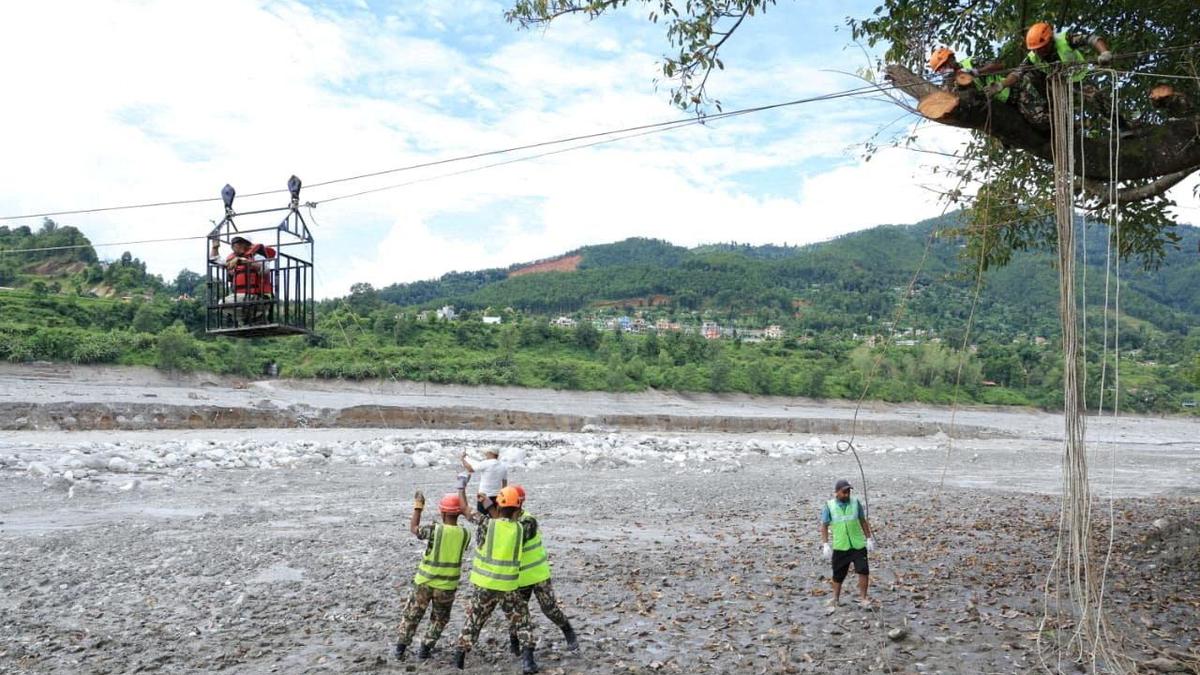
Devastating flash floods and mudslides across Nepal left 1,127 people dead and over 4,800 reported missing as search operations continued across affected mountain valleys.
Nepal Police and security forces successfully rescued 6,541 individuals from inundated zones along the Trishuli and Bhotekoshi rivers following relentless torrential rainfall.
Prime Minister Balendra Shah declared that catastrophic flooding entering Rasuwa district from Tibet via Bhotekoshi River was directly driven by global climate change dynamics.
The Nepalese government emphasized that disaster response is a shared global responsibility because mountain nations suffer severely from atmospheric shifts caused by global emissions.
The disaster highlights the urgent necessity for robust South Asian transboundary disaster management frameworks and real-time hydrological data-sharing protocols across Himalayan nations.
Wayanad monsoon deficit hits 37 percent due to lingering El Nino
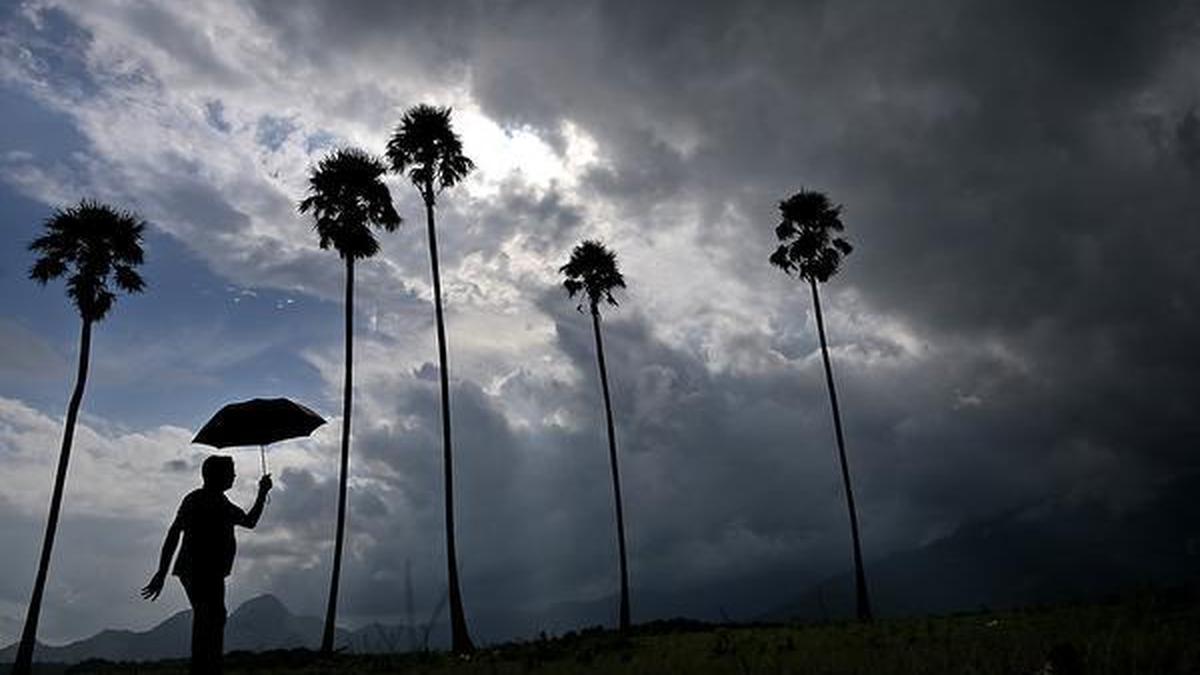
Wayanad district in Kerala faced a acute monsoon deficit as total seasonal rainfall reached only 1,391 mm compared to its normal benchmark of 2,200 mm.
Data analyzed by the Hume Centre for Ecology and Wildlife Biology confirmed a 37% rainfall deficit across the Western Ghats district between June and August.
India Meteorological Department reports attribute this severe precipitation shortfall to global climate change trends and lingering atmospheric disruptions caused by the El Niño phenomenon.
Although rainfall marginally improved in August compared to dry spells in June and July, it failed to offset the cumulative seasonal moisture deficit in the region.
The ecological crisis underscores the increasing vulnerability of Western Ghats plantations, agro-forestry, and groundwater reservoirs to volatile tropical climate variability patterns.
Prelims Facts
The Bhotekoshi River originates in Tibet and flows into Nepal, serving as a critical transboundary tributary of the Sunkoshi River system.
Wayanad district in Kerala experienced a 37% Southwest Monsoon rainfall deficit between June 1 and August 31, 2026, receiving only 1,391 mm against the average 2,200 mm.
El Niño conditions significantly weaken monsoon rainfall across the Western Ghats by altering atmospheric circulation patterns across the Indo-Pacific region.
Mains Framework
The Himalayan and Western Ghats ecosystems are increasingly vulnerable to compound extreme weather events driven by anthropogenic climate change and global ocean-atmosphere oscillations like El Niño.
Dimensions
Transboundary Hydrological Risks
High-altitude flash floods originating across international borders severely damage downstream infrastructure and cause heavy loss of life.
Monsoon Anomaly Impacts
Severe seasonal rainfall deficits in biodiversity hotspots impair agricultural cycles, disrupt local hydrology, and heighten drought vulnerabilities.
Global Climate Equity
Developing and mountainous nations suffer disproportionate losses despite contributing minimally to historical global greenhouse gas emissions.
Way forward
Establish real-time transboundary flood early warning systems, integrate climate resilience into regional urban planning, and strengthen global climate loss and damage funding mechanisms.
Key terms
Glacial Lake Outburst FloodsTransboundary RiversClimate AdaptationSouthwest Monsoon DeficitEl Niño Phenomenon
Acts & articles
Disaster Management Act, 2005UNFCCC Paris Agreement (Article 8 on Loss and Damage)National Action Plan on Climate Change (NAPCC)
02
GS PAPER 3 - INDIAN ECONOMY & AGRICULTURE
Essential Commodities Price Dynamics and Agricultural Land Governance
Onion retail prices surge by 74 percent across major Indian cities
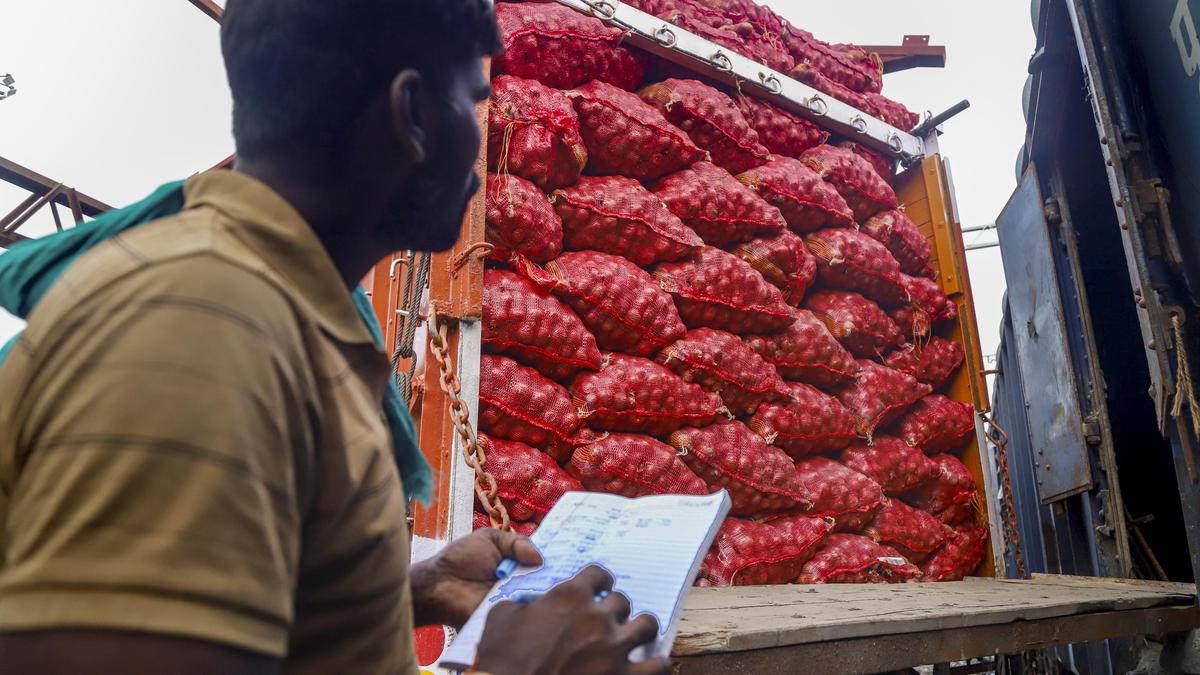
The nationwide average retail price of onions reached ₹49.59 per kilogram, registering a steep 74% surge compared to ₹28.48 per kg recorded in September 2025.
Retail prices in major metro hubs including Kolkata and Chennai climbed to ₹60 per kg, while northern retail markets recorded prices exceeding ₹70 per kg.
Union government agencies initiated emergency stock releases and deployed dedicated Kanda Express goods trains from Nashik to supply affordable onions to northern urban centers.
The abrupt price escalation followed recent surges in sugar prices, raising official concerns regarding sympathetic market pricing and temporary seasonal supply deficiencies.
The situation highlights the persistent challenge of price volatility in perishable horticultural produce, necessitating expanded storage infrastructure and market monitoring.
California land audit uncovers unauthorized development on tax-exempt ranch
A 2,700-acre California property benefited from property tax reductions under an agricultural land preservation program intended primarily for maintaining open space and cattle grazing.
County government audits revealed that extensive unapproved commercial facilities, including a private zoo and amusement rides, were constructed without required zoning permits.
Municipal regulators determined that non-agricultural structures built over a decade violated covenant terms, resulting in the removal of 70 acres from tax-preferred status.
The enforcement action highlights the administrative challenge of verifying ongoing compliance when private property owners enroll large parcels into tax-incentivized conservation schemes.
The case offers comparative policy lessons for land governance, balancing tax incentives for ecological or agricultural conservation against regulatory compliance and public revenue integrity.
Prelims Facts
The Price Stabilization Fund (PSF) in India is utilized to maintain strategic buffers of pulses and key horticultural crops like onions and potatoes.
Under the Essential Commodities Act, 1955, the central government can regulate the production, supply, and distribution of designated commodities to curb inflation.
Land preservation programs grant property tax concessions to agricultural landowners in exchange for binding legal commitments to prevent non-agricultural commercial developments.
US urges hands-off approach to AI regulation at G20 technology meeting
The United States advocated for a hands-off regulatory approach toward artificial intelligence during a major G20 technology ministers meeting hosted in North Carolina.
U.S. technology adviser Michael Kratsios presented the Carolina Principles, urging participating nations to forgo restrictive new laws and focus strictly on novel security risks.
Industry leaders from Google DeepMind, Meta, and SpaceX addressed delegates via video link, advocating for global regulatory flexibility to sustain rapid technological progress.
American representatives argued that heavy compliance burdens could severely impede model releases and disadvantage domestic AI developers in global technology competition.
The policy stance underscores a deepening global debate between innovation-first regulatory models and stringent governance systems adopted by international jurisdictions like the EU.
Hong Kong activist Joshua Wong pleads guilty to foreign collusion charges
Pro-democracy activist Joshua Wong pleaded guilty in a Hong Kong court to charges of conspiring to collude with foreign entities under the National Security Law.
Prosecutors alleged that Wong conspired with exiled figures between July and November 2020 to solicit foreign sanctions and political blockades against Hong Kong and Beijing.
The offense carries a potential maximum penalty of life imprisonment under the security legislation enacted by Beijing in mid-2020 to penalize political dissent.
Foreign diplomats attended the high-profile court hearing, reflecting international human rights scrutiny over the legal standards applied to civil society leaders.
The judicial proceedings demonstrate the stringent enforcement of extraterritorial security laws and their transformative impact on regional political rights and global diplomatic relations.
Prelims Facts
The Carolina Principles advocate applying existing legal frameworks to artificial intelligence applications rather than enacting broad preemptive regulatory bans.
G20 technology forums facilitate policy consensus among member nations regarding global cross-border data flows, digital public infrastructure, and AI ethics.
Hong Kong's National Security Law, promulgated in June 2020, penalizes acts of secession, subversion, terrorism, and collusion with foreign forces.
Mains Framework
The rapid advancement of artificial intelligence and digital connectivity has created profound friction between light-touch market regulation and state-centric security enforcement globally.
Dimensions
Technological Innovation vs Regulation
Major tech exporter nations favor flexible, self-regulatory frameworks to avoid stifling proprietary algorithmic developments.
Sovereignty & Foreign Collusion
Emerging national security statutes increasingly target cross-border political advocacy and international institutional associations.
Global Standards Fragmentation
Divergent regulation between Western tech hubs, European precautionary mandates, and state security regimes complicates global tech governance.
Way forward
Establish interoperable global AI ethics baselines through multilateral bodies while ensuring national security laws adhere to international human rights norms.
Key terms
Carolina PrinciplesAI Regulation GovernanceNational Security LawExtraterritorial JurisdictionG20 Digital Economy
Acts & articles
Information Technology Act, 2000 (India)Hong Kong National Security Law, 2020EU Artificial Intelligence Act
04
GS PAPER 3 - ENVIRONMENT & ECOLOGY
Ecological Restoration, Invasive Species Control, and Soil Hydrology
Invasive rat eradication triggers native seedling boom on Palmyra Atoll
Conservation teams successfully eradicated an estimated 30,000 invasive rats from Palmyra Atoll in the central Pacific Ocean during a targeted ecological campaign.
Five years post-eradication, ecological monitoring revealed native tree seedlings surged from fewer than 150 across the atoll to more than 7,700 thriving specimens.
Researchers from UC Santa Cruz and the U.S. Fish and Wildlife Service confirmed that removing rodent seed predators unlocked immediate ecosystem regeneration.
The restoration effort enabled native plant species to re-establish canopy dominant cover that had been severely suppressed for over a century by invasive rodents.
The outcome provides a definitive empirical benchmark for island restoration strategies, demonstrating how single-species eradication can rehabilitate degraded tropical habitats.
Eucalyptus plantation fails to curb soil salinity in Australian hydrological study
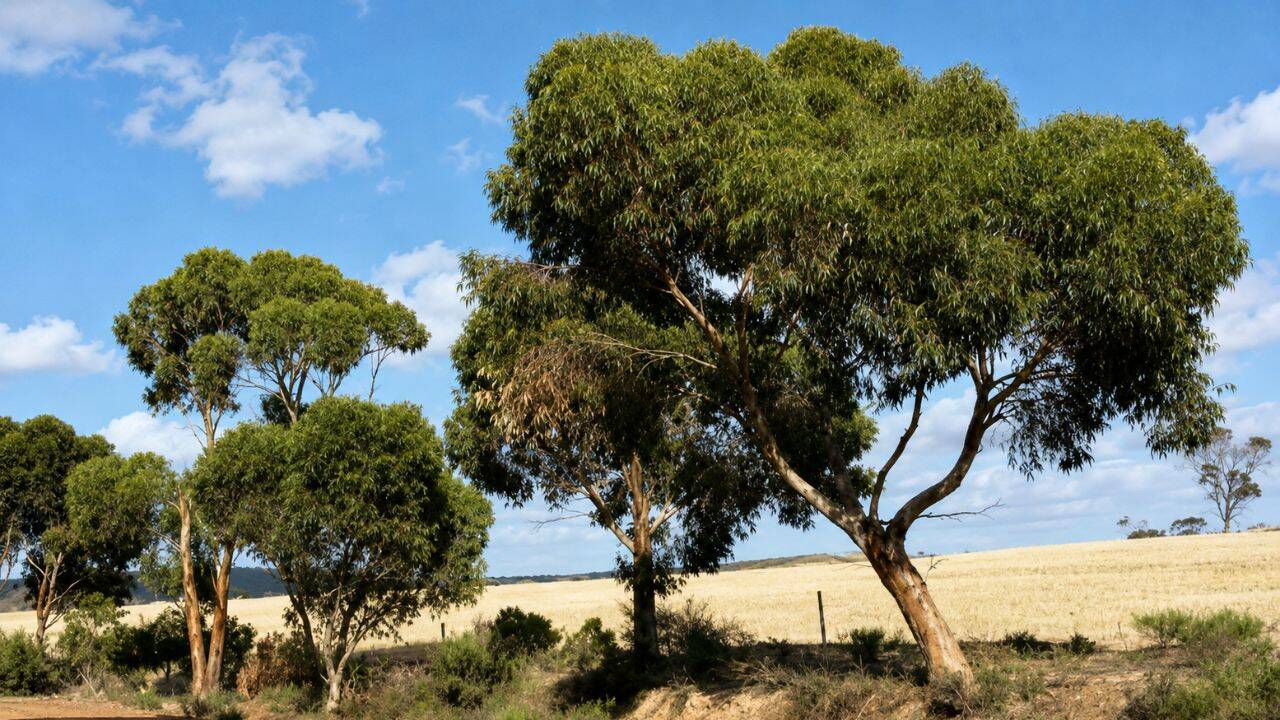
A 15-year scientific experiment in south-western Australia evaluated whether planting deep-rooted eucalyptus trees could effectively control rising soil salinity.
Researchers monitored a mixed Eucalyptus cladocalyx plantation established over a saline seep to track groundwater movements and salt redistribution patterns.
The study published in Agricultural Water Management found that while trees consumed significant groundwater, they failed to permanently halt the underlying saline seep.
Findings proved that sub-surface geological structures prevented deep salt flushing, demonstrating that tree water consumption alone cannot override complex soil geochemistry.
The scientific trial offers critical lessons for eco-restoration projects globally, warning against relying solely on afforestation to solve deep-rooted hydro-geological soil degradation.
Prelims Facts
Palmyra Atoll is a unorganized, unincorporated U.S. territory in the central Pacific Ocean managed as a National Wildlife Refuge.
Complete removal of invasive rodents from isolated island ecosystems often yields exponential natural regeneration of native canopy tree species.
Eucalyptus species are characterized by deep taproot systems and high transpiration rates, which can lower local water tables without necessarily changing deep geological salt seeps.
Mains Framework
Restoring degraded terrestrial and oceanic ecosystems requires targeted biological interventions alongside an empirical understanding of local hydro-geological constraints.
Dimensions
Invasive Species Elimination
Eradicating non-native predators releases seed banks from suppression, allowing rapid natural regeneration of native forest floras.
Hydrological & Geological Limits
Afforestation with water-intensive tree species alters shallow water tables but may fail to neutralize deep-seated geological soil salinity.
Biodiversity Conservation Synergies
Island ecosystem recovery enhances nesting grounds for pelagic seabirds and stabilizes vulnerable coastal coral reef buffer zones.
Way forward
Combine targeted invasive species eradication with comprehensive hydro-geological mapping prior to executing large-scale ecological engineering projects.
UN Convention on Biological Diversity (Kunming-Montreal Global Biodiversity Framework)Biological Diversity Act, 2002 (India)UN Decade on Ecosystem Restoration (2021-2030)
05
GS PAPER 3 - SCIENCE & TECHNOLOGY / ENVIRONMENT
Plant Pathology, Biodiversity Conservation, and Pathogen Dynamics
Scientists infect 6000 young elms to select Dutch elm disease resistance
Scientists deliberately infected 6,000 young American elm trees with Dutch elm disease in a large-scale selective breeding experiment to find disease-resistant strains.
Dutch elm disease, spread by invasive bark beetles, destroyed an estimated 100 million American elms across North America over the past six decades.
The experimental survival-of-the-fittest trial aims to identify rare individual trees capable of enduring the lethal fungal pathogen without wilting.
Restoring resilient American elms is considered crucial for urban forestry planning due to the species' exceptional urban heat tolerance and high pollution absorption capacity.
The project highlights innovative forestry management strategies where controlled pathogen exposure is utilized to restore functionally extinct native tree species.
Parasitic zombie fungus uses soft water cannon to spread spores
Biologists discovered that the parasitic fungus Entomophthora muscae uses high-pressure fluid bursts to forcefully launch infectious spores from dead fly hosts.
High-speed videography published in the Journal of The Royal Society revealed that pressure builds inside microscopic fungal stalks until a weak point ruptures.
The specialized liquid cannon propels single spores through the stagnant layer of air surrounding the host corpse into active surrounding air currents.
Researchers noted that spore size is finely calibrated by evolutionary selection to maximize movement through boundary layer air toward healthy houseflies.
Understanding such precise biological propulsion systems offers key scientific insights for bio-control applications targeting agricultural insect pests.
Prelims Facts
Dutch elm disease is caused by micro-fungi transmitted primarily by native and introduced elm bark beetles.
Entomophthora muscae is a specialized pathogenic fungus that infects houseflies and utilizes internal hydraulic pressure to eject infectious spores.
Mass-inoculation trials in plant pathology accelerate natural selection by exposing large sapling cohorts to lethal pathogens to identify disease-resistant phenotypes.
Mains Framework
Forest biodiversity faces catastrophic threats from invasive fungal pathogens, requiring advanced epidemiological research and active genetic selection to build ecological resilience.
Dimensions
Epidemiological Devastation
Fungal diseases like Dutch elm disease can eliminate entire urban tree canopies, altering microclimates and urban heat dynamics.
Genetic Selection Interventions
Deliberately challenging large sapling populations with controlled infections accelerates identification of naturally immune genetic lines.
Biomechanical Adaptations
Parasitic organisms utilize sophisticated physical structures, such as hydraulic spore cannons, to maximize host infection success rates.
Way forward
Invest in forest genetic conservation banks, integrate bio-mechanical pathogen research into plant protection schemes, and expand climate-adapted forestry breeding programs.
Key terms
Dutch Elm DiseasePathogen ResistanceEntomophthora muscaeSpore Dispersal KineticsSelective Breeding
Acts & articles
Destructive Insects and Pests Act, 1914 (India)National Forest Policy, 1988UN Agenda 2030 (Goal 15: Life on Land)
06
GS PAPER 3 - ENVIRONMENT & ECOLOGY / GS PAPER 2 - SOCIAL JUSTICE
Human-Wildlife Conflict, Infrastructure Safety, and Indigenous Conservation
Wild elephant electrocuted in Chittoor district triggering official inquiry
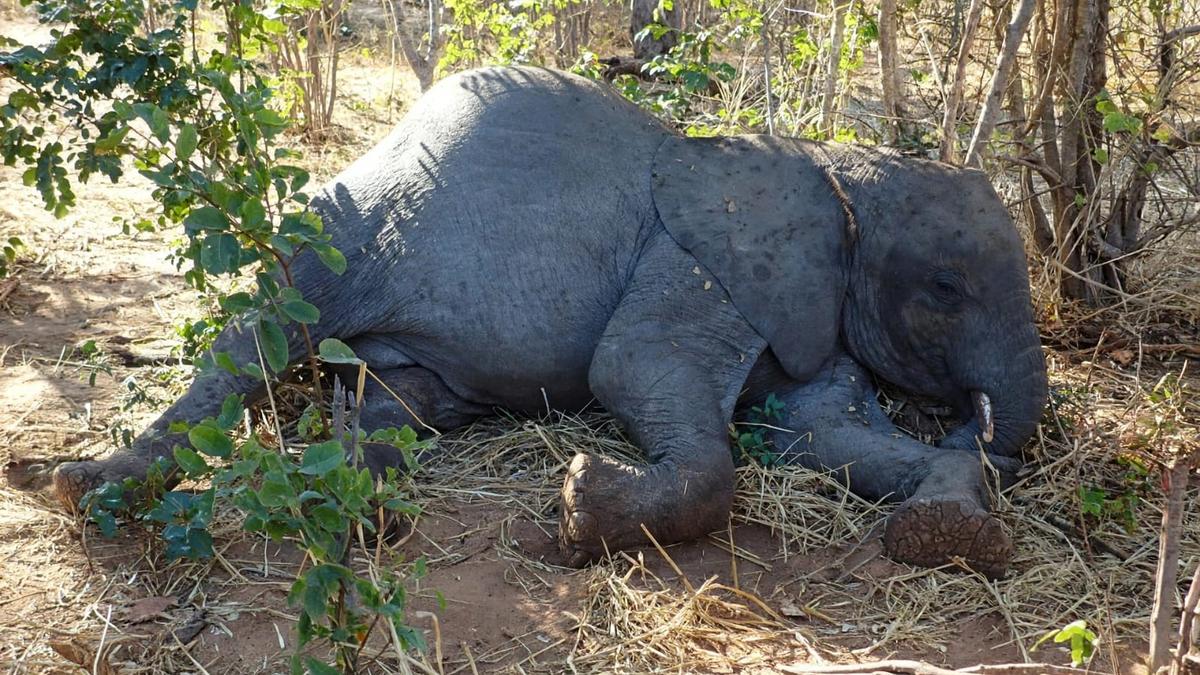
A wild male elephant was electrocuted after contacting live electrical wires connected to a ground-level farm well pump near Mangalampeta forest beat in Chittoor district.
Andhra Pradesh Deputy Chief Minister Pawan Kalyan ordered an immediate inquiry and directed power distribution authorities to elevate power lines across wildlife areas.
District Forest Officer G. Subburaj confirmed the victim was part of a 13-elephant herd roaming the Chittoor-Piler corridor bordering agricultural mango orchards.
The incident brought the recorded toll of wild elephants killed by electrocution and illegal snares in the region to nearly 25 since 2014.
The mortality highlights critical safety gaps along forest-farm fringes and underscores the need for strict enforcement of CEA electrical safety guidelines.
Andhra Pradesh Deputy CM stresses indigenous traditional knowledge in forest conservation
On International Day of the World's Indigenous Peoples, Andhra Pradesh leadership recognized tribal communities as primary guardians of natural ecosystems and forest heritage.
The state highlighted this year's theme, 'Honouring Indigenous Midwives: Safeguarding Life and Well-being,' commending traditional health knowledge passed down through generations.
Government welfare initiatives such as 'Adavi Thalli Baata' were cited as key measures improving road connectivity and healthcare access in remote forest habitations.
Official statements emphasized that mutual protection between forests and tribal habitations forms the foundational core of sustainable biodiversity conservation.
The policy stance aligns with rights-based forest governance, emphasizing that empowering indigenous populations leads to better ecological stewardship and socio-economic inclusion.
Prelims Facts
Elephants are listed under Schedule I of the Wildlife Protection Act, 1972, granting them the highest level of legal protection in India.
Central Electricity Authority (CEA) guidelines prescribe minimum ground clearance heights for high-tension and low-tension distribution lines passing through wildlife corridors.
International Day of the World's Indigenous Peoples is observed annually on August 9 to highlight indigenous rights and traditional knowledge preservation.
Mains Framework
Unplanned linear infrastructure expansion into wildlife habitats exacerbates fatal human-wildlife conflicts, requiring integrated mitigation and community-led conservation frameworks.
Dimensions
Infrastructure Mitigation
Uninsulated ground-level electrical connections and sagging overhead power lines present acute, fatal risks to migrating elephant herds.
Indigenous Guardianship
Tribal communities possess invaluable traditional ecological knowledge crucial for forest maintenance, maternal health, and biodiversity protection.
Inter-Agency Coordination
Forest and power distribution departments frequently lack real-time coordination needed to maintain safe infrastructure height standards.
Way forward
Mandate aerial insulation for power lines in designated wildlife corridors, install automated circuit breakers, and formally integrate tribal councils into forest management.
Key terms
Human-Wildlife ConflictElectrocution HazardsLinear InfrastructureIndigenous Traditional KnowledgeInternational Day of Indigenous Peoples
Acts & articles
Wildlife Protection Act, 1972Forest Rights Act (FRA), 2006Article 48A of the Constitution of India
07
GS PAPER 2 - INTERNATIONAL RELATIONS / TRADE
Geoeconomics, Trade Battles, and Global Political Stability
Canada rejects aggressive US trade terms as bilateral negotiations stall
Canadian Prime Minister Mark Carney criticized aggressive U.S. rhetoric, urging Washington to stop public barbs and engage seriously following stalled trade negotiations.
Carney stated that proposed U.S. trade terms would effectively turn Canadian domestic industries into subsidiaries of American firms or force their complete shutdown.
Bilateral trade talks between Washington and Ottawa collapsed in August 2026 after both nations clashed over tariff structures and cross-border commercial protections.
Carney reaffirmed that Canada would not accept terms threatening domestic industrial survival but remained open to resuming talks if the U.S. demonstrated serious intent.
The diplomatic row highlights intensifying geoeconomic friction between historically integrated trading partners amidst rising continental economic protectionism.
US Vice President highlights political stability risks from political violence
U.S. Vice President JD Vance stated in a interview that the nation narrowly avoided severe political strife following the 2024 assassination attempt on Donald Trump.
Vance reflected on the July 13, 2024, Butler, Pennsylvania shooting where a sniper killed gunman Thomas Matthew Crooks after a bullet grazed Trump's ear.
The Vice President noted that a successful assassination would have compromised the perceived legitimacy of the U.S. political system and triggered deep conspiracy theories.
He emphasized that extreme political polarization severely threatens institutional trust, democratic stability, and peaceful political transitions across democratic societies.
The statement underlines global concerns regarding how political violence and systemic distrust undermine domestic governance stability in major world powers.
Prelims Facts
Bilateral trade disputes often center on domestic content requirements, industrial subsidies, and cross-border tariff impositions.
Mark Carney serves as Prime Minister of Canada, leading trade negotiations amidst rising economic tensions with the United States.
Political stability and institutional legitimacy in constitutional democracies rely on smooth political transitions and non-violent electoral processes.
Mains Framework
Escalating trade friction between major economic partners alongside domestic political polarization creates profound uncertainty in global trade and political stability.
Dimensions
Economic Protectionism
Demands for aggressive trade terms risk reducing partner industries to economic subsidiaries, prompting counter-tariff measures.
Supply Chain Disruption
Unilateral trade barriers disrupt deeply integrated North American industrial manufacturing chains and agricultural supply lines.
Democratic Institutional Vulnerability
Political violence and assassination attempts threaten the perceived legitimacy of constitutional democratic systems.
Way forward
Resume structured multilateral trade negotiations based on mutual economic respect while reinforcing democratic security and institutional resilience.
MCQ format in Humanities higher education faces critique over analytical skill assessment
University professors raised serious concerns over the dominant use of MCQ formats for screening candidates in postgraduate and doctoral Humanities entrance examinations.
Academic analysis of CUET-UG, CUET-PG, and UGC-NET test papers revealed an over-reliance on questions testing memory recall, factual connectivity, and quote recognition.
Scholars noted that while MCQs efficiently test isolated facts, they fundamentally fail to evaluate critical thinking, historiographical analysis, and complex argumentation.
The evaluation format risks discouraging deep analytical reading habits among undergraduate students, steering coaching methods toward rote memorization of factual trivialities.
The debate highlights the imperative under NEP 2020 to redesign national competitive testing frameworks to assess higher-order conceptual and interpretive competencies.
California moves 125 million dollar climate bond for waterfront park creation
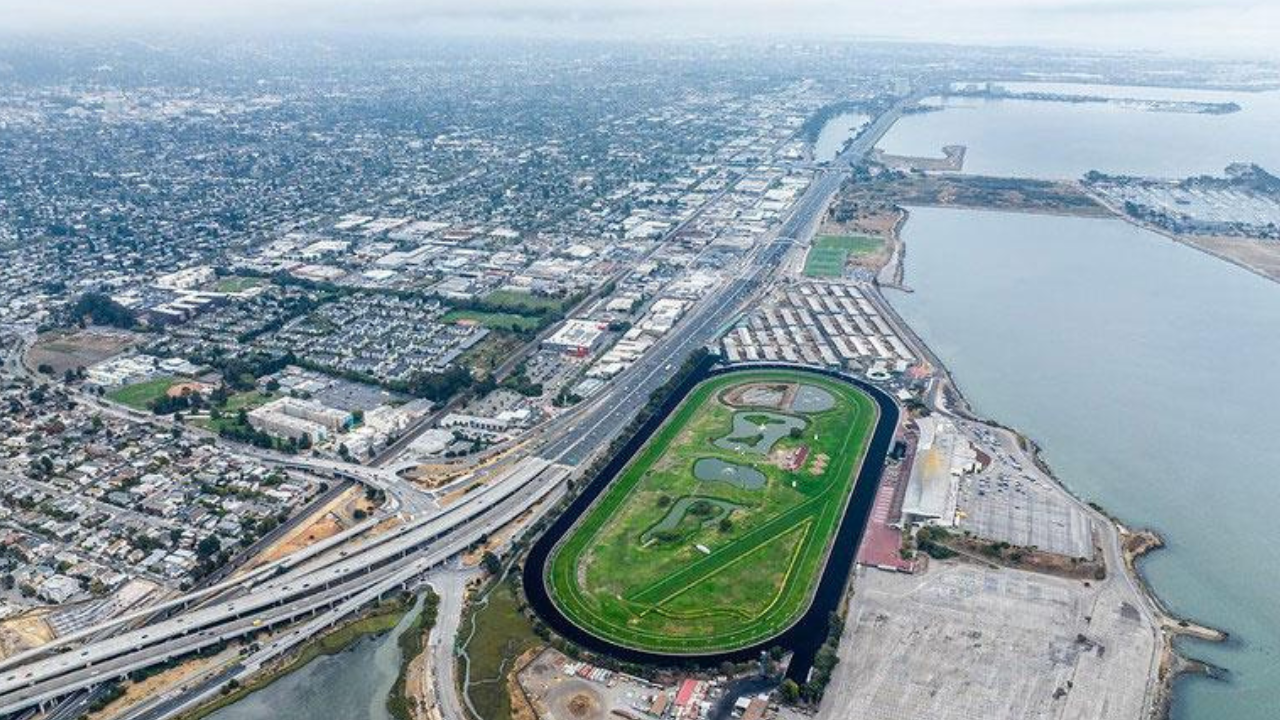
California lawmakers advanced $125 million in state funding to purchase the former 162-acre Golden Gate Fields racetrack to create a major public waterfront park.
The proposed state contribution is funded through Proposition 4, a climate bond approved by voters in 2024 to finance environmental adaptation and urban open space.
The East Bay Regional Park District is managing the $175 million acquisition, seeking additional local funding to close the remaining $30 million financing gap.
Transforming the private industrial racetrack into a public park permanently protects urban shoreline habitat and expands public access along the San Francisco Bay.
The land conversion project serves as an innovative blueprint for utilizing climate resilience bonds to fund public urban infrastructure and ecological land reclamation.
Prelims Facts
Common University Entrance Test (CUET) and UGC-NET utilize Multiple Choice Questions (MCQs) for standardized national higher education admissions.
Municipal climate bonds, such as California's Proposition 4, leverage public debt to finance urban waterfront climate resilience and green infrastructure.
Shift from factual recall to analytical assessment is a core objective specified in National Education Policy (NEP) 2020.
Mains Framework
Reforming educational evaluation tools to measure analytical depth and repurposing disused urban infrastructure into public green spaces are key pillars of modern governance.
Dimensions
Assessment System Reform
MCQ formats in Master's and Ph.D. entrance tests favor factual memorization over critical analysis and interpretive writing capabilities.
Urban Infrastructure Redevelopment
Reclaiming decommissioned commercial sites for public parks enhances urban biodiversity, carbon sequestration, and coastal flood resilience.
Fiscal Mechanisms for Parks
Utilizing voter-approved climate bonds enables sub-national governments to bridge major funding gaps for large-scale land acquisitions.
Way forward
Introduce hybrid examination formats blending standardized screening with essay-based analytical testing, and leverage green bonds for urban land reclamation.
Key terms
Pedagogical EvaluationHigher Education ReformsClimate BondsUrban Green SpacePublic-Private Land Restoration
Acts & articles
University Grants Commission (UGC) Act, 1956National Education Policy (NEP) 2020Article 21A of the Constitution of India
Practice MCQs — Test Your Understanding
6 questions · UPSC Prelims pattern · Tap an option to check your answer
GS PAPER 3 - DISASTER MANAGEMENTTransboundary Climate Vulnerability and Flash Flood Disasters in the Himalayas
Nepal flash floods death toll reaches 1127 as climate impacts worsen
Q1Regarding transboundary river dynamics and disaster vulnerability in the Himalayan region, consider the following statements:
1. The Bhotekoshi River is a transboundary tributary originating in Tibet before entering Nepal.
2. Atmospheric shifts caused by global climate change can intensify flash flooding across Himalayan river basins regardless of political borders.
3. Flash floods in high-altitude Himalayan catchments are strictly limited to local cloudburst events and are unaffected by international river flows.
Which of the statements given above are correct?
Answer: Option A
Statements 1 and 2 are correct. The Bhotekoshi River originates in Tibet and flows into Nepal, causing transboundary flooding that Nepal's Prime Minister attributed to broader climate change dynamics. Statement 3 is incorrect because major Himalayan flash floods can be triggered across borders by upstream melting, glacial lake outbursts, or international river surges, not just localized cloudbursts.
GS PAPER 3 - ENVIRONMENT & ECOLOGYEcological Restoration, Invasive Species Control, and Soil Hydrology
Eucalyptus plantation fails to curb soil salinity in Australian hydrological study
Q2A long-term hydrological experiment conducted in south-western Australia regarding Eucalyptus plantations and soil salinity revealed which of the following findings?
Answer: Option B
A 15-year study published in Agricultural Water Management showed that while eucalyptus plantations consumed significant water and altered groundwater levels, underlying hydro-geological conditions prevented the trees from stopping the saline seep.
GS PAPER 3 - SCIENCE & TECHNOLOGYPlant Pathology, Biodiversity Conservation, and Pathogen Dynamics
Parasitic zombie fungus uses soft water cannon to spread spores
Q3With reference to the parasitic fungus Entomophthora muscae, consider the following statements:
1. It infects houseflies and utilizes hydraulic pressure to launch infectious spores.
2. Spores are forcefully propelled through the stagnant air boundary layer surrounding dead host insects.
3. The fungus is a bacterial pathogen that mutates the genetic code of mammalian hosts.
Which of the statements given above is/are correct?
Answer: Option B
Statements 1 and 2 are correct. Entomophthora muscae is a specialized parasitic fungus that builds up fluid pressure inside its stalk to propel spores through the air boundary layer of dead houseflies. Statement 3 is incorrect because it is a fungal pathogen targeting insects (houseflies), not a bacterial pathogen affecting mammals.
GS PAPER 3 - INDIAN ECONOMYEssential Commodities Price Dynamics and Agricultural Land Governance
Onion retail prices surge by 74 percent across major Indian cities
Q4In the context of agricultural price stabilization in India, which of the following tools is directly deployed by the government to mitigate extreme retail price spikes in essential horticultural commodities like onions?
Answer: Option A
The central government utilizes the Price Stabilization Fund (PSF) to maintain strategic buffer stocks of essential horticultural produce like onions and pulses, releasing them into retail markets or via special transport (e.g., dedicated goods trains) to curb price surges.
GS PAPER 3 - ENVIRONMENT & ECOLOGYHuman-Wildlife Conflict, Infrastructure Safety, and Indigenous Conservation
Wild elephant electrocuted in Chittoor district triggering official inquiry
Q5With reference to elephant conservation and infrastructure safety in India, consider the following statements:
1. Asian Elephants are designated under Schedule I of the Wildlife Protection Act, 1972.
2. Ground-level electrical connections for agricultural pumps present electrocution risks to wild elephant herds in forest-edge corridors.
3. Central Electricity Authority guidelines forbid placing electrical power lines near designated forest areas under all circumstances.
Which of the statements given above are correct?
Answer: Option A
Statements 1 and 2 are correct. Elephants receive highest protection under Schedule I of WPA 1972, and uninsulated ground-level wires near agricultural pumps cause frequent electrocutions in corridors like Chittoor. Statement 3 is incorrect; CEA guidelines do not forbid power lines in forest areas but prescribe strict minimum ground clearances and insulation safety standards.
GS PAPER 3 - URBAN INFRASTRUCTUREPedagogical Standards and Urban Infrastructure Policy
California moves 125 million dollar climate bond for waterfront park creation
Q6How can municipal or state governments effectively finance the conversion of disused urban industrial sites into public green climate resilience parks without overwhelming annual operating budgets?
Answer: Option A
As demonstrated by California's Proposition 4 climate bond allocating $125 million to acquire the former Golden Gate Fields racetrack for a public waterfront park, dedicated public climate bonds offer long-term capital financing for major urban ecological adaptation projects.