Daily Current Affairs — 4 September 2026

Fri · 8 topics · 17 stories · 6 Prelims MCQs

01
GS PAPER 2 - INTERNATIONAL RELATIONS

West Asia Escalation and Maritime Security in the Strait of Hormuz

Story 1The Hindu ↗

US Rules Out Iran Talks Pending End to Maritime Attacks

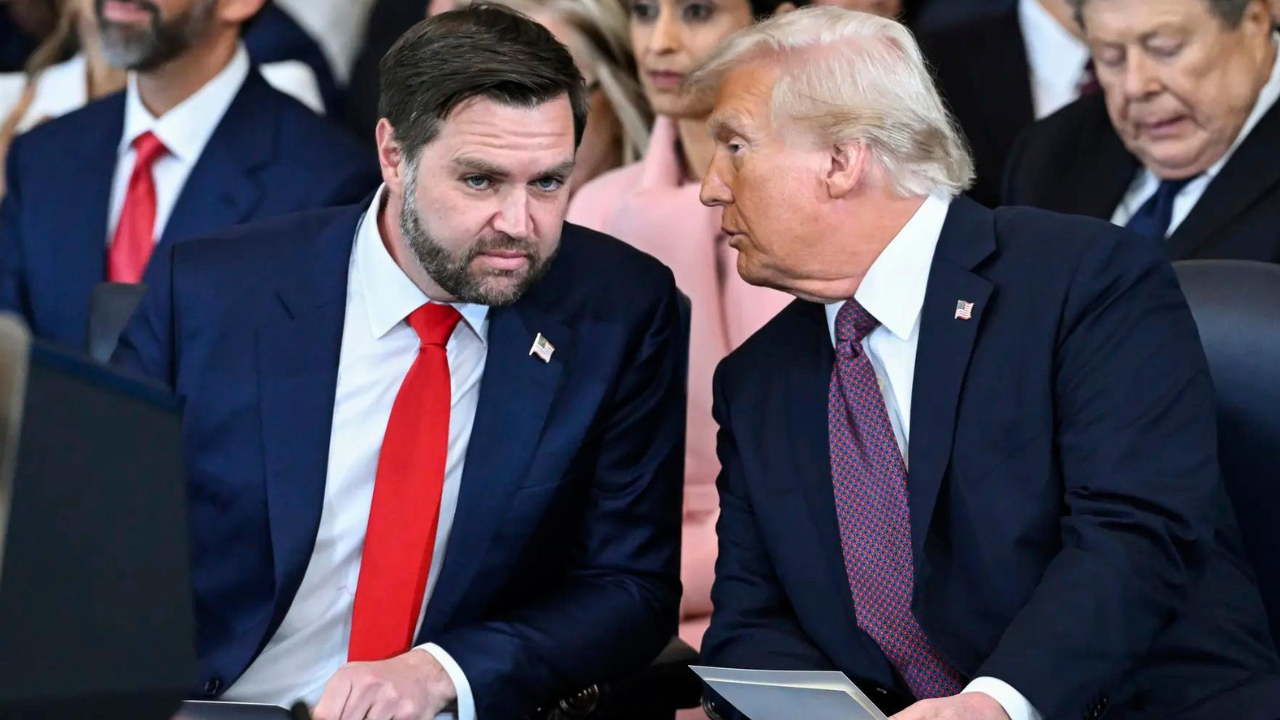
  • US Vice President JD Vance announced Washington will not engage in diplomatic negotiations with Iran until Tehran halts all strikes against commercial shipping.
  • The policy declaration directly addresses ongoing military tensions and security risks surrounding commercial vessel transit near the strategic Strait of Hormuz chokepoint.
  • The administration cited critical concerns regarding global energy supply stability, international trade corridors, and escalating regional confrontation in the Middle East region.
  • Washington stated that diplomatic engagement remains conditioned upon immediate cessation of maritime hostility to ensure unhindered transit across international waters.
  • For UPSC aspirants, this highlights critical dimensions of maritime security governance, energy chokepoints, and conditional international diplomacy under GS Paper 2 IR topics.
Story 2Times of India ↗

Tehran Mocks US Operations in Strait of Hormuz

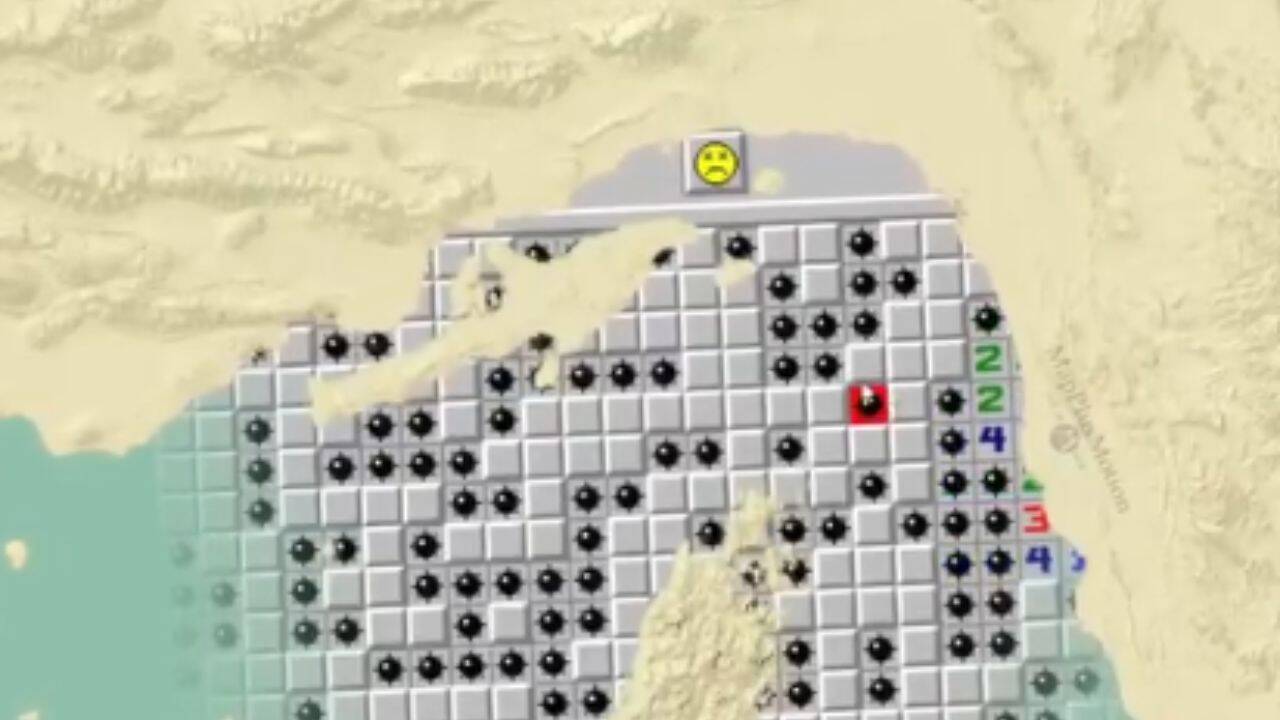
  • Iran's embassy in Sierra Leone released a satirical animated video depicting a Minesweeper game overlaying a map of the Strait of Hormuz.
  • The promotional video targeted US President Donald Trump following statements claiming American naval forces successfully cleared Iranian naval mines from the waterway.
  • The conflict involves daily passage of commercial oil tankers transporting millions of petroleum barrels through disputed maritime routes under US naval escort.
  • Tehran's public message reflects escalating psychological and information warfare alongside physical naval skirmishes in critical international sea lanes of communication.
  • This topic illustrates asymmetric communication strategies, maritime domain awareness, and regional conflict escalation mechanisms relevant to International Relations and Defence studies.
Story 3Times of India ↗

US Administration Outlines Multi-Pronged Strategy Towards Iran

  • US Vice President JD Vance confirmed that the executive branch maintains diverse options including economic, military, diplomatic, and covert measures against Iran.
  • Speaking at a media briefing, Vance emphasized preserving strategic ambiguity and presidential operational flexibility after seven months of escalating armed confrontation.
  • US strategic calculations are heavily driven by fears of an impending global energy crisis triggered by Iranian maritime activities in the Persian Gulf.
  • The administration reiterated that all statecraft instruments remain active while withholding specific operational details to maintain strategic leverage over Iranian decision-makers.
  • For UPSC Paper 2, this provides critical insight into statecraft tools, national security doctrines, and energy security management during international crises.

Prelims Facts

The Strait of Hormuz is a vital global maritime chokepoint connecting the Persian Gulf with the Gulf of Oman and Arabian Sea.
A significant portion of the world's daily petroleum supply and liquefied natural gas shipments passes through the narrow Strait of Hormuz.
Asymmetric naval strategies in narrow chokepoints include naval mining, anti-ship missiles, and drone strikes against commercial vessel traffic.

Mains Framework

Escalating tensions between the United States and Iran in the Strait of Hormuz threaten global maritime trade, international energy markets, and regional peace.

Dimensions

Strategic Vulnerability

Disruptions in narrow maritime chokepoints directly endanger global commercial shipping lines and energy supply routes.

Economic Contagion

Escalating Persian Gulf conflict spikes crude oil prices, inflating import bills and sovereign debt pressures for dependent economies.

Diplomatic Stalemate

Conditional engagement policies combined with asymmetric retaliatory maneuvers complicate multilateral peace negotiations and crisis resolution.

Way forward

Instituting multilateral maritime security protocols under UN auspices while establishing dedicated diplomatic channels can safeguard international shipping lanes and prevent global economic shockwaves.

Key terms
Strait of HormuzMaritime ChokepointFreedom of NavigationAsymmetric WarfareEnergy Security
Acts & articles
UNCLOS Article 38 (Right of Transit Passage)UNCLOS Article 87 (Freedom of the High Seas)UN Charter Article 2(4)
02
GS PAPER 3 - DISASTER MANAGEMENT

Disaster Risk Reduction and Hydro-Infrastructure Vulnerability in South Asia

Story 1The Hindu ↗

Rescue Operations Continue After Himalayan Flash Floods in Nepal

  • Massive flash floods triggered by a probable glacier collapse on August 26 caused widespread devastation across Nepal's Rasuwa and Nuwakot districts.
  • Nepali official reports confirmed the disaster death toll escalated to 1,282 persons, with over 4,700 individuals missing and 600 children unaccounted for.
  • Security forces deployed joint command units alongside army personnel to execute technical rescue operations across severely impacted mountain valleys and settlements.
  • The disaster underscores severe vulnerabilities of Himalayan communities to sudden climate-induced environmental disasters, mudslides, and infrastructure destruction.
  • This narrative provides vital context on transboundary disaster management, Himalayan ecology risks, and emergency response mechanisms under GS Paper 3 Disaster Management.
Story 2Times of India ↗

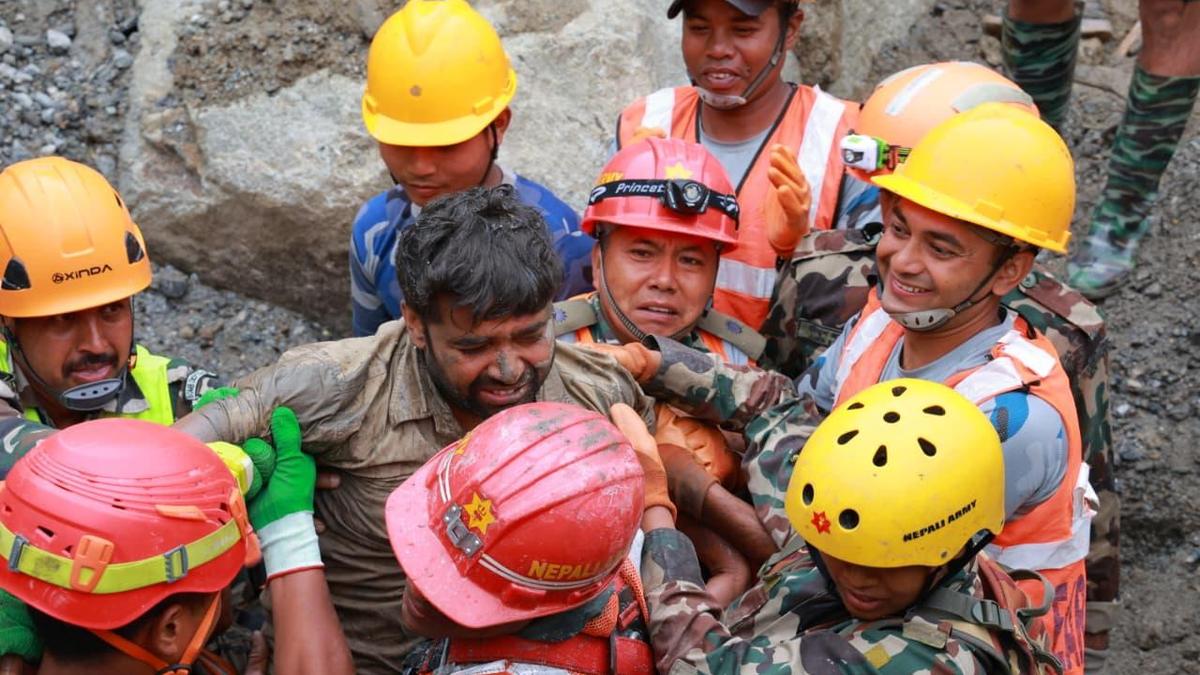
Trapped Hydropower Tunnel Workers Rescued Alive Nine Days Post-Floods

  • Rescuers in Nepal successfully extracted two trapped workers alive from a mud-filled tunnel at the Trishuli 3A hydropower project nine days after disaster hit.
  • District police authorities in Nuwakot reported hearing voices inside buried subterranean structures, mobilizing medical teams to support ongoing extraction efforts.
  • Emergency teams bored through heavy debris to reach dozens of unaccounted workers trapped inside hydropower plants following catastrophic flood inundation.
  • The rescue operation highlights complex technical challenges, specialized extraction procedures, and survival factors involved in subterranean industrial disaster management.
  • Relevant for UPSC GS 3, this case illustrates subterranean safety protocols, industrial disaster preparedness, and structural resilience in fragile mountain terrains.
Story 3The Hindu ↗

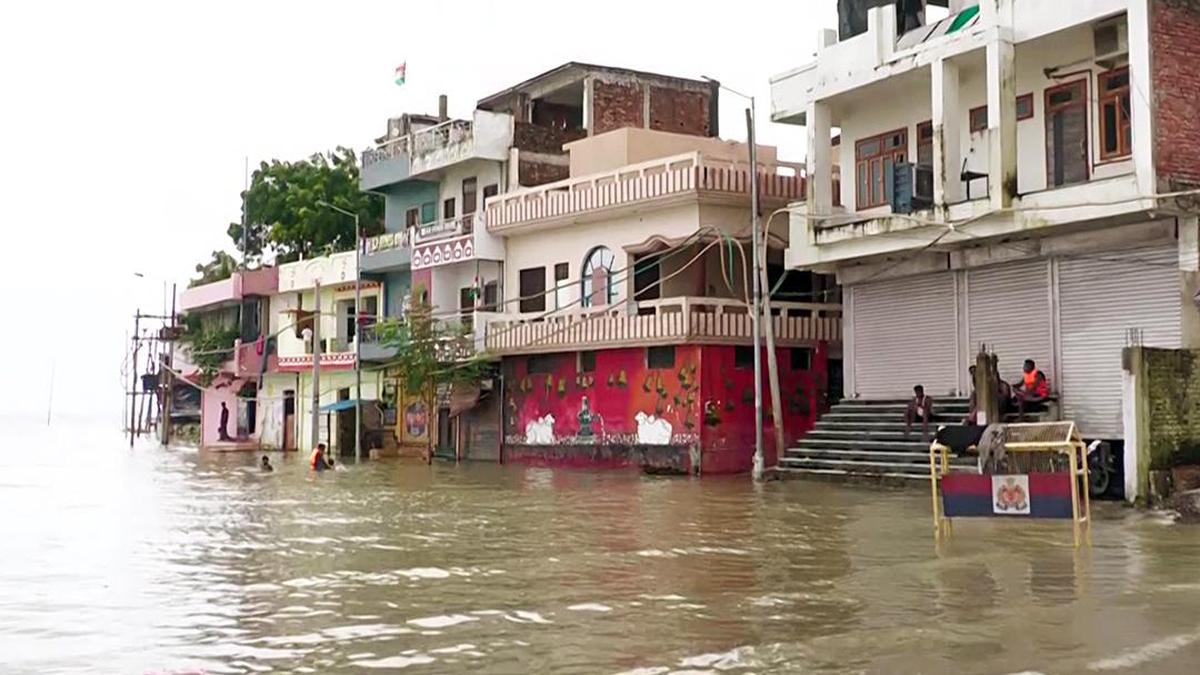
Uttar Pradesh Floods Displace Over 17,500 across 26 Districts

  • Severe flooding across Uttar Pradesh affected over 3.53 lakh citizens, forcing the evacuation of 17,544 people across 26 inundated state districts.
  • State Relief Commissioner officials established 1,312 flood shelters, 1,634 outposts, deployed 1,697 relief boats, and mobilized 1,068 specialized medical corps.
  • Government agencies distributed over 72,000 food relief packages while main river systems including the Ganga and Yamuna inundated settlements near Prayagraj.
  • Chief Minister administrative directives ordered high vigilance and disaster preparedness in response to severe upstream flood conditions emerging from Nepal.
  • This event offers practical insight into state-level flood relief machinery, multi-agency emergency management, and river basin administration under GS Paper 3.

Prelims Facts

Glacial collapses and heavy precipitation in Himalayan terrain can trigger severe downstream flash floods and debris flows.
Hydroelectric tunnel networks in mountainous regions present extreme rescue challenges due to siltation, debris blockage, and structural collapse.
State relief commissioners deploy multi-tiered emergency infrastructure including flood shelters, medical teams, and motorized boats during river basin inundation.

Mains Framework

Catastrophic flooding across Nepal and Northern India highlights extreme Himalayan ecological vulnerabilities and the urgent need for climate-resilient infrastructure.

Dimensions

Ecological Risk Factors

Rapid glacier collapse and intense precipitation cause sudden transboundary flooding that overwhelms fragile river basin ecosystems.

Structural Vulnerabilities

Hydropower tunnels and subterranean infrastructure trap workforce personnel, exposing severe gaps in industrial emergency evacuation protocols.

State Relief Capacity

Large-scale inundation demands massive relief deployment including temporary shelters, medical corps, and emergency food relief distribution.

Way forward

Strengthening early warning systems, conducting multi-hazard risk assessments for mountain infrastructure, and deepening transboundary disaster management cooperation across the Himalayas.

Key terms
Glacial Lake Outburst FloodTransboundary FloodsHydropower VulnerabilityDisaster Relief MachineryHimalayan Ecology
Acts & articles
Disaster Management Act 2005Sendai Framework for Disaster Risk Reduction 2015-2030Article 21 (Right to Life)
03
GS PAPER 2 - BILATERAL AND GLOBAL GROUPINGS

Global Investment Governance and Cross-Border Defence Procurement Dynamics

Story 1The Hindu ↗

Kenya Orders Tata Chemicals to Terminate Operations at Magadi Plant

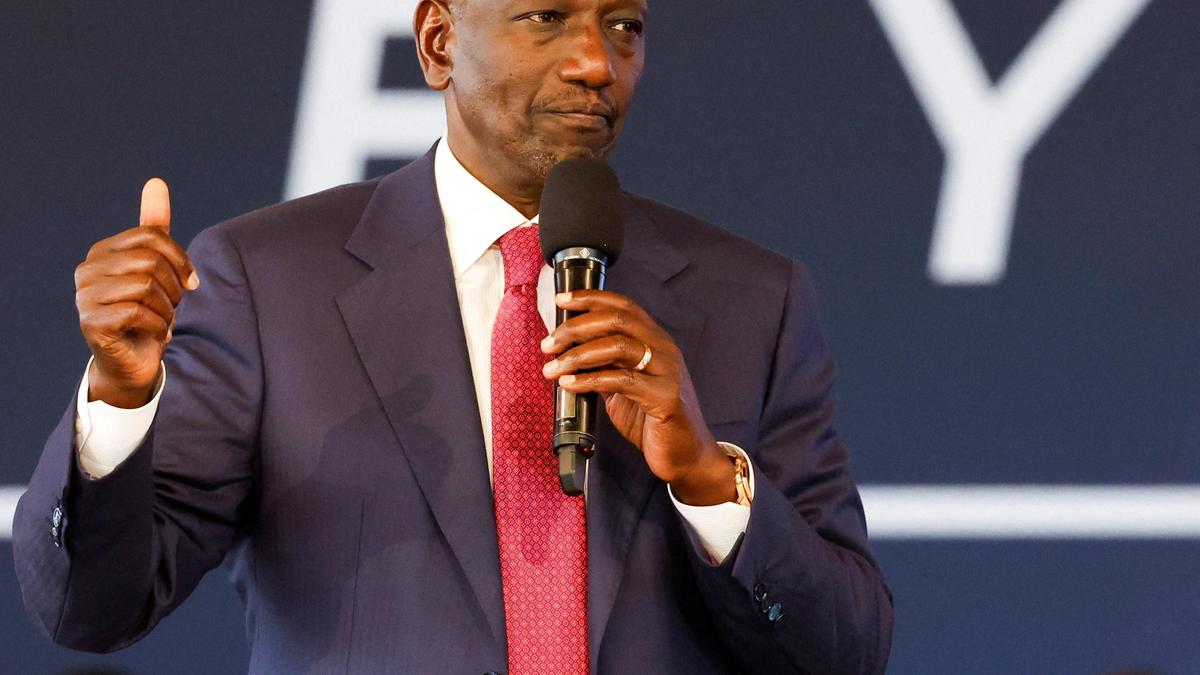
  • Kenyan President William Ruto ordered Indian enterprise Tata Chemicals to cease operations at its Magadi Soda manufacturing facility in Kajiado county.
  • The executive announcement follows an earlier July order suspending soda ash exports and factory operations, alleging failure to deliver economic development benefit.
  • The government announced plans to replace the century-old lease contract by bringing in two new corporate entities to construct chemical and glass manufacturing plants.
  • The move highlights growing regulatory and political risks facing multinational corporations operating long-term concession contracts within developing African market economies.
  • For UPSC Paper 2 IR, this case study demonstrates foreign direct investment risks, bilateral trade diplomacy, and sovereign contract enforcement dynamics.
Story 2Times of India ↗

Estonian Minister Resigns Over Contested Ukraine Munitions Contract

  • Estonian Defence Minister Hanno Pevkur resigned taking political responsibility for a controversial 70-million-euro European Union funded artillery shell supply contract.
  • An audit revealed upfront payments were made to Italian firm Datasel, owned by Indian entity Neco Defence Munitions, which lacked prior shell manufacturing record.
  • Estonia initiated legal arbitration proceedings to challenge the 2024 procurement agreement following national audit criticisms regarding military procurement practices.
  • The resignation highlights severe governance, transparency, and due diligence requirements involved in cross-border military arms procurement and European defence funding.
  • This development provides key insights into international procurement integrity, legal arbitration mechanisms, and defence sector governance for GS Paper 2.

Prelims Facts

Long-term concession contracts and lease agreements granted by foreign governments remain subject to sovereign legislative and regulatory oversight.
Defense procurement contracts involving multi-jurisdictional shell companies and third-party vendors require rigorous audit and legal dispute arbitration.
Unilateral cancellation of foreign corporate operations without compensation can trigger international commercial arbitration under bilateral investment treaties.

Mains Framework

Recent developments in Kenya and Estonia highlight foreign investment risks, corporate governance challenges, and sovereign contractual compliance in international commerce.

Dimensions

Host Country Regulatory Risks

Sovereign decision to terminate decades-old corporate concessions creates severe political and operational risks for foreign investors.

Contractual Oversight in Arms Procurement

Procurement deals involving entities lacking manufacturing credentials risk severe political fallout and international legal arbitration.

Diplomatic & Commercial Fallout

Abrupt cancelations damage bilateral economic ties and necessitate robust international dispute resolution mechanisms.

Way forward

Establishing transparent bilateral investment treaties, enforcing rigorous procurement due diligence, and utilizing international commercial arbitration platforms to mitigate investor-state disputes.

Key terms
Foreign Direct InvestmentBilateral Commercial RelationsSovereign ExpropriationDefence ProcurementArbitration Mechanisms
Acts & articles
UNCITRAL Model Law on International Commercial ArbitrationWTO Agreement on Government ProcurementArticle 298 (UNCLOS Arbitration Provisions)
04
GS PAPER 3 - INDIAN ECONOMY

Macroeconomic Volatility, Sovereign Debt Yields, and Foreign Capital Inflows

Story 1The Hindu ↗

Global Sovereign Bond Sell-off Impoints Borrowing Costs for India

  • Global financial markets face severe disruptions as international investors sell government bonds during high inflation, seeking higher yield opportunities in rising interest environments.
  • An inverse mathematical relationship governs bond prices and yields; market selling increases yields, thereby escalating future government borrowing costs globally.
  • Surging sovereign bond yields directly elevate borrowing expenses for private sector corporations, threatening to crowd out private investment and slow economic growth.
  • India's fiscal management faces pressure as elevated international bond yields trigger capital outflows, tightening domestic debt conditions and raising capital costs.
  • Essential for UPSC GS Paper 3 Economy, this concept illuminates sovereign debt dynamics, bond yield mechanics, and macroeconomic transmission channels.
Story 2The Hindu ↗

Indian Rupee Appreciates Against Dollar Supported by Capital Inflows

  • The Indian rupee appreciated 5 paise to touch 94.46 against the US dollar in early trading sessions, supported by foreign capital inflows.
  • Foreign exchange traders attributed currency strength to aggressive Reserve Bank of India market interventions and positive risk sentiment across domestic asset classes.
  • India mobilized a record $127.23 billion in foreign-currency deposits under a specialized central bank framework designed to bolster external capital reserves.
  • Market analysts cautioned that elevated international crude oil prices and Middle East geopolitical friction could constrain further domestic currency gains.
  • This update illustrates central bank currency interventions, foreign capital account dynamics, and balance of payment dynamics under GS Paper 3 Economy.
Story 3The Hindu ↗

Indian Stock Benchmarks Rebound Following Global Equity Rally

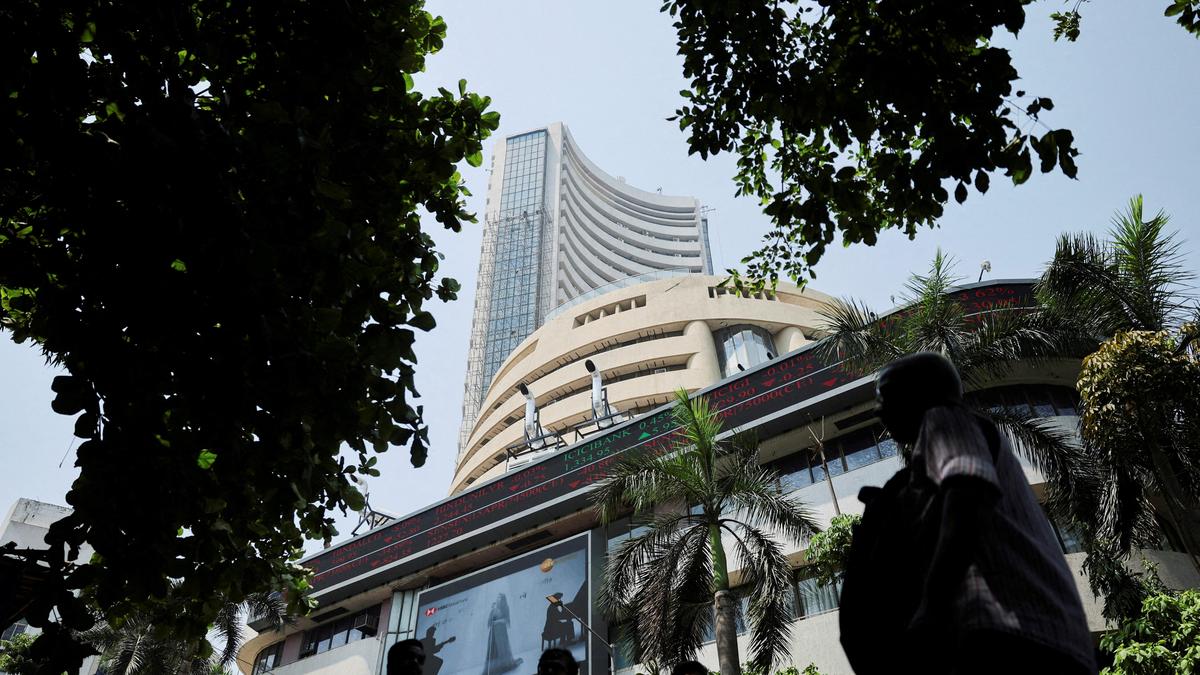
  • Domestic equity benchmarks Sensex and Nifty halted a four-day losing streak, rebounding sharply in early trade supported by positive Asian market trends.
  • The BSE Sensex surged 531.88 points to reach 76,684.74, while the NSE Nifty index gained 78.25 points to trade at 23,951.70.
  • Broad-based rallies across Asian equity exchanges including Hong Kong's Hang Seng and Japan's Nikkei provided positive momentum following overnight US market gains.
  • Key blue-chip financial, industrial, and technology stocks led domestic index recovery, reflecting renewed investor confidence across domestic capital markets.
  • This market movement highlights international equity market linkages, portfolio investment flows, and financial market volatility relevant to Indian Economy studies.

Prelims Facts

An inverse relationship exists between bond prices and bond yields; when investors sell bonds, market prices drop and yields rise.
High government bond yields elevate borrowing costs for both sovereign governments and private sector corporate issuers.
Central banks utilize interbank foreign exchange interventions and foreign deposit schemes to curb currency depreciation pressures.

Mains Framework

Global bond market volatility alongside dynamic foreign capital movements directly impacts domestic interest rates, corporate borrowing, and exchange rate management in India.

Dimensions

Bond Market Mechanics

Global sell-offs drive sovereign yields upwards, increasing debt servicing expenses for public sector borrowing and tightening domestic liquidity.

Corporate Investment Impact

Elevated sovereign yields spill over into corporate bond markets, crowding out private capital expenditure and depressing expansion plans.

Exchange Rate Management

Strong foreign currency capital inflows combined with targeted central bank market intervention help cushion domestic currency against global shocks.

Way forward

Maintaining prudent fiscal deficit targets, diversifying domestic sovereign debt investor bases, and deploying proactive central bank foreign exchange reserve management.

Key terms
Bond YieldsCapital InflowsExchange Rate VolatilitySovereign DebtRBI Intervention
Acts & articles
Reserve Bank of India Act 1934Fiscal Responsibility and Budget Management (FRBM) Act 2003Foreign Exchange Management Act (FEMA) 1999
05
GS PAPER 3 - INFRASTRUCTURE AND INDUSTRIAL POLICY

Regional Industrial Corridors and Electronics Manufacturing Ecosystems

Story 1The Hindu ↗

Hubballi-Dharwad-Belagavi Corridor Emerges as Tech and Manufacturing Hub

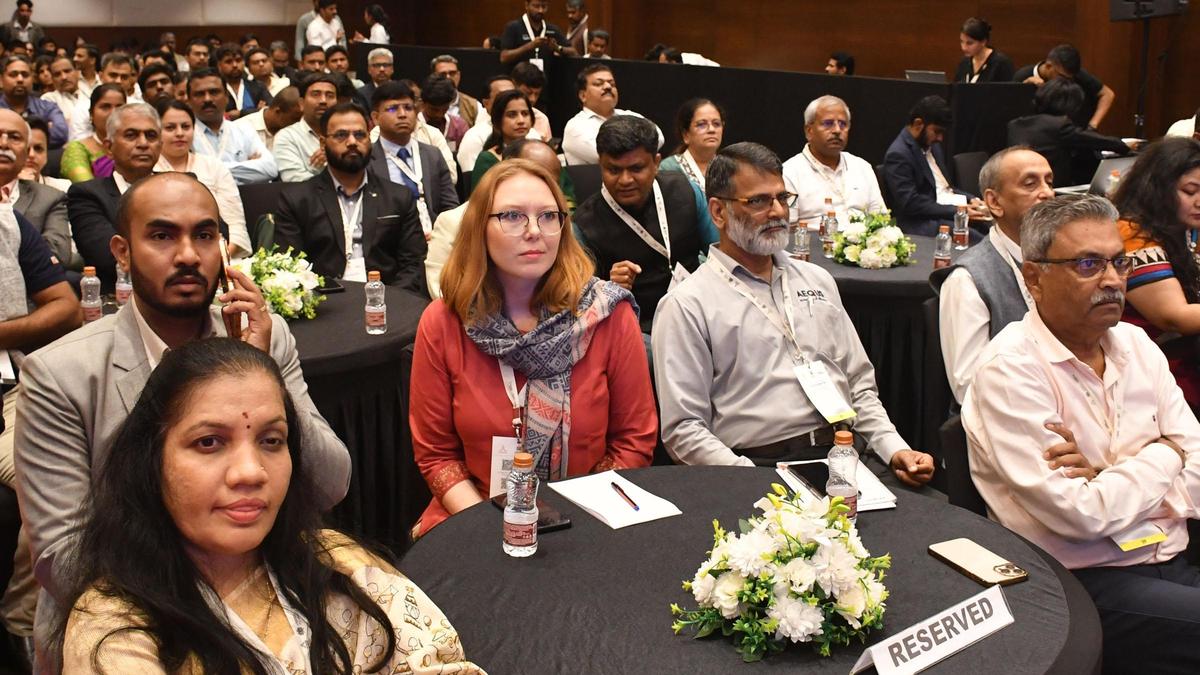
  • Karnataka IT Minister Priyank Kharge announced that the Hubballi-Dharwad-Belagavi (HDB) region is rapidly evolving into a prominent technology, manufacturing, and investment corridor.
  • Speaking at the HDB Techceleration 2026 event under the state's 'Beyond Bengaluru Mission', Kharge emphasized building capabilities in ESDM, semiconductors, AI, and deep tech.
  • The initiative leverages complementary regional strengths: Hubballi's entrepreneurial base, Dharwad's academic research institutions, and Belagavi's established aerospace and precision manufacturing capability.
  • The strategic focus aims to decentralize high-tech industrial growth away from overcrowded primary metropolitan centers toward balanced regional economic development corridors.
  • For UPSC GS Paper 3, this model illustrates industrial corridor development, regional decentralization, and domestic high-tech manufacturing strategies.

Prelims Facts

The Hubballi-Dharwad-Belagavi (HDB) region is being developed under Karnataka's 'Beyond Bengaluru Mission' to decentralize technology investment.
ESDM stands for Electronics System Design and Manufacturing, a core pillar of India's national semiconductor policy.
Tier-2 and Tier-3 urban clusters offer complementary industrial advantages by combining academic research institutes with precision manufacturing bases.

Mains Framework

Developing regional technology and manufacturing corridors like the Hubballi-Dharwad-Belagavi triangle promotes balanced regional growth and industrial decentralization.

Dimensions

Synergistic Urban Strengths

Hubballi provides entrepreneurial tech capital, Dharwad supplies academic research capability, and Belagavi offers precision engineering.

Advanced Manufacturing Integration

Developing local capabilities across ESDM, semiconductors, AI, and Industry 4.0 diversifies regional industrial foundations.

Decongestion of Metropolises

Diverting capital and infrastructure investments to secondary urban corridors alleviates urban infrastructure bottlenecks in primary tech hubs.

Way forward

Fostering public-private partnerships, expanding technical higher education infrastructure, and providing fiscal incentives for deep-tech manufacturing in emerging regional corridors.

Key terms
Beyond Bengaluru MissionIndustrial CorridorESDMSemiconductor EcosystemIndustry 4.0
Acts & articles
National Policy on Electronics 2019Article 371J (Special Provisions for Karnataka Region)Special Economic Zones Act 2005
06
GS PAPER 3 - SCIENCE AND TECHNOLOGY

Governance of Autonomous Technologies and Artificial Intelligence Risks

Story 1The Hindu ↗

US Transportation Safety Agency Evaluates Unmanned Cybercab Rollout

  • The US National Highway Traffic Safety Administration (NHTSA) initiated evaluations regarding Tesla's Cybercab robotaxi launch in Austin, Texas.
  • The Cybercab vehicle design features a two-seater autonomous cabin engineered completely without traditional manual controls, including steering wheels, pedals, or rearview mirrors.
  • Federal motor vehicle safety standards traditionally mandate physical control mechanisms, prompting regulatory scrutiny regarding public road compliance and passenger safety protocols.
  • The review underscores growing regulatory challenges faced by transportation authorities worldwide in evaluating and licensing fully autonomous commercial taxi fleets.
  • This issue highlights autonomous technology regulation, urban mobility safety frameworks, and emerging technology governance under GS Paper 3 Science & Technology.
Story 2The Hindu ↗

US Safety Regulator Concludes Investigation into Remote Vehicle Control Feature

  • The NHTSA formally closed its investigation into Tesla's 'Actually Smart Summon' remote driving feature across 2.6 million vehicles following software safety evaluations.
  • The agency concluded the app-controlled low-speed parking system was associated primarily with minor property damage incidents, recording approximately 100 crashes without fatalities.
  • The safety probe was initially launched in 2025 following widespread user reports of minor parking collisions and automated traffic safety violations.
  • Regulatory resolution was achieved after software updates mitigated operational risks during short-distance remote vehicle maneuvers on private property and parking facilities.
  • For UPSC aspirants, this illustrates automated software oversight, liability frameworks in automated transport, and safety standards for consumer technologies.
Story 3Times of India ↗

Novice Mountaineers Stranded on Mount Shasta Following AI Route Planning Failure

  • Three California hikers required emergency rescue from Mount Shasta after relying on Google's Gemini AI to plan their mountain ascent itinerary.
  • The AI tool calculated an eight-hour climb, but the excursion stretched into a sixteen-hour ordeal, stranding the group overnight in dangerous terrain.
  • One hiker suffered knee injuries while their mobile navigation device lost battery power, causing them to wander off course into Mud Creek Canyon.
  • County Sheriff rescue teams safely extracted the stranded group, warning against trusting artificial intelligence applications for high-risk wilderness navigation.
  • This incident highlights human over-reliance on generative AI models, algorithmic error hazards, and the necessity of domain expertise in critical decision-making.

Prelims Facts

Autonomous vehicles operating without traditional controls like steering wheels or pedals require specialized safety waivers from transportation regulators.
Over-reliance on artificial intelligence tools for wilderness navigation can lead to algorithmic hallucination and life-threatening disorientation.
Federal auto safety regulators conduct evaluations and defect investigations into remote driving and self-driving software features.

Mains Framework

Rapid deployment of autonomous systems and commercial AI products requires robust regulatory frameworks to prevent safety hazards and algorithmic failures.

Dimensions

Regulatory Gaps in Autonomous Transport

Deploying driverless vehicles lacking physical controls challenges existing vehicle design standards and public safety compliance.

Software Recalls & Defect Management

Over-the-air software updates enable rapid feature fixes, but low-speed crashes highlight ongoing vulnerability in automated systems.

Human Reliance on Generative AI

Uncritical trust in AI-generated navigation plans creates severe real-world safety hazards during high-risk outdoor activities.

Way forward

Mandating rigorous pre-deployment safety testing for autonomous vehicles, establishing liability standards for AI outputs, and promoting public awareness regarding AI limitations.

Key terms
Autonomous VehiclesNHTSAGenerative AIOver-Reliance RiskSafety Regulatory Frameworks
Acts & articles
Motor Vehicles Act 1988 (and 2019 Amendment)Information Technology Act 2000Digital Personal Data Protection Act 2023
07
GS PAPER 2 - SOCIAL JUSTICE

State Nutrition Security, Food Safety Standards, and Rights Enforcement

Story 1Times of India ↗

Indonesian Human Rights Commission Demands Investigation into School Meal Poisonings

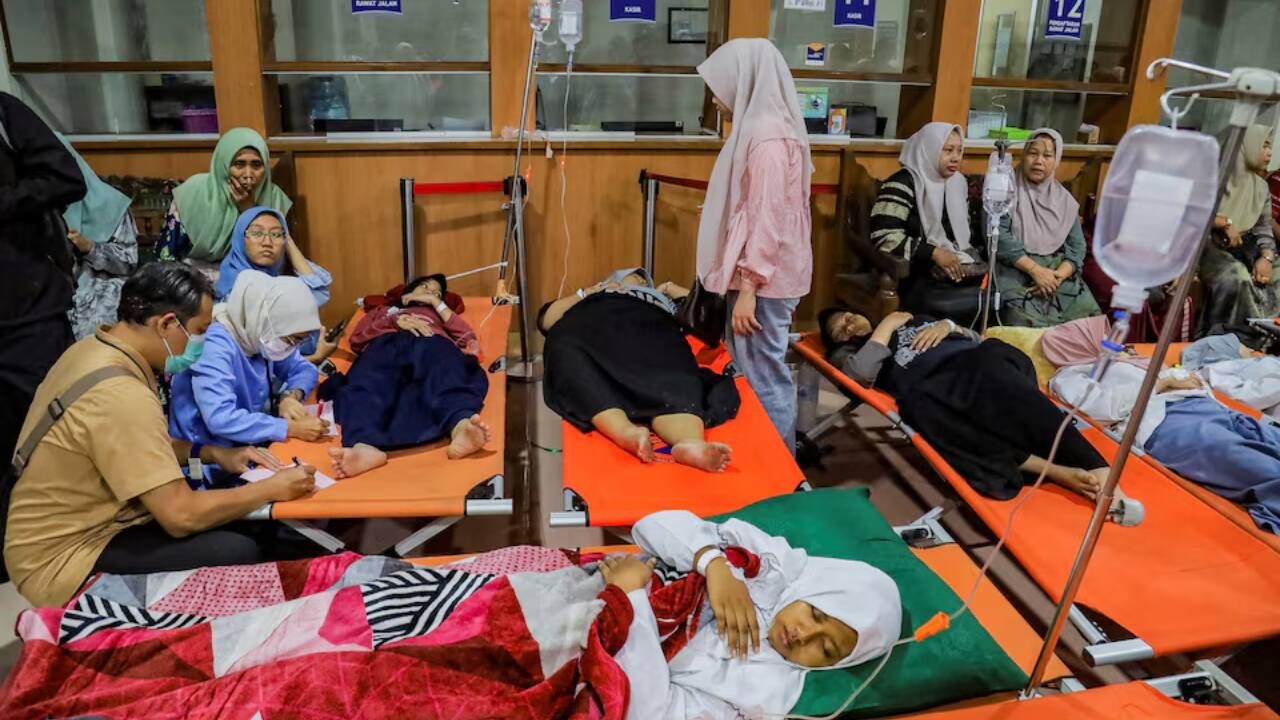
  • Approximately 2,000 students and teachers fell ill across several Indonesian provinces after consuming government-provided free school meals.
  • Indonesia's independent human rights commission Komnas HAM urged police investigations and called for immediate suspension of kitchens linked to food poisoning.
  • More than 1,700 cases were recorded across Central Java, East Java, and West Sumatra, alongside 170 individuals affected in South Sulawesi.
  • Komnas HAM asserted that safe food access constitutes a fundamental human right, warning that unhygienic conditions destroy the moral legitimacy of state interventions.
  • Relevant to GS Paper 2 Social Justice, this incident highlights food safety oversight, public welfare program accountability, and human rights enforcement.

Prelims Facts

Safe and hygienic food is recognized as an integral component of the right to life and health under human rights jurisprudence.
National nutrition agencies managing school meal programmes require institutional sanitation audits and central kitchen monitoring.
Independent human rights commissions possess powers to recommend police investigations and suspension of unsafe welfare service providers.

Mains Framework

Widespread food poisoning outbreaks in free school meal programs compromise state welfare objectives and violate fundamental human rights to health and safety.

Dimensions

Welfare Program Execution

Implementation defects in massive state-sponsored nutrition schemes expose children to severe health hazards.

Institutional Accountability

Independent human rights bodies step in to demand criminal investigations and immediate suspension of compromised supply kitchens.

Rights-Based Governance

Treating access to safe, hygienic food as a fundamental human right reinforces state accountability in public distribution.

Way forward

Implementing mandatory third-party hygiene audits, decentralized kitchen inspections, and strict penal action against non-compliant catering contractors.

Key terms
Food Safety StandardsSchool Meal SchemesHuman Rights CommissionSanitation AuditRight to Safe Food
Acts & articles
Food Safety and Standards Act 2006National Food Security Act (NFSA) 2013Article 21 (Right to Health and Life)
08
GS PAPER 3 - INTERNAL SECURITY

Cross-Border Insurgency and Military Casualties in South Asia

Story 1Times of India ↗

Separatist Attacks in Balochistan Claim Lives of 25 Security Personnel

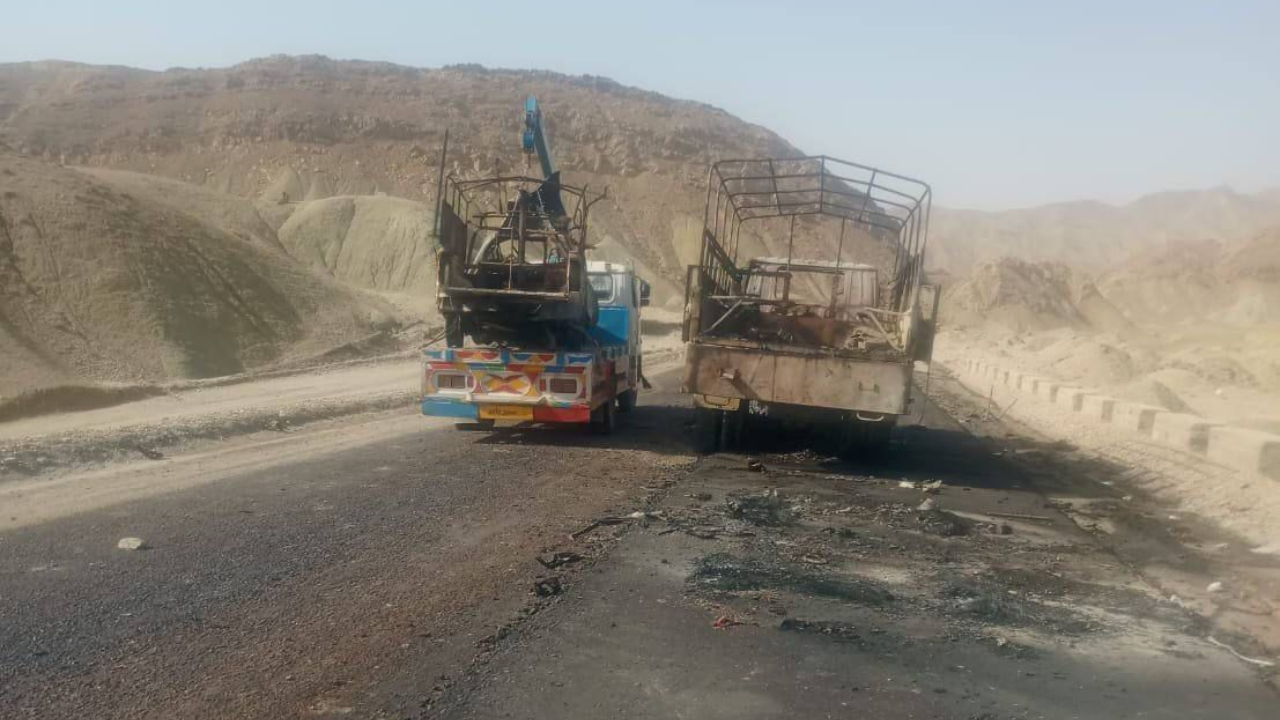
  • The Balochistan Liberation Army (BLA) claimed responsibility for two coordinated attacks in Pakistan's Balochistan province, claiming 25 military personnel were killed.
  • Insurgent fighters targeted a military convoy at Ziarat Cross, destroying two vehicles, before carrying out a secondary attack in Surab district.
  • The BLA released video footage through its media channel Hakkal, depicting armed insurgents near burning military vehicles and seized weaponry.
  • The escalating violence underscores persistent ethnic separatist insurgency and severe security instability across Pakistan's resource-rich southwestern province.
  • For UPSC GS Paper 3 Internal Security, this event illustrates cross-border insurgency dynamics, asymmetric tactical warfare, and regional security instability.

Prelims Facts

The Balochistan Liberation Army (BLA) is an armed ethnic separatist group operating primarily in Pakistan's southwestern province.
Tactical ambushes targeting military convoys in mountainous terrain utilize improvised explosive devices and surprise infantry attacks.
Sub-national insurgencies in border regions threaten critical infrastructure corridors and cross-border transport routes.

Mains Framework

Escalating insurgent attacks in Balochistan highlight severe internal security challenges and persistent sub-national conflicts in South Asia.

Dimensions

Asymmetric Insurgent Tactics

Separatist groups deploy convoy ambushes and tactical raids against state military forces in rugged geographical terrains.

Media Strategy & Propaganda

Militant outfits utilize dedicated digital channels to release tactical videos, amplifying psychological impact and recruitment outreach.

Regional Stability Implications

Persistent internal conflict in border provinces undermines regional trade corridors, infrastructure investments, and border security.

Way forward

Addressing socio-economic grievances, strengthening intelligence-led counter-insurgency operations, and fostering political reconciliation mechanisms.

Key terms
Balochistan Liberation ArmyAsymmetric WarfareConvoy AmbushSub-national InsurgencyRegional Security
Acts & articles
Unlawful Activities (Prevention) Act 1967Armed Forces (Special Powers) Act 1958Article 355 (Duty of Union to Protect States)

Practice MCQs — Test Your Understanding

6 questions · UPSC Prelims pattern · Tap an option to check your answer

GS PAPER 2 - INTERNATIONAL RELATIONSWest Asia Escalation and Maritime Security in the Strait of Hormuz

US Rules Out Iran Talks Pending End to Maritime Attacks

Q1Which of the following statements best describes the geographic and strategic significance of the Strait of Hormuz?

GS PAPER 3 - DISASTER MANAGEMENTDisaster Risk Reduction and Hydro-Infrastructure Vulnerability in South Asia

Uttar Pradesh Floods Displace Over 17,500 across 26 Districts

Q2Consider the following statements regarding flood disaster management in India: 1. The State Relief Commissioner leads emergency evacuations and temporary shelter administration during severe flood events. 2. Inundation along the Ganga and Yamuna river basins in Uttar Pradesh is frequently exacerbated by severe upstream flood conditions originating in Nepal. Which of the statements given above is/are correct?

GS PAPER 2 - BILATERAL AND GLOBAL GROUPINGSGlobal Investment Governance and Cross-Border Defence Procurement Dynamics

Estonian Minister Resigns Over Contested Ukraine Munitions Contract

Q3In international commercial procurement contracts, when a public agency challenges a cross-border contract due to procedural or manufacturing non-compliance, which legal mechanism is standardly invoked?

GS PAPER 3 - INDIAN ECONOMYMacroeconomic Volatility, Sovereign Debt Yields, and Foreign Capital Inflows

Global Sovereign Bond Sell-off Impoints Borrowing Costs for India

Q4What happens to government bond yields when there is a widespread market sell-off of government bonds by investors?

GS PAPER 3 - SCIENCE AND TECHNOLOGYGovernance of Autonomous Technologies and Artificial Intelligence Risks

US Transportation Safety Agency Evaluates Unmanned Cybercab Rollout

Q5Which US federal regulatory body is primarily responsible for establishing motor vehicle safety standards and evaluating fully autonomous vehicle rollouts on public roads?

GS PAPER 3 - INFRASTRUCTURE AND INDUSTRIAL POLICYRegional Industrial Corridors and Electronics Manufacturing Ecosystems

Hubballi-Dharwad-Belagavi Corridor Emerges as Tech and Manufacturing Hub

Q6Under Karnataka's 'Beyond Bengaluru Mission', which urban tri-city corridor is being actively developed as a hub for ESDM, semiconductors, precision engineering, and deep tech?