Daily Current Affairs — 28 August 2026

Fri · 9 topics · 16 stories · 6 Prelims MCQs

01
GS PAPER 3 - DISASTER MANAGEMENT & GEOGRAPHY

Glacial Hazards and Disaster Management in the Hindu Kush Himalaya
Story 1The Hindu ↗

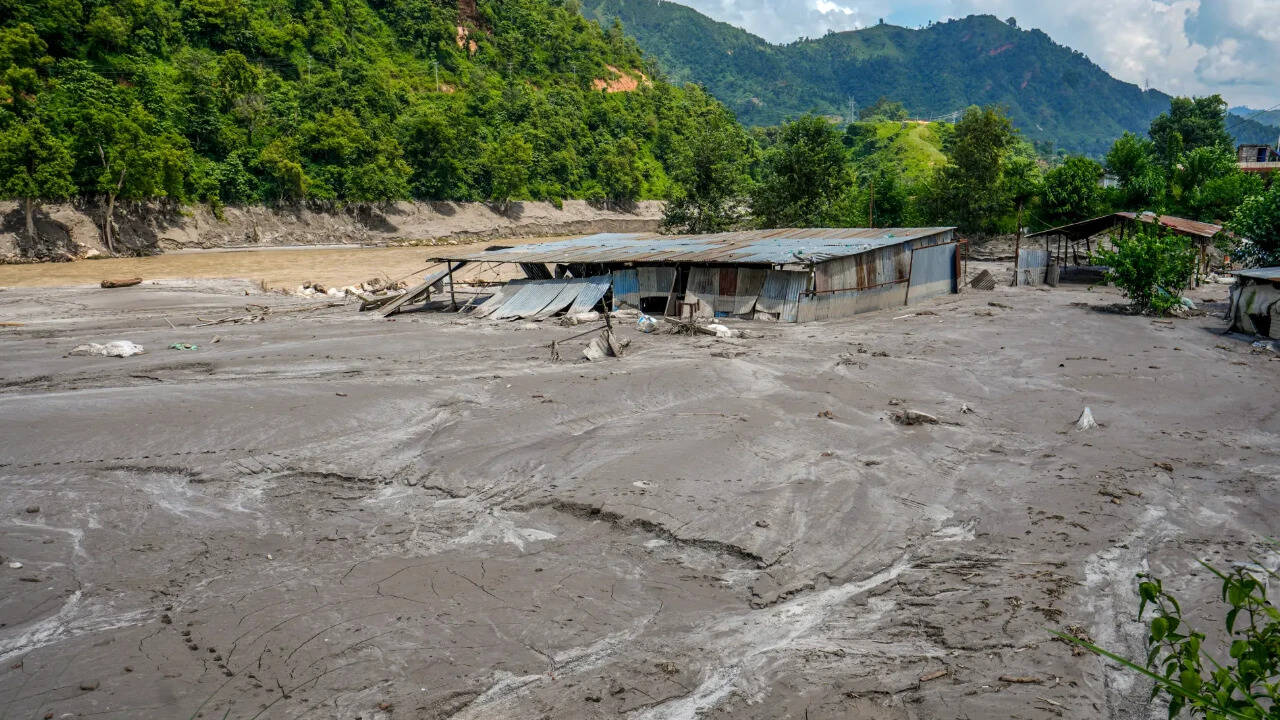
Devastating flash floods along Nepal-Tibet border leave hundreds missing and dead

  • Ministry of External Affairs reported 320 Indian nationals missing and 400 stranded on the Chinese side after severe flash floods along the Nepal-Tibet border.
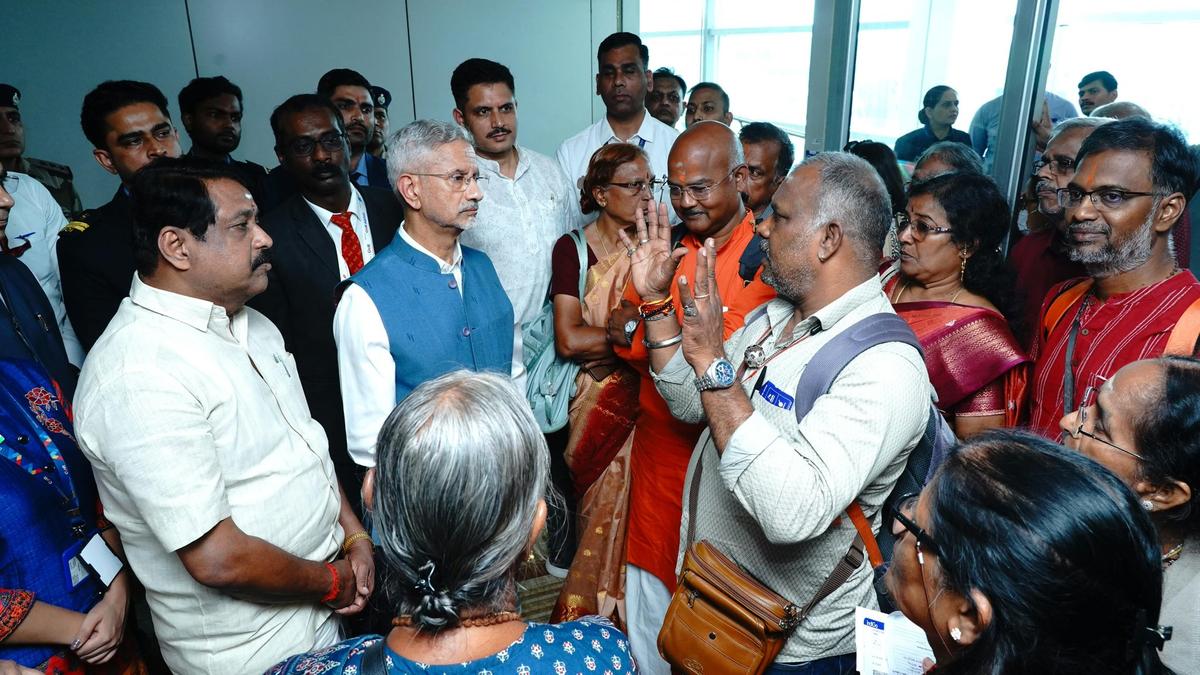
  • Rescues were coordinated as 96 stranded Indians crossed safely into Nepal by land, while 21 tourists from Tamil Nadu were received in New Delhi by EAM S. Jaishankar.
  • Official reports confirmed the death toll reached 538 in Nepal as search teams retrieved more bodies from severe flood-affected border zones.
  • The emergency underscored the heightened risk faced by cross-border pilgrims and tourists navigating high-altitude Himalayan transit corridors during monsoon surges.
  • UPSC relevance connects to disaster management protocols, international Search and Rescue (SAR) cooperation, and humanitarian evacuation operations.
Story 2Times of India ↗

Scientific assessments warned of escalating Himalayan glacial risks months before Nepal disaster

  • Two landmark ICIMOD reports published in March 2026 explicitly warned that melting glaciers in the Hindu Kush Himalaya were accelerating catastrophic flood hazards.
  • Researchers noted that Himalayan ice loss doubled since 2000, with glaciers losing up to 27 metres of ice thickness since 1975.
  • The studies highlighted heightened risks of glacial lake outburst floods (GLOFs) driven by shrinking high-altitude ice bodies and unpredicted ice-rock avalanches.
  • Investigative findings suggest an ice-rock avalanche triggered the recent border collapse, validating warnings regarding vulnerable cryosphere zones.
  • UPSC syllabus link covers GS Paper 3 environmental degradation, climate change impacts on Himalayan hydrology, and disaster vulnerability mapping.

Story 3Times of India ↗

Pilgrimage groups face severe disruption following high-altitude floods in Tibet border region

  • An Indian-origin American couple went missing during a Mount Kailash pilgrimage following severe flash floods and mudslides near the Nepal-Tibet frontier.
  • United States officials indicated that nearly 90 American citizens were unaccounted for in the region, while three citizens were successfully rescued.
  • The flood event directly impacted a 77-person pilgrimage group organised by the Isha Foundation navigating the trans-Himalayan route.
  • Kin of missing pilgrims appealed to diplomatic missions across India, Nepal, and China for emergency tracking and real-time search support.
  • UPSC relevance highlights transboundary tourism management, consular relief mechanisms, and risk communication during extreme natural hazard events.

Prelims Facts

ICIMOD reports of March 2026 revealed that glacier ice loss across the Hindu Kush Himalaya doubled since 2000.
Himalayan glaciers have lost up to 27 metres of ice thickness between 1975 and recent assessments.
An Interpol Red Corner Notice acts as a international request to locate and provisionally arrest a person pending extradition.

Mains Framework

The catastrophic flash floods along the Nepal-Tibet border underscore the extreme vulnerability of the fragile Himalayan cryosphere to climate-induced disasters and rapid glacial melting.

Dimensions

Ecological & Cryospheric Drivers

Accelerated retreat of Himalayan glaciers, ice-rock avalanches, and formation of unstable glacial lakes increasing GLOF risks.

Transboundary & Humanitarian Vulnerabilities

Disruption of international pilgrimage routes, strandings across borders, and challenges in multi-agency rescue coordination.

Early Warning & Infrastructure Deficits

Implementation gaps in translating regional scientific assessments into actionable local disaster preparedness.

Way forward

Establish real-time transboundary hydrological monitoring systems, integrate ICIMOD scientific findings into national disaster management frameworks, and enforce strict eco-sensitive zoning along river basins.

Key terms
Glacial Lake Outburst Flood (GLOF)CryosphereHindu Kush Himalaya (HKH)Transboundary Disaster ManagementClimate Adaptation
Acts & articles
Disaster Management Act, 2005Sendai Framework for Disaster Risk Reduction (2015-2030)Article 21 (Right to a Safe Environment)
02
GS PAPER 2 - GOVERNANCE & FEDERALISM

Decentralised Agricultural Governance and Regional Development Planning

Story 1The Hindu ↗

Kerala restructures Agriculture Development Committees across local body levels

  • Kerala Agriculture Department issued orders restructuring Agriculture Development Committees (ADCs) at Krishi Bhavan, local body, and district administrative levels.
  • The reconstituted 23-member Krishi Bhavan-level ADC is chaired by the local Gram Panchayat President to ensure decentralized agricultural oversight.
  • Committee composition includes local MLAs, trade union delegates, farmer organization representatives, and three nominated farmers including one woman farmer.
  • Mandated duties encompass disaster relief mobilization, monitoring organic fertilizer distribution, and assessing credit access for farm sector beneficiaries.
  • UPSC relevance links to GS Paper 2 decentralised planning, local self-government empowerment, and institutional governance in agriculture.
Story 2The Hindu ↗

Andhra Pradesh mandates constituency-wise vision action plans to drive micro-level growth

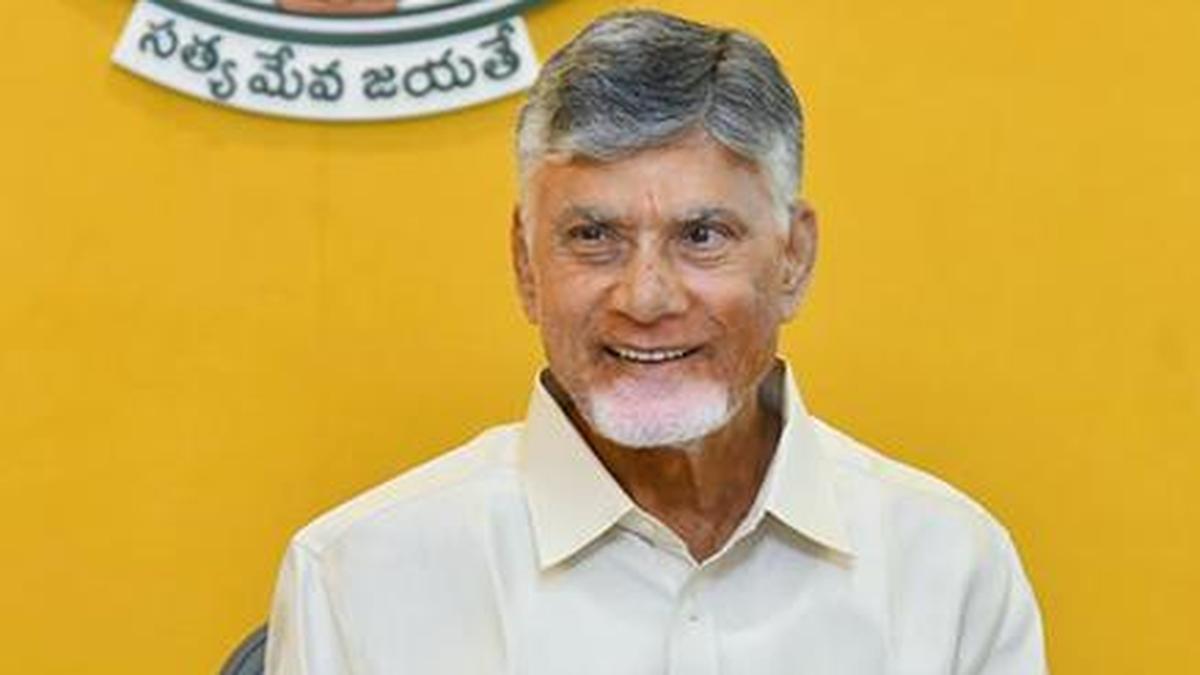
  • Chief Minister N. Chandrababu Naidu directed officials to effectively implement the Swarna Constituency Vision Action Plan across all state constituencies.
  • Andhra Pradesh stands as the first Indian state to adopt a structured, constituency-level vision planning framework for governance and poverty reduction.
  • The Chief Minister instructed field officers and elected representatives to ground approved industrial projects to systematically boost regional per capita income.
  • Implementation success will be measured against identified key performance indicators (KPIs) to establish benchmarks for public administration.
  • UPSC relevance covers GS Paper 2 governance models, regional economic planning, public service delivery, and performance-based administration.

Prelims Facts

Kerala reorganized its 23-member Krishi Bhavan-level Agriculture Development Committees under the leadership of local Panchayat Presidents.
Andhra Pradesh became the first state in India to adopt a structured constituency-wise vision planning framework.
Krishi Bhavan committees monitor organic fertilizer availability, farm credit distribution, and disaster emergency responses.

Mains Framework

Institutionalising grass-roots governance through revamped agricultural committees and constituency-level vision plans strengthens local self-reliance and accelerates socio-economic development.

Dimensions

Institutional Decentralisation

Restructuring local bodies to include local representatives, farmer organisations, and trade unions for participatory decision-making.

Targeted Economic Growth

Utilizing constituency-level key performance indicators (KPIs) to boost per capita income and fast-track industrial approvals.

Calamity Resilience

Empowering grassroots committees to execute immediate collective action during agricultural crises and natural disasters.

Way forward

Integrate spatial planning data with local committee frameworks and ensure adequate fiscal devolution to Panchayati Raj Institutions for project execution.

Key terms
Democratic DecentralisationKrishi BhavanPanchayati Raj Institutions (PRIs)Constituency-Level PlanningKey Performance Indicators (KPIs)
Acts & articles
73rd Constitutional Amendment Act, 1992Article 243G (Powers and functions of Panchayats)Article 38 (Promoting the welfare of the people)
03
GS PAPER 2 - POLITY & GOVERNANCE

Legal Norms Governing Preventive Detention and Presumption of Death

Story 1The Hindu ↗

Tamil Nadu reconstitutes Advisory Board under State Preventive Detention Act

  • Tamil Nadu government reconstituted the Advisory Board under the Tamil Nadu Preventive Detention Act, 1982, through a Home Department order.
  • Retired Madras High Court judge Justice V. Bharathidasan was appointed as Chairman of the newly reconstituted statutory Advisory Board.
  • Former Madras High Court judges P. Kalaiyarasan and V. Parthiban were appointed as executive members of the review panel.
  • The board evaluates detention orders to ensure administrative compliance with statutory procedural mandates and constitutional guarantees.
  • UPSC relevance directly relates to GS Paper 2 constitutional provisions under Article 22, executive detention limits, and administrative law.
Story 2The Hindu ↗

Sukumara Kurup case highlights legal distinction between presumption of death and absconding status

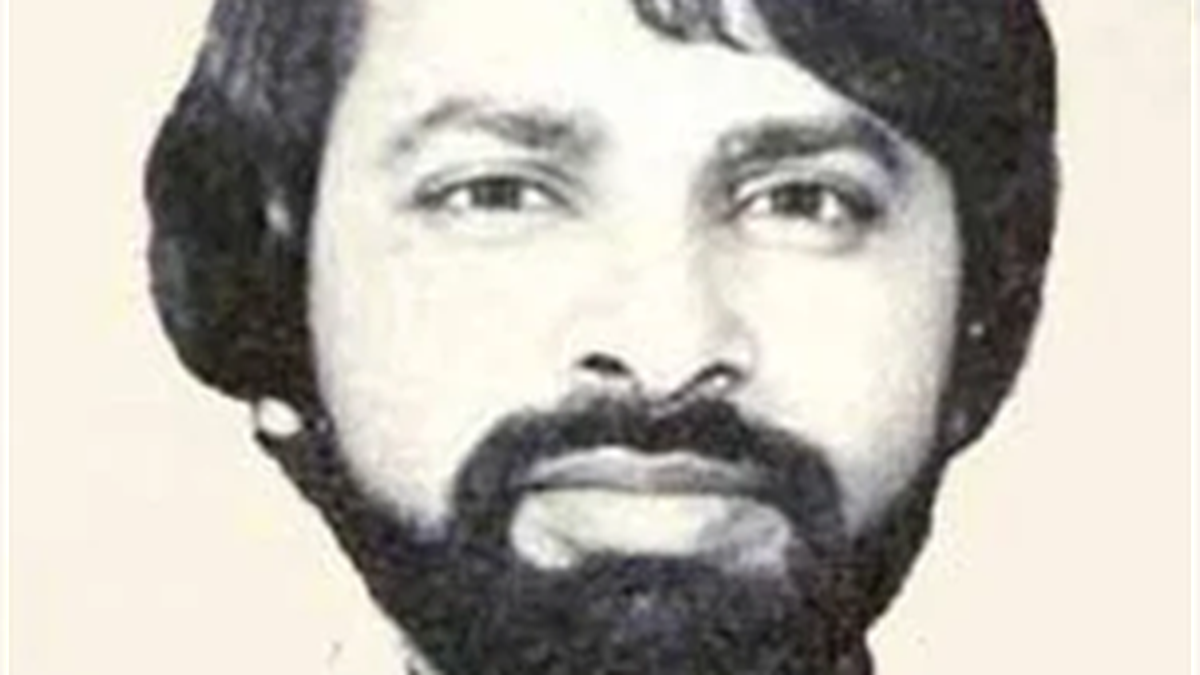
  • Unverified sightings of 1984 murder fugitive Sukumara Kurup re-ignited legal debates regarding long-absconding accused individuals under Indian law.
  • Kerala Crime Branch initiated protocols to verify media claims via Interpol Red Corner Notice channels to ascertain the fugitive's status.
  • Indian jurisprudence maintains a strict distinction between declaring a legal presumption of death and pursuing a trial in absentia.
  • The 1984 case involved the murder of N.J. Chacko in Mavelikara, executed to fraudulently claim life insurance benefits.
  • UPSC relevance connects to GS Paper 2 criminal justice administration, Interpol law enforcement procedures, and legal evidentiary standards.

Prelims Facts

Advisory Boards under state preventive detention laws must be chaired by a current or retired High Court judge.
The Tamil Nadu Preventive Detention Act, 1982 Advisory Board was reconstituted under retired HC Judge Justice V. Bharathidasan.
Under Indian legal doctrine, presumption of death and trial in absentia are treated as distinct legal concepts for long-absconding fugitives.

Mains Framework

Balancing state security with individual liberty requires strict adherence to constitutional safeguards in preventive detentions and clarity in criminal jurisprudence regarding absconding fugitives.

Dimensions

Constitutional Safeguards

Ensuring independent Advisory Boards review preventive detention orders to prevent executive excess under Article 22.

Procedural Justice

Distinguishing between legal presumption of death and conducting trial in absentia for long-term absconders.

International Legal Coordination

Utilizing Interpol mechanisms like Red Corner Notices while adhering to domestic statutory provisions.

Way forward

Strengthen judicial review over administrative detention boards and modernize criminal procedure rules for processing long-standing cold cases.

Key terms
Preventive DetentionAdvisory BoardArticle 22Presumption of DeathTrial in Absentia
Acts & articles
Article 22 (Protection against arrest and detention)Tamil Nadu Preventive Detention Act, 1982Bharatiya Nagarik Suraksha Sanhita (BNSS), 2023
04
GS PAPER 3 - ENVIRONMENT & ECONOMY

Environmental Constraints of Digital Infrastructure and Resource Consumption

Story 1Times of India ↗

British political leaders demand moratorium on data centre expansion amid resource strain

  • Green Party leader Zack Polanski called for an immediate freeze on approving new hyper-scale data centres across England due to resource demands.
  • Polanski stated data facilities guzzle critical water and electricity supplies while three-quarters of the country faces acute drought conditions.
  • The leader criticized official designations of data centres as critical national infrastructure without enforcing stringent environmental constraints.
  • Proposals demand local community veto power and strict sustainability norms prior to granting site development permits for tech infrastructure.
  • UPSC relevance touches upon GS Paper 3 infrastructure sustainability, urban environmental management, and natural resource allocation politics.
Story 2Times of India ↗

Texas farmer displaced as tech developer converts agricultural acreage into data facility

  • A fourth-generation West Texas farmer lost 600 rented agricultural acres in Haskell County after the landlord sold property for a Google data center.
  • Cheyenne Buerger was issued a 60-day notice to complete crop harvesting and vacate land his family cultivated for over a century.
  • The displacement highlighted growing land-use transitions where industrial technology footprint replaces traditional agricultural operations.
  • Rapid developer acquisitions reflect broader conflicts between tech-driven economic expansion and traditional rural livelihoods.
  • UPSC syllabus link covers GS Paper 3 land reforms, agricultural vulnerability, and industrial development impact on primary sector livelihoods.

Prelims Facts

Green Party leaders in England called for a moratorium on new data centres due to acute energy and water consumption during severe droughts.
Three-quarters of England was experiencing drought conditions while data centres received critical infrastructure status.
Industrial conversions of agricultural land for data facilities can impose short eviction windows on long-standing tenant farmers.

Mains Framework

The exponential demand for computational power is escalating conflicts over land, energy, and water, requiring stringent environmental regulations for technology infrastructure.

Dimensions

Resource Strain

Data centres consuming massive quantities of electricity and cooling water, exacerbating ecological stress during drought periods.

Socio-Economic Displacement

Conversion of fertile agricultural land to industrial tech sites disrupting traditional farming operations and land rights.

Regulatory Gaps

Classifying data infrastructure as critical assets without imposing corresponding ecological performance obligations.

Way forward

Mandate renewable energy coupling and closed-loop water cooling for data centres while establishing participatory land-use governance.

Key terms
Data Centre FootprintCritical InfrastructureResource Resource DepletionLand Use ConversionEnvironmental Impact Assessment
Acts & articles
Environment Protection Act, 1986Energy Conservation Act, 2001Article 48A (Protection of environment and wildlife)
05
GS PAPER 3 - BIODIVERSITY & ECOLOGY

Ecological Conservation Strategies and Human-Wildlife Conflict Dynamics

Story 1Times of India ↗

Scientific study reveals ecological drawbacks of artificial sea turtle nest relocation

  • A two-year study published in Marine Biology by UNSW and University of Queensland tracked green sea turtles on Heron Island.
  • Researchers discovered relocated nests yielded lower hatching rates, physically smaller hatchlings, and a skewed sex ratio with only 8% males.
  • Warmer sand temperatures in relocated areas altered temperature-dependent sex determination, producing heavily female-biased populations.
  • Findings challenge the assumption that moving nests away from tidal flooding always yields net positive species conservation outcomes.
  • UPSC relevance focuses on GS Paper 3 biodiversity conservation science, marine ecosystem management, and species adaptation risks.
Story 2Times of India ↗

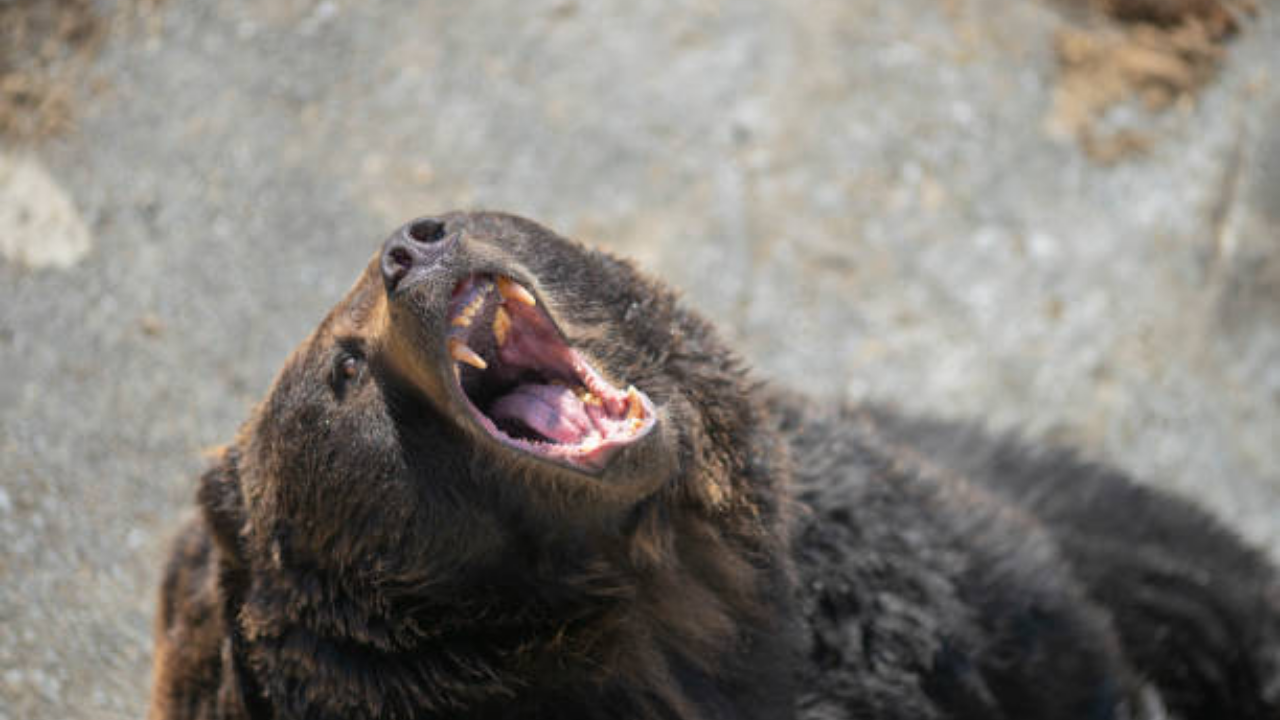
Japan expands bear culling targets following severe escalation in human-wildlife encounters

  • Japanese authorities eliminated over 14,000 bears between April 2025 and January 2026 following record human attacks across resort areas like Karuizawa.
  • Despite mass culling, six human fatalities occurred this year, prompting government plans to remove an additional 8,800 bears.
  • Conservation group Picchio noted bears increasingly migrate toward human settlement zones around Mount Asama searching for wild berries and food.
  • The crisis highlights severe conflict management challenges as natural wild food shortages force protected predators into urban fringes.
  • UPSC relevance covers GS Paper 3 wildlife conservation management, habitat fragmentation, and ethical dilemmas in population control.

Prelims Facts

A Marine Biology study on Heron Island green turtles showed relocated nests yielded smaller hatchlings and an 8% male sex ratio skew.
Japan culled over 14,000 bears between April 2025 and January 2026 following record human conflict incidents near Mount Asama.
The Wildlands Conservancy acquired the 14,177-acre historic AP Ranch in California to create a 20,000-acre public watershed preserve.

Mains Framework

Effective biodiversity conservation requires balancing active intervention strategies with natural ecological processes, while addressing anthropogenic drivers of human-wildlife conflict.

Dimensions

Biological Disruptions

Managed nest relocations triggering skewed sex ratios and lower physical fitness due to micro-climate variations.

Anthropogenic Conflict Drivers

Resource depletion and climate anomalies forcing wildlife into human habitations, driving lethal culling policies.

Landscape-Scale Protection

Expanding continuous public preserves to protect critical watersheds and reduce habitat fragmentation.

Way forward

Adopt scientific non-lethal deterrents for wildlife conflict management and replicate landscape-scale ecosystem corridor protection.

Key terms
Temperature-Dependent Sex DeterminationEx-situ ConservationHuman-Wildlife ConflictHabitat FragmentationEcological Corridors
Acts & articles
Wild Life (Protection) Act, 1972Convention on Biological Diversity (CBD)Article 51A(g) (Duty to protect wildlife and environment)
06
GS PAPER 3 - SCIENCE & TECHNOLOGY / INTERNATIONAL GOVERNANCE

Artificial Intelligence Governance and Executive Supply Chain Restrictions

Story 1Times of India ↗

US Federal Court strikes down executive sanctions against artificial intelligence firm Anthropic

  • US District Judge Rita Lin ruled the Trump administration acted unlawfully when penalizing AI firm Anthropic over military usage disagreements.
  • The court invalidated former Defense Secretary Pete Hegseth's designation of Anthropic as a supply chain risk, calling it unconstitutional retaliation.
  • Judge Lin's 59-page ruling stated that national security invocations do not grant blank-check authority to retaliate against corporate critics.
  • The injunction blocks federal agencies from enforcing directives that restricted government procurement of Anthropic's Claude AI tools.
  • UPSC relevance relates to GS Paper 3 technology governance, administrative law principles, and corporate freedom in technology ethics.

Prelims Facts

A US Federal Court ruled that national security invocations cannot be used as a blank check to penalize corporate critics.
Supply chain risk designations are legally designed to isolate companies linked to foreign security threats.
Judicial rulings blocked executive restrictions targeting commercial AI systems like Anthropic's Claude models.

Mains Framework

Judicial intervention against arbitrary executive actions on technology providers establishes important legal precedents regarding state power and technological governance.

Dimensions

Judicial Oversight

Enforcing constitutional limits on executive powers when national security mandates are weaponised against corporate speech.

Supply Chain Classifications

Preventing administrative abuse of security risk tags meant strictly for foreign intelligence threats.

Military-Civil AI Ethics

Safeguarding the right of commercial AI developers to set ethical boundaries on military deployments.

Way forward

Establish transparent, statutory guidelines for supply chain security designations subject to independent judicial oversight.

Key terms
Supply Chain RiskJudicial ReviewExecutive OverreachDual-Use TechnologyNational Security Restraints
Acts & articles
Judicial Review DoctrineArticle 19(1)(a) (Freedom of speech and expression principle)UN Guiding Principles on Business and Human Rights
07
GS PAPER 2 - SOCIAL JUSTICE & PUBLIC HEALTH

Public Health Immunisation Drives and Cervical Cancer Prevention

Story 1Google News ↗

Nagaland launches targeted district-level HPV vaccination drive in Zunheboto

  • Nagaland Information Department announced an extensive Human Papillomavirus (HPV) vaccination campaign across Zunheboto district.
  • The drive targets adolescent girls to provide preventive protection against HPV infections, the primary cause of cervical cancer.
  • District health officials coordinated local outreach across health centres to ensure comprehensive coverage and overcome regional vaccine hesitancy.
  • The campaign reflects state-level efforts to strengthen preventive oncology measures within primary public healthcare structures.
  • UPSC relevance links to GS Paper 2 public health administration, preventive healthcare policy, and women’s health interventions.

Prelims Facts

Human Papillomavirus (HPV) vaccines protect against strain-specific infections linked to cervical cancer.
District administration-led immunisation drives in Nagaland target adolescent health under public health mandates.
Early preventive vaccination significantly lowers long-term non-communicable disease burdens in rural regions.

Mains Framework

Deploying targeted HPV immunisation drives at the district level is essential for eliminating cervical cancer and enhancing preventive public healthcare access.

Dimensions

Preventive Interventions

Utilizing targeted HPV vaccination campaigns to reduce high incidence rates of cervical cancer among women.

Decentralized Execution

Leveraging district health administration machinery to overcome rural vaccine hesitancy and logistical gaps.

Health System Integration

Integrating cancer immunisation drives within existing school health and adolescent welfare programs.

Way forward

Incorporate HPV vaccines into the Universal Immunisation Programme (UIP) nationwide with subsidized domestic production.

Key terms
Human Papillomavirus (HPV)Cervical CancerPreventive HealthcareUniversal ImmunisationPublic Health Delivery
Acts & articles
National Health Policy, 2017Article 47 (Duty of State to improve public health)Sustainable Development Goal 3 (Good Health & Well-being)
08
GS PAPER 3 - SECURITY & INTERNATIONAL RELATIONS

Defense Procurement and India-US Bilateral Defense Cooperation

Story 1Google News ↗

India signs deal with US to procure advanced Javelin anti-tank missile systems

  • India formally signed an agreement with the United States to procure Javelin anti-tank guided missile systems for the Indian Army.
  • The procurement aims to significantly upgrade infantry anti-armour capabilities, particularly along disputed mountain frontier sectors.
  • Javelin systems provide man-portable, fire-and-forget precision attack capabilities against heavy armoured vehicles and fortified bunkers.
  • The deal highlights continuing defense trade momentum and strategic hardware alignment between Washington and New Delhi.
  • UPSC relevance covers GS Paper 3 defense modernization, military procurement policy, and Indo-US strategic partnership.

Prelims Facts

India signed a bilateral agreement with the United States to acquire Javelin anti-tank guided missile systems.
The Javelin is a man-portable, fire-and-forget anti-tank missile system utilized for infantry defense.
Defense procurements enhance high-altitude operational readiness and combat deterrence capabilities.

Mains Framework

The acquisition of advanced precision missile systems from the United States strengthens India's tactical deterrence and expands bilateral strategic defense convergence.

Dimensions

Tactical Capabilities

Equipping frontline infantry units with fire-and-forget anti-tank missiles suitable for high-altitude mountainous terrain.

Strategic Alignment

Deepening defense hardware partnerships with the US under foundational defense framework agreements.

Indigenisation Goals

Balancing direct foreign procurement with domestic co-production and technology transfer requirements under Make in India.

Way forward

Leverage bilateral procurement agreements to secure joint production arrangements and strengthen domestic defense industrial corridors.

Key terms
Javelin Anti-Tank MissileDefense AcquisitionInteroperabilityDefense Technology TransferMilitary Modernisation
Acts & articles
Defense Acquisition Procedure (DAP) 2020INDUS-X Innovation Bridge FrameworkArticle 51 (Promotion of international peace and security)
09
GS PAPER 2 - SOCIAL JUSTICE & INTERNATIONAL RELATIONS

Social Security Expansion and Educational Mobility in Bilateral Ties

Story 1The Hindu ↗

Department of Posts expands Rural Postal Life Insurance coverage nationwide

  • Department of Posts issued orders expanding the operational coverage of the Rural Postal Life Insurance (RPLI) scheme.
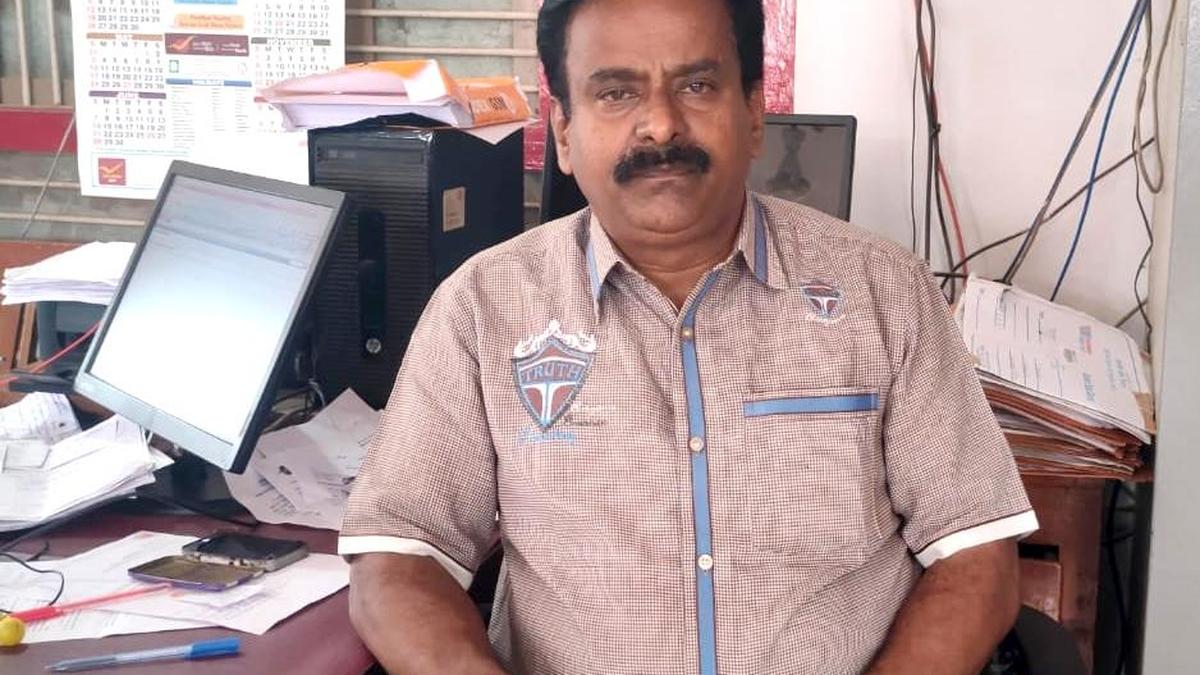
  • The national policy update followed a representation sent by postmaster Anche Kotresh from Vijayanagara to Union Minister Jyotiraditya Scindia.
  • While the letter requested urban postal coverage, the Ministry responded by substantially widening rural access limits under RPLI.
  • The expansion strengthens social safety nets by making low-premium life insurance accessible to broader rural demographics.
  • UPSC relevance highlights GS Paper 2 social security schemes, public grievance redressal mechanisms, and inclusive governance.
Story 2The Hindu ↗

Education and talent partnership vital to sustaining India-UK bilateral relations

  • Crossbench Peer Lord Karan Bilimoria highlighted university-business partnerships as essential anchors for future India-UK relations.
  • The analysis underscored that industry-informed curricula and joint research drive graduate employability in rapidly evolving technology sectors.
  • International student mobility between Indian higher education institutions and UK universities fosters long-term diaspora economic value.
  • Strengthening educational bridges supports bilateral trade ambitions by establishing reliable talent pipelines across both nations.
  • UPSC syllabus connection spans GS Paper 2 international relations, diaspora contributions, and educational policy integration.

Prelims Facts

Department of Posts expanded Rural Postal Life Insurance (RPLI) reach following citizen representation to the Communications Ministry.
RPLI serves as a primary micro-insurance financial inclusion vehicle managed by the Department of Posts across rural India.
UK-India higher education linkages emphasize industry-aligned curricula and collaborative academic research networks.

Mains Framework

Expanding rural social insurance coverage and deepening international educational exchanges provide dual pillars for socio-economic mobility and global human capital development.

Dimensions

Financial Inclusion

Scaling micro-life insurance schemes through post offices to cover vulnerable populations against economic shocks.

Citizen-Driven Governance

Demonstrating how micro-level representations can influence national social security policy modifications.

Educational Mobility

Utilizing diaspora ties and transnational academic partnerships to drive skills development and innovation.

Way forward

Digitize postal insurance administration for faster claim settlements and establish mutual recognition of academic qualifications between India and partner nations.

Key terms
Rural Postal Life Insurance (RPLI)Financial InclusionTalent HarvestDiaspora DiplomacyUniversity-Industry Partnership
Acts & articles
Insurance Regulatory and Development Authority Act, 1999National Education Policy (NEP) 2020Article 41 (Right to work, to education and to public assistance)

Practice MCQs — Test Your Understanding

6 questions · UPSC Prelims pattern · Tap an option to check your answer

DISASTER MANAGEMENT & GEOGRAPHYGlacial Hazards and Disaster Management in the Hindu Kush Himalaya

Scientific assessments warned of escalating Himalayan glacial risks months before Nepal disaster

Q1With reference to the March 2026 assessments on the Hindu Kush Himalaya (HKH) cryosphere by ICIMOD, consider the following statements: 1. Glacier ice loss across the Hindu Kush Himalaya has doubled since the year 2000. 2. Himalayan glaciers have lost up to 27 metres of ice thickness since 1975. 3. Small and high-altitude glaciers in the region are expanding due to increased winter snowfall. Which of the statements given above are correct?

GOVERNANCE & FEDERALISMDecentralised Agricultural Governance and Regional Development Planning

Kerala restructures Agriculture Development Committees across local body levels

Q2Regarding the reorganized Krishi Bhavan-level Agriculture Development Committees (ADCs) in Kerala, consider the following statements: 1. The chairperson of the 23-member Krishi Bhavan-level ADC is the local Gram Panchayat President. 2. The Principal Agriculture Officer nominates three farmer representatives, including at least one woman farmer, to the committee. 3. ADCs are legally prohibited from assessing farm sector credit availability or calamity responses. Which of the statements given above is/are correct?

ENVIRONMENT & ECONOMYEnvironmental Constraints of Digital Infrastructure and Resource Consumption

British political leaders demand moratorium on data centre expansion amid resource strain

Q3Why did political leaders in England demand a moratorium on approvals for new hyper-scale data centres?

BIODIVERSITY & ECOLOGYEcological Conservation Strategies and Human-Wildlife Conflict Dynamics

Scientific study reveals ecological drawbacks of artificial sea turtle nest relocation

Q4According to a study published in Marine Biology on green sea turtles at Heron Island, what were the consequences of relocating turtle nests to safer sand?

SCIENCE & TECHNOLOGY / INTERNATIONAL GOVERNANCEArtificial Intelligence Governance and Executive Supply Chain Restrictions

US Federal Court strikes down executive sanctions against artificial intelligence firm Anthropic

Q5In the context of technology governance, what was the primary legal ground on which the US Federal Court blocked executive sanctions against the AI firm Anthropic?

SECURITY & INTERNATIONAL RELATIONSDefense Procurement and India-US Bilateral Defense Cooperation

India signs deal with US to procure advanced Javelin anti-tank missile systems

Q6The Javelin missile system, recently contracted in a defense deal between India and the United States, is best described as a: