Iran Warns Regional Neighbors Against Supporting US Economic Sanctions
Iran’s top security adviser threatened neighboring Persian Gulf countries against collaborating with newly announced United States economic enforcement measures aimed at squeezing Tehran’s national economy and crude exports.
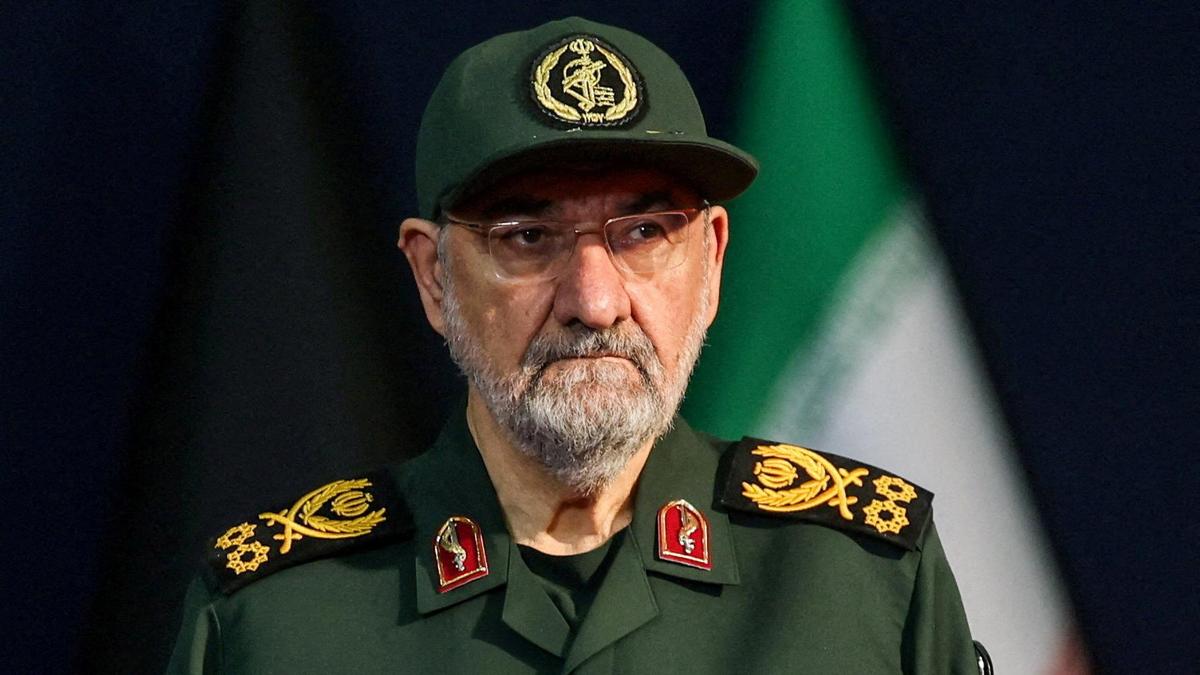
Mohsen Rezaei, the newly appointed leader of Iran’s Supreme National Security Council, issued the direct warnings from Dubai while addressing regional security dynamics in the Middle East.
Iran warned it would target alternative oil shipping bypass routes carrying millions of barrels daily if regional states join US economic containment strategies against Tehran.
The rhetoric coincides with diplomatic efforts by Egypt to revive stalled US-Iran negotiations while France and Saudi Arabia evaluate options to bypass the vulnerable Strait of Hormuz.
For UPSC aspirants, this highlights critical vulnerabilities in global energy supply chains, maritime choke points, and the geopolitical complexities governing India’s strategic trade corridors in West Asia.
United States and Iran Escalate Rhetoric Over Strait of Hormuz Sovereignty
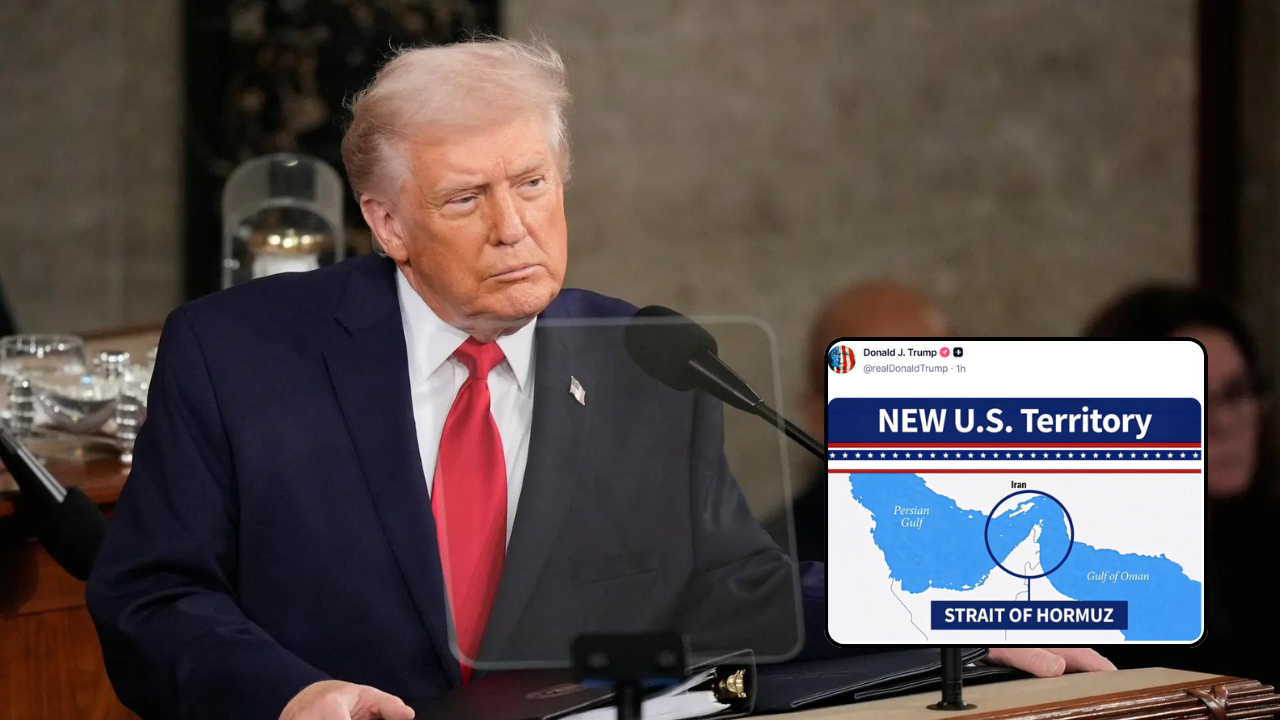
Geopolitical tensions spiked as US President Donald Trump shared material claiming the Strait of Hormuz as new American territory while Iran asserted the maritime waterway remains strictly closed.
Statements issued by US administration officials in Washington clashed directly with declarations from Mohsen Rezaei, Secretary of Iran’s Supreme National Security Council in Tehran.
The diplomatic standoff revolves around a crucial maritime passageway through which approximately one-fifth of global petroleum supplies and key liquefied natural gas shipments transit daily.
Iran insisted the strategic strait will not reopen until Washington shifts its policy, despite recent commercial reports indicating an actual uptick in commercial vessel traffic through the waterway.
This issue directly links to UPSC GS Paper 2 international relations topics, specifically Freedom of Navigation (FONOPs), international maritime laws, and Indian energy security interests.
Israel Expresses Serious Security Concerns to US Over Hamas Disarmament Proposal
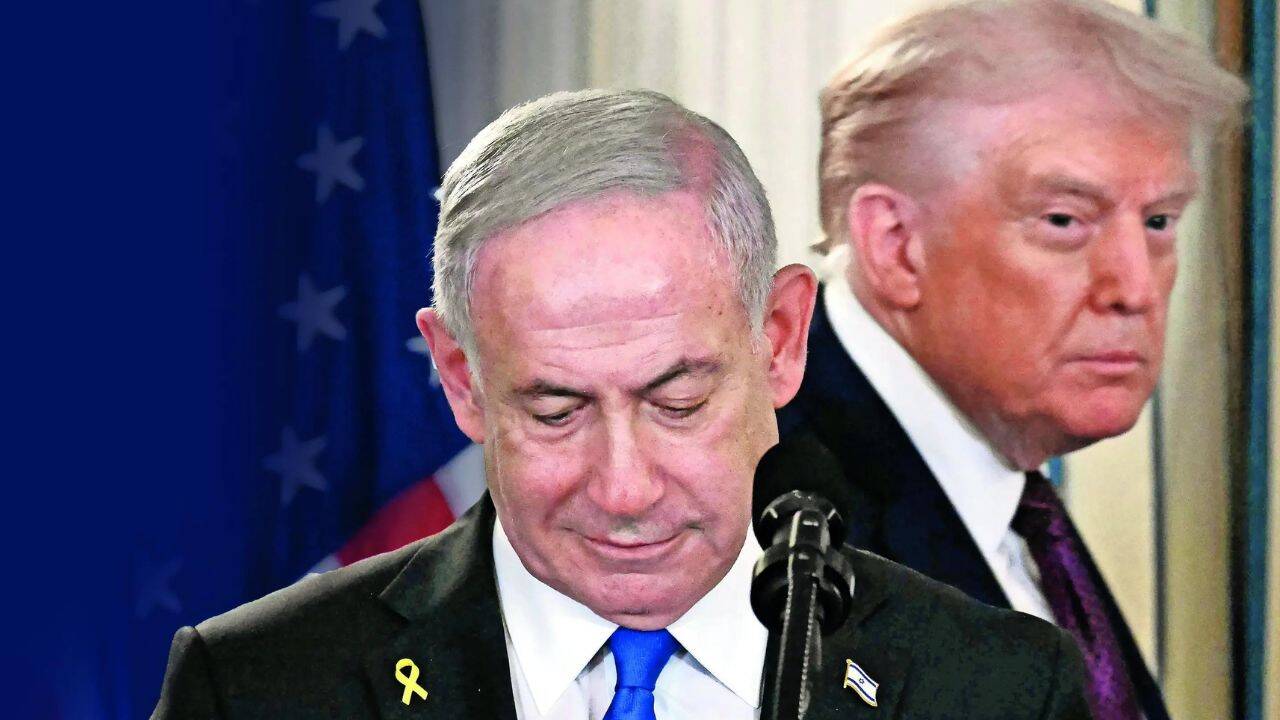
Israel conveyed formal security objections to the United States regarding a proposed disarmament framework, warning that premature troop redeployments could allow militant groups to rebuild combat infrastructure.
Doron Spielman, spokesperson for Israeli Prime Minister Benjamin Netanyahu’s office, detailed the security assessments during official communications with White House representatives in Washington.
Israeli defense forces currently maintain operational control over more than 60 percent of Gaza’s territory and refuse full withdrawal until complete physical surrendering of weapons occurs.
Tel Aviv fears that inadequate verification protocols could lead to a rapid expansion of militant networks across Gaza, mirroring conditions prior to the October 2023 regional conflict escalation.
Relevant for UPSC GS Paper 2, focusing on West Asian peace negotiations, post-conflict reconstruction mechanisms, international security assurances, and strategic dilemmas in conflict zones.
Prelims Facts
The Strait of Hormuz connects the Persian Gulf with the Gulf of Oman and the Arabian Sea, serving as the world's most critical crude oil transit passage.
Approximately 20% (one-fifth) of global petroleum supplies and significant LNG exports pass through the Strait of Hormuz daily.
International maritime law under UNCLOS grants vessels the right of transit passage through international straits used for international navigation.
Mains Framework
The worsening geopolitical confrontation in West Asia, highlighted by threats to seal the Strait of Hormuz, severely threatens global economic stability and energy security.
Dimensions
Energy Vulnerability
Threats to Hormuz trigger global crude oil price spikes, inflating India's current account deficit and domestic fuel costs.
Diplomatic Trade-offs
Navigating strategic autonomy amidst growing friction between Western powers and regional West Asian states.
Maritime Freedom
Tensions jeopardize international freedom of navigation principles governed by UNCLOS along vital trade corridors.
Way forward
India must accelerate strategic petroleum reserve expansion, diversify crude import sources, and engage proactive naval diplomacy to safeguard commercial shipping lanes.
Key terms
Strait of HormuzFreedom of NavigationStrategic Energy ReservesMaritime Choke PointsAsymmetric Warfare
Acts & articles
UNCLOS Article 38 (Right of Transit Passage)Merchant Shipping Act, 1958
02
GS PAPER 3 - ENVIRONMENT & ECOLOGY
Environmental Conservation & Climate Resilience: Artificial Reefs and Green Maritime Logistics
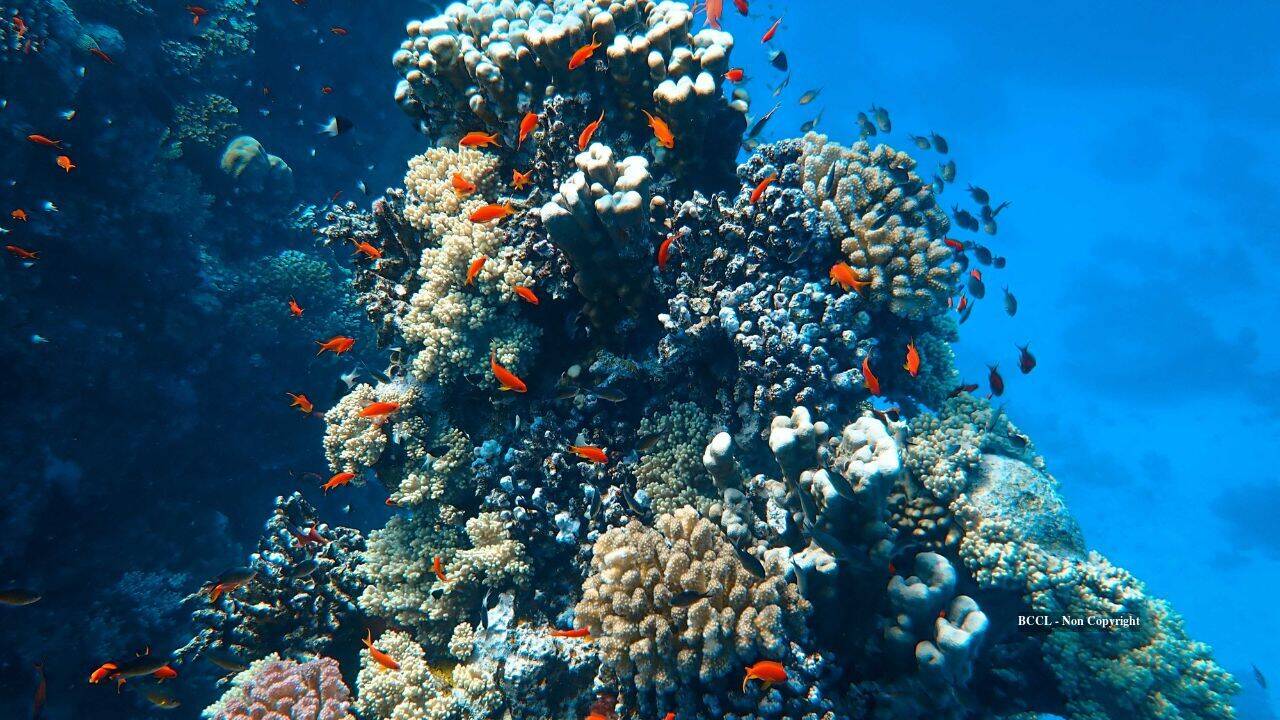
An innovative coastal ecological project submerged concrete car sculptures to construct a surreal artificial reef designed to foster marine biodiversity and protect vulnerable shorelines from storm surges.
Led by artistic director Ximena Caminos under the REEFLINE initiative, the installation was placed 20 feet underwater along the Miami Beach coastline in Florida.
The submerged installation features 22 specially engineered concrete vehicles intended to support over 2,200 coral colonies and cultivate diverse localized marine species.
The project transforms symbols of automotive carbon pollution into regenerative artificial habitats while simultaneously bolstering coastal defenses against rising sea levels and extreme storm activity.
Serves as an instructive case study for UPSC GS Paper 3 Environment on artificial reef technology, coral conservation strategies, and eco-friendly coastal defense infrastructure.
Sailing Vessel Revives Engine-Free Transatlantic Wind Cargo Transport to Cut Emissions
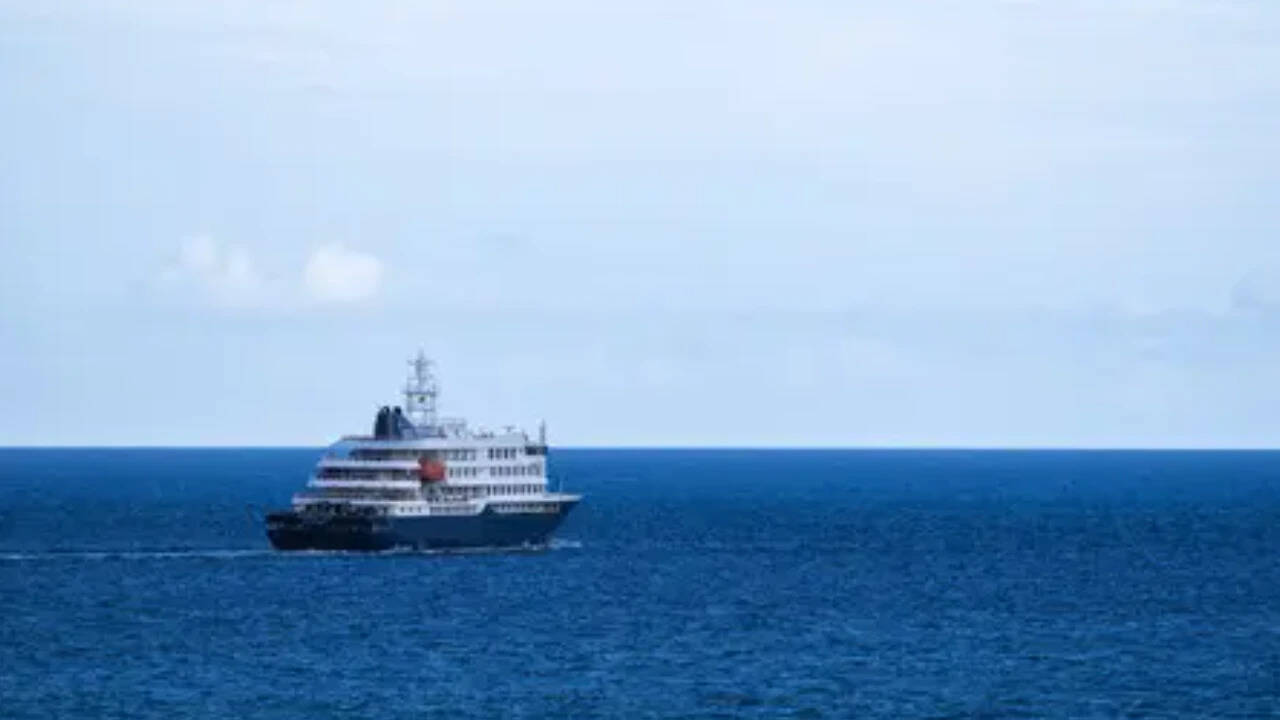
A twin-masted sailing ship successfully completed an engine-free transatlantic voyage, demonstrating the commercial viability of zero-emission wind propulsion for long-distance maritime trade.
Managed by Sabine Fox of Fairtransport, the 32-meter brigantine Tres Hombres docked in Amsterdam after transporting organic freight across the Atlantic Ocean from the Caribbean.
The vessel carried 40 tonnes of sustainable rum, coffee, and cocoa across a 7,000-kilometer sea route without utilizing internal combustion engines during transit.
The initiative highlights alternative green shipping solutions aimed at addressing global maritime carbon emissions, which account for approximately three percent of global greenhouse gas emissions.
Highly applicable to UPSC GS Paper 3 topics covering maritime decarbonization, sustainable supply chain management, and eco-friendly technological innovations in global logistics.
Long-Term Life Estate Agreements Preserve Generational Farming Within National Parks
Historical records highlight a unique life estate agreement that permitted a private agricultural family to continue working cattle operations inside public land following government land acquisition.
The Stewart family negotiated terms with the US National Park Service regarding their historic property situated at Point Reyes National Seashore in California.
The agreement encompassed 890 acres of land purchased in 1974, enabling nearly five decades of continued agricultural usage before the family retired in 2021.
The model illustrates how legal compromises can reconcile conflicts between public land conservation initiatives and traditional agricultural heritage without triggering immediate community displacement.
Provides insights for UPSC GS Paper 2 and 3 regarding land acquisition models, rights-based conservation frameworks, and balancing heritage livelihoods with environmental preservation.
Prelims Facts
Artificial reefs engineered from non-toxic concrete provide structural substrate necessary for coral polyp attachment and fish habitat generation.
Maritime transport contributes approximately 3% of global anthropogenic greenhouse gas emissions annually.
Life estate legal agreements permit original land occupants to maintain residential or agricultural rights on conserved public lands until death or agreed retirement.
Mains Framework
Innovative ecological engineering and low-carbon transport models offer vital pathways to reverse biodiversity loss and mitigate anthropogenic climate change.
Dimensions
Ecological Restoration
Utilizing bio-compatible artificial reefs to revive damaged marine ecosystems and protect shorelines from coastal erosion.
Logistical Decarbonization
Re-evaluating traditional wind propulsion technologies to drastically reduce greenhouse gas emissions in maritime shipping.
Conserved Land Governance
Balancing community livelihood rights with national park preservation through flexible legal land-use agreements.
Way forward
Scale up blue economy funding for coastal ecosystem restoration and incentivize alternative low-emission propulsion technologies across commercial maritime fleets.
Indian Coast Guard Conducts Search Operation After Bulk Carrier Sinks off Paradip
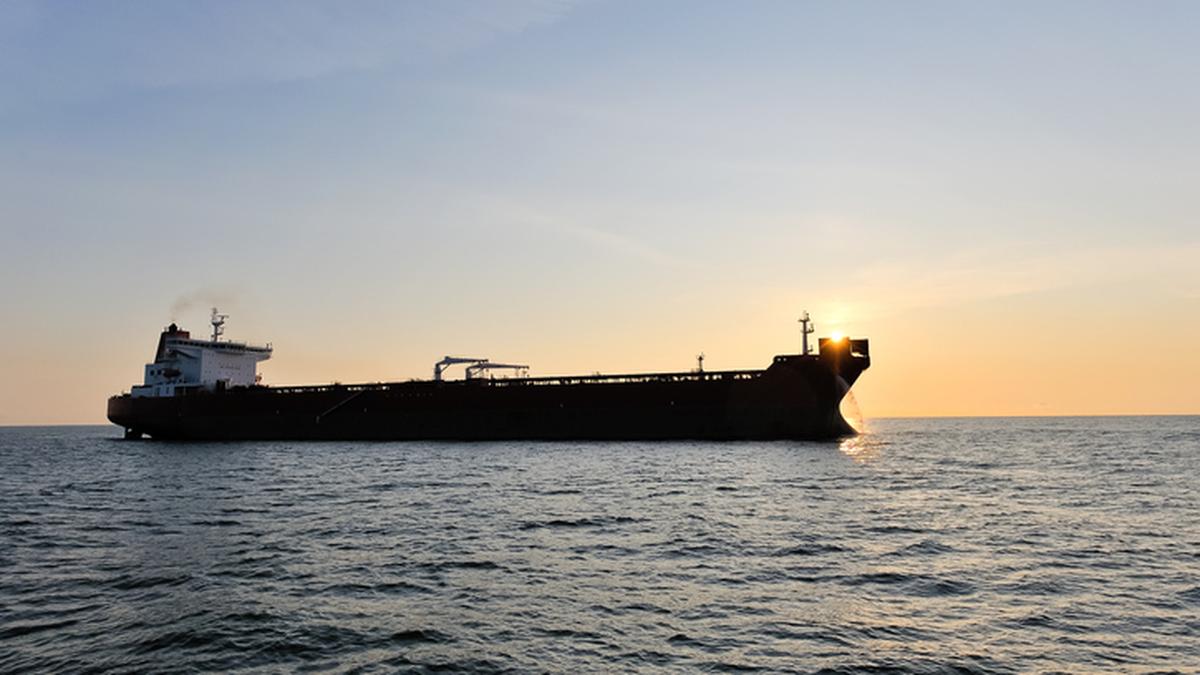
The Indian Coast Guard deployed multiple specialized vessels to execute an urgent maritime search-and-rescue mission after an international bulk cargo ship sank in deep oceanic waters.
Coordinated by the Maritime Rescue Coordination Centre in Sri Vijaya Puram, operations targeted waters 240 nautical miles off the Paradip coastline in Odisha.
Search efforts focused on saving 24 missing crew members—comprising 20 Chinese, three Myanmarese, and one Bangladeshi national—following the vessel's sudden loss of communication.
The Panama-flagged vessel, MV Ocean Winner, was transporting iron ore from Paradip port to Singapore when emergency signals prompted the diversion of nearby merchant ships.
Relevant for UPSC GS Paper 3 Disaster Management, covering maritime domain awareness, Search and Rescue (SAR) legal frameworks, and India's Indian Ocean regional responsibilities.
Prelims Facts
The Indian Coast Guard operates under the Ministry of Defence and acts as the lead agency for Maritime Search and Rescue in India's SAR region.
Maritime Rescue Coordination Centres (MRCCs) function as operational nodes coordinating emergency responses, vessel diversions, and air-sea rescues.
Paradip Port in Odisha is a major deep-water commercial seaport situated on the east coast of India along the Bay of Bengal.
Mains Framework
Frequent maritime incidents in the Bay of Bengal underline the imperative for robust Search and Rescue (SAR) infrastructure and seamless inter-agency coordination.
Dimensions
Operational Readiness
Diversion of merchant vessels and rapid deployment of Coast Guard assets during deep-sea maritime emergencies.
Regional Responsibility
Fulfilling international humanitarian commitments within India's designated Search and Rescue Region (ISRR).
Technological Integration
Utilizing real-time satellite tracking and AIS signals to mitigate communication loss with commercial freighters.
Way forward
Upgrade deep-sea SAR aircraft capability, strengthen bilateral intelligence sharing with neighboring littoral states, and enforce strict seaworthiness audits at commercial ports.
Key terms
Search and Rescue (SAR)Indian Coast GuardMRCCBay of BengalMaritime Safety
Acts & articles
Coast Guard Act, 1978International Convention on Maritime Search and Rescue (SAR Convention), 1979
04
GS PAPER 2 - ISSUES RELATING TO HEALTH & SOCIAL SECTOR
Public Health & Urban Safety Governance: Institutional Strategy to Prevent Drowning Deaths
Public Health Experts Call for Comprehensive Strategy to Curb Drowning Mortalities
Policy experts advocate recognizing drowning as a severe, preventable public health crisis requiring structured multi-sectoral intervention strategies and stringent safety regulations across urban and rural water bodies.
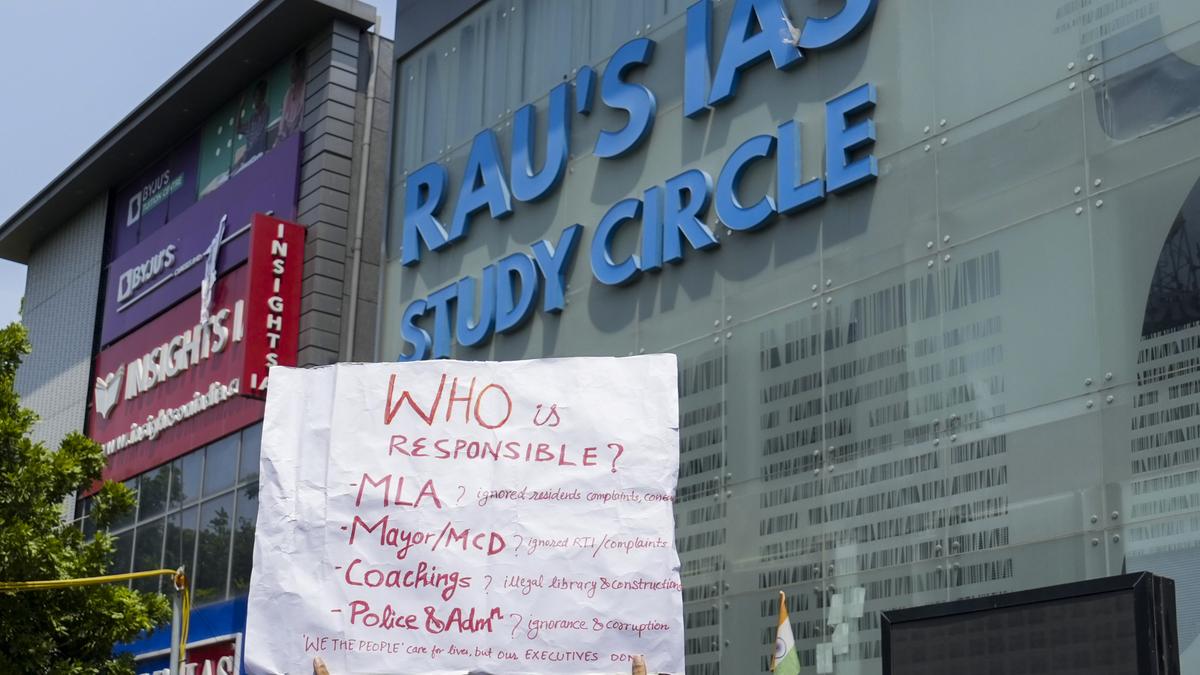
Analysis authored by Lopa Ghosh highlights systemic regulatory gaps across Indian cities, emphasizing incidents like urban basement flooding in New Delhi and open water hazards.
Globally, forced displacement affecting 120 million people, climate-induced flooding, and unmonitored aquatic infrastructure combine to make drowning a top cause of unnatural death.
Drowning remains overlooked in national health frameworks despite WHO-led Drowning Prevention Day initiatives emphasizing barrier enforcement, mandatory swimming instruction, and municipal oversight.
Essential for UPSC GS Paper 2 Public Health and GS Paper 3 Urban Disaster Mitigation, underlining civic regulatory enforcement and community-level safety mechanisms.
Prelims Facts
World Drowning Prevention Day is a global event led by the World Health Organization (WHO) annually to highlight drowning as a major cause of death.
Drowning is identified globally as one of the top causes of accidental death among children and young adults aged 1–24 years.
Regulatory enforcement of building bylaws in municipal areas falls under the purview of state governments and urban local bodies (ULBs).
Mains Framework
Despite high mortality, drowning remains a neglected public health crisis in India, driven by lax civic safety enforcement, climate extreme events, and unmonitored water structures.
Dimensions
Regulatory Enforcement
Lax municipal oversight regarding open water storage, basement safety regulations, and coaching hub infrastructure.
Socio-Economic Vulnerability
Marginialized rural communities and displaced populations face disproportionate risks due to unsafe daily water access.
Public Health Integration
Absence of drowning prevention protocols within national disaster management plans and public safety frameworks.
Way forward
Implement mandatory physical barriers around open water bodies, enforce strict municipal structural safety compliance, and introduce community swimming training programs.
Key terms
Public Health CrisisPreventable MortalityUrban Planning RegulationsDrowning PreventionCivic Accountability
Acts & articles
Article 21 (Right to Life and Personal Liberty)Disaster Management Act, 2005
05
GS PAPER 3 - INFRASTRUCTURE & ENVIRONMENT
Major Infrastructure & Resettlement Rights: Tribal Rehabilitation in Ken-Betwa River Link
Madhya Pradesh Chief Minister Orders Ground Redressal for Ken-Betwa Project Displacees
State authorities instructed district administrators to conduct direct household visits across affected villages to evaluate grievances related to compensation and land rehabilitation under river-linking works.
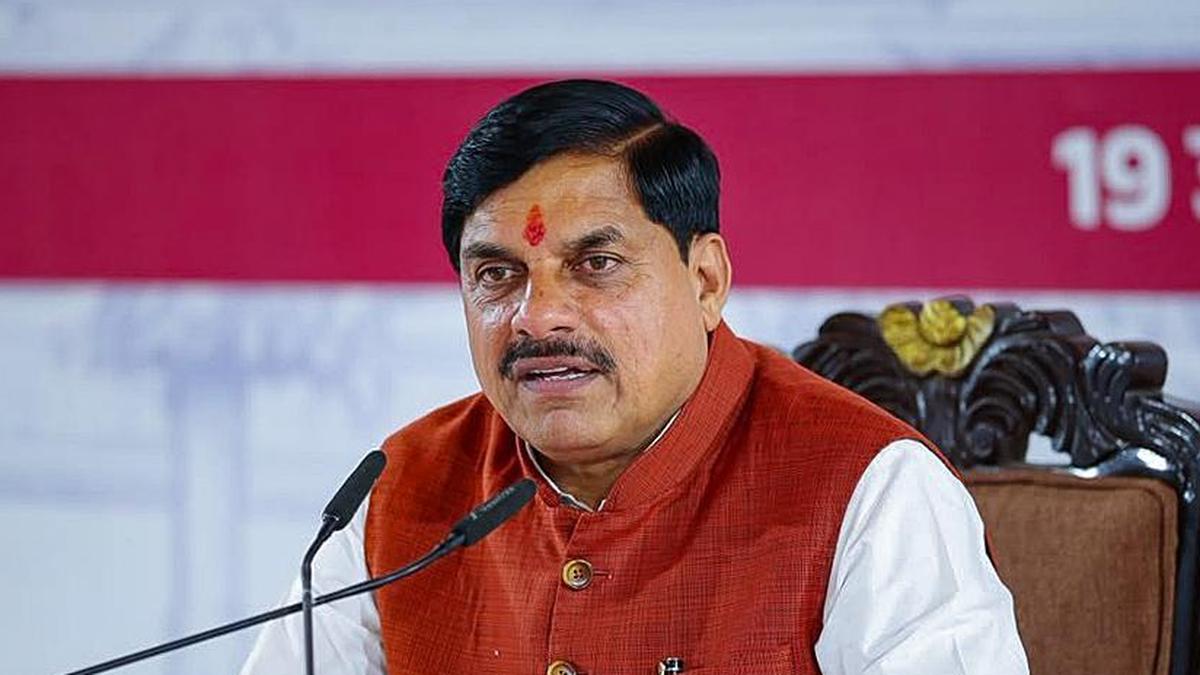
Madhya Pradesh Chief Minister Mohan Yadav issued explicit administrative mandates to Panna and Chhatarpur district officials following high-level review meetings in Khajuraho.
The order addresses public displacement concerns linked to the ₹44,000 crore Ken-Betwa Link Project alongside local irrigation infrastructure developments like Majhgaon and Runjh.
The administrative intervention follows sustained protests by indigenous Adivasi communities resisting relocation and parliamentary representations advocating fair rehabilitation under national land acquisition frameworks.
Directly applicable to UPSC GS Paper 3 Infrastructure and Environment, focusing on social impact assessments, tribal rights under LARR Act 2013, and inter-basin transfer trade-offs.
Prelims Facts
The Ken-Betwa Link Project (KBLP) is India's first major inter-river basin transfer project under the National Perspective Plan.
The project involves transferring surplus water from the Ken river to the Betwa river, benefiting the drought-prone Bundelkhand region across MP and UP.
The Panna Tiger Reserve in Madhya Pradesh is significantly impacted by the submergence zone of the Daudhan dam built under KBLP.
Mains Framework
While the Ken-Betwa inter-linking project promises crucial irrigation to drought-hit Bundelkhand, it poses severe challenges regarding Adivasi displacement and environmental conservation.
Dimensions
Socio-Economic Rights
Inadequate compensation and delayed resettlement creating deep resentment among displaced tribal populations.
Ecological Footprint
Inundation of pristine forest habitats within the Panna Tiger Reserve threatening localized wildlife conservation.
Administrative Responsiveness
The necessity of doorstep grievance redressal mechanisms to resolve long-pending rehabilitation claims.
Way forward
Ensure transparent implementation of the RFCTLARR Act 2013, prioritize land-for-land compensation for displaced tribals, and execute robust compensatory afforestation plans.
Key terms
Ken-Betwa Link ProjectInter-Linking of RiversLARR Act 2013Forest Rights ActBundelkhand
Acts & articles
Right to Fair Compensation and Transparency in Land Acquisition, Resettlement and Rehabilitation Act, 2013Scheduled Tribes and Other Traditional Forest Dwellers (Recognition of Forest Rights) Act, 2006
06
GS PAPER 3 - ECONOMY & GLOBAL TRADE
International Trade Warfare & Tariff Geopolitics: Escalating US-Canada Trade Dispute
Canada Announces Retaliatory Tariffs Against United States Following Duty Escalation
Canadian trade authorities enacted counter-tariff measures against American goods following the breakdown of bilateral trade negotiations and unilateral duty hikes imposed by the United States.
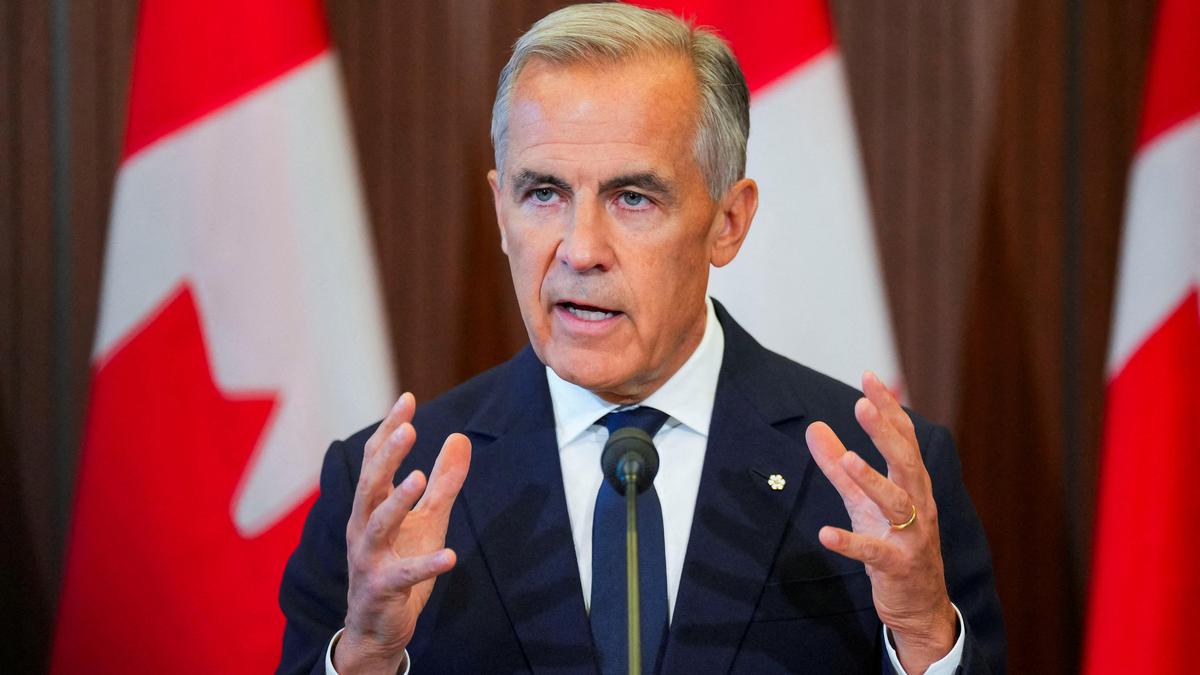
Canadian Prime Minister Mark Carney announced retaliatory actions from Ottawa after high-level ministerial discussions in Washington ended without consensus on trade terms.
The trade dispute was triggered by new 50 percent US tariffs impacting approximately $20 billion worth of Canadian goods, representing 5.5 percent of total exports.
Impacted goods span diverse commercial sectors from construction materials to consumer products, escalating cross-border economic friction between two key North American trading partners.
Important for UPSC GS Paper 3 Economy, illustrating trade protectionism, WTO dispute resolution vulnerabilities, and global economic supply chain disruptions.
Prelims Facts
Retaliatory tariffs are counter-duties imposed by a country to offset unilateral tariffs enacted by a trading partner.
The United States-Mexico-Canada Agreement (USMCA) replaced NAFTA as the dominant trilateral free trade deal in North America.
Article XXI of the GATT allows WTO members to take trade-restrictive actions for essential security interests.
Mains Framework
The breakdown of bilateral trade negotiations and imposition of punitive counter-tariffs between the US and Canada highlight escalating protectionism eroding rule-based global trade.
Dimensions
Economic Disruption
Punitive tariffs on high-value goods disrupt integrated North American supply chains and trigger localized inflation.
Institutional Breakdown
Circumvention of WTO dispute settlement mechanisms in favor of unilateral protectionist measures.
Spillover Effects
Trade friction between developed allies creates market volatility affecting emerging economies' global trade balances.
Way forward
Re-establish functional dispute settlement bodies at the WTO and return to rules-based bilateral negotiations under existing multilateral trade agreements.
Uttar Pradesh Deputy CM Assures Dialogue Over Student Reservation Reform Demands
State leadership initiated official dialogue with representatives of student organizations demanding structural reforms in reservation policies, promising direct engagement with Union Ministers.
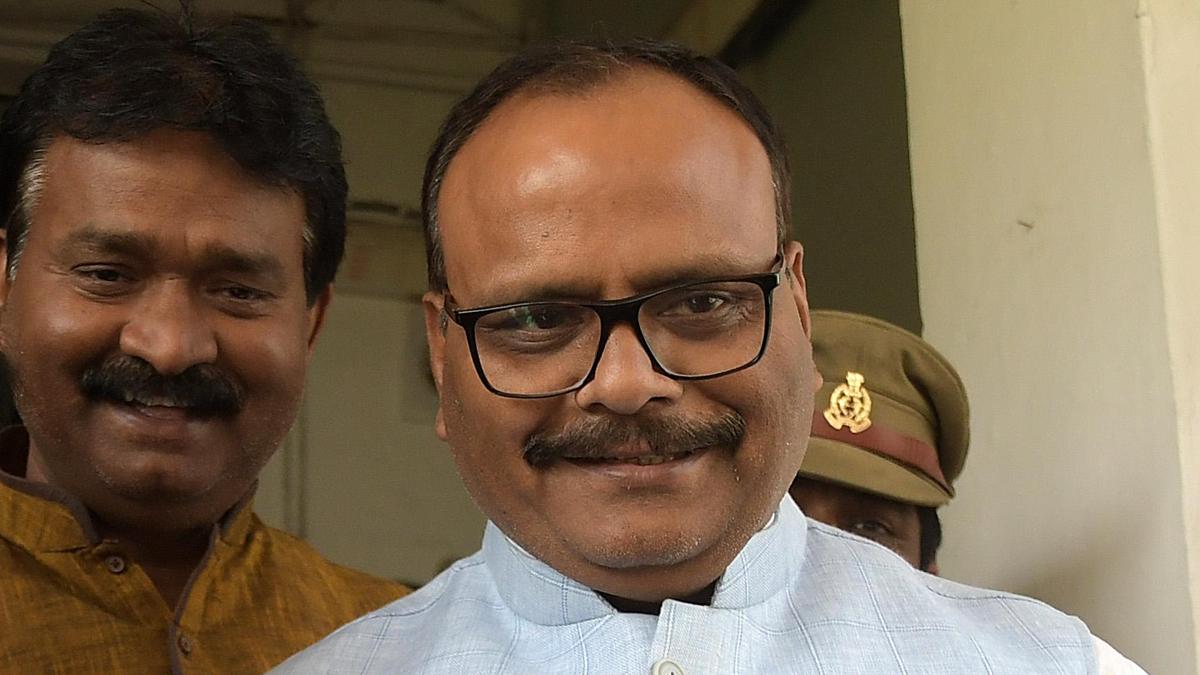
Uttar Pradesh Deputy Chief Minister Brajesh Pathak held talks with student leaders in Lucknow following demonstrations organized at Jantar Mantar in New Delhi.
Delegations representing thousands of student agitators submitted formal memorandums seeking policy reviews on affirmative action implementation frameworks in government recruitment.
While state officials promised central cabinet mediation, key activist factions maintained independent protests, insisting on direct ministerial commitments before concluding their movement.
Highly relevant for UPSC GS Paper 2 Indian Constitution and Governance, addressing Article 16 affirmative action provisions, youth agitations, and public policy administration.
Prelims Facts
Article 16(4) of the Indian Constitution empowers the State to make provisions for reservation of appointments in favor of backward classes.
Article 345 empowers State Legislatures to adopt any one or more regional languages as the official language for administrative purposes within that state.
The Indra Sawhney judgment (1992) established the 50% ceiling limit on reservations and introduced the creamy layer exclusion criterion.
Mains Framework
Balancing public agitations over public employment reservation criteria requires transparent consultative governance and constitutional compliance.
Dimensions
Constitutional Equilibrium
Reconciling demand for reservation structural reforms with constitutional provisions under Articles 15 and 16.
Democratic Engagement
Institutionalizing structured dialogue between government leadership and protesting student groups to prevent systemic disruptions.
Regional Language Mandates
Managing administrative compliance drives requiring transport operators to demonstrate practical regional language skills.
Way forward
Establish permanent, data-driven commissions to review public employment reservation frameworks while ensuring transparent stakeholder consultation.
Surveillance Technology Backlash Sparks National Debate Over AI Privacy Controls
Corporate leaders defending artificial intelligence traffic surveillance tools argued that public safety must be balanced against absolute individual privacy rights amidst widespread camera vandalism.
Flock Safety Chief Executive Garrett Langley addressed growing national opposition during public broadcasts following public pushback across several American municipalities.
Millions of automated license plate readers and AI cameras deployed across urban transit networks have become targets of deliberate civilian property damage and regulatory challenges.
Critics demand total bans on predictive surveillance technology, whereas proponents advocate establishing standardized statutory frameworks, similar to traffic safety legislation, rather than complete prohibitions.
Essential for UPSC GS Paper 3 Cyber Security and GS Paper 2 Governance, exploring Article 21 privacy rights, AI regulation, and public surveillance ethics.
Swedish Law Enforcement Probes Online Radicalization Networks Following High School Attack
Police investigators launched comprehensive cyber inquiries into digital forums to determine whether a fatal high school attack was incited by online violent extremisms.
Swedish law enforcement authorities initiated digital forensic investigations in Fagersta following a violent assault that caused the death of a 17-year-old female student.
Inquiries focus on social media accounts that posted weapon imagery 20 minutes prior to the assault and shared content referencing historical far-right violence.
The incident underscores escalating international concerns over youth online radicalization, where encrypted platforms and video sharing apps amplify violent ideologies among teenagers.
Crucial for UPSC GS Paper 3 Cyber Warfare and Internal Security, highlighting social media monitoring, digital radicalization mechanisms, and youth safety interventions.
US Defense Leadership Faces Vacancies Amid Senior Civilian Administrative Resignations
Senior military civilian governance faced leadership instability as a top defense official announced plans to step down following administrative friction within the Pentagon.
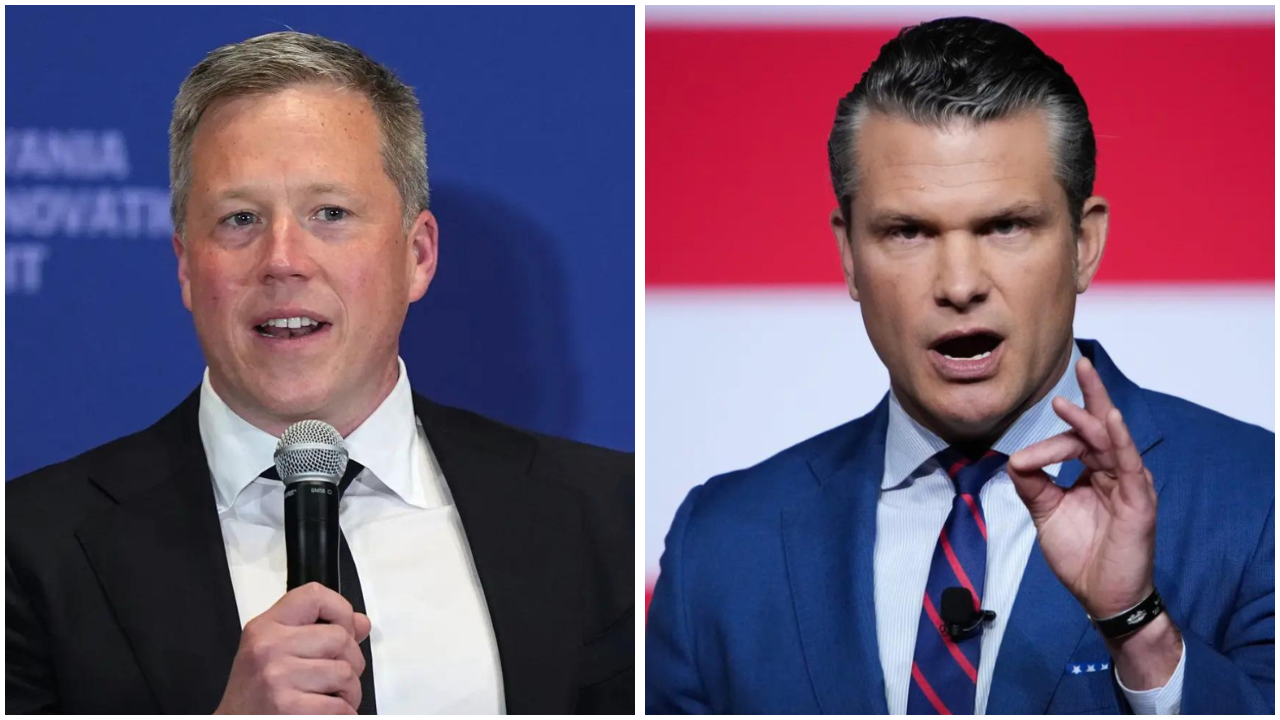
US Army Secretary Dan Driscoll prepared his resignation in Washington amidst reporting of ongoing policy disagreements with Defense Secretary Pete Hegseth.
Driscoll’s planned exit after a 24-month tenure leaves the military branch without Senate-confirmed leadership across both its civilian secretary and chief of staff positions.
The leadership transition highlights governance challenges within defense establishments when executive policy clashes disrupt institutional continuity and Senate confirmation processes.
Connects to UPSC GS Paper 2 Civil Services and Defense Governance, demonstrating civil-military relations, tenure stability, and administrative oversight mechanisms.
Prelims Facts
The Right to Privacy was declared a fundamental right under Article 21 by a 9-judge bench in the K.S. Puttaswamy v. Union of India judgment (2017).
Cyber radicalization refers to the process where individuals are induced to adopt extremist ideologies through digital communications and social media platforms.
International cyber fraud involving tech-support pop-ups typically utilizes social engineering tactics to manipulate victims into unauthorized financial transfers.
Mains Framework
The expansion of AI surveillance systems and online radicalization networks highlights the acute tension between technological law enforcement tools and fundamental civil liberties.
Dimensions
Surveillance Ethics
Balancing public safety benefits of automated license plate readers against individual Article 21 privacy protections.
Digital Extremism
Cyber networks leveraging encrypted social media algorithms to radicalize youth and coordinate violent attacks.
Transnational Crime
Mitigating cross-border financial cyber scams through international law enforcement coordination and strict judicial restitution.
Way forward
Draft comprehensive legislative frameworks governing AI camera deployment with built-in accountability mechanisms, and strengthen international cyber forensic cooperation.
Key terms
AI SurveillanceRight to PrivacyCyber RadicalizationFinancial CybercrimeCivil-Military Relations
5 questions · UPSC Prelims pattern · Tap an option to check your answer
GS PAPER 2 - INTERNATIONAL RELATIONSWest Asia Geopolitics & Energy Security: Strait of Hormuz Standoff and Regional Crisis
United States and Iran Escalate Rhetoric Over Strait of Hormuz Sovereignty
Q1Consider the following statements regarding the Strait of Hormuz:
1. It connects the Persian Gulf with the Gulf of Oman and the Arabian Sea.
2. Approximately one-fifth (20%) of global petroleum consumption transits through this maritime choke point daily.
3. Under the United Nations Convention on the Law of the Sea (UNCLOS), coastal states can permanently close international straits to commercial transit without restrictions.
Which of the statements given above is/are correct?
Answer: Option A
Statements 1 and 2 are correct. The Strait of Hormuz connects the Persian Gulf to the Gulf of Oman and Arabian Sea, carrying roughly 20% of world petroleum. Statement 3 is incorrect because UNCLOS Article 38 mandates the Right of Transit Passage for all ships through international straits, which cannot be suspended or impeded by coastal states during peacetime.
GS PAPER 3 - ENVIRONMENT & ECOLOGYEnvironmental Conservation & Climate Resilience: Artificial Reefs and Green Maritime Logistics
Q2In coastal zone management and marine ecology, artificial reefs constructed from stable concrete structures serve which of the following ecological benefits?
1. Providing substrate attachment surfaces for coral larvae recruitment.
2. Attenuating wave energy to reduce coastal storm surge erosion.
3. Creating habitat complexity that supports localized marine biodiversity.
Select the correct answer using the code given below:
Answer: Option D
All three statements are correct. Submerged artificial structures made from engineered concrete offer hard substrate for coral attachment, absorb incoming wave energy to shield beaches from storm surges, and provide structural shelter that boosts localized fish populations and marine organisms.
GS PAPER 3 - DISASTER MANAGEMENTMaritime Disaster Management & SAR Operations: Safety Protocol in Bay of Bengal
Indian Coast Guard Conducts Search Operation After Bulk Carrier Sinks off Paradip
Q3Which national institution acts as the primary nodal agency for coordinating Maritime Search and Rescue (SAR) missions within India's Search and Rescue Region (ISRR)?
Answer: Option B
The Indian Coast Guard (ICG) is the designated lead agency for coordinating Maritime Search and Rescue operations within India's Search and Rescue Region (ISRR) through its network of Maritime Rescue Coordination Centres (MRCCs).
GS PAPER 3 - INFRASTRUCTURE & ENVIRONMENTMajor Infrastructure & Resettlement Rights: Tribal Rehabilitation in Ken-Betwa River Link
Madhya Pradesh Chief Minister Orders Ground Redressal for Ken-Betwa Project Displacees
Q4Regarding the Ken-Betwa Link Project (KBLP), consider the following statements:
1. It is designed to transfer surplus water from the Ken river basin in Madhya Pradesh to the Betwa river basin.
2. The primary area benefiting from the project is the drought-prone Bundelkhand region spanning parts of Madhya Pradesh and Uttar Pradesh.
Which of the statements given above is/are correct?
Answer: Option C
Both statements are correct. The Ken-Betwa Link Project involves transferring surplus water from the Ken river to the water-deficit Betwa river to provide irrigation and drinking water across the drought-prone Bundelkhand region situated in MP and UP.
GS PAPER 3 - ECONOMY & GLOBAL TRADEInternational Trade Warfare & Tariff Geopolitics: Escalating US-Canada Trade Dispute
Canada Announces Retaliatory Tariffs Against United States Following Duty Escalation
Q5In international trade policy, the term 'retaliatory tariff' refers to:
Answer: Option B
A retaliatory tariff is a protective tariff enacted by a government in response to unilateral import tariffs or trade restrictions placed on its exports by another trading partner, aimed at neutralizing the unfair trade advantage or compelling negotiation.