United States Claims Control Over Strait of Hormuz Amid Stalled Iran Talks
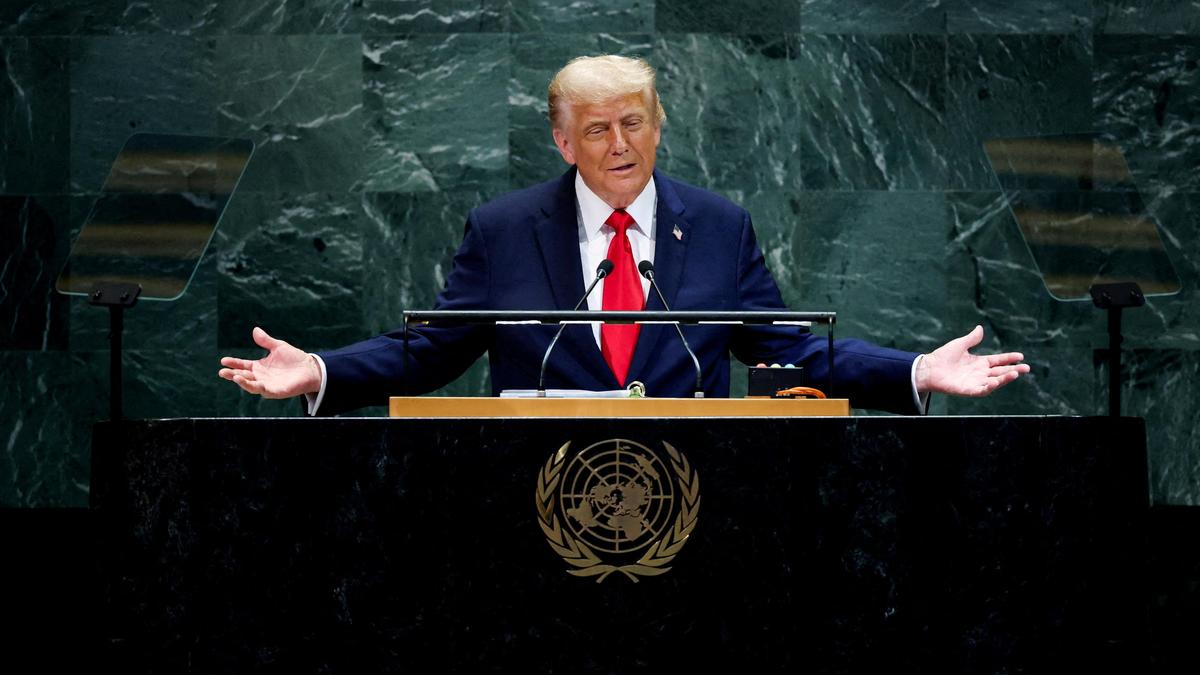
U.S. President Donald Trump declared that Washington maintains comprehensive operational control over the Strait of Hormuz and surrounding land areas during an escalating conflict with Tehran.
Addressing a rally in Myrtle Beach, South Carolina, Trump stated that Iran seeks a settlement but remains unready to finalize acceptable terms for Washington.
The U.S. administration reiterated its firm stance that Tehran will not be permitted to develop nuclear weapons under any circumstance, threatening severe economic measures.
Washington is actively lobbying international allies and major global economic powers, including China, to back its intensified sanctions and economic measures against Iran.
The diplomatic standoff directly impacts global shipping lanes, as security risks escalate across critical energy transit routes in West Asia, affecting worldwide energy supply dynamics.
Iranian President Calls for War Resolution Following Expiry of Washington Memorandum
Iranian President Masoud Pezeshkian called for an immediate conclusion to the ongoing war with the United States, asserting Tehran holds a position of strength.
Pezeshkian stated during a medical forum that the international community recognizes Iran's resistance while accusing U.S. forces of striking civilian infrastructure, schools, and hospitals.
The statement comes shortly after a bilateral Memorandum of Understanding between Washington and Tehran expired without producing a lasting diplomatic breakthrough.
Iranian military commanders warned of readiness to respond while political leaders framed the current situation as a strategic victory against external aggression.
The stalemate underscores the fragility of conflict containment mechanisms in West Asia, directly influencing global oil markets and regional maritime safety protocols.
Prelims Facts
The Strait of Hormuz connects the Persian Gulf with the Gulf of Oman and the Arabian Sea.
Approximately one-fifth of the world's total petroleum consumption passes through the narrow waterway of the Strait of Hormuz.
A bilateral Memorandum of Understanding (MoU) on temporary conflict cessation between Washington and Tehran expired without formal renewal.
Mains Framework
Escalating hostility between the United States and Iran in West Asia threatens freedom of navigation in the Strait of Hormuz, raising grave concerns over global energy supply stability and international maritime security.
Dimensions
Strategic and Energy Security
Disruptions in the Strait of Hormuz impact India's hydrocarbon imports and inflate global crude oil prices.
Diplomatic and Security Implications
Stall in nuclear negotiations risks wider regional conflict involving regional middle powers and nuclear proliferation threats.
Economic Consequences
Escalated maritime security risk surcharges increase global freight rates and supply chain bottlenecks for import-dependent nations.
Way forward
Efforts must focus on multilateral diplomacy under United Nations auspices, restoring bilateral confidence-building measures, and securing international guarantees for unhindered transit through maritime chokepoints.
Key terms
Strait of HormuzMaritime ChokepointsEnergy SecurityNuclear Non-ProliferationSanctions Regime
Acts & articles
UNCLOS Article 38 (Right of Transit Passage)UN Security Council Resolution 2231 (Iran Nuclear Issue)Article 51 of the UN Charter (Self-Defence Rights)
02
GS III: ENVIRONMENT & ECOLOGY
Invasive Alien Species Management and Island Biodiversity Conservation
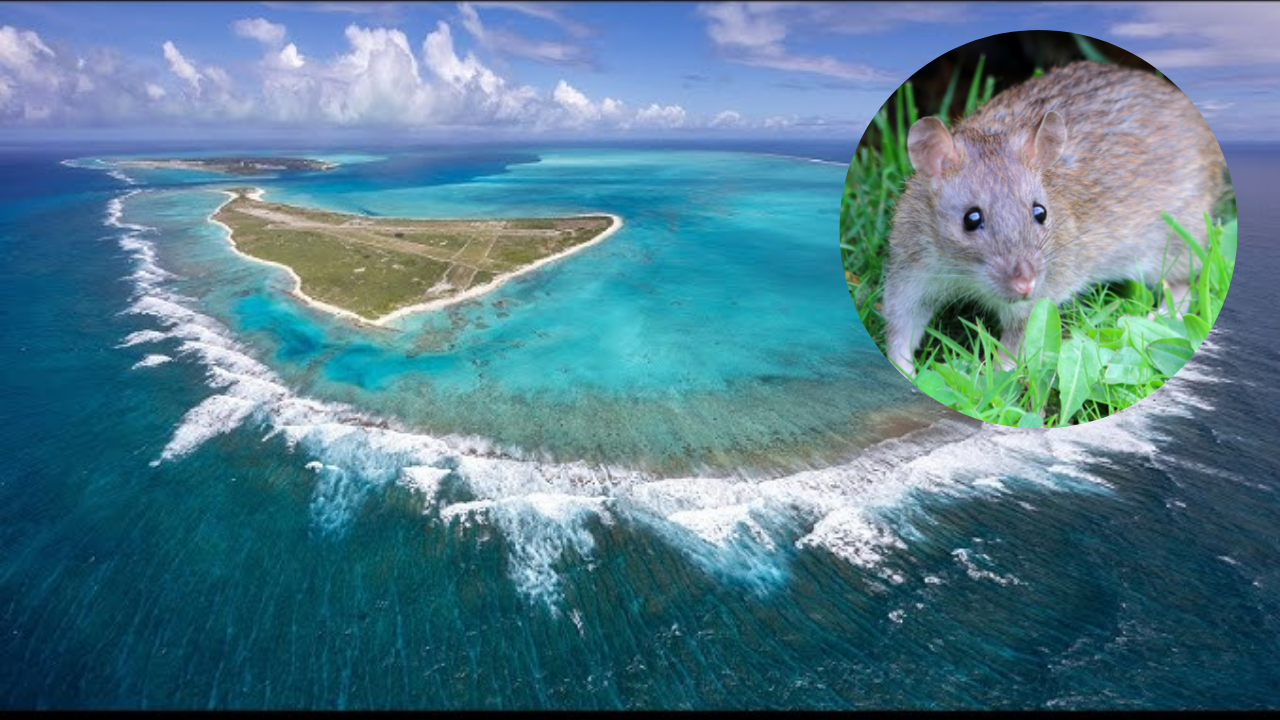
Midway Atoll Seabird Population Rebounds Following Complete Invasive Rat Eradication
Conservation programs successfully eradicated invasive black rats from Midway Atoll in the North Pacific Ocean, rescuing native burrowing seabird colonies from collapse.
The U.S. Fish and Wildlife Service confirmed that Bonin petrel nesting pairs increased from under 5,000 to more than 135,000 following rat removal.
Prior to eradication, non-native rodents destroyed eggs and nestlings, severely threatening one of the Pacific's most vital seabird breeding grounds.
The habitat recovery demonstrates the effectiveness of targeted biological management on remote oceanic islands vulnerable to non-native mammalian predators.
The project provides a critical case study for conservation biologists implementing Target 6 of the Kunming-Montreal Global Biodiversity Framework on island habitats.
Feral Pig Removal Delivers Rapid Recovery for Santa Cruz Island Native Fox
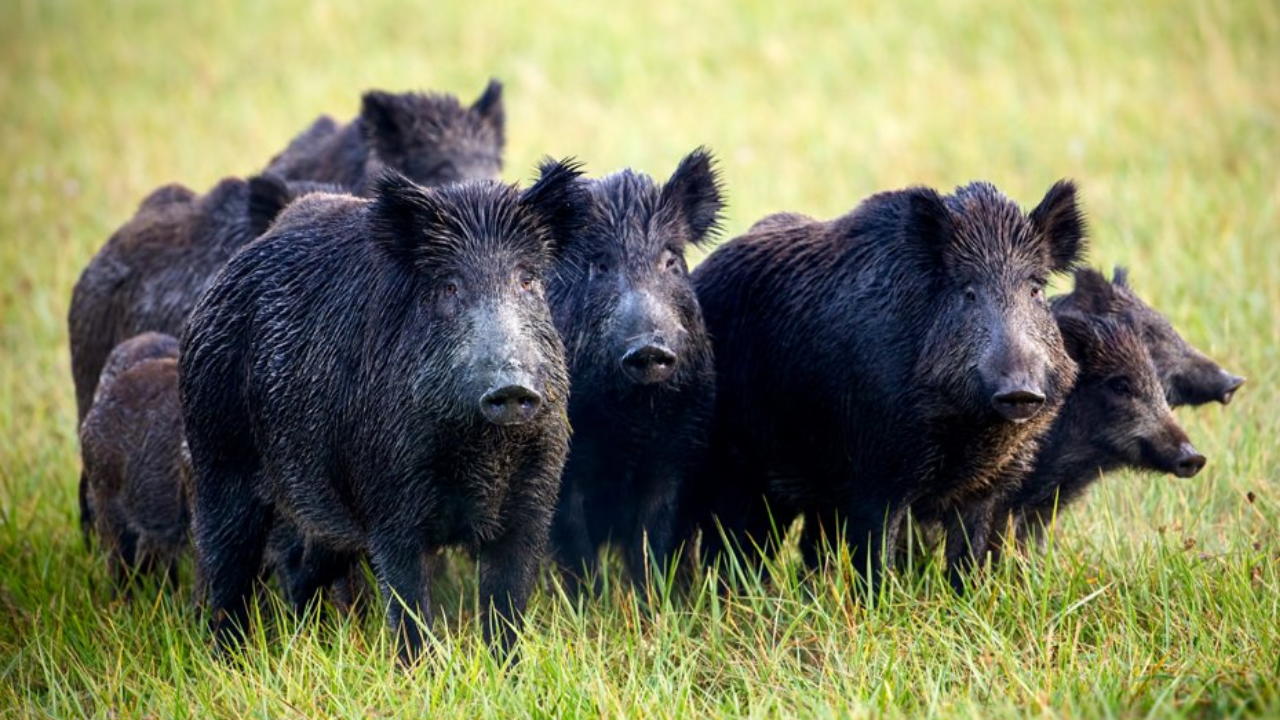
An aggressive eradication campaign removing 5,036 feral pigs from Santa Cruz Island enabled the fastest mammal recovery under the U.S. Endangered Species Act.
Joint efforts by the National Park Service and federal agencies allowed the endemic Santa Cruz Island fox population to grow from under 70 to 2,100.
Feral pigs had disrupted the island ecosystem by attracting non-native golden eagles, which subsequently preyed upon native fox populations to near-extinction levels.
Following successful pig removal and eagle relocation, federal authorities officially removed three Channel Islands fox subspecies from the endangered species list.
This successful ecological restoration highlights the importance of addressing complex ecological chain reactions when managing invasive species in protected biological reserves.
Japan Declares Eradication of Invasive Mongoose on UNESCO World Heritage Island
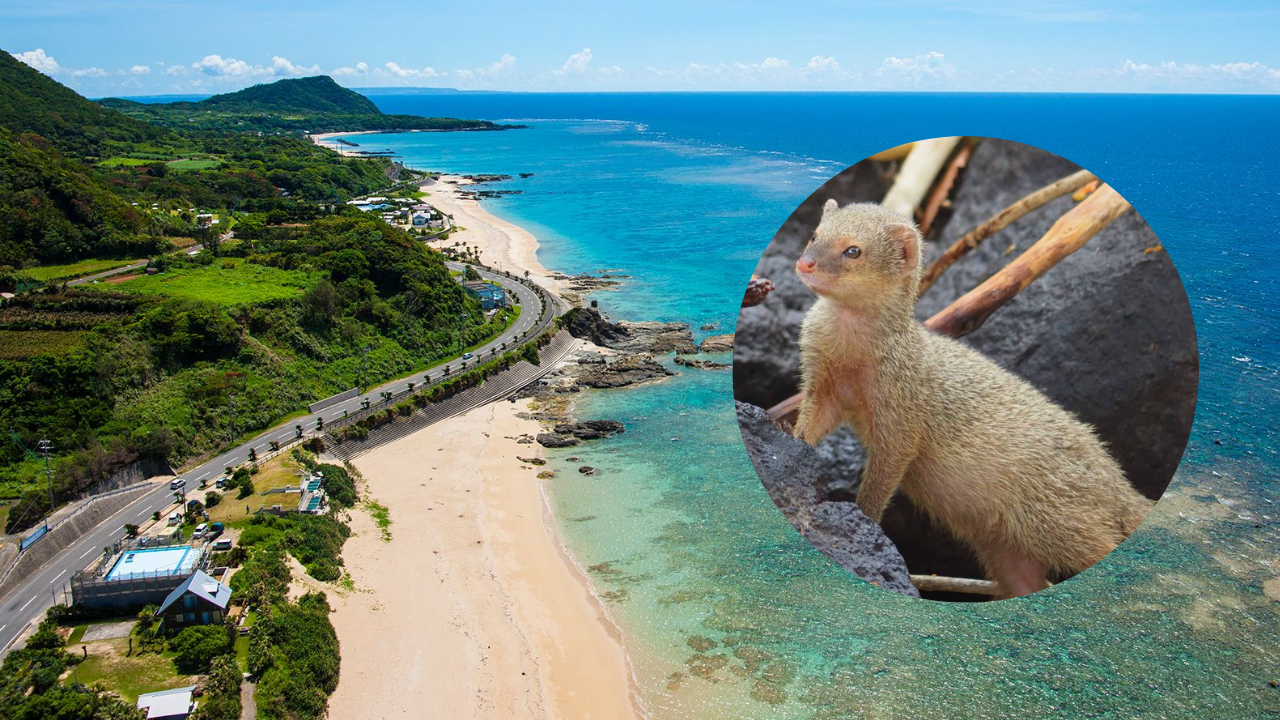
Japan's Ministry of the Environment officially confirmed the eradication of the small Indian mongoose from Amami Oshima Island in Kagoshima Prefecture.
Originally introduced in 1979 to control venomous habu snakes, the mongoose population expanded to 10,000, severely threatening rare endemic wildlife species.
Decades of intensive systematic trapping, tracking, and environmental monitoring across the 712-square-kilometer UNESCO World Heritage site successfully removed the invasive population.
The failed biological control experiment underscores the severe unintended consequences of introducing non-native predators into fragile island ecosystems.
Japan's successful elimination campaign offers a global template for large-scale invasive species eradication programs in complex island biodiversity hotspots.
Prelims Facts
Bonin petrel populations on Midway Atoll rebounded from under 5,000 to over 135,000 nesting pairs following invasive black rat eradication.
The eradication of 5,036 feral pigs on Santa Cruz Island enabled native fox numbers to grow from under 70 to 2,100, prompting ESA delisting.
Japan officially declared the complete eradication of the invasive small Indian mongoose from UNESCO World Heritage site Amami Oshima in 2024.
Mains Framework
Invasive alien species represent one of the primary drivers of biodiversity loss on fragile island ecosystems. Target-driven eradication programs demonstrate that deliberate ecological interventions can successfully reverse wildlife declines.
Dimensions
Ecological Impact
Invasive predators disrupt island trophic structures, preying on defenseless native seabirds, reptiles, and small mammals.
Conservation Successes
Targeted removal of species like rats, feral pigs, and mongooses leads to rapid recovery of endemic populations.
Policy and Governance
Aligning local eradication efforts with Target 6 of the Kunming-Montreal Global Biodiversity Framework reinforces international conservation commitments.
Way forward
Governments should strengthen island biosecurity protocols, employ science-based eradication strategies, and engage in long-term ecological monitoring to prevent re-introductions.
Key terms
Invasive Alien Species (IAS)Island BiogeographyEcological RestorationKunming-Montreal Global Biodiversity FrameworkTrophic Cascades
Acts & articles
Biological Diversity Act, 2002 (India)UN Convention on Biological Diversity (CBD) Target 6US Endangered Species Act (ESA) Framework
03
GS II: GOVERNANCE & FEDERALISM
Sub-National Diplomacy and State-Led Industrial Growth Strategy
Uttar Pradesh Signs MoUs with Japan's Yamanashi Prefecture to Boost MSMEs
Uttar Pradesh Chief Minister Yogi Adityanath announced four Memorandum of Understanding agreements with Japan's Yamanashi Prefecture to boost technical skills and tourism.
Yamanashi Prefecture announced a ₹600-crore dedicated fund aimed at modernizing and supporting Uttar Pradesh's Micro, Small, and Medium Enterprises sector.
A specialized 'Yamanashi Desk' has been established at Invest UP to facilitate investment coordination alongside Japanese agencies JETRO and JICA.
The partnership agreement focuses on skill development, technical training programs, tourism expansion, and establishing Japanese Global Capability Centres in UP.
This initiative highlights the growing role of sub-national diplomacy, where Indian states independently partner with international administrative units to drive regional industrialization.
Uttar Pradesh Organizes State Dairy Conclaves to Empower Rural Women Cooperatives
The Uttar Pradesh Dairy Development Department organized state-wide dairy conclaves to mark 50 years of operation and boost the rural economic baseline.
Dairy Commissioner Dhanalakshmi K. stated that conclaves connect milk producers, investors, self-help groups, and cooperatives with public welfare schemes.
The initiative follows the 'Dugdamrit Searn Mahotsav' in Lucknow, designed to scale up milk production technology and encourage rural dairy entrepreneurship.
Efforts specifically target empowering rural women by integrating female self-help groups into formal milk processing and distribution supply chains across districts.
The development strategy leverages cooperative economics to strengthen primary rural livelihoods, serving as a model for decentralized agricultural development.
Prelims Facts
Uttar Pradesh signed four MoUs with Japan's Yamanashi Prefecture, backed by a dedicated ₹600-crore MSME support fund.
Invest UP established a dedicated 'Yamanashi Desk' to streamline foreign direct investment and technical cooperation from Japanese entities.
The Uttar Pradesh Dairy Development Department commemorated 50 years of operation by organizing rural dairy conclaves to bolster milk cooperatives and female SHGs.
Mains Framework
Sub-national diplomacy (paradiplomacy) is emerging as a critical driver of economic development in India, enabling state governments to directly secure foreign capital, technical expertise, and industrial partnerships.
Dimensions
Economic Development
Foreign MoUs targeted at MSMEs generate localized employment and enhance technological capabilities in manufacturing.
Federal Dynamics
States actively compete and collaborate internationally, reflecting mature cooperative and competitive federalism.
Rural Empowerment
Integrating foreign capital with primary sector initiatives like dairy conclaves strengthens rural livelihoods and self-help groups.
Way forward
States must establish institutional frameworks for foreign investment facilitation, maintain project implementation tracking, and align state policies with national foreign policy objectives.
Article 253 of the Constitution (Legislation for giving effect to international agreements)Seventh Schedule (List II State Entries on Industry and Agriculture)MSME Development Act, 2006
04
GS III: INTERNAL SECURITY & GOVERNANCE
Internal Security, Law Enforcement, and Grievance Redressal in UTs
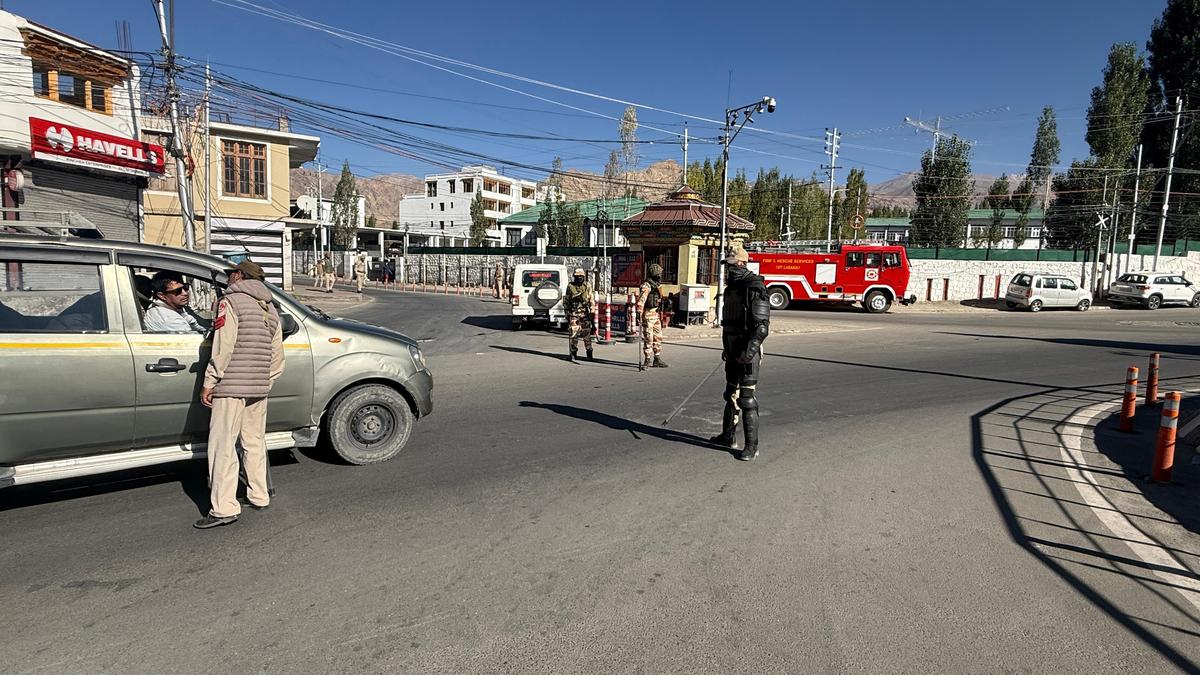
Centre Withdraws Cases Against Leh Protesters Ahead of MHA Ladakh Talks
The Ladakh administration initiated legal closure proceedings for 25 individuals involved in previous regional protests ahead of Home Ministry talks in September.
Civil society alliances, including the Leh Apex Body and Kargil Democratic Alliance, demanded case withdrawals alongside non-negotiable statehood and Sixth Schedule requests.
Local authorities confirmed charge sheets were retained against nine individuals where specific evidence was established, while non-serious cases undergo closure.
The confidence-building outreach follows violent clashes in September 2025 that resulted in four civilian fatalities and approximately 90 injuries.
The dialogue process reflects the political complexities of managing regional autonomy, constitutional protections, and administrative stability in strategic border regions.
Delhi Police Register Case Over Pellet Gun Injuries Following Protest
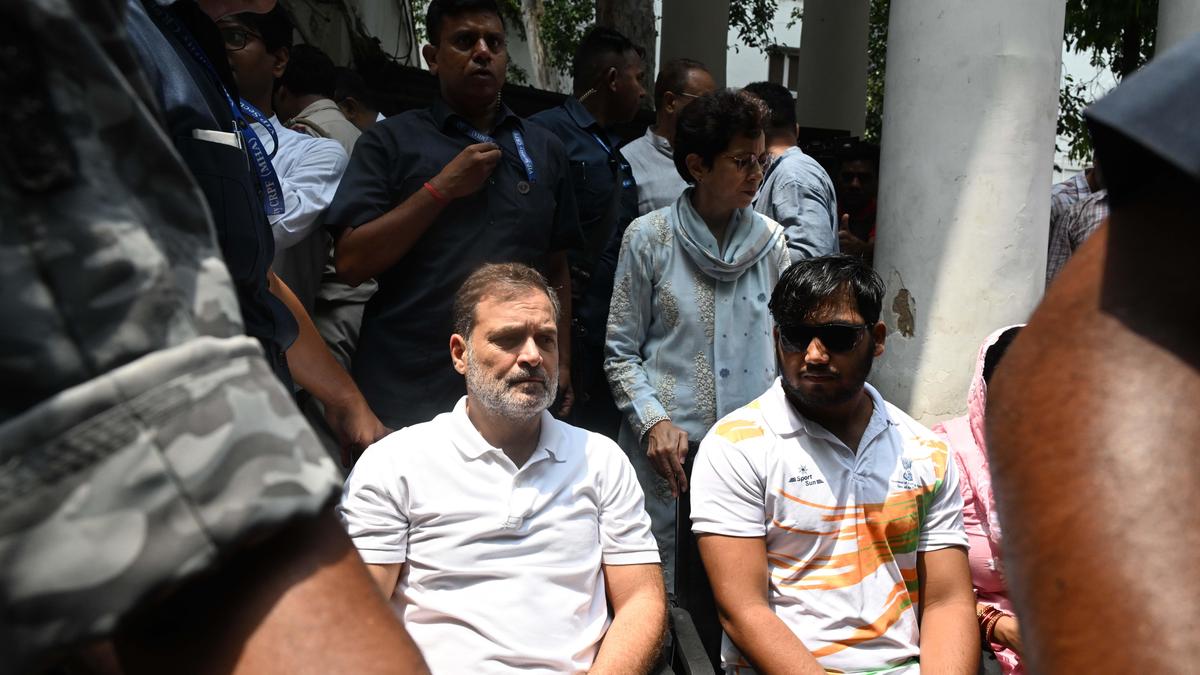
Delhi Police registered an FIR regarding pellet gun usage during a July 20 demonstration near Parliament Street following a sit-in led by Opposition leaders.
The legal action was initiated after 19-year-old protester Sahil Lochab reported losing vision in one eye due to pellet impacts during police crowd dispersal.
Opposition leaders staged a seven-hour protest outside the Deputy Commissioner's office demanding legal accountability for excessive force against peaceful demonstrators.
The incident reinvigorated national debates regarding crowd control methodologies, non-lethal weaponry protocols, and citizen rights during public assemblies in the capital.
The case emphasizes the legal imperative for police forces to observe proportionality and constitutional standards while managing civil rights protests.
Prelims Facts
The Union Ministry of Home Affairs initiated talks with the Leh Apex Body (LAB) and Kargil Democratic Alliance (KDA) regarding statehood and Sixth Schedule demands.
The Ladakh administration agreed to review and withdraw criminal cases against 25 individuals involved in local agitations after reviewing evidence.
Delhi Police registered an FIR regarding pellet gun injuries sustained by a 19-year-old protester following public demonstrations.
Mains Framework
Effective governance in Union Territories requires balancing firm public order enforcement with transparent police accountability and proactive political dialogue to address regional grievances.
Dimensions
Human Rights and Crowd Control
Use of force during public protests requires strict proportionality to prevent severe non-lethal injuries like permanent sight loss.
Confidence-Building Measures
Withdrawing minor cases against political protesters fosters conducive environments for high-level dialogue.
Constitutional Framework
Demands for Sixth Schedule inclusion reflect peripheral regions' aspirations for local cultural and land rights preservation.
Way forward
Standardize non-lethal police crowd control protocols across police forces and maintain institutionalized political dialogue channels to address sub-regional aspirations.
Key terms
Police AccountabilityDemocratic PolicingSixth ScheduleNon-Lethal Crowd ControlFundamental Right to Protest
Acts & articles
Article 19(1)(b) (Right to Assemble Peacefully)Article 244 / Sixth Schedule (Administration of Tribal Areas)Code of Criminal Procedure (CrPC) / Bharatiya Nagarik Suraksha Sanhita (BNSS) section on unlawful assembly
05
GS III: ENVIRONMENT & INFRASTRUCTURE
Water Resource Management and International Trade Tariffs
Lake Powell Falls to Record Low Elevation Amid Colorado River Basin Drought
Lake Powell, the second-largest artificial reservoir in the United States, dropped to a historical record low elevation, falling 20 feet since early 2026.
Created by impounding the Colorado River at Glen Canyon Dam, the reservoir serves as the primary hydrological link between Upper and Lower Basin states.
Hydrologists and climate scientists warned against artificial interventions, noting that long-term aridification threatens water supplies for millions of residents and agricultural sectors.
State officials expressed stark policy divisions over reservoir preservation versus allowing downstream flows to sustain Lake Mead and urban centers.
The water crisis demonstrates the vulnerabilities of massive river basin allocation frameworks when confronted with long-term climate change and over-allocation.
Bilateral economic negotiations between Washington and Ottawa produced a proposed trade framework introducing specific quota limits on Canadian steel exports.
Under the negotiated agreement, steel shipments entering under the designated quota threshold will be subject to a lower 25% protective tariff.
The policy arrangement aims to balance domestic industrial protection with maintaining supply chain continuity for critical manufacturing materials across North America.
International trade analysts note that managed quota systems are increasingly replacing zero-tariff arrangements in global metals and industrial commodities trading.
The shift underlines global trends toward managed trade architectures, impacting international commodity prices, supply chain logistics, and global trade compliance standards.
Prelims Facts
Lake Powell, the second-largest man-made reservoir in the US created by Glen Canyon Dam, reached a historic record low elevation.
The Lake Powell reservoir serves as a critical hydrological junction between Upper and Lower Basin states of the Colorado River system.
A proposed US-Canada trade arrangement establishes steel import quotas combined with a reduced 25% tariff rate.
Mains Framework
Structural environmental crises, exemplified by historically low water levels in major river reservoirs, coincide with structural shifts in international trade towards managed quota systems and protective tariffs.
Dimensions
Hydrological Stress
Extended multi-decade droughts severely impair hydroelectric output and agricultural water allocations across major river basins.
Institutional Governance
Managing shared transboundary river systems requires updated legal frameworks to prevent competitive over-extraction.
Trade Policy Shifts
Transitioning to tariff-rate quotas reflects growing global economic nationalism and critical material supply chain protection.
Way forward
Regions facing severe water depletion must transition toward adaptive water consumption models, while global trade partners need transparent bilateral rules to prevent trade friction.
Key terms
Reservoir HydrologyColorado River Basin CompactTariff-Rate QuotasTrade ProtectionismClimate Vulnerability
Acts & articles
Inter-State River Water Disputes Act, 1956 (India Context)Colorado River Compact, 1922 (US Context)WTO General Agreement on Tariffs and Trade (GATT) Article XI
06
GS III: SCIENCE & TECHNOLOGY
Space Science, Astrobiology, and Extremophile Microorganisms
US Honors Artemis II Astronauts Ahead of Historic Lunar Exploration Mission
Official announcements confirmed that NASA's Artemis II astronaut crew will receive the Congressional Space Medal of Honor for their upcoming lunar mission.
Artemis II marks humanity's return to crewed lunar orbits after decades, serving as a crucial precursor to establishing long-term surface outposts.
The recognition underscores renewed geopolitical and scientific priorities surrounding deep-space exploration, technological development, and international lunar partnerships.
The mission tests critical life support, navigation, and deep-space communication systems necessary for future crewed landings on the lunar South Pole.
The advancement demonstrates accelerating global investments in space technology, laying foundational infrastructure for future commercial and scientific lunar economies.
NASA Study Finds Earth Microbes Can Survive Months in Lunar Environment
A comprehensive study by NASA revealed that specific resilient Earth microorganisms can survive exposure to harsh lunar surface conditions for several months.
Researchers evaluated microbial tolerance against extreme solar radiation, severe temperature fluctuations, intense vacuum, and desiccating extraterrestrial environments.
The findings carry significant implications for astrobiology, proving that microbial life possesses higher environmental resilience than previously calculated by space scientists.
Results necessitate stricter planetary protection protocols to prevent forward contamination of extraterrestrial environments during upcoming robotic and human lunar missions.
Understanding extremophile survival mechanism assists bio-engineers in designing robust life-support systems and biological containment measures for long-term space stations.
Prelims Facts
A NASA astrobiology study revealed that certain Earth microbes can survive for several months under harsh lunar environmental conditions.
The Congressional Space Medal of Honor was announced for crew members of NASA's crewed Artemis II lunar mission.
Planetary protection protocols govern contamination prevention standards for scientific missions returning from extra-terrestrial bodies.
Mains Framework
Recent scientific findings on microbial survival under extreme lunar conditions highlight crucial considerations for astrobiology, planetary protection protocols, and long-term human space exploration.
Dimensions
Scientific Significance
Identifying extremophiles capable of surviving vacuum and radiation alters understanding of life's boundary conditions.
Planetary Protection
Microbial persistence requires strict sterilization standards to avoid biological contamination of extra-terrestrial bodies.
Spacefaring nations should update international planetary protection guidelines under COSPAR and expand interdisciplinary research in extremophile biology.
Outer Space Treaty, 1967 (Article IX on Biological Contamination)COSPAR (Committee on Space Research) Planetary Protection PolicyUS Commercial Space Launch Competitiveness Act
07
GS III: CYBER SECURITY & GLOBAL ECONOMY
Transnational Cyber Fraud, Diaspora Law, and Financial Markets
Gold Prices Surge Over 5% Weekly as US Dollar Declines Amid Bond Sell-Off
International gold prices experienced a massive weekly surge exceeding 5%, driven by a sharp depreciation in the US dollar index.
The rally in precious metals coincided with a broad sell-off in sovereign bond markets, which lowered treasury yields and elevated bullion appeal.
Market analysts attributed the financial shift to heightened geopolitical risks in West Asia and persistent macroeconomic uncertainty regarding global central bank policies.
Investors increasingly redirected capital toward traditional safe-haven assets, boosting commodity market liquidity and influencing global trade balance evaluations.
The price movements demonstrate the direct linkage between international geopolitical friction, currency fluctuations, and global financial market stability.
Silicon Valley Investor Raises Concerns Over H-1B Visa Credential Fraud
Indian-American tech entrepreneur Vivek Wadhwa stated in a public forum that 20–25% of individuals entering the US on H-1B visas utilize fraudulent degrees.
Wadhwa explained that specialized staffing agencies, termed 'body shops', systematically inflate applicant resumes to supply low-cost technical labor to client corporations.
The investor urged American regulatory authorities and corporate recruiters to implement stricter background verification protocols to curb systemic visa abuse.
The commentary highlights ongoing debates regarding high-skilled immigration reform, international labor standards, and administrative backlogs facing genuine scientific applicants.
Addressing credential fraud is essential for protecting legitimate diaspora professionals and maintaining international trust in cross-border professional talent mobility.
Indian National Arrested in US Over Transnational Cyber Fraud targeting Elderly
Jay Sunilbharthi Goswami was arrested by Canadian authorities in Toronto following a provisional U.S. arrest request over a multi-million-dollar cyber fraud scheme.
Federal prosecutors charged the 21-year-old with wire fraud, money laundering, and conspiracy, carrying a maximum statutory penalty of 20 years imprisonment.
Investigative agencies revealed Goswami acted as a key 'money mule' collecting stolen cash from elderly victims duped by international call center networks.
The suspect was apprehended at Pearson International Airport while attempting to flee North America on a flight bound for Doha, Qatar.
The case illustrates the complex, multi-jurisdictional nature of transnational cybercrime networks requiring robust international law enforcement extradition frameworks.
Prelims Facts
Global spot gold prices surged by over 5% in a single week driven by falling bond yields and a declining US dollar index.
An Indian national was detained in Canada and extradited to the US for operating as a 'money mule' in transnational elder cyber fraud.
Tech sector investor analysis highlighted credential fraud vulnerabilities affecting an estimated 20–25% of specialized visa applicants.
Mains Framework
The rapid expansion of digital financial networks has enabled complex transnational financial frauds, requiring enhanced cross-border extradition treaties and stricter regulatory oversight of immigration and banking networks.
Dimensions
Cybercrime Networks
Transnational syndicates manipulate vulnerable individuals as money mules to laundered illicit funds across jurisdictions.
Immigration Integrity
Fraudulent degree credentials damage diaspora reputations and prompt calls for tightened employer verification rules.
Macroeconomic Volatility
Global geopolitical tension drives institutional capital into traditional safe-haven commodities like physical gold.
Way forward
Strengthen international police cooperation through Interpol, establish centralized visa credential verification databases, and enforce robust anti-money laundering (AML) protocols globally.
Key terms
Transnational CrimeWire FraudMoney MuleH-1B Visa ReformSafe-Haven Assets
Acts & articles
Prevention of Money Laundering Act (PMLA), 2002 (India)UN Convention against Transnational Organized Crime (UNTOC)Information Technology Act, 2000 (Section 66D on Fraud)
Practice MCQs — Test Your Understanding
6 questions · UPSC Prelims pattern · Tap an option to check your answer
GS II: INTERNATIONAL RELATIONSWest Asia Conflict and Maritime Security in the Strait of Hormuz
United States Claims Control Over Strait of Hormuz Amid Stalled Iran Talks
Q1Which of the following bodies of water are directly connected by the Strait of Hormuz?
Answer: Option B
The Strait of Hormuz is a strategically vital maritime chokepoint that connects the Persian Gulf directly with the Gulf of Oman and the broader Arabian Sea.
GS III: ENVIRONMENT & ECOLOGYInvasive Alien Species Management and Island Biodiversity Conservation
Japan Declares Eradication of Invasive Mongoose on UNESCO World Heritage Island
Q2With reference to island ecological restoration programs, consider the following statements:
1. The eradication of invasive black rats on Midway Atoll resulted in a significant recovery of the endemic Bonin petrel population.
2. The small Indian mongoose was successfully eradicated from the UNESCO World Heritage listed island of Amami Oshima.
3. Eradication of feral pigs on Santa Cruz Island exacerbated the decline of the native island fox population.
Which of the statements given above are correct?
Answer: Option A
Statements 1 and 2 are correct. Statement 3 is incorrect because the eradication of 5,036 feral pigs on Santa Cruz Island allowed native fox numbers to recover rapidly from under 70 to 2,100, enabling their removal from the endangered list.
Uttar Pradesh Signs MoUs with Japan's Yamanashi Prefecture to Boost MSMEs
Q3In the context of sub-national diplomacy and economic federalism in India, what is the primary objective of establishing dedicated foreign desks like the 'Yamanashi Desk' at state investment promotion agencies?
Answer: Option B
Dedicated foreign desks at state investment agencies (such as the Yamanashi Desk at Invest UP) serve to facilitate direct investment, streamline technical training, and execute sector-specific MoUs between Indian states and foreign administrative counterparts.
GS III: INTERNAL SECURITY & GOVERNANCEInternal Security, Law Enforcement, and Grievance Redressal in UTs
Centre Withdraws Cases Against Leh Protesters Ahead of MHA Ladakh Talks
Q4Consider the following statements regarding the Sixth Schedule of the Indian Constitution:
1. It provides for the administration of tribal areas in states including Assam, Meghalaya, Tripura, and Mizoram.
2. Autonomous District Councils created under the Sixth Schedule possess legislative and judicial powers over land and local customs.
3. Union Territories are automatically granted Sixth Schedule status upon constitutional creation.
Which of the statements given above is/are correct?
Answer: Option B
Statements 1 and 2 are correct. Statement 3 is incorrect; inclusion under the Sixth Schedule requires specific constitutional amendments and is not automatically granted to Union Territories.
GS III: ENVIRONMENT & INFRASTRUCTUREWater Resource Management and International Trade Tariffs
Lake Powell Falls to Record Low Elevation Amid Colorado River Basin Drought
Q5Lake Powell, which recently recorded historic low water levels, is situated on which major international river system?
Answer: Option B
Lake Powell was created by the impoundment of the Colorado River via Glen Canyon Dam and sits at the heart of the Colorado River Basin system.
GS III: SCIENCE & TECHNOLOGYSpace Science, Astrobiology, and Extremophile Microorganisms
NASA Study Finds Earth Microbes Can Survive Months in Lunar Environment
Q6Which of the following scientific terms refers to organisms capable of surviving under extreme physical conditions such as vacuum, intense solar radiation, and extreme temperature fluctuations?
Answer: Option B
Extremophiles are organisms that thrive in or withstand extreme physical or geochemical conditions that are detrimental to most life on Earth, such as those found on the lunar surface.