Government Permits Duty-Free Import of 10 Lakh Tonnes Raw Sugar
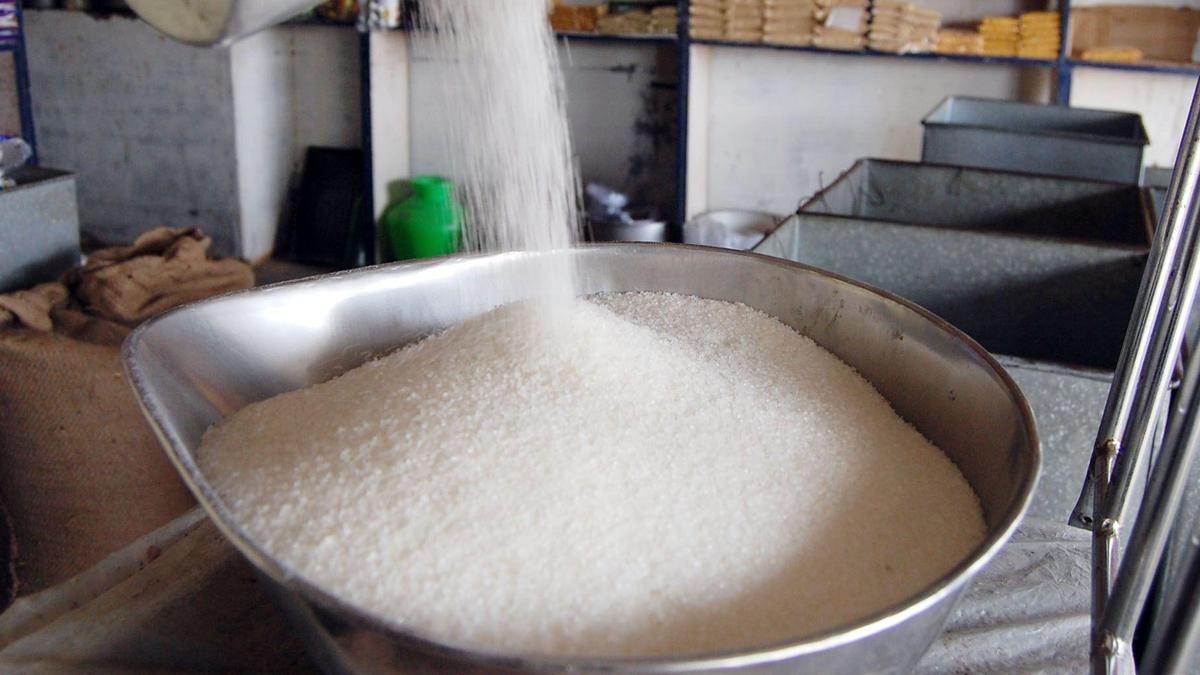
The Directorate General of Foreign Trade allowed duty-free import of 10 lakh tonnes of raw sugar under Tariff Rate Quota until October 31, 2026, to stabilize domestic availability.
The notification issued from New Delhi responds to soaring domestic ex-mill sugar prices caused by depleted opening stock reserves leading into the upcoming 2026-27 crushing season.
Under the new mandate, bulk industrial consumers utilizing over 10 tonnes of sugar monthly are subjected to mandatory stockholding limits to curtail speculative hoarding.
This import relaxation comes alongside India's ongoing restriction banning refined sugar exports until September 30 to prioritize home market supply and curb food inflation.
Understanding trade policy instruments like TRQs and stock limits provides crucial insights into economic governance, food security management, and agricultural market regulations for CSE Mains.
Prelims Facts
The Directorate General of Foreign Trade (DGFT) allowed duty-free import of 10 lakh tonnes of raw sugar under Tariff Rate Quota until October 31, 2026.
Stockholding limits were imposed on commercial bulk consumers utilizing more than 10 tonnes of sugar monthly to prevent hoarding.
Raw sugar imports under Tariff Rate Quota allow specified quantities of commodities at zero or concessional import duty rates.
Mains Framework
The Central Government authorized duty-free imports of 10 lakh tonnes of raw sugar under the Tariff Rate Quota framework alongside strict stockholding limits on bulk consumers. This proactive market intervention addresses soaring ex-mill prices driven by lower opening domestic stocks ahead of the 2026-27 sugar season.
Dimensions
Supply Chain Management
Tariff Rate Quotas serve as flexible macroeconomic buffers to plug structural deficits without permanently dismantling domestic tariff protections.
Consumer Inflation Control
Stockholding limits on bulk consumers (>10 tonnes/month) curb speculative hoarding in the food processing industry.
Farm Economy Dynamics
Duty-free raw imports cushion domestic refining capacity while shielding sugarcane farmers from sudden price crashes through temporal import limits.
Way forward
Shift from reactive trade restrictions to long-term crop diversification, precise stock monitoring via digital portals, and formulaic TRQ triggers tied to domestic price thresholds.
Key terms
Tariff Rate QuotaDirectorate General of Foreign TradeStockholding LimitsEx-mill RatesAgricultural Price Stabilization
Acts & articles
Essential Commodities Act, 1955Foreign Trade (Development and Regulation) Act, 1992Sugar Control Order, 1966
02
GS-3: INTERNAL SECURITY & CYBER SECURITY
Cyber Fraud Rackets and Exploitation of Mule Bank Accounts
Mumbai Police Bust Racket Supplying Mule Accounts for Cyber Fraud
Mumbai Police arrested three inter-state agents outside Sandhurst Road railway station for operating an organized syndicate supplying mule bank account kits for cyber fraud.
Investigators traced transactions totaling ₹25.45 crore across 17 retrieved bank accounts operated over a brief two-month duration by agents hailing from Madhya Pradesh.
The perpetrators lured financially vulnerable individuals with small cash rewards to open bank accounts, confiscating their debit cards, passbooks, chequebooks, and linked SIM cards.
Dongri police registered cases under Bharatiya Nyaya Sanhita Sections 318(4), 317, and 3(5) alongside IT Act Sections 66(c) and 66(d) for identity theft and impersonation.
Examining organized cybercrime networks and digital financial fraud mechanisms offers actionable context for answering internal security and digital governance questions in GS Paper 3.
Prelims Facts
Mule bank accounts are created by fraud syndicates using credentials of vulnerable individuals to channel illicit funds generated from cyber fraud.
Investigations into mule account operations apply Sections 318(4) and 317 of Bharatiya Nyaya Sanhita (BNS) alongside Sections 66(c) and 66(d) of IT Act, 2000.
Inter-state cyber fraud networks leverage illicit gaming, cricket betting, and casino promotions to acquire passbooks, debit cards, and SIM kits.
Mains Framework
The busting of an inter-state syndicate supplying 17 mule bank accounts facilitating ₹25.45 crore in illicit transactions highlights the expanding structural sophistication of cyber fraud networks in India. Cybercriminals exploit financially vulnerable citizens to systematically drain money through fraudulent digital banking channels.
Dimensions
Modus Operandi
Agents lure financially distressed individuals with minimal financial incentives to hand over passbooks, debit cards, chequebooks, and associated SIM cards.
Regulatory Gaps
Inadequate real-time monitoring of rapid transaction spikes across newly opened retail bank accounts enables rapid money laundering.
Legal & Enforcement Response
Dual application of BNS criminal fraud sections and IT Act cyber impersonation provisions enhances legal deterrence against mule recruiters.
Way forward
Implement AI-driven anomaly detection in core banking systems for new accounts, enforce strict KYC re-verification, and establish inter-state police cyber intelligence sharing hubs.
Key terms
Mule Bank AccountsBharatiya Nyaya SanhitaInformation Technology ActFinancial CybercrimeDigital Banking Security
Acts & articles
Information Technology Act, 2000 (Sections 66C & 66D)Bharatiya Nyaya Sanhita, 2023 (Sections 317 & 318(4))Prevention of Money Laundering Act, 2002
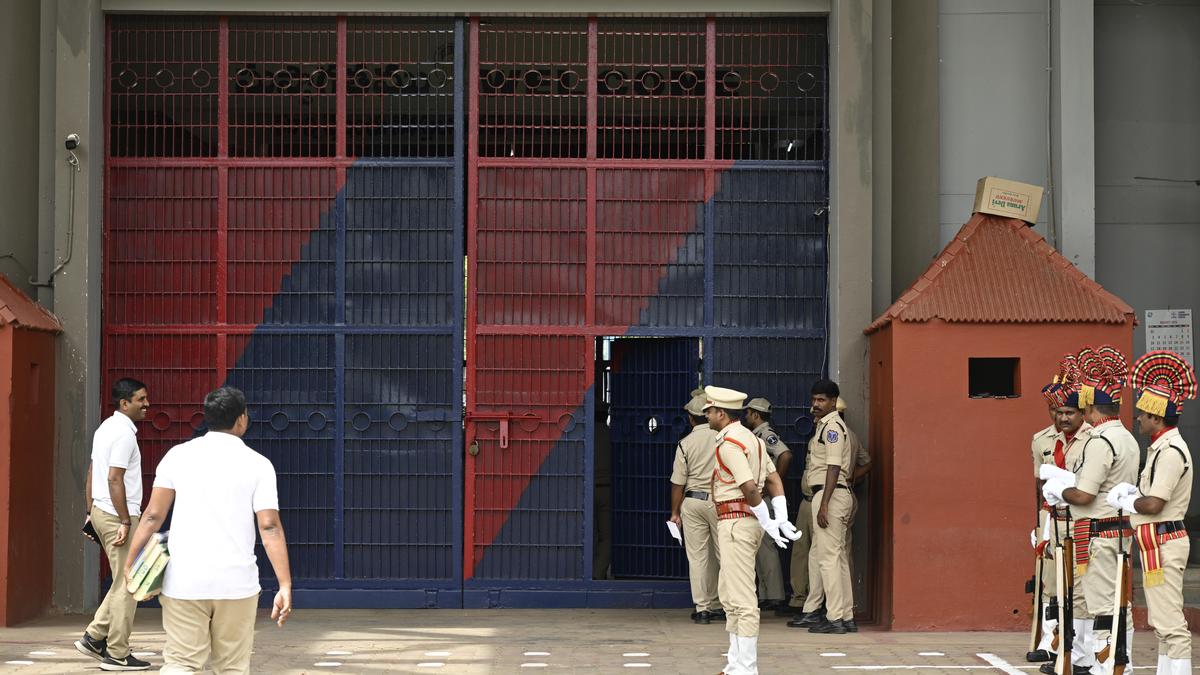
Telangana law enforcement agencies uncovered multiple property offense rackets where habitual criminals forged partnerships during prior incarcerations in Cherlapalli Central Prison.
Investigators in Siddipet tracked a white sedan vehicle theft to habitual offender Pendyala Sudarshan, who recruited accomplices previously met while serving jail sentences.
Police reports reveal that prisons meant for offender reform are increasingly functioning as networking hubs for sharing technical know-how in vehicle thefts and diversion frauds.
The findings highlight systemic weaknesses in inmate classification, rehabilitation programs, and post-release surveillance within state correctional administration frameworks.
This case illustrates key challenges in penal governance, criminal justice reforms, and social rehabilitation mechanisms relevant to GS Paper 2 civil service questions.
Former Pakistan PM Imran Khan Shifted to Hospital Following Supreme Court Order
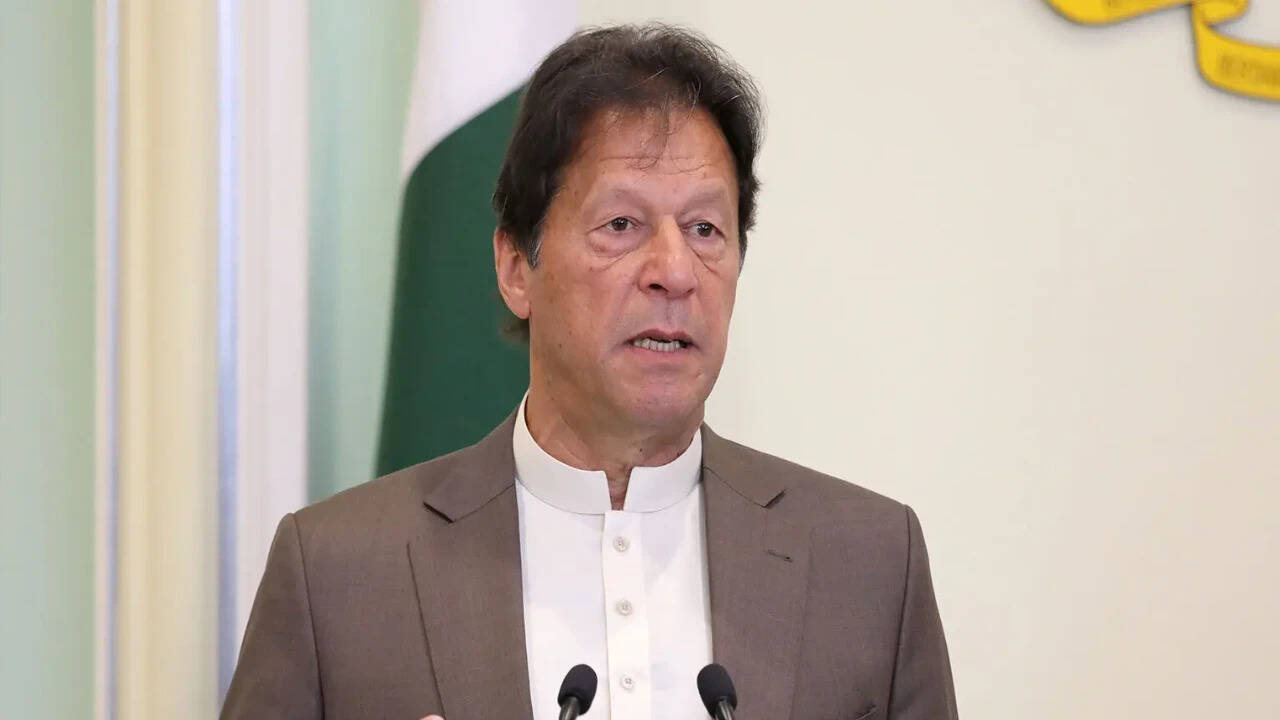
Imprisoned former Pakistan Prime Minister Imran Khan was transferred late Thursday from Adiala prison to Shifa International Hospital in Islamabad for medical examination.
The transfer followed a directive from Pakistan's Supreme Court addressing long-standing healthcare concerns regarding worsening vision in Khan's right eye during his incarceration.
Parliamentary Affairs Minister Tariq Fazal Chaudhry confirmed government compliance with apex court directives while seeking clarification on broader applicability of prison medical relief.
Khan's legal team and family have requested extended hospital admission, citing fundamental rights to specialized medical care during custodial detention.
The intervention illustrates international judicial standards on prisoner rights, executive detention compliance, and humanitarian safeguards in neighboring democratic jurisdictions.
Apex Court Mandates Medical Relief and Hospital Transfer for Imran Khan
Pakistan's apex court ordered immediate medical transfer of opposition leader Imran Khan from prison custody to a specialized tertiary hospital facility in Islamabad.
The judicial directive addressed severe healthcare delays, establishing that legal custody does not negate fundamental rights to adequate medical treatment for detainees.
Authorities shifted Khan under tight security following months of petitions regarding inadequate clinical facilities within the Adiala prison complex.
The development spotlights ongoing friction between judicial constitutional enforcement and state executive administration regarding high-profile political prisoners.
Analyzing international rule-of-law precedents and constitutional guarantees for prisoner health offers pertinent comparative material for GS Paper 2 governance essays.
Prelims Facts
Telangana police investigations reveal that correctional facilities frequently act as contact hubs where habitual offenders forge post-release criminal partnerships.
The Bombay High Court imposed ₹50,000 costs on the Anti-Corruption Bureau for seeking appeal condonation after an unexcused delay of 650 days.
State Departments of Law and Judiciary are constitutionally required to evaluate prosecution merits independently of executive law enforcement pressure.
Mains Framework
Recent law enforcement revelations from Telangana showing prison-incubated criminal partnerships, alongside the Bombay High Court penalizing an anti-corruption agency for 650 days of procedural appeal delay, spotlight twin crises in India's penal system: correctional failure and executive prosecutorial lethargy.
Dimensions
Penal Reform Deficit
Incarceration without effective rehabilitation or inmate segregation transforms prisons like Cherlapalli into networking centers for property offenders.
Institutional Accountability
Judicial refusal to condone unexplained appeal delays emphasizes that state departments must function without institutional inertia.
Judicial Efficiency
Unwarranted executive appeals against acquittals clog appellate dockets and violate the rule of law regarding finality of judgments.
Way forward
Implement modern prison management codes segregating habitual offenders, digitize prosecution workflow timelines, and enforce strict accountability on state legal departments.
Key terms
RecidivismPrison ReformsCorrectional JurisprudenceCondonation of DelayDepartment of Law and Judiciary
Acts & articles
Article 21 of the Constitution of IndiaPrisons Act, 1894 & Model Prisons Act, 2023Prevention of Corruption Act, 1988Limitation Act, 1963 (Section 5)
Union Government Approves 11.18 Lakh PMAY-G Houses for Bihar
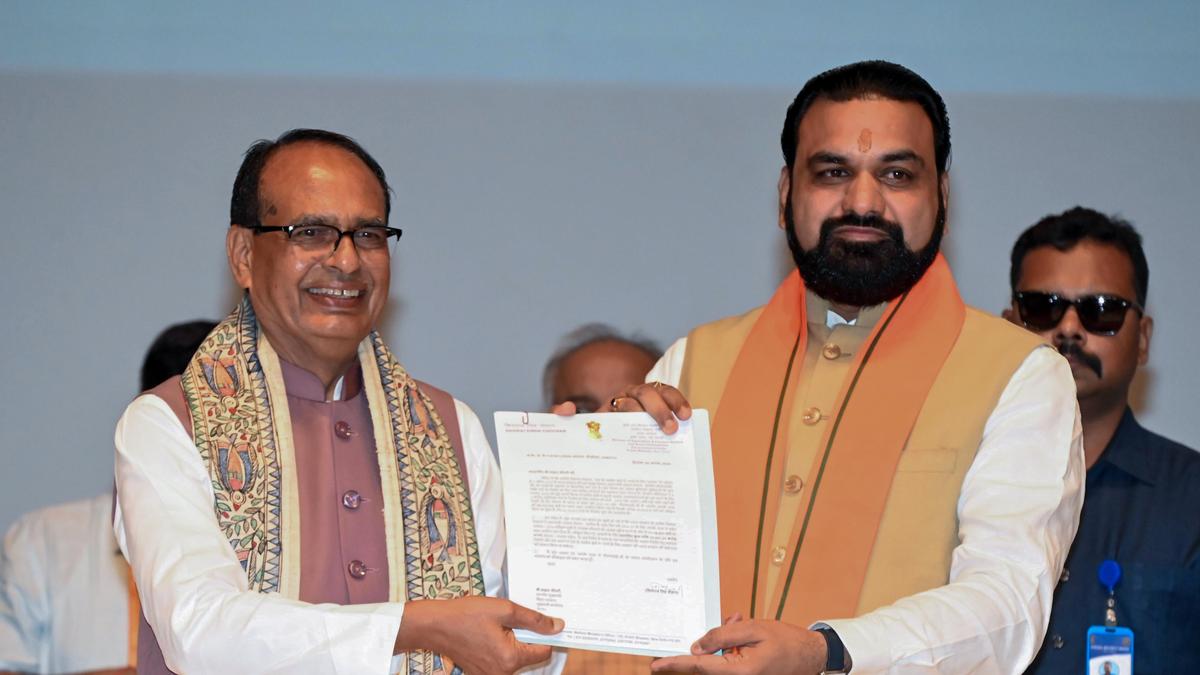
Union Rural Development Minister Shivraj Singh Chouhan announced the sanction of 11,18,937 permanent pucca houses for eligible rural families across Bihar under PMAY-Gramin.
The Central Government committed a financial outlay of ₹13,427 crore alongside distributing formal sanction letters and initial instalment transfers to newly selected beneficiaries.
The announcement coincided with a state-level 'Grih Pravesh' ceremony in Patna celebrating 2.35 lakh completed PMAY-G housing units for financial year 2026-27.
Key welfare commitments emphasize empowering rural women through joint house ownership and driving inclusive economic growth through targeted rural infrastructure investment.
Analyzing PMAY-G execution strategies provides vital insights into rural development, federal poverty alleviation schemes, and public social sector delivery for Mains Paper 2.
Prelims Facts
Pradhan Mantri Awas Yojana-Gramin (PMAY-G) aims to provide pucca houses with basic amenities to eligible rural households.
The Central Government sanctioned ₹13,427 crore for constructing 11.18 lakh permanent houses in Bihar under PMAY-G.
Over 2.35 lakh rural houses completed under PMAY-G in Bihar participated in synchronized 'Grih Pravesh' ceremonies during FY 2026-27.
Mains Framework
The sanctioning of over 11.18 lakh permanent houses in Bihar under Pradhan Mantri Awas Yojana-Gramin (PMAY-G), supported by a ₹13,427 crore budget, marks a major expansion in social welfare delivery. Combined with 2.35 lakh completed 'Grih Pravesh' units, the initiative highlights structured fiscal outlay driving rural quality of life.
Dimensions
Socio-Economic Inclusion
Transitioning rural poor families from kutcha structures to pucca housing enhances health, dignity, and security.
Fiscal Governance
Massive capital transfers (₹13,427 crore) stimulate local rural construction economies, unskilled employment, and material supply chains.
Scheme Convergence
PMAY-G integrates drinking water (Jal Jeevan Mission), sanitation (Swachh Bharat), and clean fuel (Ujjwala) into housing delivery.
Way forward
Strengthen geo-tagging verifications, address raw material inflation, prioritize landless beneficiaries, and ensure timely direct benefit transfers to eliminate intermediary leakages.
Key terms
PMAY-GPucca House SanctionGrih PraveshRural Asset CreationFiscal Federalism
Acts & articles
Article 21 (Right to Livelihood and Dignified Life)Article 47 (Directive Principles on Standard of Living)Pradhan Mantri Awas Yojana-Gramin Guidelines
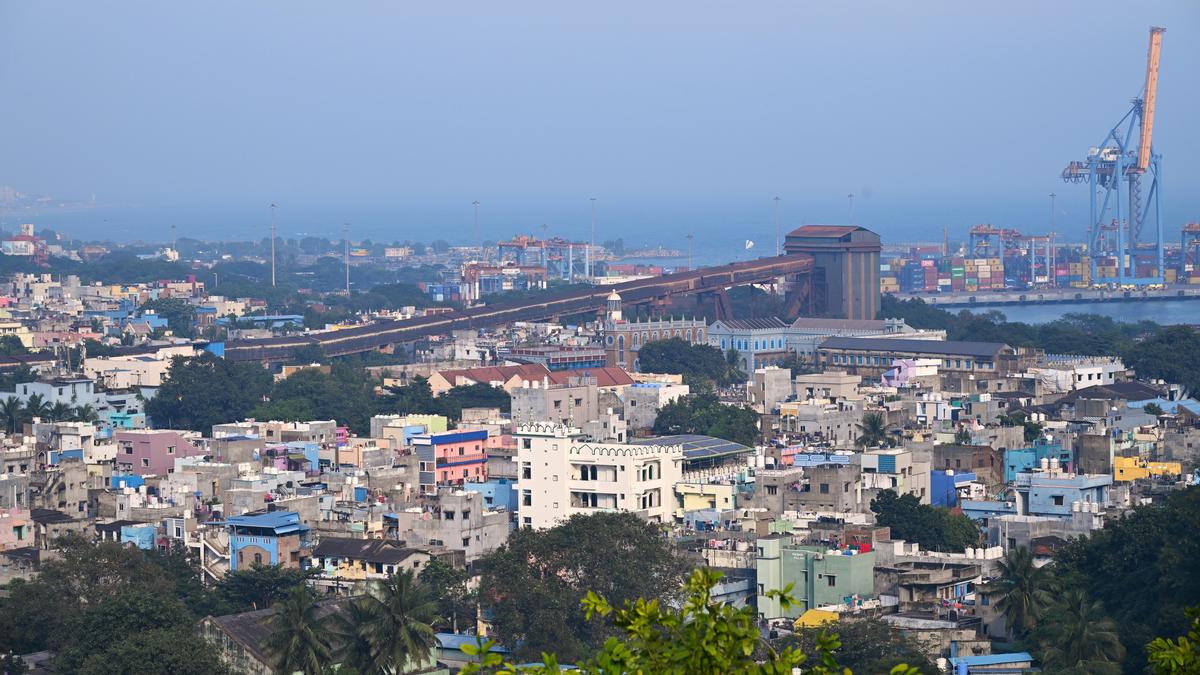
Industrial Coal Dust Pollutes Visakhapatnam Residential Areas
Residents of One Town and Gajuwaka areas in Visakhapatnam are experiencing severe respiratory distress due to persistent black dust from nearby port and industrial operations.
Widespread industrial emissions, uncontained coal and iron ore transportation, and heavy vehicular movements continuously deposit toxic dust on homes and streets.
Families report mounting medical expenses and mandatory use of home air purifiers to combat chronic respiratory ailments affecting children and elderly residents.
Community demands call for immediate regulatory intervention by pollution control boards to mandate covered storage facilities and continuous water-sprinkling barriers.
This environmental issue highlights crucial UPSC themes regarding urban air quality management, industrial regulatory compliance, and public health safeguards.
Prelims Facts
Fugitive dust from open-air coal and iron ore handling at maritime ports significantly increases localized ambient PM10 and PM2.5 levels.
Prolonged exposure to toxic industrial dust triggers chronic respiratory illnesses including obstructive pulmonary disorders in residential communities.
The Air (Prevention and Control of Pollution) Act, 1981 empowers State Pollution Control Boards to enforce mandatory dust suppression systems on industrial units.
Mains Framework
Severe coal and iron ore dust pollution choking Visakhapatnam's historic One Town area underscores the environmental justice challenge posed by urban port expansion near residential zones. Chronic exposure to black industrial dust is driving a surge in respiratory illnesses among vulnerable citizens.
Dimensions
Public Health Crisis
Daily inhalation of micro-particulate coal emissions severely damages lung function in children and elderly populations.
Regulatory Failure
Inadequate enforcement of dust enclosure nets, water sprinkling systems, and covered conveyor belts by port authorities.
Socio-Economic Inequality
Old city residents face unequal environmental hazards compared to commercial zones, requiring targeted remedial intervention.
Way forward
Mandate fully enclosed mechanical bulk material handling systems at coastal ports, institute buffer zone green belts, and enforce real-time fence-line air monitoring.
Tasmania Eradicates Invasive European Carp From Two Major Lakes
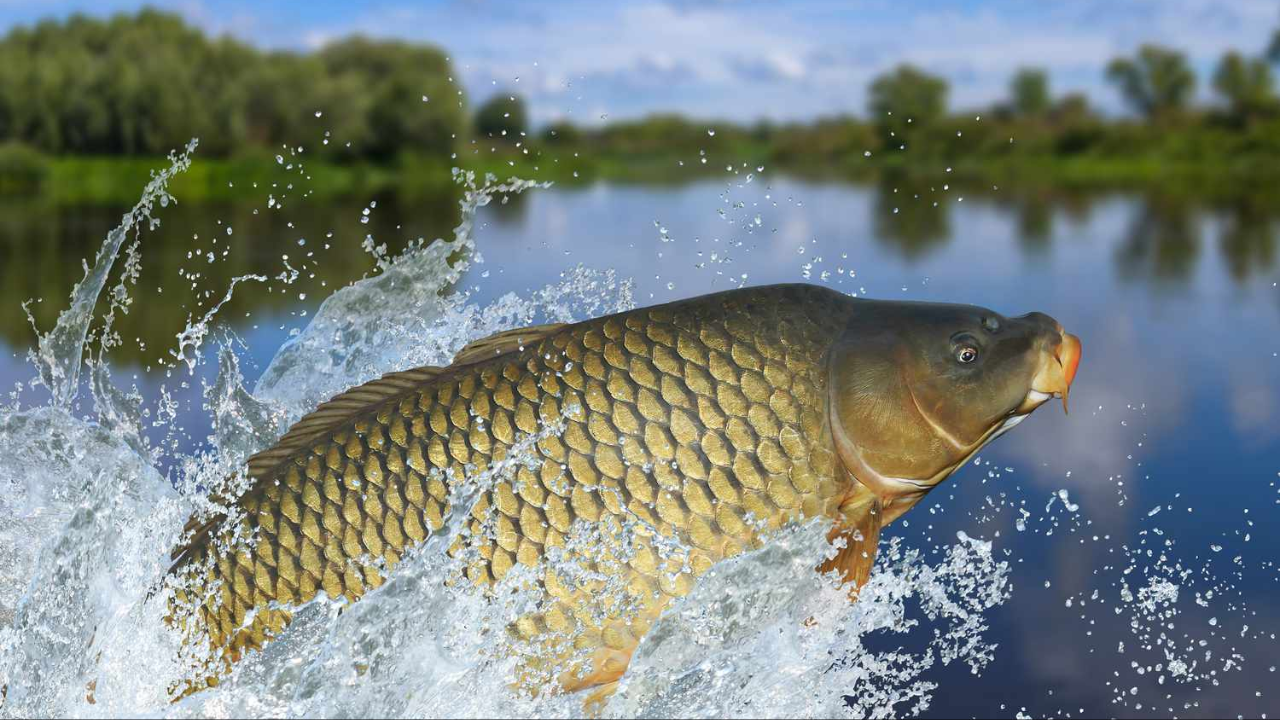
The Tasmanian Inland Fisheries Service officially declared European carp functionally eradicated from Lake Sorell and Lake Crescent after a relentless 28-year campaign.
Fisheries personnel captured and removed 49,301 invasive carp (41,504 from Sorell and 7,797 from Crescent) following their illegal introduction detected in 1995.
Eliminating the invasive bottom-feeding species restored lake water clarity, allowed submerged marsh vegetation to regenerate, and prompted a rebound in wild brown trout.
This achievement refutes long-standing scientific beliefs that eradicating established invasive fish from large, open freshwater ecosystems was practically impossible.
The victory highlights key concepts in invasive species management, aquatic ecosystem resilience, and biodiversity conservation relevant to GS Paper 3.
In August 1990, Utah wildlife managers executed the world's largest chemical fish-removal project using rotenone to clean the polluted food web of Strawberry Reservoir.
The Utah Division of Wildlife Resources successfully wiped out over 99 percent of the reservoir's total fish biomass to eradicate dominant non-native trash fish.
By systematically clearing invasive species, biologists reset the aquatic food web, successfully building a healthy cold-water fishery yielding over 715,000 angler catches annually.
Rotenone treatment remains a benchmark case study showing how radical ecological interventions can restore collapsing freshwater ecosystems.
Analyzing biological control techniques and invasive species eradication frameworks provides technical grounding for ecology topics in UPSC Mains.
North American River Otter Spotted in Bronx River After Century
A North American river otter was confirmed on camera trap imagery in the Bronx River, marking the species' first documented presence in a century.
Wildlife Conservation Society researchers captured the sighting during long-term biological monitoring along urban river corridors in New York City.
The return of apex semi-aquatic mammals signals substantial water quality improvements and ecological recovery in historically polluted urban river basins.
Urban river revitalizations demonstrate that long-term habitat rehabilitation can successfully restore native mammalian carnivore populations.
This urban conservation milestone offers real-world evidence of ecological restoration and bio-indicator monitoring relevant to GS Paper 3 Environment modules.
Prelims Facts
Rotenone is a naturally derived piscicide used in fisheries management to eradicate invasive fish species by inhibiting cellular respiration.
Tasmania achieved the world's first functional eradication of European carp (Cyprinus carpio) from large freshwater lakes after a 28-year effort removing 49,301 fish.
Eradicating bottom-feeding invasive carp restores aquatic water clarity, submerged marsh vegetation, and native trout populations.
Mains Framework
The functional eradication of European carp from Tasmanian lakes after a 28-year campaign removing 49,301 fish, alongside historic ecological lessons from Utah's Strawberry Reservoir rotenone treatment, demonstrates that large-scale eradication of invasive alien species is achievable through sustained ecological management.
Dimensions
Biodiversity Protection
Removing invasive bottom-feeders prevents habitat destruction, sediment resuspension, and native species displacement.
Methodological Approaches
Targeted physical removal (electrofishing and netting) versus chemical intervention (rotenone piscicide application).
Ecological & Economic Recovery
Improved water clarity sparks rapid recovery of submerged aquatic flora, wild brown trout stocks, and eco-tourism.
Way forward
Develop strict biosecurity protocols to prevent illegal species introductions, deploy early detection DNA monitoring, and execute sustained long-term management plans.
Key terms
Invasive Alien SpeciesRotenoneEcosystem RestorationFunctional EradicationFood Web Recovery
Acts & articles
Convention on Biological Diversity (Article 8(h) on Invasive Species)Kunming-Montreal Global Biodiversity Framework (Target 6)Biological Diversity Act, 2002
07
GS-2: INTERNATIONAL RELATIONS & GS-3: SECURITY
Maritime Security and Piracy in the Horn of Africa
Hijacked Cargo Ship Off Somalia Holds Six Indian Crew Members
Armed pirates hijacked the Cameroon-flagged cargo ship M/V LUTUF carrying Turkish military equipment off Somalia's Puntland coast, holding six Indian crew members captive.
The vessel was seized 3.5 nautical miles off Marraya in Puntland's Eyl district before being forcibly navigated towards the Nugaal coastline.
Owned by Polar Movement Shipping, the vessel's 10-member crew includes six Indians, one Turk, one Georgian, and two Serbian private security contractors.
Regional officials confirmed that eight pirates linked to a previous April maritime hijacking boarded the ship, prompting monitoring by Turkish naval units, drones, and helicopters.
This maritime security incident directly connects to UPSC syllabus topics regarding Indian Ocean geopolitics, maritime security statutes, and protecting overseas Indian citizens.
Prelims Facts
The Gulf of Aden and the Puntland coast of Somalia represent high-risk maritime corridors vulnerable to armed piracy targeting commercial shipping.
The vessel M/V LUTUF was hijacked 3.5 nautical miles off Marraya in Puntland's Eyl district while en route to Mogadishu.
Under UNCLOS (UN Convention on the Law of the Sea), states possess universal jurisdiction to seize pirate ships on the high seas.
Mains Framework
The hijacking of the Cameroon-flagged cargo vessel M/V LUTUF off Somalia's Puntland coast with six Indian crew members on board underscores the resurging threat of maritime piracy along vital Indian Ocean sea lanes. Protecting Indian seafarers and global maritime supply corridors remains a priority for regional security.
Dimensions
Security Threat
Resurgence of organized pirate syndicates off the Horn of Africa disrupting vital trade routes and arms transit.
Geopolitical Interactions
Involvement of international actors—including Turkish military escort drones and regional coast guards—highlights complex security coordination.
India's Maritime Role
Demonstrates the urgent necessity for India's Navy and Coast Guard to act as a primary net security provider in the Western Indian Ocean.
Way forward
Strengthen naval patrol deployments under Vision SAGAR, enhance real-time maritime domain awareness through the Information Fusion Centre-Indian Ocean Region (IFC-IOR), and enforce strict international anti-piracy protocols.
Key terms
Maritime PiracyHorn of AfricaExclusive Economic ZonePuntland CoastSea Lanes of Communication
Acts & articles
Maritime Anti-Piracy Act, 2022UN Convention on the Law of the Sea (UNCLOS), 1982India's SAGAR (Security and Growth for All in the Region) Vision
08
GS-2: INTERNATIONAL RELATIONS & GLOBAL GEOPOLITICS
United States Announces Toughest Sanctions Campaign Against Iran
U.S. Treasury Secretary Scott Bessent announced that Washington will execute the toughest economic sanctions campaign in history against Iran to isolate its national economy.
The announcement triggered immediate global market reactions, pushing crude oil prices to a three-week high amid fears of supply disruptions in the Persian Gulf.
The Treasury Department explicitly warned international partners and China against supplying economic lifelines, threatening severe financial consequences for non-compliance.
U.S. officials stated the strategy aims to exert maximum financial leverage and force a complete collapse of Tehran's revenue streams as an alternative to extended military strikes.
Understanding unilateral economic sanctions and global energy supply dynamics is vital for answering GS Paper 2 International Relations questions on West Asia.
US Demands Global Cooperation to Isolate Iranian Economy
U.S. Treasury Secretary Scott Bessent urged China and international allies to cooperate fully with expanded trade penalties intended to isolate Iran financially.
Washington signaled a major shift toward aggressive economic measures to restrict Iranian crude sales and disrupt foreign currency reserves.
The administration warned that any sovereign state or commercial entity aiding Iran's foreign trade would face secondary financial isolation from U.S. banking markets.
Tehran denounced the punitive economic measures as illegal economic terrorism, asserting that unilateral threats violate international trade frameworks.
This development illustrates the mechanics of economic warfare, secondary sanctions, and trade diplomacy crucial for international relations analysis.
US Pressures Strategic Partners to Join Economic Campaign Against Iran
The United States issued formal warnings urging global allies and China to align with its campaign aimed at isolating the Iranian economy.
U.S. Treasury Secretary Scott Bessent declared on national media that economic pressure tactics aim to paralyze Tehran's state revenues.
The aggressive economic policy shift unfolds against domestic pressures and upcoming mid-term elections in the United States.
Iranian diplomatic representatives rejected the sanctions threat, labeling U.S. coercive economic actions as illegal economic terrorism destined to fail.
Analyzing extraterritorial sanctions regimes and global economic policy shifts provides key inputs for UPSC essays on international security and trade diplomacy.
Prelims Facts
Unilateral economic sanctions targeting major oil-producing nations directly trigger crude oil price spikes in international commodity markets.
Secondary sanctions penalize third-country financial institutions and corporations conducting trade with sanctioned sovereign entities.
The Strait of Hormuz serves as the world's most critical maritime oil transit chokepoint, handling roughly one-fifth of global petroleum consumption.
Mains Framework
The United States' announcement of a massive economic sanctions campaign against Iran, targeting its trade lifelines and pressuring third nations like China, marks a sharp intensification of economic warfare. These unilateral sanctions immediately pushed global crude oil prices to three-week highs, creating macroeconomic risks for import-dependent economies like India.
Dimensions
Global Energy Markets
US sanction threats exacerbate crude oil supply deficits, heightening energy price inflation and currency depreciation risks for import-reliant developing states.
Extraterritorial Sanctions
Applying economic pressure on third nations (including China and strategic partners) challenges sovereign trade autonomy and multilateral rules.
Diplomatic Balancing for India
Navigating compliance with US banking sanctions while safeguarding crude import costs, Chabahar Port commitments, and West Asian strategic relations.
Way forward
Diversify global crude sourcing, expand national Strategic Petroleum Reserves (SPR), promote local currency trade settlement mechanisms, and advocate multilateral trade dispute resolution.
Key terms
Economic SanctionsSecondary SanctionsStrait of HormuzEnergy SecurityEconomic Warfare
Acts & articles
UN Charter (Chapter VII on Economic Sanctions)Foreign Trade Policy of IndiaInternational Emergency Economic Powers Act (IEEPA - US Context)
United Kingdom Issues Legal Compliance Guidance Booklet for Asylum Seekers
The UK Home Office published an official legal guidance booklet titled 'Understanding Behaviours and Expectations in the UK' for newly arriving asylum seekers.
The administrative publication explicitly details national statutory laws governing sexual consent, domestic violence, child protection, and public harassment prohibition.
The guide clarifies that women in the UK maintain full legal rights to work, study, travel, and marry independently without requiring male approval.
It emphasizes strict territorial compliance with domestic penal laws, informing migrants that age of consent restrictions apply universally regardless of cultural origin.
Examining international asylum policies, legal orientation frameworks, and human rights administration provides relevant comparative analysis for GS Paper 2 IR topics.
Prelims Facts
The 1951 UN Refugee Convention and its 1967 Protocol define the rights of refugees and the legal obligations of host states.
Host nations utilize official legal orientation frameworks to instruct asylum applicants on domestic penal codes, gender rights, and consent laws.
Under statutory international law, asylum seekers are bound by the territorial penal laws of host states upon crossing sovereign boundaries.
Mains Framework
The United Kingdom Home Office's publication of explicit educational booklets and guidelines for asylum seekers detailing statutory compliance regarding gender rights, legal consent, and domestic protection laws highlights evolving administrative strategies in managing refugee integration.
Dimensions
Legal Orientation
Proactive dissemination of statutory codes helps bridge cultural-legal divides and prevents criminal transgressions among newly arrived migrants.
Human Rights & Gender Safeguards
Explicitly communicating rights concerning gender equality, domestic autonomy, and child protection enforces universal human rights standards.
Sovereign Migration Rights
Balancing international humanitarian commitments under refugee conventions with internal public order and statutory legal compliance.
Way forward
Standardize legal orientation protocols during initial asylum processing, invest in community integration programs, and ensure clear legal aid communication.
Key terms
Asylum PolicyRefugee ConventionLegal IntegrationHuman Rights GovernanceNon-Discrimination
Acts & articles
1951 Convention Relating to the Status of RefugeesUniversal Declaration of Human Rights (UDHR), 1948UK Immigration and Asylum Act
Practice MCQs — Test Your Understanding
6 questions · UPSC Prelims pattern · Tap an option to check your answer
GS-3: INDIAN ECONOMYDuty-Free Raw Sugar Imports & Domestic Price Stabilization
Government Permits Duty-Free Import of 10 Lakh Tonnes Raw Sugar
Q1Regarding agricultural trade regulation and Tariff Rate Quotas (TRQ) in India, consider the following statements:
1. A Tariff Rate Quota allows a specified quantity of a commodity to be imported at reduced or zero custom duty rates.
2. In India, notifications amending raw sugar import policies under Tariff Rate Quotas are issued by the Directorate General of Foreign Trade (DGFT).
3. Imposing stockholding limits on bulk industrial consumers is a regulatory tool used to prevent speculative market hoarding.
Which of the statements given above are correct?
Answer: Option D
All three statements are correct. Statement 1 accurately defines a TRQ mechanism. Statement 2 is correct as DGFT (under the Ministry of Commerce and Industry) issues notifications regarding import policy amendments for commodities like raw sugar. Statement 3 is correct as stockholding limits on commercial bulk consumers (using over 10 tonnes monthly) serve to curb speculative hoarding.
GS-3: CYBER SECURITYCyber Fraud Rackets and Exploitation of Mule Bank Accounts
Mumbai Police Bust Racket Supplying Mule Accounts for Cyber Fraud
Q2With reference to cybercrime and financial fraud mechanisms in India, what does the term 'mule bank account' primarily refer to?
Answer: Option B
A 'mule bank account' is an account used by cybercriminals and agents to deposit, transfer, or launder money obtained through illegal activities (such as cyber fraud, online gaming scams, or betting rackets), often created by luring vulnerable individuals with financial incentives.
GS-3: ENVIRONMENT & ECOLOGYInvasive Species Eradication & Freshwater Restoration
Tasmania Eradicates Invasive European Carp From Two Major Lakes
Q3In the context of freshwater fisheries management and biological conservation, consider the following statements regarding invasive species management:
1. European carp (Cyprinus carpio) is considered an invasive bottom-feeding fish that can degrade water clarity and destroy submerged aquatic vegetation.
2. Rotenone is a naturally occurring chemical compound utilized as a piscicide to eradicate invasive fish populations during aquatic restoration projects.
3. Complete functional eradication of established invasive fish species from open freshwater lakes has been achieved in international conservation projects.
Which of the statements given above are correct?
Answer: Option D
All three statements are correct. Cyprinus carpio is an invasive alien species known for uprooting native vegetation and increasing turbidity (Statement 1). Rotenone is a recognized piscicide applied in fisheries management, such as the famous treatment at Strawberry Reservoir in Utah (Statement 2). Tasmania achieved functional eradication of European carp from Lake Sorell and Lake Crescent (Statement 3).
GS-2: SOCIAL JUSTICE & WELFARE SCHEMESTargeted Rural Housing Delivery Under PMAY-Gramin
Union Government Approves 11.18 Lakh PMAY-G Houses for Bihar
Q4With reference to the Pradhan Mantri Awas Yojana-Gramin (PMAY-G), consider the following statements:
1. The scheme aims to provide a pucca house with basic amenities to all eligible rural households living in kutcha or dilapidated houses.
2. Beneficiaries under PMAY-G are identified solely based on self-declaration forms without reference to SECC data.
3. The cost of house construction under PMAY-G is shared between the Centre and States in specified funding ratios.
Which of the statements given above is/are correct?
Answer: Option B
Statements 1 and 3 are correct. PMAY-G focuses on providing pucca housing with basic amenities to eligible rural families, financed through shared central and state fund allocation. Statement 2 is incorrect because selection relies on objective criteria from Socio-Economic and Caste Census (SECC) data combined with Gram Sabha verification, not simple self-declaration.
GS-3: MARITIME SECURITYMaritime Security and Piracy in the Horn of Africa
Hijacked Cargo Ship Off Somalia Holds Six Indian Crew Members
Q5Consider the following geographical features and maritime locations:
1. Puntland Coast
2. Gulf of Aden
3. Strait of Hormuz
Which of the above areas are directly situated off or adjacent to the coast of Somalia in the Horn of Africa region?
Answer: Option A
Puntland is an autonomous territory forming the northeastern tip of Somalia along the Horn of Africa, bordering the Gulf of Aden to the north and the Indian Ocean to the east (1 and 2 are correct). The Strait of Hormuz lies between the Persian Gulf and the Gulf of Oman, separating Iran from the Arabian Peninsula, and is not adjacent to Somalia (3 is incorrect).
GS-2: INTERNATIONAL RELATIONSSanctions Regimes & Global Oil Price Volatility
United States Announces Toughest Sanctions Campaign Against Iran
Q6In international relations and global geopolitics, the term 'secondary sanctions' refers to measures that:
Answer: Option B
Secondary sanctions target third parties (foreign entities, banks, or sovereign states) by threatening to cut off their access to the sanctioning country's own market or financial system if they do business with the primary sanctioned nation (e.g., U.S. warning foreign nations against buying oil from Iran).