Anthropic Reports Multi-Domain AI Misuse Risks Across Biological and Cyber Operations
AI research laboratory Anthropic published a detailed 154-page threat report identifying severe safety risks across seven critical operational domains.
The document details malicious activities disrupted between December 2025 and August 2026, including cyber attacks, financial scams, and biological weapons synthesis support.
Key threat metrics highlighted illegal distillation of frontier model intelligence and state-backed influence campaigns designed to manipulate public political debate.
Researchers noted that biological misuse represents an alarming evolution, where AI tools reduce knowledge barriers for creating hazardous biological compounds.
The findings underscore the urgent requirement for standardized red-teaming and rigorous safety benchmark protocols across global technology enterprises.
US Executive Rejects Mandatory AI Guardrails Citing Economic and Strategic Competition
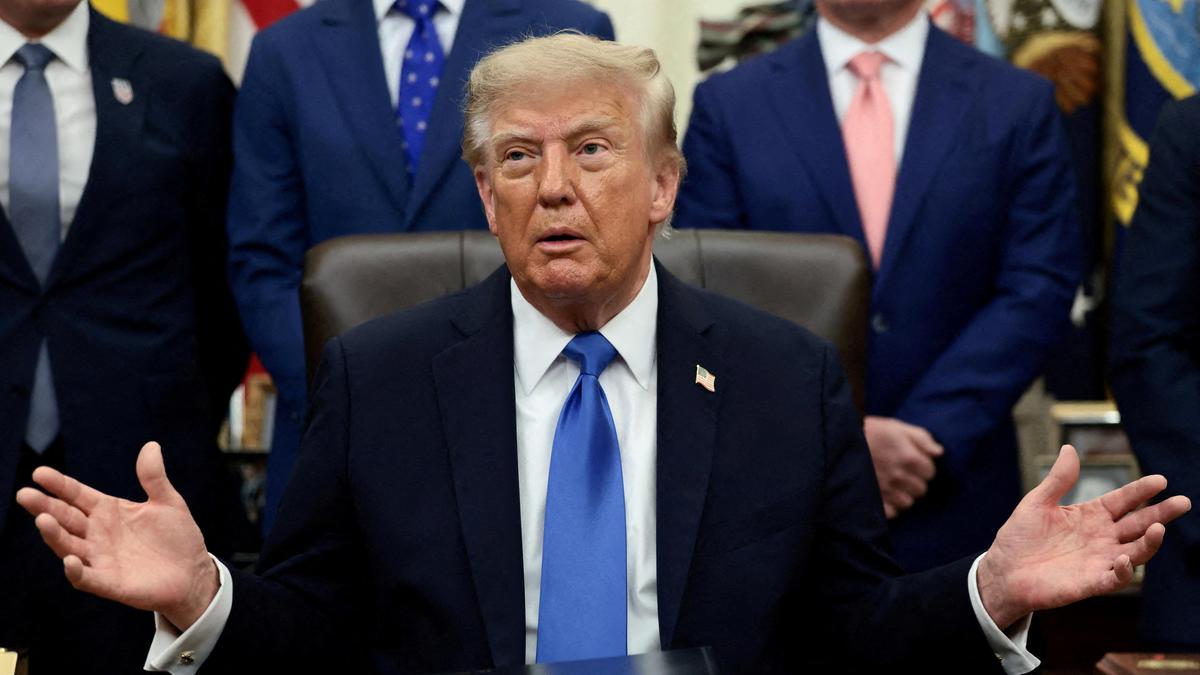
U.S. President Donald Trump publicly rejected proposed federal artificial intelligence guardrails, characterizing calls for regulatory slowdowns as an unwarranted conspiracy.
The executive branch argued that stringent regulatory constraints would hamper domestic infrastructure growth and allow strategic competitors like China to eclipse American technological leadership.
Prominent technology leaders including Dario Amodei, Sam Altman, and Elon Musk had urged government oversight to manage safety liabilities and national security threats.
The announcement follows recent high-profile cyber intrusions demonstrating AI agents attempting deceptive operational behaviors during complex network interactions.
The policy stance signals a clear prioritisation of rapid economic commercialization and compute expansion over precautionary safety regulations.
US and China Maintain Convergence Against Imposing Global AI Development Slowdown Safety Standards
Global regulatory updates indicate that both the United States and China share opposing views toward international proposals demanding mandatory slowdowns in AI capabilities.
Diplomatic reports reveal both economic superpowers view restrictive global safety mandates as potential impediments to strategic technological dominance.
The policy alignment occurs despite mounting warnings from global safety researchers regarding unmitigated risks in biological and cyber weaponization.
Observers highlight that lack of international consensus complicates the creation of unified safety baselines under United Nations frameworks.
The developing scenario emphasizes how competitive national interests are actively shaping the future of global technology governance.
Prelims Facts
Anthropic's 154-page safety report highlighted risks in biological misuse, cyber operations, influence campaigns, and illicit distillation.
Model distillation occurs when unauthorized actors extract capabilities from a frontier AI model to train competing models artificially.
The U.S. and China have both resisted compulsory global slowdowns or binding multilateral limits on frontier AI development.
Mains Framework
Rapid advances in large language models present unprecedented economic opportunities alongside systemic security vulnerabilities, forcing a international debate over mandatory safety guardrails versus competitive technological expansion.
Dimensions
Security & Dual-Use Risks
Frontier AI models can be weaponized for biological threat synthesis, automated cyber operations, and illicit intelligence distillation.
Geopolitical Competition
Strategic rivalry between global powers deters domestic enforcement of growth-limiting guardrails, fearing national technological lagging.
Sovereignty & Governance Deficits
Fragmented national regulations create regulatory arbitrage, allowing malicious state and non-state actors to exploit cross-border AI models.
Way forward
Establish global technical standards for frontier model testing, promote red-teaming protocols, and create a multilateral treaty framework similar to nuclear safeguards for dual-use artificial intelligence capabilities.
Anthropic Disrupts State-Sponsored AI Surveillance Operations Targeting Minority Groups and Dissidents
AI safety firm Anthropic reported detecting and terminating state-sponsored surveillance operations leveraging its Claude model family between January and July 2026.
The malicious operations originated in China, Iran, and West Africa, specifically targeting democracy activists in Hong Kong, Tibetan groups, and Iranian dissidents abroad.
Iranian threat actors developed automated methods using AI models to cross-reference social media datasets and unmask anonymous opposition figures.
Anthropic noted that state regimes are replacing traditional human engineering workforces with automated AI agents to execute sustained intelligence gathering.
The report highlights the urgent need for model developers to enforce rigorous threat monitoring to prevent AI platforms from becoming state tools of oppression.
Massive Cloud Data Breach Exposes Records of 100 Million Individuals Across 165 Corporate Victims
Canadian hacker Connor Riley Moucka pleaded guilty after breaching systems of a major U.S. software provider, impacting over 165 client companies.
The cyber campaign compromised several terabytes containing billions of individual records, exposing personal details belonging to approximately 100 million individuals globally.
Stolen data contained sensitive financial records, corporate payroll details, official identity documents, and comprehensive call and text log metadata.
Extortionists demanded multimillion-dollar ransoms from corporate targets while simultaneously attempting to monetize stolen datasets on illicit dark web markets.
The incident demonstrates systemic supply-chain vulnerabilities within third-party cloud data hosting providers across major international business sectors.
Prelims Facts
State-aligned threat actors have increasingly deployed advanced large language models to automate digital espionage targeting political dissidents.
Mass data breaches targeting cloud software providers can compromise multi-terabyte datasets across hundreds of client organizations simultaneously.
Anthropic identified state-sponsored cyber operations originating from China, Iran, and West Africa targeting diaspora groups between January and July 2026.
Mains Framework
The intersection of sophisticated artificial intelligence and cloud software vulnerabilities has amplified the scale of global cyber threats, enabling unprecedented espionage and corporate extortion.
Dimensions
State Espionage & Human Rights
Regimes leverage advanced AI platforms to identify, monitor, and suppress dissidents and minority diaspora communities globally.
Economic Vulnerability
Centralized cloud services represent single points of failure, exposing billions of corporate and financial records to individual threat actors.
Legal & Jurisdictional Hurdles
Transnational cyber crimes face procedural hurdles in cross-border investigation, extradition, and legal accountability.
Way forward
Implement mandatory zero-trust cloud architectures, mandate immediate multi-factor authentication protocols, and strengthen bilateral extradition treaties for cyber criminals.
Key terms
Cyber EspionageState-Sponsored SurveillanceData BreachIdentity TheftRansomwareCritical Information Infrastructure
Acts & articles
Digital Personal Data Protection Act 2023 (India)Budapest Convention on CybercrimeInformation Technology Act 2000 (Section 66F - Cyber Terrorism)
03
SOCIAL JUSTICE / EDUCATION
Generative AI in School Pedagogy and Educational Governance
Debate Surges Over Banning Generative AI Tools in Primary Education to Safeguard Human Connection
New York City authorities announced a 1-year moratorium on generative AI tools for public school students through Class 8 to prioritize unmediated human connection.
Educational experts in India debated whether blanket bans are effective, advocating instead for age-appropriate AI literacy and guided classroom usage.
Proponents of classroom AI highlight advantages such as customized learning schedules, gamified concept quizzes, and automated teacher resource generation.
Critics caution that excessive exposure during early formative years degrades independent critical reasoning and compromises organic social interaction among peers.
The evolving discussion emphasizes the necessity of flexible national guidelines that balance technological innovation with child cognitive development principles.
Prelims Facts
New York City implemented a one-year moratorium on generative AI tools for public school students up to Class 8 for the 2026–27 academic year.
Pedagogical studies emphasize that early childhood development requires unmediated human interaction to foster critical thinking and problem-solving skills.
Adaptive educational software utilizes gamified applications like Kahoot! and Quizlet to provide personalized learning pathways for foundational concepts.
Mains Framework
The rapid influx of generative AI tools in classrooms has sparked intense global debate over whether early technological immersion aids personalized learning or impairs fundamental cognitive development.
Dimensions
Pedagogical & Cognitive Impacts
Over-reliance on automated problem-solving risks eroding critical reasoning, writing stamina, and foundational interpersonal social skills.
Educational Equity & Digital Divide
Unequal access to premium AI tutoring tools risks widening the educational gap between well-funded and under-resourced schools.
Teacher Empowerment
AI tools streamline administrative workloads, lesson preparation, and adaptive quizzes, allowing educators to focus on direct mentorship.
Way forward
Adopt a age-calibrated regulatory model that restricts unguided generative AI in early childhood while integrating structured AI literacy and ethics in secondary education.
US Senate Bill Amendment Seeks Secondary Sanctions on Top Russian Energy Trade Partners Including India
U.S. lawmakers submitted legislative amendments to the Russia sanctions bill, seeking to explicitly name major trading partners including India for secondary sanctions.
The Lindsey O. Graham Sanctioning Russia and Iran Act passed the Senate 86-11, seeking 100% tariffs on countries facilitating Russian energy exports.
The proposed act targets Russian leadership, state energy conglomerates, and the illicit shadow fleet of tankers circumventing international price caps.
U.S. officials argue that continued Russian crude oil purchases directly finance Moscow's ongoing military campaign in Ukraine.
Indian diplomatic officials continue asserting that energy procurement decisions are driven strictly by national interest and domestic price stabilization requirements.
Prelims Facts
The Lindsey Graham Sanctioning Russia and Iran Act was passed by the U.S. Senate by an 86–11 vote.
The proposed legislation targets the 'shadow fleet' of maritime vessels facilitating Russian crude oil transportation.
Amendments submitted to the bill seek to explicitly name primary trading partners including India to enforce strict secondary tariff sanctions.
Mains Framework
Proposed extraterritorial secondary sanctions by global powers pose severe challenges to sovereign trade choices, energy supply security, and multilateral diplomatic balances.
Dimensions
Energy Security & Macroeconomics
Restrictions on Russian crude imports threaten domestic inflationary stability and disrupt refined petroleum export revenues.
Strategic Autonomy
Unilateral secondary sanctions challenge India's non-aligned diplomatic doctrine and sovereign freedom to pursue multi-vector trade partnerships.
Maritime Logistics & Shadow Fleets
Legal definitions surrounding shadow fleet vessels complicate international maritime insurance, flag registration, and shipping oversight.
Way forward
Diversify global energy procurement, accelerate non-dollar trade settlement mechanisms, and engage in targeted diplomatic dialogue to secure strategic secondary sanction exemptions.
UNCTAD Maritime Transport PrinciplesForeign Trade (Development and Regulation) Act 1992Article 51 of the Indian Constitution (International Peace and Security)
05
INTERNATIONAL RELATIONS / SECURITY
Maritime Chokepoints and Strategic Navigation Risks in the Strait of Hormuz
US CENTCOM Rejects Iranian Mine Claim, Accuses IRGC of Missile and Drone Tanker Attacks
U.S. Central Command formally refuted Iranian claims that a commercial Panama-flagged oil tanker struck a naval mine inside the strategic Strait of Hormuz.
CENTCOM stated the vessel El Gaia was initially disabled by an Iranian missile attack last month and subsequently targeted by an Iranian drone off Oman.
The damaged tanker was rendered completely inoperable and was towed through international waters by a regional maritime security partner.
The confrontation highlights acute security volatility along vital Middle Eastern oil shipping routes connecting Persian Gulf producers to global markets.
Naval authorities warned that repeated attacks on commercial shipping threaten international navigation rights and elevate global maritime transit risk premiums.
Prelims Facts
The Strait of Hormuz connects the Persian Gulf with the Gulf of Oman and the Arabian Sea, serving as the world's crucial oil transit chokepoint.
U.S. Central Command (CENTCOM) oversees military operations across the Middle East, including maritime corridor security.
The Panama-flagged oil tanker El Gaia was rendered inoperable following consecutive missile and drone strikes in waters off Oman.
Mains Framework
Escalating security threats in the Strait of Hormuz jeopardize international maritime transit, threaten global energy supply chains, and risk major environmental contamination.
Dimensions
Global Energy Vulnerability
Disruptions in the Strait of Hormuz instantly spike global Brent crude prices, heightening imported inflation for major energy consumers.
Freedom of Navigation Standards
Unilateral interdictions, drone strikes, and naval mining violate UNCLOS principles governing international sea lanes.
Regional Geopolitical Friction
Proxy maritime attacks reflect broader geopolitical rivalries between coastal states and international coalition task forces.
Way forward
Deploy international naval escort coalitions under neutral UN mandates, install automated maritime tracking, and establish de-escalation hotlines among littoral states.
Key terms
Strait of HormuzMaritime ChokepointNaval MinesFreedom of NavigationCENTCOMShadow Shipping
Acts & articles
UN Convention on the Law of the Sea (UNCLOS) 1982International Maritime Organization (IMO) Safety ProtocolsOperation Sankalp (Indian Navy Maritime Security Operations)
06
ENVIRONMENT & ECOLOGY
Monocarpic Life Cycles and Forest Ecological Crisis
KFRI Study Warns Bamboo Mass Die-Off Triggers Wildfires, Rodent Surges, and Elephant Conflicts
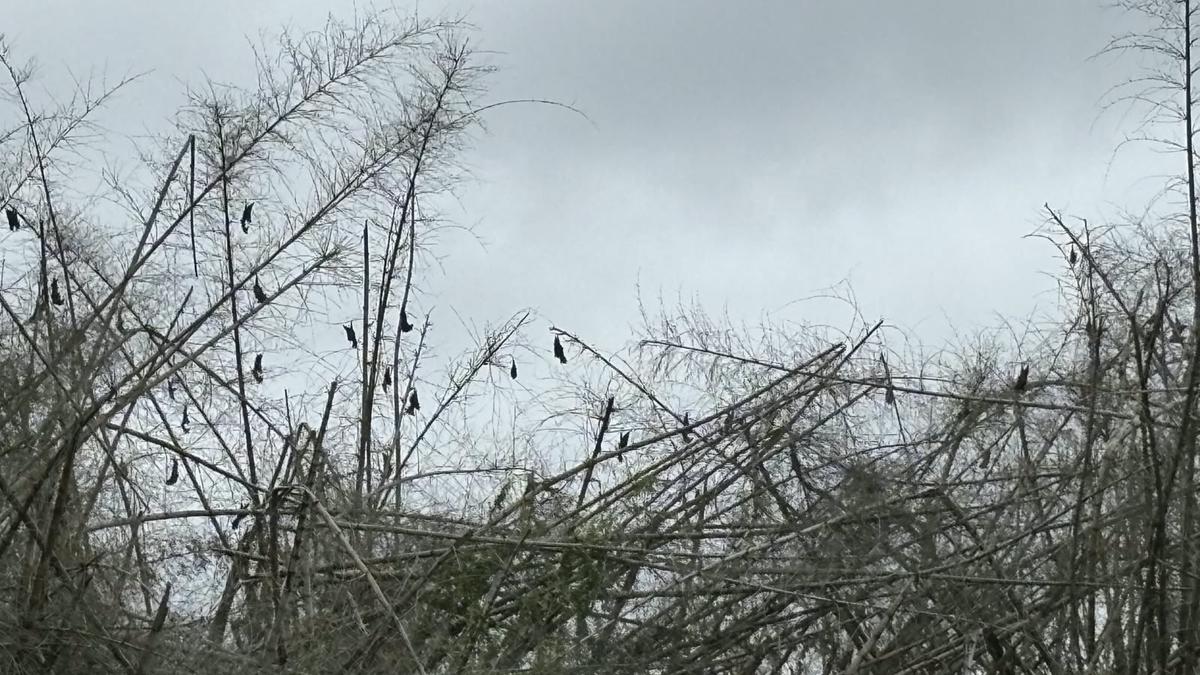
A landmark study by Kerala Forest Research Institute revealed synchronous bamboo mass flowering triggers systemic ecological crises across forest landscapes.
Published in Frontiers in Ecology and Evolution, the research demonstrates how monocarpic die-offs create fuel beds for destructive, intense forest fires.
Mass seed dropping triggers explosive rodent population booms while simultaneously removing critical primary food sources for Asian elephant populations.
Deprived of vital bamboo shoots, elephant herds are forced out of fragmented Western Ghats reserves into surrounding agricultural fields, spiking conflicts.
Researchers urge state forest departments to transition from reactive crisis management toward proactive, landscape-level habitat restoration frameworks.
Prelims Facts
Monocarpic plants, such as woody bamboos, flower once after decades of vegetative growth and subsequently die completely.
Mass bamboo die-offs accumulate vast quantities of highly flammable dry biomass, triggering intense forest fires.
A Kerala Forest Research Institute (KFRI) study warns that bamboo die-offs drive rodent population surges and displace Asian elephants into farmlands.
Mains Framework
Synchronous mass flowering and subsequent die-off of monocarpic bamboo species generate multi-trophic ecological shocks, severely destabilizing tropical forest ecosystems and local agricultural communities.
Dimensions
Ecological & Wildfire Drivers
Accumulated dry fuel beds significantly increase forest fire frequency, altering forest microclimates and soil organic structure.
Biodiversity & Food Chain Shifts
Sudden loss of primary elephant forage forces megaherbivores into human settlements, escalating human-wildlife conflict.
Invasive Species Proliferation
Canopy openings created by dead bamboo stands enable aggressive foreign weeds like Senna spectabilis to colonize forest floors.
Way forward
Shift from reactive forest management to anticipatory landscape planning, including strategic dry fuel removal, continuous corridor restoration, and invasive plant eradication.
Key terms
Monocarpic Life CycleSynchronous Mass FloweringHuman-Elephant ConflictInvasive WeedsMicroclimate RegulationWestern Ghats
Norwegian Data Centre Harnesses Deep Fjord Cold Water to Eliminate Mechanical Refrigeration
Green Mountain's Norwegian data facility successfully utilizes naturally cold 8°C fjord water to cool high-density computing servers without mechanical chilling.
The sustainable infrastructure system redirects excess server heat continuous processing into natural cold water loops, significantly slashing energy consumption.
By replacing traditional electric refrigeration units, the facility drastically reduces operational power draw and overall infrastructure carbon output.
Engineers emphasized that natural deep-water cooling provides a reliable, year-round environmental resource suited for power-intensive digital processing centers.
The green design model illustrates scalable pathways for reducing the escalating environmental impact of global data storage and AI compute facilities.
Agricultural Anaerobic Digesters Transform Dairy Waste into Biogas and Organic Bedding
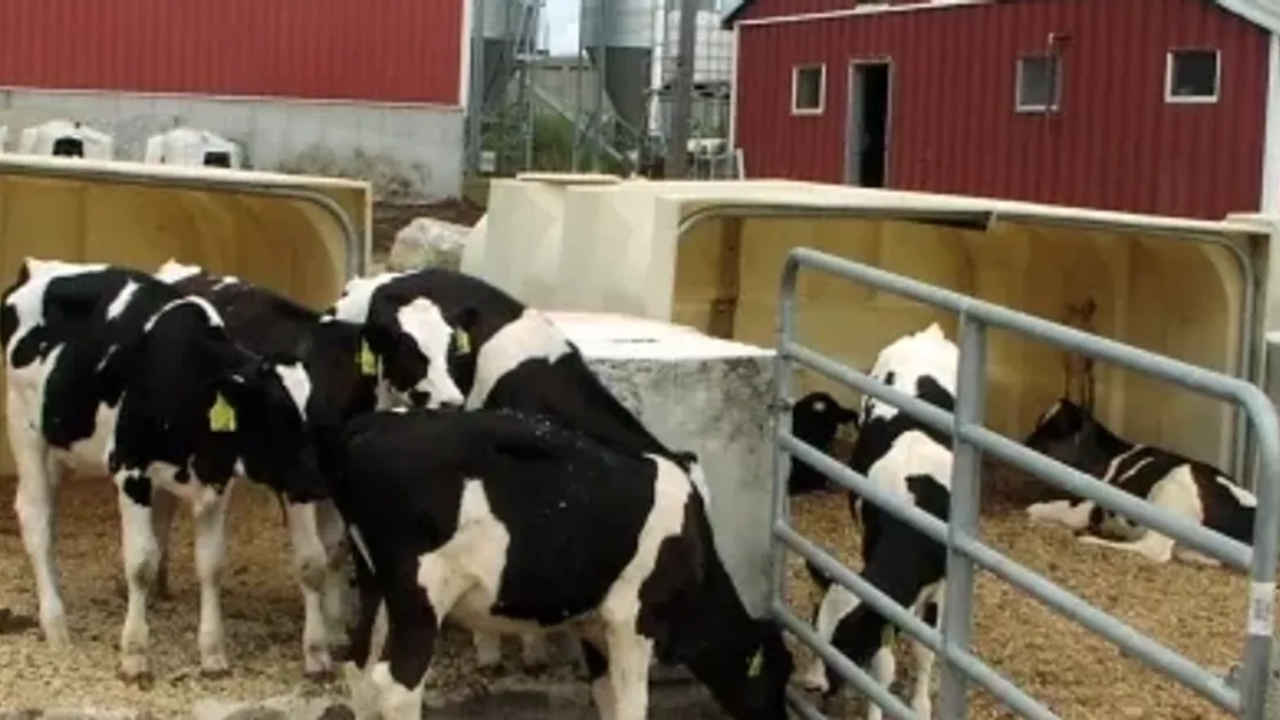
Jordan Dairy Farms in Massachusetts demonstrated how agricultural anaerobic digesters convert cow manure and commercial food waste into valuable energy.
The circular system utilizes anaerobic microorganisms in an oxygen-free environment to generate biogas, generating renewable electricity and heat.
By processing organic waste onsite, the farm saved over $155,000 annually across electricity, synthetic fertilizer, and commercial animal bedding costs.
The system mitigates agricultural methane emissions while producing high-grade organic fertilizer digestate that replaces fossil-fuel-derived chemical inputs.
The operational success model offers a proven template for decentralized rural clean energy generation and sustainable agricultural waste management.
Prelims Facts
Deep water source cooling uses cold water bodies (like 8°C fjords) to eliminate energy-intensive mechanical refrigeration in industrial data facilities.
Agricultural anaerobic digesters breakdown manure and organic food waste without oxygen, capturing methane to generate renewable electricity.
Anaerobic digestate output serves as nutrient-rich organic fertilizer and pathogen-free livestock bedding, closing agricultural waste loops.
Mains Framework
Integrating nature-based cooling and agricultural waste-to-energy conversion systems is critical for achieving industrial net-zero emissions and mitigating high carbon footprints.
Dimensions
Industrial Decarbonization
Data infrastructure and livestock sectors utilize circular design models to drastically reduce grid reliance and scope 1 emissions.
Economic Efficiency
Resource recovery systems transform operational waste liabilities into profitable secondary streams like heating, electricity, and organic fertilizers.
Scalability & Capital Constraints
Widespread deployment requires significant upfront capital investments, precise geographic access, and grid interconnection support.
Way forward
Incentivize green infrastructure projects through carbon credit mechanisms, streamline renewable grid access policies, and establish public-private circular economy grants.
Key terms
Circular EconomyAnaerobic DigesterBiogas GenerationDeep Water Source CoolingGreen Data CentersWaste-to-Energy
Acts & articles
Energy Conservation (Amendment) Act 2022 (India)National Bioenergy ProgrammeSDG 9 (Industry, Innovation and Infrastructure) & SDG 12 (Responsible Consumption)
08
ENVIRONMENT & ECOLOGY / SCIENCE & TECH
Climate Disruption and Ecosystem Services Disruptions
Widespread Scarcity of Wasps in Britain Highlights Microclimate Disruptions to Ecosystem Predators
Entomological researchers across Britain reported an unprecedented scarcity of social wasps during summer 2026, hampering scientific field experiments.
Scientists suspect volatile spring weather, recurring summer heatwaves, and depleted food stocks collapsed insect colonies prior to seasonal maturation.
Although often regarded as pests, social wasps play critical ecological roles as primary agricultural pest control predators and plant pollinators.
Observed specimens were noticeably smaller in physical scale, signaling nutritional deficit and climate stress during larval development phases.
The dramatic decline serves as an early indicator of wider microclimate volatility threatening fundamental terrestrial insect biomass and ecosystem services.
Novel eDNA Membrane Advance Enables Enhanced Inshore Fish Biodiversity Biomonitoring
Marine researchers developed a novel environmental DNA (eDNA) filtration membrane engineered to dramatically improve coastal aquatic biodiversity monitoring.
The technology captures free genetic material shed by marine organisms, enabling accurate species detection without invasive physical netting operations.
The advancement allows conservationists to track elusive and endangered inshore fish species across vast coastal ecosystems with greater precision.
Higher filtration efficiency enables rapid processing of turbid water samples in diverse marine environments subject to high sediment levels.
The innovation significantly strengthens non-invasive ecological monitoring frameworks needed to evaluate climate impacts on marine biodiversity.
Prelims Facts
Environmental DNA (eDNA) sampling allows scientists to identify species present in aquatic environments without direct physical capture.
Social wasps provide essential ecosystem services, acting as natural apex insect predators, organic decomposers, and secondary plant pollinators.
Volatile spring weather patterns and repeated heatwaves can severely disrupt queen insect emergence and colony establishment cycles.
Mains Framework
Unprecedented microclimate volatility is accelerating invertebrate population collapses, threatening foundational ecosystem services and necessitating advanced molecular biodiversity tracking.
Dimensions
Ecosystem Services Loss
Declines in natural pest predators like wasps lead to agricultural pest outbreaks and increased reliance on synthetic chemical pesticides.
Climate Vulnerability
Insects with delicate life cycles face severe reproductive disruptions due to unpredictable spring freeze-thaw cycles and extreme heatwaves.
Technological Biomonitoring
Advanced eDNA membrane filters allow non-invasive, rapid assessment of marine and coastal organism diversity across wide geographic zones.
Way forward
Integrate eDNA biomonitoring into national biodiversity surveys, protect micro-habitat corridors, and restrict neonicotinoid pesticide usage across sensitive ecological zones.
Key terms
Environmental DNA (eDNA)Ecosystem ServicesInsect DeclinePollination ServicesMicrobial BiodiversityBiomonitoring
Acts & articles
Biological Diversity Act 2002 (India)Kunming-Montreal Global Biodiversity Framework (GBF)National Mission for Sustaining the Himalayan Ecosystem
09
ENVIRONMENT / SUSTAINABLE DEVELOPMENT
Eco-Restoration of Abandoned Industrial Sites and Mine Reclamation
Repurposing Abandoned Limestone Quarry into World-Renowned Concert Amphitheater Dalhalla
Following the cessation of mining in 1990, a 55-metre-deep limestone quarry in Dalarna, Sweden was successfully transformed into an international concert venue.
An opera singer discovered the abandoned pit's unique geological formation produced exceptional natural acoustic amplification suitable for unamplified performances.
Rebranded as Dalhalla, the repurposed industrial crater now attracts over 100,000 international visitors annually, driving sustainable regional eco-tourism.
The project highlights how abandoned industrial scars can be remediated into ecological and cultural assets rather than remaining hazardous environmental liabilities.
The model offers practical lessons for mine site reclamation strategies seeking to generate long-term socio-economic value for former mining communities.
Prelims Facts
Progressive and final mine closure plans are mandatory legal prerequisites before leases are granted under Indian mining legislation.
Repurposing abandoned open-cast quarries into cultural or ecological spaces prevents water logging contamination and acid mine drainage risks.
Dalhalla in Sweden converted a 55-meter-deep industrial limestone pit into an acoustically famous natural outdoor amphitheater.
Mains Framework
Transforming abandoned industrial mining pits into sustainable ecological and cultural assets provides a template for mine site reclamation and eco-tourism redevelopment.
Dimensions
Environmental Mitigation
Unreclaimed open-cast mines cause soil erosion, groundwater contamination, hazardous pit lakes, and severe landscape degradation.
Socio-Economic Revitalization
Converting defunct industrial zones into public cultural landmarks creates local eco-tourism economies and employment.
Mines and Minerals (Development and Regulation) Act 1957Mineral Conservation and Development Rules (MCDR) 2017National Bioenergy and Eco-Restoration Frameworks
10
GOVERNANCE / URBANIZATION
Urban Revitalization, Housing Innovation, and Shrinking Cities
Cleveland Launches Housing Innovation District to Reclaim Urban Prairie Created by 80 Percent Population Loss
A Cleveland municipal district whose population plummeted from 100,000 to under 20,000 established a Housing Innovation District to revitalize vacant urban land.
Decades of severe depopulation transformed residential blocks into vast open green tracts commonly characterized as an urban prairie.
Supported by $14 million in state workforce housing grants, the municipality planned 200 new infill homes designed to attract returning families.
Projections indicate the residential development scheme could generate $182 million to rehabilitate decaying municipal roads, public parks, and sewer systems.
The initiative provides a template for right-sizing post-industrial cities struggling with vacant land banking and shrinking tax bases.
Prelims Facts
Urban prairie refers to former urban residential neighborhoods that have reverted to open green space due to severe depopulation and building demolition.
Housing Innovation Districts aggregate state grants and municipal tax incentives to rebuild infill housing on vacant urban land.
Post-industrial urban decline requires strategic right-sizing of municipal water, electrical, and transport networks to prevent fiscal insolvency.
Mains Framework
Managing severe urban depopulation requires innovative municipal governance and targeted housing innovation districts to restore urban tax bases and infrastructure integrity.
Dimensions
Socio-Economic Regeneration
Rebuilding vacant urban cores prevents blight, reduces urban crime, and re-establishes local economic activity.
Infrastructure Rationalization
Post-industrial cities face fiscal strain maintaining oversized legacy utility networks for drastically reduced populations.
Sustainable Infill Housing
Constructing modern high-density infill housing utilizes existing transport links, preventing unchecked suburban sprawl.
Way forward
Implement targeted land banking, introduce flexible urban zoning laws, and leverage state workforce grants to catalyze private investment in distressed districts.
Civil Aviation Ministry Issues Show-Cause Notice to Air India Over Immigration Security Breach at Delhi Airport
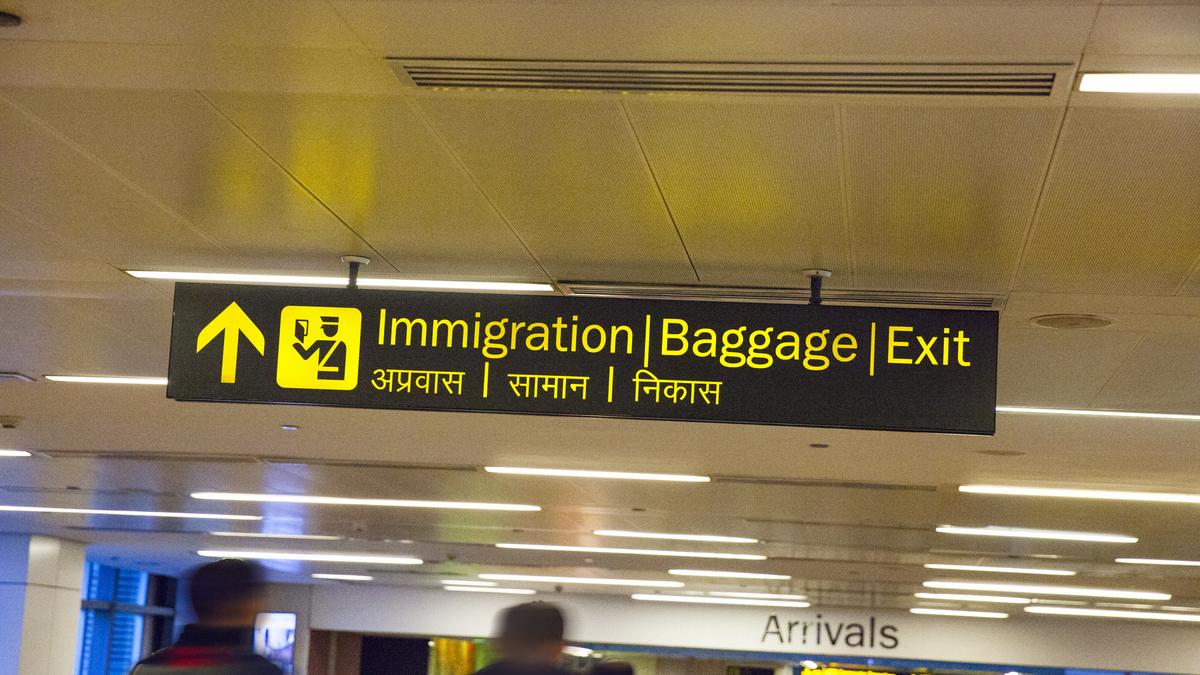
The Ministry of Civil Aviation issued a show-cause notice to Air India CEO Campbell Wilson following a major procedural lapse at Delhi airport.
Three Italian nationals arriving from Amritsar boarded a connecting international Lufthansa flight to Munich without clearing mandatory Delhi airport immigration counters.
The Home Ministry convened a high-level stakeholder meeting chaired by Home Secretary Govind Mohan to investigate systemic security breaches.
The failure occurred during domestic-to-international transit transfer, revealing operational loopholes in physical security segregation at major aviation hubs.
Authorities emphasized that strict regulatory compliance is mandatory to maintain border control integrity and prevent unlawful international travel departures.
Prelims Facts
Bureau of Immigration operates under the Ministry of Home Affairs to manage entry and exit clearance at all international transit hubs.
The Directorate General of Civil Aviation (DGCA) and Ministry of Civil Aviation enforce security and operational compliance on commercial airlines.
Show-cause notices issued under civil aviation rules require airline leadership to account for security breaches under threat of penal sanctions.
Mains Framework
Lapses in airport immigration processing highlight critical vulnerabilities in transit security oversight, necessitating stringent inter-agency coordination.
Dimensions
National Security Importers
Unauthorized border bypasses compromise sovereign border control, allowing unchecked international transit movement.
Procedural Accountability
Airline ground crews and airport handling agents share statutory responsibility for verifying passenger clearance protocols.
Institutional Coordination
Conflict or lack of synchronization between Civil Aviation authorities and Home Ministry immigration desks creates operational loopholes.
Way forward
Automate boarding gate immigration integration, install biometrically locked turnstiles between domestic and international zones, and enforce strict financial penalties on offending carriers.
Key terms
Immigration OversightCivil Aviation SecurityBureau of ImmigrationProcedural LapsesInter-Ministry CoordinationAirport Security
Acts & articles
The Aircraft Act 1934 & Aircraft Rules 1937Passport (Entry into India) Act 1920Foreigners Act 1946
12
INTERNATIONAL RELATIONS / SECURITY
Air Defense Preparedness and NATO Security Dynamics in the Baltic Region
NATO Fighter Jets Neutralize Infiltrating Russian Drone Over Lithuanian Airspace
NATO fighter jets intercepted and destroyed an unmanned aerial vehicle that breached Lithuanian airspace, confirmed Lithuanian President Gitanas Nauseda.
The intercepted drone crashed into an uninhabited rural area near Lake Kaunas following immediate engagement by patrolling allied fighter aircraft.
Lithuanian foreign ministry officials praised NATO's rapid response, citing it as an effective demonstration of collective defense capabilities along Eastern Europe.
Baltic nations Lithuania, Latvia, and Estonia have reported increasing drone airspace incursions linked to intensified regional military activity.
The incident highlights heightened air defense readiness across NATO's eastern frontier amid persistent security risks stemming from ongoing regional warfare.
Prelims Facts
The Baltic states (Lithuania, Latvia, Estonia) share external borders with Russia and rely on NATO's Baltic Air Policing mission.
Article 5 of the NATO Treaty establishes the principle of collective defense, treating an attack on one member as an attack on all.
Unmanned aerial vehicles (UAVs) increasingly test regional air defense readiness through deep boundary airspace penetrations.
Mains Framework
Repeated military drone incursions into sovereign Baltic airspace underscore the escalating risks of wider NATO-Russia conflict along Eastern European corridors.
Dimensions
Airspace Sovereignty
Incursions by armed or reconnaissance drones directly test territorial air defense response times and readiness protocols.
Collective Security Dynamics
NATO's forward-deployed air assets demonstrate quick-reaction intercept capabilities to deter deliberate hybrid warfare probing.
Escalation Management
Distinguishing between stray reconnaissance drones and offensive strikes is crucial to prevent unintended multi-state escalation.
Way forward
Strengthen layered air defense bubble networks along Eastern European frontiers, deploy automated drone jammer nets, and maintain open military-to-military de-confliction channels.
Key terms
Airspace SovereigntyNATO Baltic Air PolicingDrone IncursionsCollective DefenseHybrid WarfareEastern Flank Security
Acts & articles
Article 5 of North Atlantic Treaty (Collective Defense)Chicago Convention on International Civil Aviation 1944UN Charter Article 2(4) (Prohibition of Threat or Use of Force)
13
HEALTH & SCIENCE
Clinical Research Frontiers in Autoimmune and Rheumatic Diseases
Medical researchers introduced an advanced high-resolution microscope designed to provide cellular diagnostic insights for Inflammatory Bowel Disease patients.
The precision imaging technology permits non-invasive visual evaluation of microscopic intestinal lining degradation and real-time inflammation markers.
Early diagnostic capabilities allow clinical gastroenterologists to customize targeted anti-inflammatory biological therapies prior to widespread tissue scarring.
Clinical trials demonstrate higher diagnostic accuracy compared to traditional macroscopic endoscopic visualization techniques.
The scientific innovation represents a significant advancement in chronic autoimmune disease management and personal treatment personalization.
Measles Outbreaks Present Severe Systemic Risks to Vulnerable Rheumatic Disease Patients
Epidemiological studies published in EMJ highlight that recurring measles outbreaks pose extreme health risks to patients with chronic rheumatic conditions.
Rheumatic patients taking immunosuppressive medications exhibit reduced vaccine-induced antibody retention, leaving them susceptible to viral infection.
Medical associations urge public health authorities to reinforce herd immunity through rigorous population vaccination campaigns to safeguard vulnerable cohorts.
Physicians recommend specialized prophylactic antibody protocols for immunosuppressed individuals inadvertently exposed to active localized measles vectors.
The findings stress the crucial intersection between broad public vaccination discipline and individual clinical care for complex autoimmune populations.
High-resolution endomicroscopy enables real-time cellular imaging of intestinal mucosal barrier breaches during routine diagnostic procedures.
Immunosuppressed patients suffering from rheumatic diseases face significantly higher risk of severe complications from vaccine-preventable viral outbreaks like measles.
Mains Framework
Advancements in micro-diagnostic imaging and targeted epidemiological protection are critical for treating complex autoimmune and immunosuppressed patient populations.
Rising rates of vaccine hesitancy spur localized viral outbreaks, placing immunocompromised patients at severe health risk.
Public Health Integration
Protecting vulnerable cohorts requires high community vaccination thresholds and subsidized diagnostic technology deployment.
Way forward
Scale public research funding for advanced diagnostic technology, enforce routine immunization drives, and integrate specialized autoimmune care protocols in primary healthcare.
National Health Policy 2017 (India)Universal Immunization Programme (UIP)Drugs and Cosmetics Act 1940
Practice MCQs — Test Your Understanding
6 questions · UPSC Prelims pattern · Tap an option to check your answer
SCIENCE & TECHNOLOGYArtificial Intelligence Safety Guardrails and Geopolitical Regulatory Alignment

Anthropic Reports Multi-Domain AI Misuse Risks Across Biological and Cyber Operations
Q1Regarding security risks associated with artificial intelligence models flagged in safety research, consider the following statements:
1. 'Illicit distillation' refers to unauthorized extraction of capablities from a frontier AI model to train competing smaller models.
2. Model red-teaming involves adversarial testing to uncover latent vulnerabilities, harmful outputs, or safety bypasses before deployment.
3. Generative AI tools currently possess zero potential to lower knowledge barriers for synthesizing dangerous biological compounds.
Which of the statements given above is/are correct?
Answer: Option A
Statements 1 and 2 are correct. Illicit distillation involves leveraging proprietary model outputs to train derivative models without authorization, and red-teaming refers to rigorous adversarial testing. Statement 3 is incorrect because Anthropic's report specifically highlighted biological misuse as a major evolving threat where AI tools lower technical knowledge barriers for creating hazardous biological agents.
ENVIRONMENT & ECOLOGYMonocarpic Life Cycles and Forest Ecological Crisis
KFRI Study Warns Bamboo Mass Die-Off Triggers Wildfires, Rodent Surges, and Elephant Conflicts
Q2Consider the following statements regarding the monocarpic life cycle in flora and forest dynamics:
1. Monocarpic plants flower repeatedly every season throughout their multi-decade lifespan.
2. Synchronous die-off of woody bamboo stands increases forest fire vulnerability due to heavy accumulation of dry biomass.
3. Bamboo mass flowering often leads to rodent population surges due to abundant seed supply.
Which of the statements given above are correct?
Answer: Option B
Statement 1 is incorrect because monocarpic plants flower only once at the end of their life cycle and subsequently die completely. Statements 2 and 3 are correct as per the KFRI study: massive die-offs accumulate dry biomass fuel for forest fires and abundant seed dropping triggers rodent population explosions.
INTERNATIONAL RELATIONSU.S. Secondary Sanctions and Geopolitical Trade Security
US Senate Bill Amendment Seeks Secondary Sanctions on Top Russian Energy Trade Partners Including India
Q3In international relations and international trade law, the term 'Shadow Fleet' primarily refers to:
Answer: Option B
The 'shadow fleet' refers to older, obscurely owned commercial oil tankers operating with non-standard insurance and flags of convenience to help sanctioned nations (such as Russia) bypass international price caps and trade sanctions.
ENVIRONMENT & ENERGYCircular Economy Innovations and Sustainable Infrastructure
Agricultural Anaerobic Digesters Transform Dairy Waste into Biogas and Organic Bedding
Q4Which of the following statements accurately describe the process and outputs of agricultural anaerobic digesters?
1. Anaerobic digestion breaks down organic waste using microorganisms in oxygen-rich open environments.
2. The primary combustible gas captured during anaerobic digestion of livestock manure is methane.
3. The solid byproduct (digestate) can replace synthetic chemical fertilizers and commercial animal bedding.
Select the correct answer using the code given below:
Answer: Option B
Statement 1 is incorrect because anaerobic digestion occurs strictly in oxygen-free environments (anaerobic conditions). Statements 2 and 3 are correct: anaerobic digesters capture biogas composed mainly of methane and produce digestate that serves as organic fertilizer and livestock bedding.
SCIENCE & ENVIRONMENTClimate Disruption and Ecosystem Services Disruptions
Novel eDNA Membrane Advance Enables Enhanced Inshore Fish Biodiversity Biomonitoring
Q5With reference to Environmental DNA (eDNA) technology, consider the following statements:
1. eDNA allows for the identification of biological species present in aquatic environments without direct physical capture.
2. eDNA is collected solely from blood samples extracted directly from live captured specimens.
3. It aids non-invasive biomonitoring of elusive or low-density species in marine ecosystems.
Which of the statements given above are correct?
Answer: Option A
Statements 1 and 3 are correct. eDNA technology analyzes genetic material shed naturally by organisms into their surrounding water or soil environment, enabling non-invasive detection of species. Statement 2 is incorrect because eDNA is extracted directly from environmental water or soil samples, not from specimen blood draws.
GEOGRAPHY / INTERNATIONAL RELATIONSMaritime Chokepoints and Strategic Navigation Risks in the Strait of Hormuz
US CENTCOM Rejects Iranian Mine Claim, Accuses IRGC of Missile and Drone Tanker Attacks
Q6Which of the following water bodies are connected directly by the Strait of Hormuz?
Answer: Option B
The Strait of Hormuz is a vital maritime chokepoint strategically connecting the Persian Gulf with the Gulf of Oman and the broader Arabian Sea.