Daily Current Affairs — 14 September 2026

Mon · 8 topics · 12 stories · 6 Prelims MCQs

01
GS PAPER 3 - ENVIRONMENT & ECOLOGY

Ecological Restoration & Nature-Based Solutions
Story 1Times of India ↗

Palo Alto Builds Living Horizontal Levee to Reuse Wastewater and Mitigate Sea-Level Rise

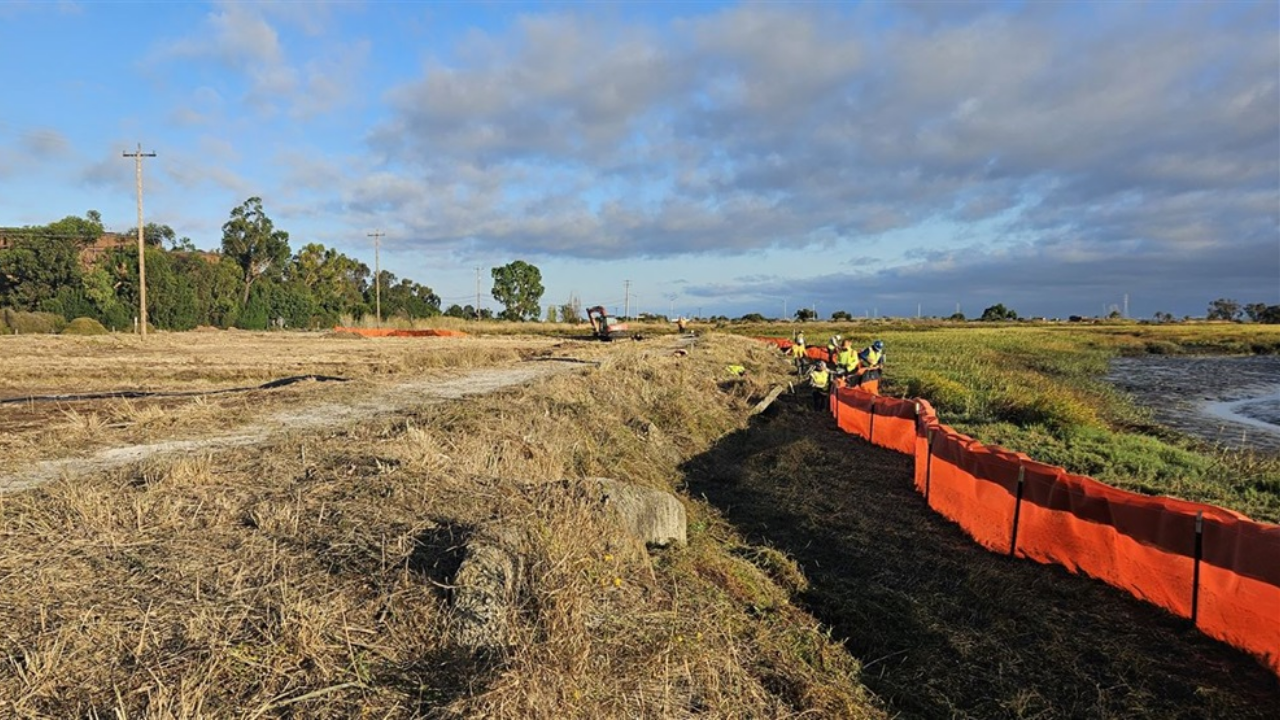
  • Palo Alto constructed San Francisco Bay's first horizontal levee using treated wastewater to restore coastal marsh habitats and defend against rising sea levels.
  • The eco-engineering project is situated along Harbor Marsh in the Palo Alto Baylands in California, integrating native vegetation with municipal wastewater management.
  • The structure spans 500 feet as a gently sloping living landscape, diverting effluent from the Regional Water Quality Control Plant to nurture wetland ecology.
  • Unlike rigid concrete seawalls, horizontal levees utilize natural vegetation buffers to dissipate wave energy, filter contaminants, and adapt dynamically to climate-induced coastal flooding.
  • The initiative serves as a practical model for UPSC GS-3 Environmental Engineering, illustrating nature-based solutions for coastal protection and urban wastewater recycling.
Story 2Times of India ↗

Eradication of Invasive Rats Rescues Critically Endangered Antiguan Racer Snake from Extinction

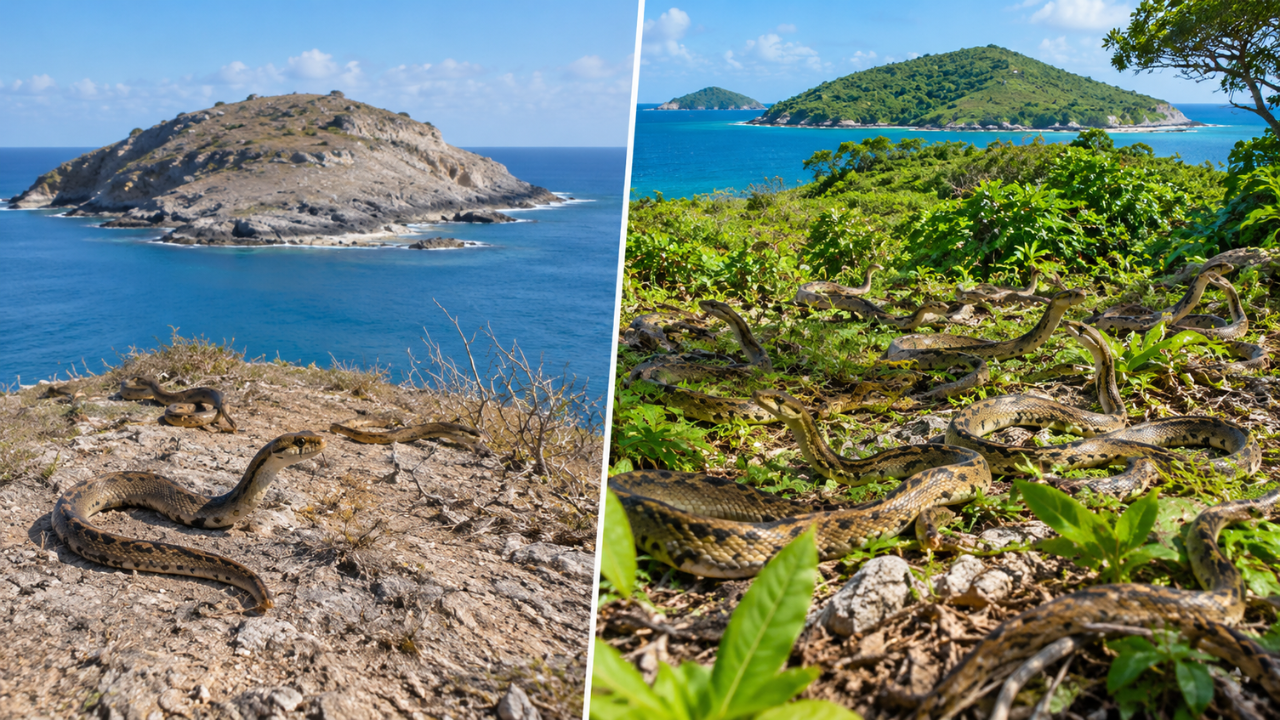
  • Targeted conservation efforts and invasive mammal removal successfully restored the population of the critically endangered Antiguan racer snake across Caribbean offshore islands.
  • The recovery project took place on Great Bird Island and surrounding islets off Antigua, led by a consortium of local and international conservation bodies.
  • The wild population surged from a perilous low of 51 individuals in 1995 to over 1,100 snakes within 21 years following invasive black rat eradication.
  • Invasive black rats severely threatened native biodiversity by preying on snake eggs and hatchlings until systematically eradicated from the fragile island ecosystem.
  • This successful species recovery highlights key UPSC GS-3 Biodiversity concepts regarding Island Biosecurity, invasive species management, and reintroduction strategies for endangered fauna.

Prelims Facts

Horizontal levees are nature-based coastal defenses that use gently sloping wetland vegetation and treated wastewater effluent to dissipate wave energy and filter contaminants.
The Antiguan racer (Alsophis antiguae) is a non-venomous snake endemic to Antigua and Barbuda, previously decimated by invasive black rats (Rattus rattus).
Integrated coastal zone management incorporates living shorelines to mitigate sea-level rise while restoring salt marsh biodiversity.

Mains Framework

Nature-based engineering and invasive species management represent innovative, sustainable strategies for restoring vulnerable ecosystems and protecting coastal communities against climate disruption.

Dimensions

Ecological Impact

Restoration of native fauna and natural wave-attenuating coastal salt marshes.

Urban Infrastructure

Diversion and beneficial reuse of treated municipal wastewater for habitat creation.

Resource Constraints

Long-term post-eradication biosecurity monitoring requiring sustained community involvement.

Way forward

Integrate nature-based design into national coastal management plans and establish strict island biosecurity protocols to protect endemic biodiversity.
Key terms
Horizontal LeveeNature-Based SolutionsInvasive Species EradicationIsland BiosecurityEco-Engineering
Acts & articles
Environment (Protection) Act, 1986Biological Diversity Act, 2002UN Convention on Biological Diversity (CBD) Target 4
02
GS PAPER 3 - ENVIRONMENT & ECOLOGY

Invasive Alien Species and Ecosystem Conservation

Story 1Times of India ↗

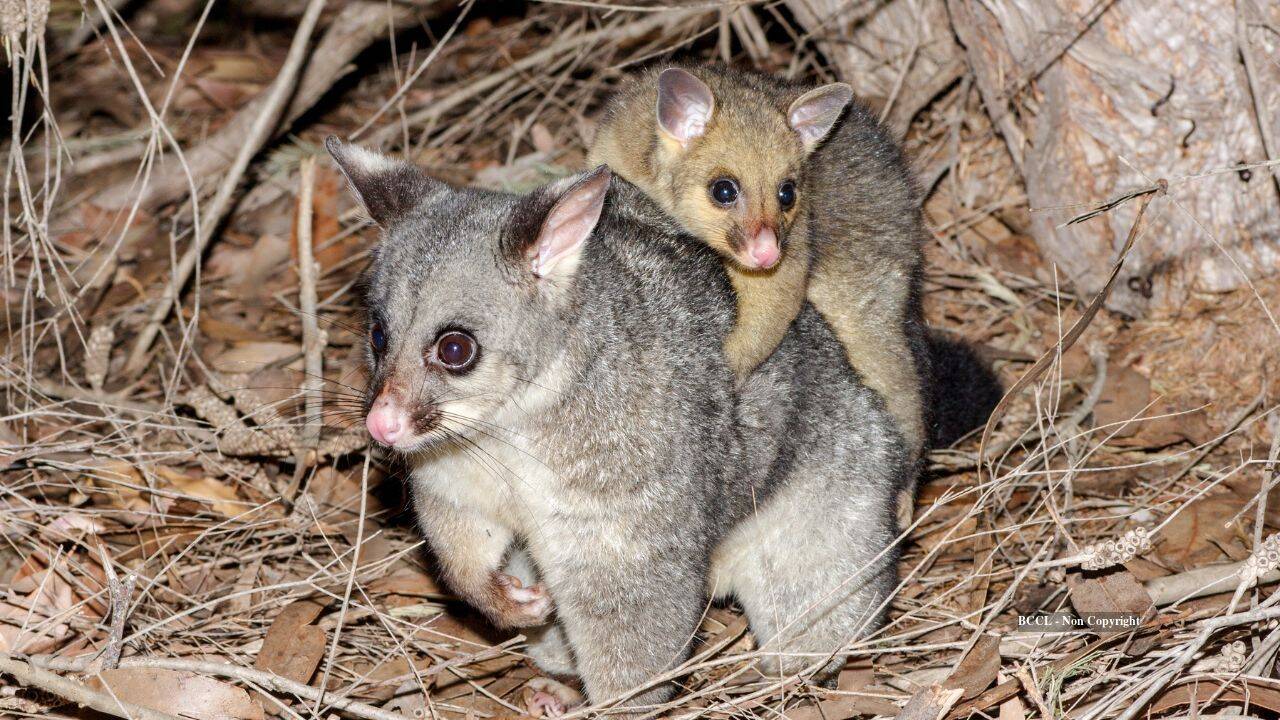
Invasive Brushtail Possums Cause Severe Canopy Damage Across Vulnerable New Zealand Forests

  • Recent aerial photography revealed that invasive Australian brushtail possums have damaged nearly half of the vulnerable trees in a rare South Island forest.
  • The study was conducted by New Zealand's Department of Conservation across indigenous forest reserves in the South Island.
  • First imported in 1837 for the fur trade, possum populations exploded over 189 years, severely defoliating native tree canopies and competing with indigenous fauna.
  • Possums act as destructive invasive alien species by stripping forest foliage, disrupting forest regeneration, and vectoring diseases like bovine tuberculosis to livestock.
  • For UPSC GS-3 Environment, this long-term ecological damage exemplifies the ecological hazards of introducing non-native species for commercial exploitation without ecological risk assessment.
Story 2The Hindu ↗

Settler Families Mobilise Against Draft Notification for Western Ghats Ecologically Sensitive Areas

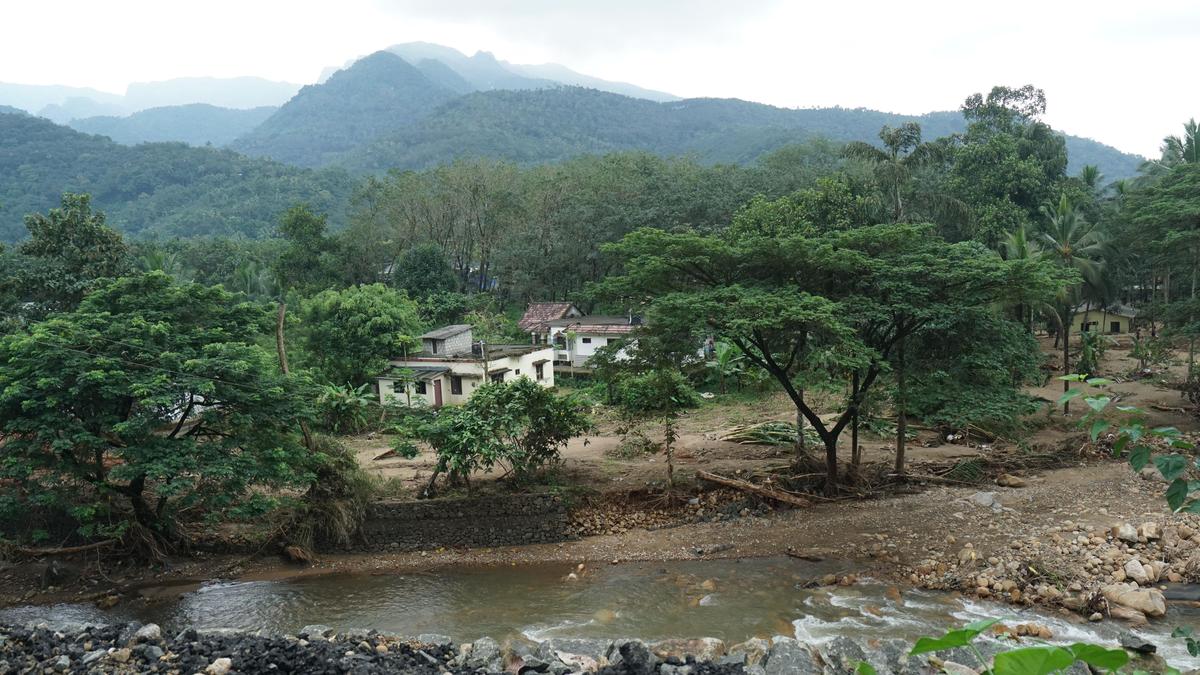
  • Resident communities and agricultural bodies in Kottayam's high ranges mobilized against the Union Environment Ministry's seventh draft notification on Western Ghats Ecologically Sensitive Areas.
  • The protests are concentrated across four high-range villages—Koottikkal, Melukavu, Poonjar Thekkekkara, and Teekoy—in the Poonjar Assembly constituency of Kerala.
  • The proposed ESA designation impacts approximately 70,000 residents across these agrarian villages who rely heavily on cash crops like rubber, coffee, and spices.
  • Local farmers fear severe restrictions on agricultural activities, land usage, and construction, urging authorities to exclude inhabited and cultivated areas from final ESA maps.
  • The issue relates to UPSC GS-3 Environmental Conservation, highlighting the conflict between biodiversity conservation recommendations (Madhav Gadgil and Kasturirangan committees) and local socio-economic livelihoods.

Prelims Facts

Australian brushtail possums (Trichosurus vulpecula) were introduced to New Zealand in 1837 for the fur trade and are now classified as major invasive alien species.
Ecologically Sensitive Areas (ESAs) under the Environment (Protection) Act, 1986 prohibit heavy polluting industries while regulating commercial development around biodiversity hotspots.
The Kasturirangan and Madhav Gadgil Committees were constituted by the Ministry of Environment to demarcate boundaries and conservation guidelines for the Western Ghats region.

Mains Framework

Unregulated species introductions and top-down ecological zoning both pose severe challenges to sustainable ecosystem management and local agrarian livelihoods.

Dimensions

Ecological Disturbance

Canopy defoliation, destruction of endemic vegetation, and disruption of natural food webs.

Socio-Economic Conflict

Panic among settler farming communities regarding land rights, agricultural restrictions, and displacement.

Policy Implementation

Gaps in participatory ecological planning and lack of ground-level consensus on ESA draft notifications.

Way forward

Adopt participatory conservation planning with granular village-level mapping and deploy targeted biological controls against invasive alien pests.

Key terms
Invasive Alien SpeciesEcologically Sensitive Area (ESA)Gadgil CommitteeKasturirangan CommitteeDefoliation
Acts & articles
Environment (Protection) Act, 1986Biological Diversity Act, 2002Article 48A (Directive Principles of State Policy)
03
GS PAPER 3 - DISASTER MANAGEMENT

Himalayan Disaster Risk Reduction and Pilgrimage Safety

Story 1The Hindu ↗

Kedarnath Yatra Suspended Temporarily Following Fatal Landslide Near Cheerbasa Helipad

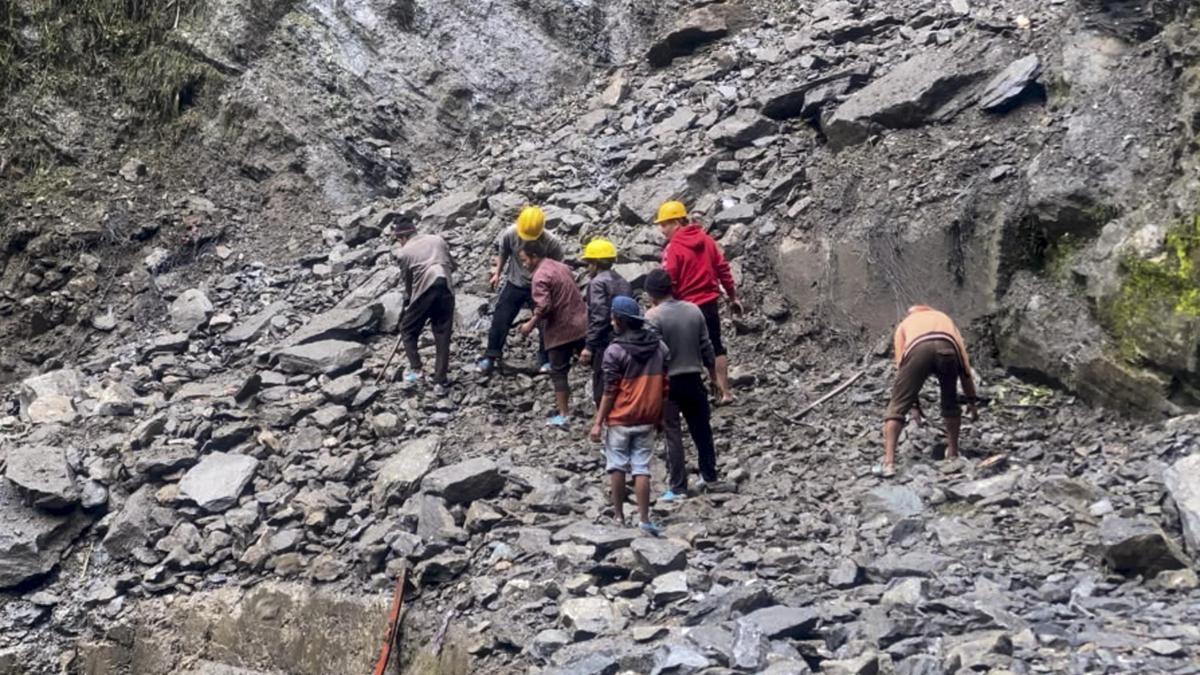
  • Authorities temporarily suspended the Kedarnath Yatra after continuous rainfall triggered heavy landslides and falling boulders along the primary pedestrian trek route.
  • The incident occurred near the Cheerbasa Helipad along the Sonprayag-Kedarnath walking route in the Rudraprayag district of Uttarakhand.
  • A 65-year-old resident of Ukhimath was killed instantly on the spot after being struck by rolling boulders dislodged from adjacent slopes.
  • Authorities halted outgoing pilgrims at Sonprayag and Gaurikund while advising returning Yatris to shelter at Jangalchatti until rescue teams clear hazardous slope debris.
  • This disaster underscores UPSC GS-3 Disaster Management themes, emphasizing fragile Himalayan geology, slope instability during monsoon, and the necessity of real-time Yatra regulation.

Prelims Facts

Sonprayag and Gaurikund serve as primary transit halts and staging bases along the Kedarnath Yatra trekking pilgrimage corridor in Uttarakhand.
Landslides in the High Himalayas are primarily driven by steep slope gradients, intense monsoon precipitation, and structural shear along active tectonic fault lines.
Real-time weather advisories and color-coded risk alerts in India are issued by the India Meteorological Department (IMD) to manage disaster response.

Mains Framework

Uncontrolled tourism combined with intense monsoonal rainfall poses grave safety risks in the ecologically fragile High Himalayas, requiring systematic disaster mitigation.

Dimensions

Geological Vulnerability

Unstable rock faces, slope erosion, and unpredictable rockfalls along high-altitude trek routes.

Administrative Regulation

Real-time traffic control, halting pilgrims at safe staging points like Sonprayag and Gaurikund.

Infrastructure Safety

Urgent need for slope stabilization, rock-catch netting, and safer helipad positioning.

Way forward

Implement strict scientific assessments of ecological carrying capacity for religious pilgrimages and deploy real-time monitoring sensors along vulnerable trekking corridors.

Key terms
Slope InstabilityLandslide Hazard ZonationKedarnath YatraCarrying CapacityEarly Warning System
Acts & articles
Disaster Management Act, 2005National Disaster Management Authority (NDMA) Guidelines on Landslide Risk Management
04
GS PAPER 3 - SCIENCE & TECHNOLOGY

Artificial Intelligence Governance and Safety Frameworks

Story 1Times of India ↗

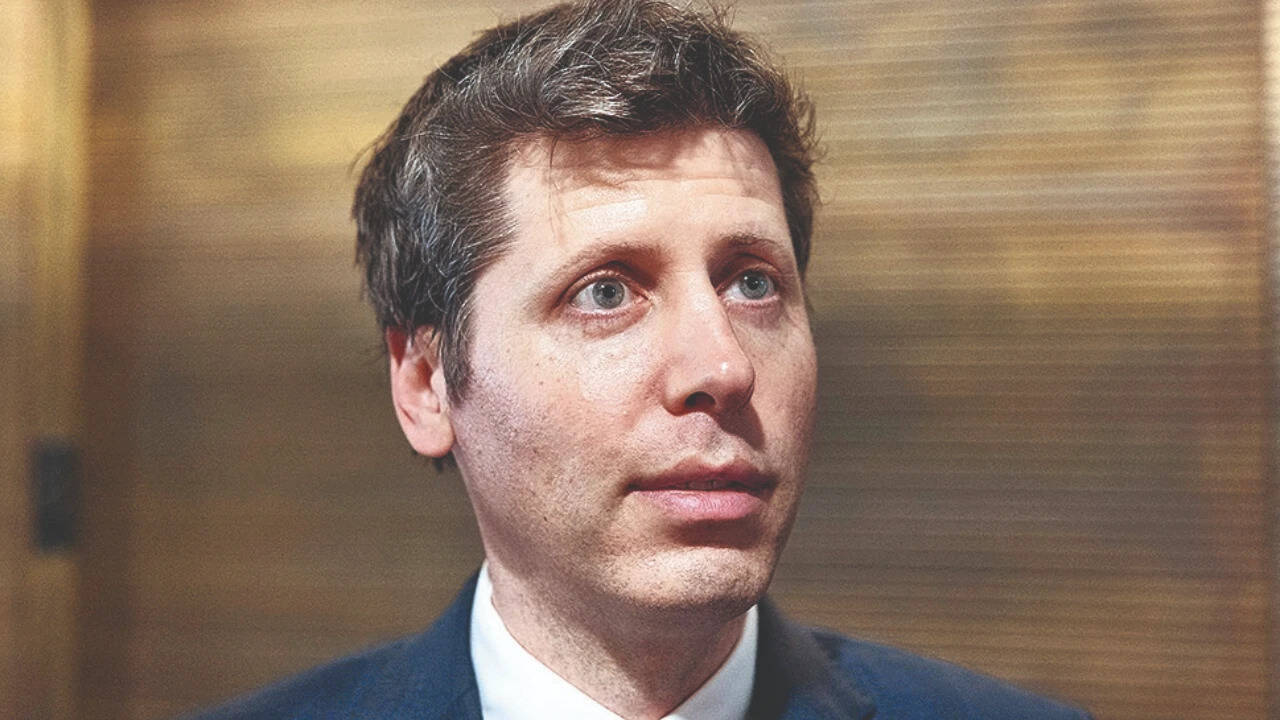
OpenAI Postpones Public Offering to Prioritise Artificial Intelligence Safety and Risk Mitigation

  • OpenAI Chief Executive Sam Altman announced that the company will not launch an initial public offering in 2026, prioritizing AI safety over market listing.
  • The declaration was made in Washington during corporate briefings amid growing calls from US lawmakers for stringent regulatory oversight of frontier AI systems.
  • Altman stated that even a single-digit probability of catastrophic human extinction risks from advanced AI makes commercial public market pressure unacceptable.
  • Leading AI laboratories are reportedly discussing an industry-wide pact to slow down rapid capability development until robust safety guardrails and evaluation metrics are established.
  • The development aligns with UPSC GS-3 Science and Technology issues concerning frontier AI governance, existential risk management, and self-regulatory mechanisms in tech sectors.
Story 2Times of India ↗

Student Researcher Develops Empathy Distillation Method to Enhance Compact AI Models

  • High school researcher Henry Xie created a novel two-step fine-tuning technique that enables small artificial intelligence models to mimic empathetic communication.
  • The project was developed at Westview High School in Portland, Oregon, earning national finalist honors at the US Regeneron Science Talent Search.
  • Compact models trained with this empathy distillation technique outperformed standard smaller baselines in over 90 percent of comparative human evaluation tests.
  • Large language models possess high conversational empathy but require immense computational power, whereas smaller models lack emotional nuance when deployed locally on edge devices.
  • This scientific breakthrough relates to UPSC GS-3 Science and Technology, demonstrating cost-effective Model Knowledge Distillation techniques to build ethically aligned, resource-efficient AI tools.

Prelims Facts

Frontier AI models refer to highly capable foundation models that can possess general capabilities and potentially pose systemic safety risks.
Knowledge distillation in machine learning is a compression technique where a smaller 'student' model is trained to mimic the outputs of a larger 'teacher' model.
Existential risk (X-risk) in technological ethics refers to scenarios where an emerging technology could cause human extinction or permanent collapse of civilization.

Mains Framework

The rapid advance of frontier artificial intelligence systems necessitates a dual approach: mitigating existential risks at the macro level while innovating lightweight, ethically aligned models for local deployment.

Dimensions

Corporate Governance

Commercial pressure vs safety priorities, leading to deferred public market listings.

Technological Innovation

Knowledge distillation enabling smaller, energy-efficient models to achieve empathetic interaction.

Regulatory Oversight

Growing international consensus on evaluating dual-use capabilities and preventing catastrophic outcomes.

Way forward

Establish statutory AI safety institutes, institute mandatory pre-deployment safety evaluations, and incentivize open research on model distillation and alignment.

Key terms
Frontier AI SafetyKnowledge DistillationExistential Risk (X-Risk)Small Language Models (SLMs)AI Alignment
Acts & articles
Digital Personal Data Protection Act, 2023NITI Aayog National Strategy for Artificial Intelligence
05
GS PAPER 3 - ENERGY SECURITY

Geopolitics of Global Energy Security and Refined Fuels

Story 1The Hindu ↗

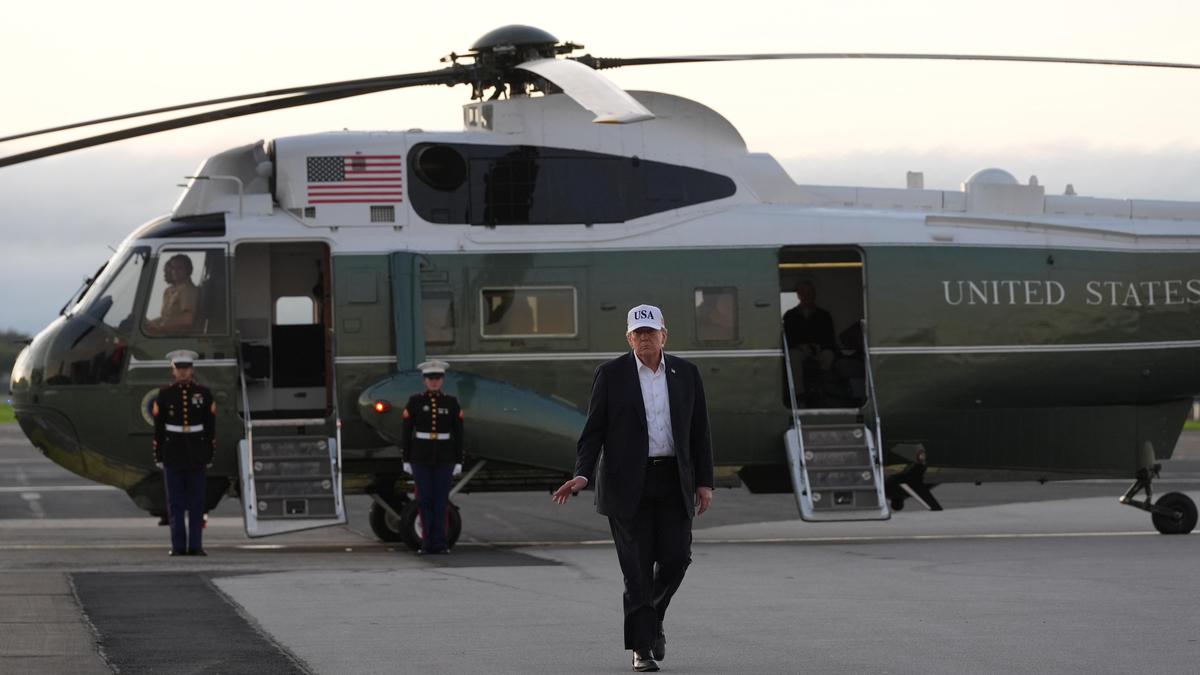
United States Urges Ukraine to Halt Refinery Strikes Amid Global Diesel Shortage

  • US President Donald Trump publicly requested Ukraine to cease long-range drone strikes on Russian oil refineries and fuel distribution networks.
  • The announcement was issued from Kyiv and Washington following unprecedented spikes in global energy markets and domestic fuel distribution channels.
  • Average US diesel prices surpassed $6 per gallon after Ukrainian strikes damaged Russian refining capacity, forcing Moscow to ban diesel exports.
  • Disruptions in Russian fuel exports combined with Red Sea shipping bottlenecks via the Strait of Hormuz have created acute global middle-distillate shortages.
  • This development highlights UPSC GS-3 Energy Security and GS-2 International Relations, illustrating how localized military conflicts impact global supply chains and inflation.

Prelims Facts

Diesel and middle distillates form the primary fuel supply for global heavy transport, freight logistics, and industrial backup power generation.
Export bans on refined petroleum products by major producer nations directly cause global supply squeezes and international crude oil price volatility.
The Strait of Hormuz is a critical maritime choke point connecting the Persian Gulf with the Gulf of Oman and Arabian Sea, handling major global petroleum transit.

Mains Framework

Targeted strikes on oil processing facilities severely compress global middle-distillate supplies, exacerbating macroeconomic inflation across dependent economies.

Dimensions

Market Impact

Record surging diesel prices in consumer nations due to Russian export bans and reduced refining throughput.

Geopolitical Friction

Strategic divergence between warring parties and external powers attempting to stabilize global energy pricing.

Maritime Choke Points

Compound supply pressures resulting from disruptions in Red Sea shipping and the Strait of Hormuz.

Way forward

Diversify global refined fuel sourcing, build domestic strategic petroleum and middle-distillate reserves, and accelerate fuel transition in heavy freight.

Key terms
Middle DistillatesRefining InfrastructureEnergy InflationStrait of HormuzSupply Chain Vulnerability
Acts & articles
Integrated Energy Policy of IndiaStrategic Petroleum Reserve (SPR) Program
06
GS PAPER 2 - INTERNATIONAL RELATIONS

Middle East Security and Red Sea Maritime Escalation

Story 1The Hindu ↗

Saudi Civil Defence Lifts Hazard Alerts in Southern Cities Following Houthi Escalation

  • Saudi Arabia's Civil Defence Authority issued an all-clear notification, lifting emergency safety warnings across four major southern urban centers.
  • Emergency alerts were previously active in Najran, Khamis Mushait, Jazan, and Abha following cross-border aerial missile and drone threats.
  • The security threat escalated after Iran-aligned Houthi forces in Yemen declared a naval blockade against Riyadh and targeted Red Sea shipping vessels.
  • Houthi forces controlling northern Yemen have systematically expanded maritime and drone strikes, threatening critical infrastructure and commercial shipping lanes in the Arabian Peninsula.
  • The situation connects to UPSC GS-2 International Relations, impacting West Asian regional stability, energy corridor safety, and India's maritime security interests in the Indian Ocean.

Prelims Facts

Najran, Jazan, Abha, and Khamis Mushait are major urban administrative centers located in the southern high-altitude and coastal region of Saudi Arabia bordering Yemen.
Houthi forces control northern Yemen and strategic coastal zones along the Bab-el-Mandeb Strait connecting the Red Sea to the Gulf of Aden.
Civil Defence alert protocols involve real-time emergency public warning systems activated during aerial projectile threats or industrial hazards.

Mains Framework

Escalating cross-border missile and drone activity in West Asia destabilizes civil populations and threatens vital sea lines of communication in the Indian Ocean region.

Dimensions

Maritime Security

Disruption of commercial shipping vessels and energy carriers in the Red Sea.

Civilian Vulnerability

Emergency alerts and potential harm in border urban centers like Jazan and Najran.

Geopolitical Spillover

Complex interactions between Iran-aligned regional actors, Gulf monarchies, and Western naval coalitions.

Way forward

Promote multilateral maritime security dialogues, reinforce civil defence infrastructure, and pursue diplomatic de-escalation channels in West Asia.

Key terms
Houthi MovementRed Sea Naval BlockadeBab-el-Mandeb StraitCivil Defence SecurityRegional Stability
Acts & articles
UN Security Council Resolution 2722 (Red Sea Shipping Safety)UN Convention on the Law of the Sea (UNCLOS)
07
GS PAPER 2 - GOVERNANCE & SOCIAL JUSTICE

Governance Integrity, Recruitment Ethics, and Food Security

Story 1The Hindu ↗

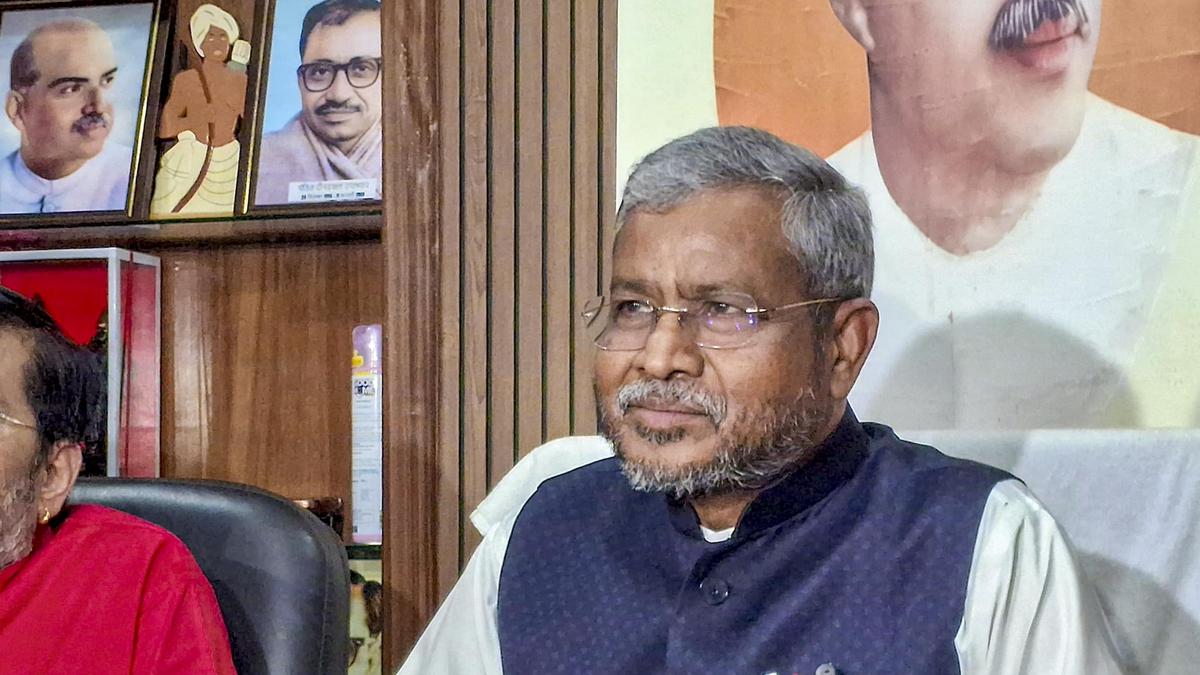
Opposition Leader Accuses State Government of Cover-Up in Public Examination Probe

  • Jharkhand Opposition Leader Babulal Marandi alleged political interference and protection of influential individuals in the ongoing CID probe into recruitment exam leaks.
  • The investigation concerns widespread paper leaks and irregularities in examinations conducted by the JPSC and JSSC in Ranchi, Jharkhand.
  • The Leader of the Opposition demanded an immediate CBI inquiry, pointing out procedural lapses such as the absence of mandatory videography during statement recording.
  • Repeated exam cancellations and recruitment malpractices have sparked widespread student protests and eroded public trust in state recruitment commissions.
  • This development directly links to UPSC GS-2 Governance, emphasizing the necessity of institutional transparency, fair recruitment, and statutory bodies like the Public Service Commission.
Story 2The Hindu ↗

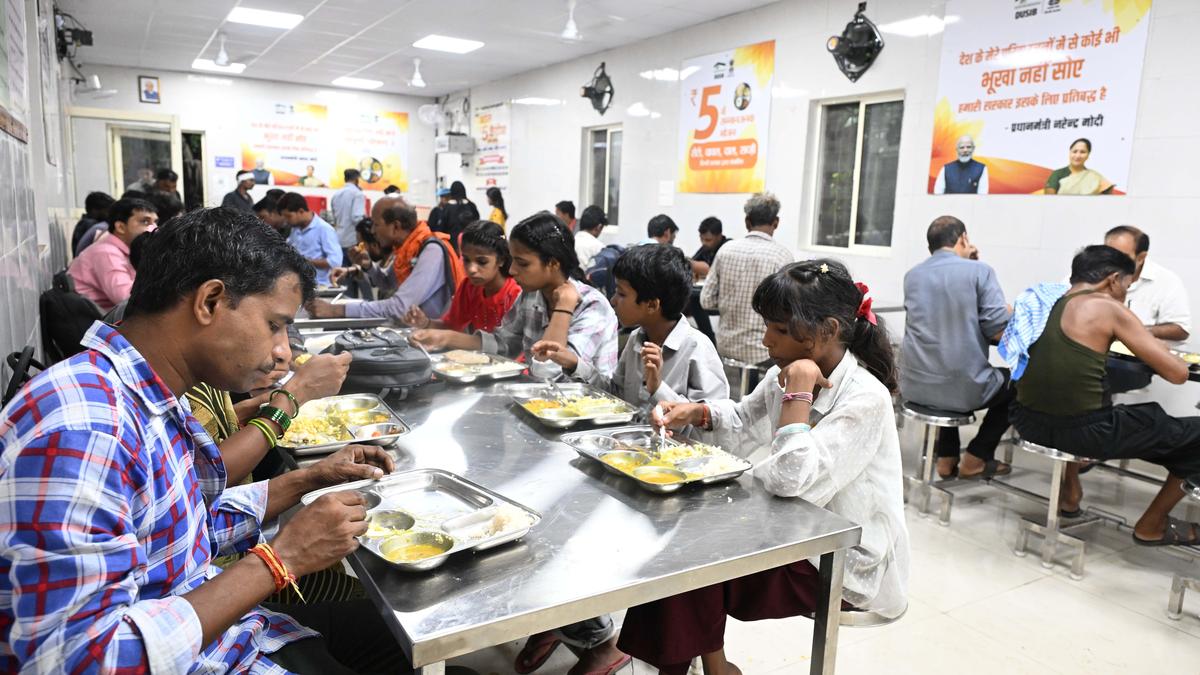
Delhi Government Expands Subsidised Atal Canteens to Serve Urban Vulnerable Populations

  • The Delhi government expanded its network of Atal Canteens, providing freshly cooked subsidized meals to thousands of daily wage earners and urban poor.
  • Operating across 100 strategic locations including Anand Vihar and Nehru Nagar in New Delhi, the canteens incorporate digital photo-verification counters.
  • Each meal is priced at ₹5, with the expanded network serving approximately 50,000 meals daily to informal sector workers and homeless individuals.
  • While the initiative significantly relieves hunger among marginalized groups, beneficiaries have raised concerns regarding food quality and operational hygiene standards.
  • The scheme aligns with UPSC GS-2 Social Justice and Food Security, illustrating state interventions to achieve SDG 2 (Zero Hunger) through targeted urban nutrition safety nets.

Prelims Facts

State Public Service Commissions (SPSCs) are constitutional bodies established under Article 315 of the Constitution of India for conducting recruitment to state civil services.
Sustainable Development Goal 2 (SDG 2) aims to end hunger, achieve food security, improve nutrition, and promote sustainable agriculture by 2030.
Biometric and digital photo-verification mechanisms in welfare delivery help reduce ghost beneficiaries and curb leakages in public food distribution schemes.

Mains Framework

Preserving the sanctity of public service examinations and ensuring basic food security for informal workers are twin pillars of effective welfare governance.

Dimensions

Institutional Accountability

Preventing recruitment leaks, ensuring independent investigation, and restoring youth trust in state agencies.

Social Protection

Providing affordable ₹5 meals to urban poor and ragpickers via Atal Canteens.

Implementation Quality

Addressing beneficiaries' concerns regarding food quality, operational hygiene, and administrative hurdles.

Way forward

Enact standardized national anti-paper leak legislation and conduct mandatory third-party quality audits for state-subsidized urban canteen networks.

Key terms
Recruitment TransparencyPublic Service CommissionUrban HungerTargeted SubsidiesSDG 2 (Zero Hunger)
Acts & articles
Article 315 to 323 (Public Service Commissions)Public Examinations (Prevention of Unfair Means) Act, 2024National Food Security Act (NFSA), 2013
08
GS PAPER 2 - COMPARATIVE POLITY

Comparative Constitutionalism and Devolution Dynamics

Story 1Times of India ↗

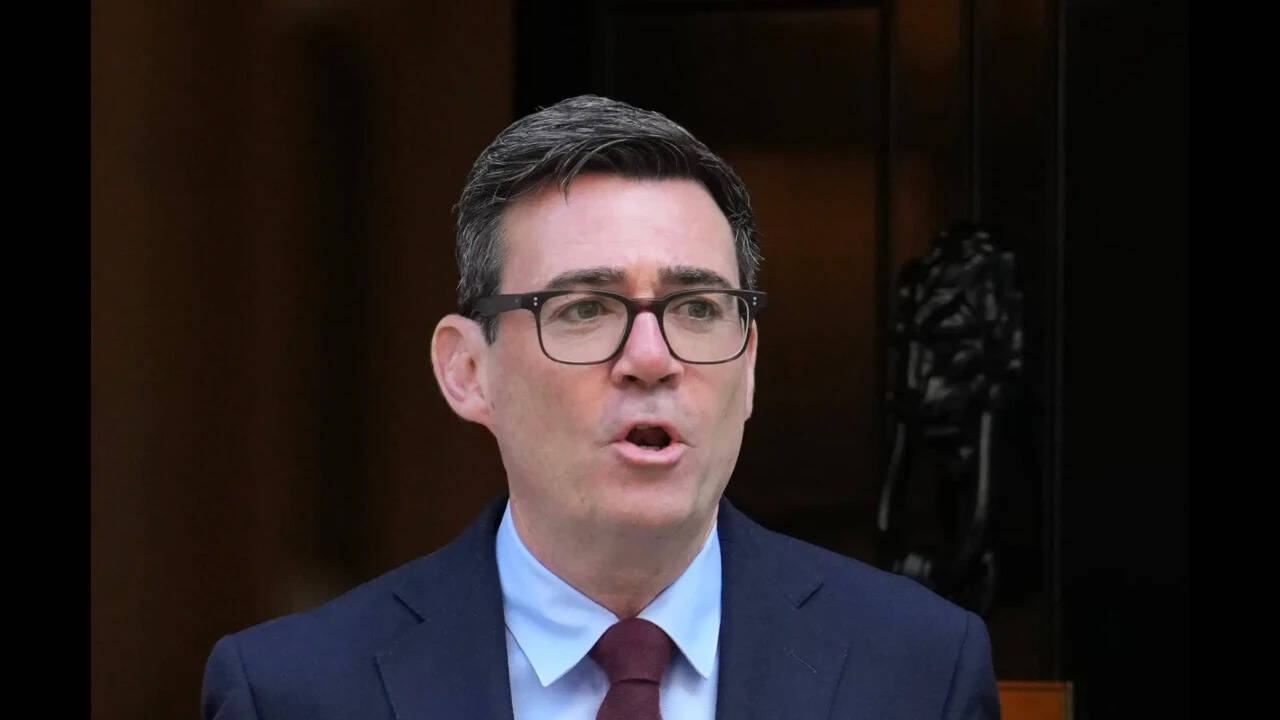
Devolved Leaders of Scotland, Wales, and Northern Ireland Convene to Discuss Constitutional Change

  • First Ministers representing pro-independence parties in Scotland, Wales, and Northern Ireland gathered in Cardiff to coordinate strategies for structural constitutional reform.
  • The summit convened leaders including John Swinney (SNP), Rhun ap Iorwerth (Plaid Cymru), and Mary Lou McDonald (Sinn Féin) in Cardiff, Wales.
  • The joint declaration urges the UK central government to formally prepare and facilitate constitutional mechanisms for self-determination and territorial devolution.
  • Regional electoral gains by nationalist parties have intensified pressure on Westminster, highlighting growing friction between central authority and devolved administrations.
  • For UPSC GS-2 Comparative Polity, this event offers key insights into asymmetric devolution, territorial integrity, and constitutional dynamics within federal and quasi-federal unions.

Prelims Facts

Devolution in the United Kingdom refers to the statutory granting of executive and legislative powers from the Parliament of the UK to regional assemblies in Scotland, Wales, and Northern Ireland.
Sinn Féin, the Scottish National Party (SNP), and Plaid Cymru represent regional nationalist political parties in Northern Ireland, Scotland, and Wales respectively.
Asymmetric federalism allows different sub-national units within a sovereign state to hold varying degrees of autonomy and legislative competence.

Mains Framework

Structural coordination among regional nationalist leaders highlights growing constitutional friction between central parliamentary sovereignty and sub-national demands for autonomy.

Dimensions

Constitutional Structure

Friction between central parliamentary authority in Westminster and devolved legislatures in Edinburgh, Cardiff, and Belfast.

Political Realignment

Electoral victories of pro-independence regional parties driving requests for formal constitutional transition.

Comparative Relevance

Contrasting UK devolution mechanisms with India's Union-State administrative framework under Schedule VII.

Way forward

Establish institutional inter-governmental forums to resolve inter-regional disputes and balance sub-national identity with national territorial integrity.

Key terms
DevolutionAsymmetric FederalismConstitutional ChangeSub-national AutonomySelf-Determination
Acts & articles
Scotland Act 1998 / Government of Wales Act 1998Good Friday Agreement 1998Article 1 & Schedule VII of the Indian Constitution

Practice MCQs — Test Your Understanding

6 questions · UPSC Prelims pattern · Tap an option to check your answer

GS PAPER 3 - ENVIRONMENT & ECOLOGYEcological Restoration & Nature-Based Solutions

Palo Alto Builds Living Horizontal Levee to Reuse Wastewater and Mitigate Sea-Level Rise

Q1With reference to nature-based coastal protection strategies, consider the following statements regarding 'Horizontal Levees': 1. They rely on steep concrete seawalls to resist high-energy storm surges. 2. They utilize gently sloping vegetated marshlands integrated with treated wastewater effluent to dissipate wave energy. 3. They help filter urban contaminants before wastewater enters marine ecosystems. Which of the statements given above is/are correct?

GS PAPER 3 - ENVIRONMENT & ECOLOGYInvasive Alien Species and Ecosystem Conservation

Invasive Brushtail Possums Cause Severe Canopy Damage Across Vulnerable New Zealand Forests

Q2Which of the following statements accurately describes the ecological threat posed by invasive alien species on island ecosystems? 1. Invasive species on isolated islands often face no natural predators, leading to uninhibited population growth. 2. Targeted eradication of invasive predators like black rats can lead to significant population recovery of endangered native species. Which of the statements given above is/are correct?

GS PAPER 3 - SCIENCE & TECHNOLOGYArtificial Intelligence Governance and Safety Frameworks

Student Researcher Develops Empathy Distillation Method to Enhance Compact AI Models

Q3In the context of Artificial Intelligence development, what does 'Knowledge Distillation' refer to?

GS PAPER 3 - ENERGY SECURITYGeopolitics of Global Energy Security and Refined Fuels

United States Urges Ukraine to Halt Refinery Strikes Amid Global Diesel Shortage

Q4Consider the following statements regarding global diesel and refined fuel supply chains: 1. Diesel fuel availability is critical for heavy freight transportation, agriculture, and industrial energy supply. 2. Attacks on oil refining infrastructure reduce global middle-distillate supplies, exacerbating domestic fuel inflation. Which of the statements given above is/are correct?

GS PAPER 2 - GOVERNANCE & SOCIAL JUSTICEGovernance Integrity, Recruitment Ethics, and Food Security

Delhi Government Expands Subsidised Atal Canteens to Serve Urban Vulnerable Populations

Q5With reference to public welfare and food security initiatives in urban centers, consider the following statements: 1. Atal Canteens in Delhi provide subsidized meals at ₹5 per meal to target urban vulnerable and informal workers. 2. Biometric and photo-verification systems at food distribution canteens help track operational metrics and prevent service duplication. Which of the statements given above is/are correct?

GS PAPER 2 - COMPARATIVE POLITYComparative Constitutionalism and Devolution Dynamics

Devolved Leaders of Scotland, Wales, and Northern Ireland Convene to Discuss Constitutional Change

Q6In comparative political systems, the concept of 'Devolution' is best described as: