Gauhati High Court Upholds Legal Validity of Talaq-e-Hassan
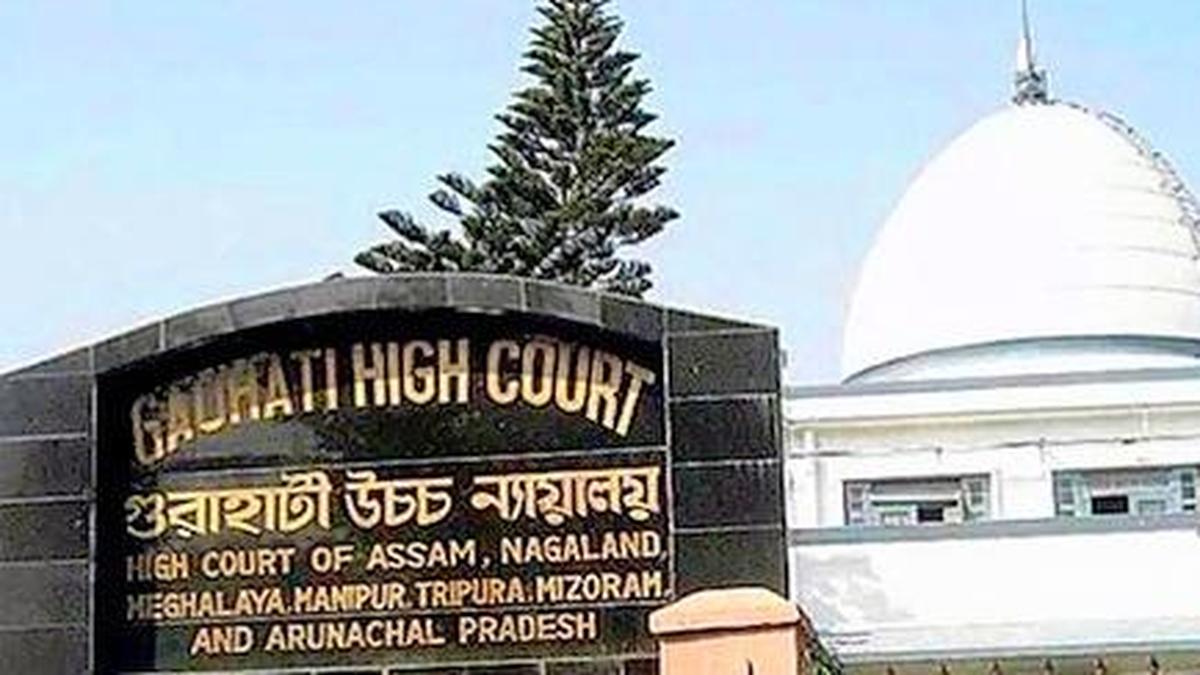
The Gauhati High Court ruled that Talaq-e-Hassan remains a legally valid form of divorce in India, distinguishing it from illegal instant triple talaq forms.
Justice Arun Dev Choudhury delivered the ruling in Guwahati while hearing a petition by Rakibul Bhuyan from Gelabil village in Assam's Barpeta district.
The petitioner pronounced three single talaqs on March 22, April 26, and May 27, 2026, following failed reconciliation attempts after his wife left in 2018.
The High Court directed the husband to formally register his divorce with the local marriage and divorce registrar under state statutory provisions.
This judgment highlights how Indian courts enforce statutory documentation while interpreting the constitutionality and validity of Islamic personal law procedures.
Prelims Facts
Talaq-e-Hassan is a form of Muslim divorce where a husband pronounces the word 'talaq' once per month over three consecutive months.
The Assam Compulsory Registration of Muslim Marriages and Divorce Act, 2024 mandates formal registration of Muslim divorces with designated jurisdictional registrars.
Unlike Talaq-e-Biddat (instant triple talaq), Talaq-e-Hassan provides a mandatory period between pronouncements to enable reconciliation attempts.
Mains Framework
The Gauhati High Court's affirmation of Talaq-e-Hassan reinforces the legal distinction between revocable personal law practices and unconstitutional instant divorce methods while strengthening statutory accountability.
Dimensions
Constitutional balance between freedom of religion under Article 25 and non-discrimination under Articles 14 and 15.
Role of state statutory registration acts in ensuring documentary proof, preventing arbitrary abandonment, and safeguarding women's financial rights.
Judicial jurisprudence distinguishing revocable forms of talaq with cooling-off periods from unconstitutional practices like Talaq-e-Biddat.
Way forward
Encourage procedural reforms through statutory registration frameworks to ensure transparency and legal protection for women without infringing upon constitutionally valid personal law practices.
Key terms
Talaq-e-HassanPersonal Law ReformArticle 14Article 25Uniform Civil Code
Acts & articles
Article 14Article 25Assam Compulsory Registration of Muslim Marriages and Divorce Act 2024Muslim Women (Protection of Rights on Marriage) Act 2019
02
GS PAPER 2 - POLITY & GOVERNANCE
Constitutional Safeguards and Judicial Oversight in Demolition Drives
Allahabad High Court Stays Recovery of Damages in Mosque Demolition Drive
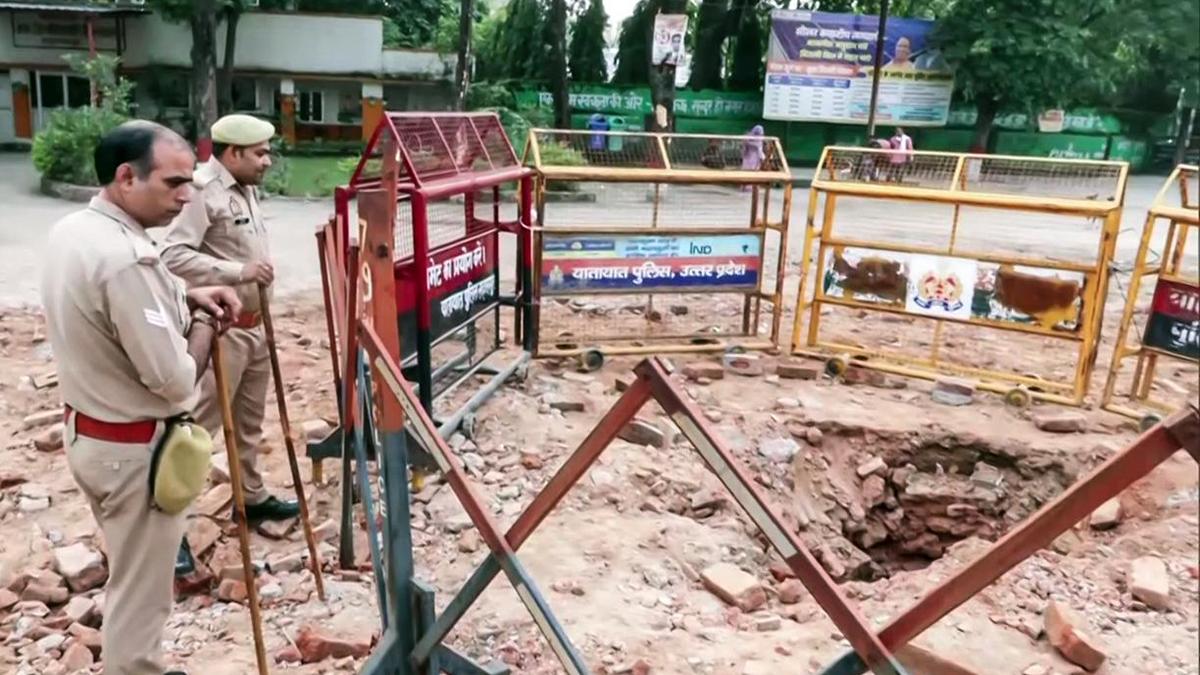
The Allahabad High Court stayed the recovery of a 6.41 crore rupee damage assessment penalty imposed on a local mosque committee following a demolition drive.
Justice Rohit Ranjan Agarwal issued the stay order in Prayagraj while hearing a legal challenge against eviction proceedings initiated by regional authorities.
The administration executed the mosque demolition within three days of an eviction order issued under Section 5 of the Public Premises Act, 1971.
Petitioner Mohammad Tanveer Ahmad submitted that administrative authorities acted with extraordinary haste without giving full consideration to existing possession claims.
The decision underlines judicial insistence on strict adherence to due process and natural justice during municipal encroachment cleanups and property confiscations.
Prelims Facts
Section 5 of the Public Premises (Eviction of Unauthorised Occupants) Act, 1971 governs procedures for evicting unauthorized occupants from public properties.
Article 300A of the Constitution guarantees that no person shall be deprived of their property except by authority of law.
High Courts possess powers under Article 226 to issue interim stays against executive damage recoveries that violate due process.
Mains Framework
The Allahabad High Court's intervention staying a multi-crore recovery notice exemplifies judicial enforcement of procedural due process against rapid executive demolition drives.
Dimensions
Adherence to natural justice rules including adequate notice, fair hearing, and reasonable time for legal recourse prior to demolition.
Protection of private property rights under Article 300A against arbitrary state-sponsored punitive action or financial recovery.
Balancing executive power to clear public encroachments with constitutional limits on state overreach and summary actions.
Way forward
Institutionalize strict procedural compliance, mandate judicial or quasi-judicial approval before demolition, and prevent arbitrary imposition of heavy financial penalties without full trial.
Key terms
Public Premises Act 1971Principles of Natural JusticeArticle 300AJudicial ReviewAdministrative Due Process
Acts & articles
Article 226Article 300APublic Premises (Eviction of Unauthorised Occupants) Act 1971Principles of Natural Justice
03
GS PAPER 2 - INTERNATIONAL RELATIONS & GOVERNANCE
Skilled Diaspora Dynamics, H-1B Backlogs, and Indian Citizenship Framework
H-1B Visa Backlog Could Accelerate Reverse Brain Drain and Boost Indian Economy
Indian-American investor Vivek Wadhwa stated that returning skilled professionals stuck in US Green Card backlogs could significantly boost India's macroeconomic growth.
The analysis highlights immigration policy shifts in Washington where US authorities proposed eliminating the 60-day grace period for unemployed H-1B holders.
Wadhwa estimated that if even 10 percent of backlog-affected Indians return home, India's GDP could expand by 1 percent over two to three years.
The proposal means H-1B professionals lose legal status immediately upon employment termination, pressuring workers to evaluate returning to India's domestic ecosystem.
This dynamic highlights the evolving nature of global labor mobility, reverse brain drain, and the economic potential of returning technology talent.
Strict Residency Rules Underlining Naturalisation Standards in Indian Citizenship Law
A public discussion highlighted the stringent legal requirements governing the acquisition of Indian citizenship by foreign nationals seeking permanent settlement.
Tech entrepreneur Elon Musk commented on India's immigration framework, noting that the country maintains realistic statutory hurdles for granting citizenship.
Statutory guidelines require foreign nationals to complete up to 14 years of residence and naturalisation procedures before becoming eligible for Indian citizenship.
An Irish national inquiring about relocating permanently to Kolkata was informed by AI search tool Grok regarding India's strict residency prerequisites.
The case provides context on Indian citizenship laws under the Citizenship Act, which prioritize strict security and residency standards over open naturalisation.
Prelims Facts
Under the Citizenship Act, 1955, naturalisation requires a continuous 12-month residence prior to application plus aggregate 11 years of residency out of 14 preceding years.
The US H-1B visa is a non-immigrant classification allowing American companies to employ foreign workers in specialty occupations.
India does not permit dual citizenship, granting Overseas Citizenship of India (OCI) instead as a statutory foreign registration scheme.
Mains Framework
Immigration policy tightening in developed nations combined with stringent Indian naturalisation laws reshapes international human capital flows and reverse brain drain potential.
Dimensions
Economic impact of returning highly skilled technology professionals on India's GDP, innovation ecosystem, and start-up sector.
Challenges posed by restrictive visa rules and green card waiting lists in foreign jurisdictions like the United States.
Legal parameters of Indian citizenship acquisition under the Citizenship Act of 1955 compared to foreign immigration frameworks.
Way forward
Develop targeted national policies to leverage returning skilled diaspora while maintaining clear statutory standards for foreign naturalisation and residency.
Key terms
H-1B VisaGreen Card BacklogBrain ReturnCitizenship Act 1955Naturalisation
Acts & articles
Citizenship Act 1955Section 6 (Naturalisation)Article 5 to 11 of Indian ConstitutionPassport (Entry into India) Act 1920
04
GS PAPER 3 - ECONOMY & ENVIRONMENT
Agrivoltaics and Dual-Use Land Models for Renewable Energy Expansion
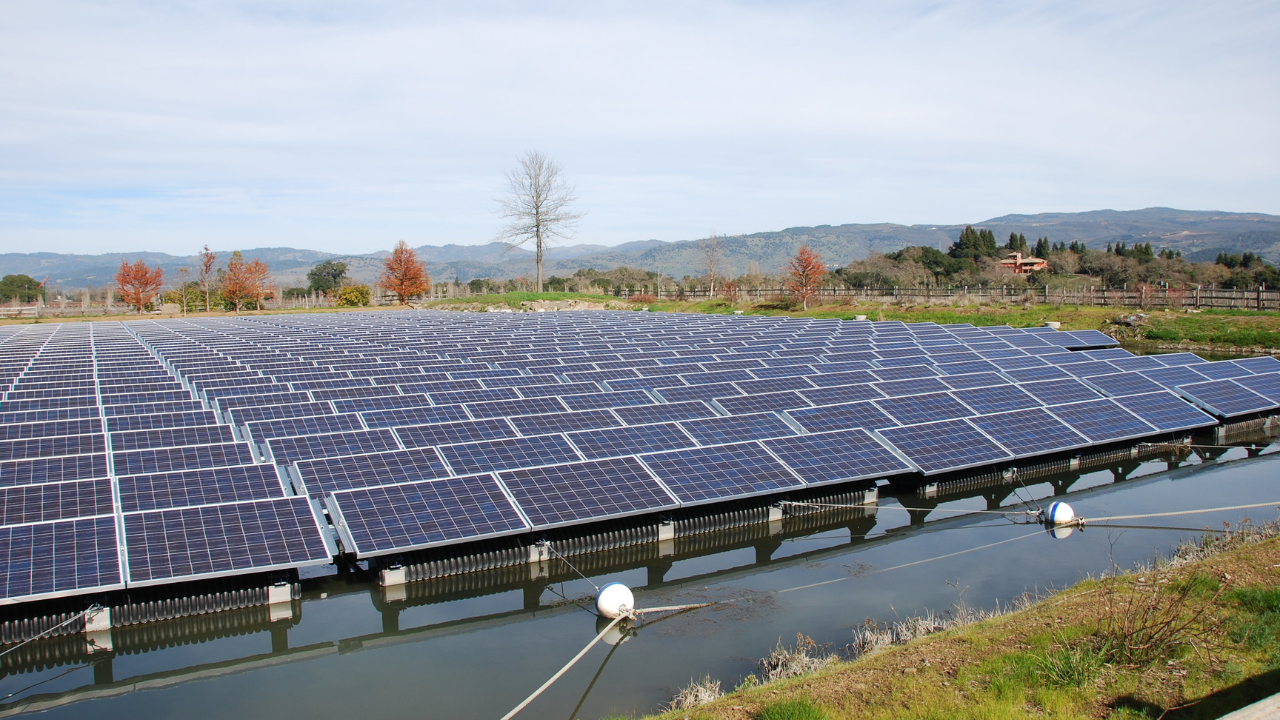
Agrivoltaics Model Integrates Solar Farms with Commercial Livestock Grazing
A former diesel mechanic successfully transitioned into full-time livestock farming by utilizing utility-scale solar farms for controlled sheep grazing.
The operation spans across 400 acres of solar energy facilities in Tennessee, supporting a commercial flock of over 300 breeding ewes.
Regional advocacy group Appalachian Voices reported that solar grazing provides young farmers access to fenced pasture without purchasing expensive land.
Solar utility companies benefit by utilizing sheep to control grass and weed growth, replacing fossil-fueled mowing machinery.
The practice illustrates the viability of agrivoltaics as a dual-use land strategy applicable to expanding clean energy infrastructure worldwide.
Prelims Facts
Agrivoltaics involves the simultaneous utilization of land for both solar photovoltaic power generation and agriculture or livestock grazing.
Integrating livestock grazing under solar arrays eliminates the need for mechanical fuel-powered vegetation control equipment.
Dual-use land systems help optimize land productivity, reduce panel operating temperatures through transpiration, and lower vegetation management costs.
Mains Framework
Agrivoltaics represents a transformative paradigm integrating renewable energy infrastructure with agricultural production to mitigate land-use conflicts.
Dimensions
Economic benefits for small-scale livestock farmers by offering access to fenced, low-cost pastures without capital-intensive land purchases.
Operational efficiencies for solar developers through reduced vegetation management expenses and microclimate cooling effects on photovoltaic panels.
Contribution to climate change mitigation and sustainable rural development by maximizing land-use efficiency.
Way forward
Promote policy frameworks and financial incentives for agrivoltaic projects to expand clean energy deployment while safeguarding agricultural livelihoods.
Key terms
AgrivoltaicsDual-Land UseRenewable Energy TransitionPastoral EconomySustainable Agriculture
Acts & articles
National Solar MissionPM-KUSUM SchemeArticle 48A (Environmental Protection)National Bioenergy Programme
05
GS PAPER 3 - ENERGY INFRASTRUCTURE & SOUTH ASIAN RELATIONS
Cross-Border Power Infrastructure and Regional Energy Interdependence
Technical Glitch at Jharkhand Thermal Plant Hits Electricity Supply in Bangladesh
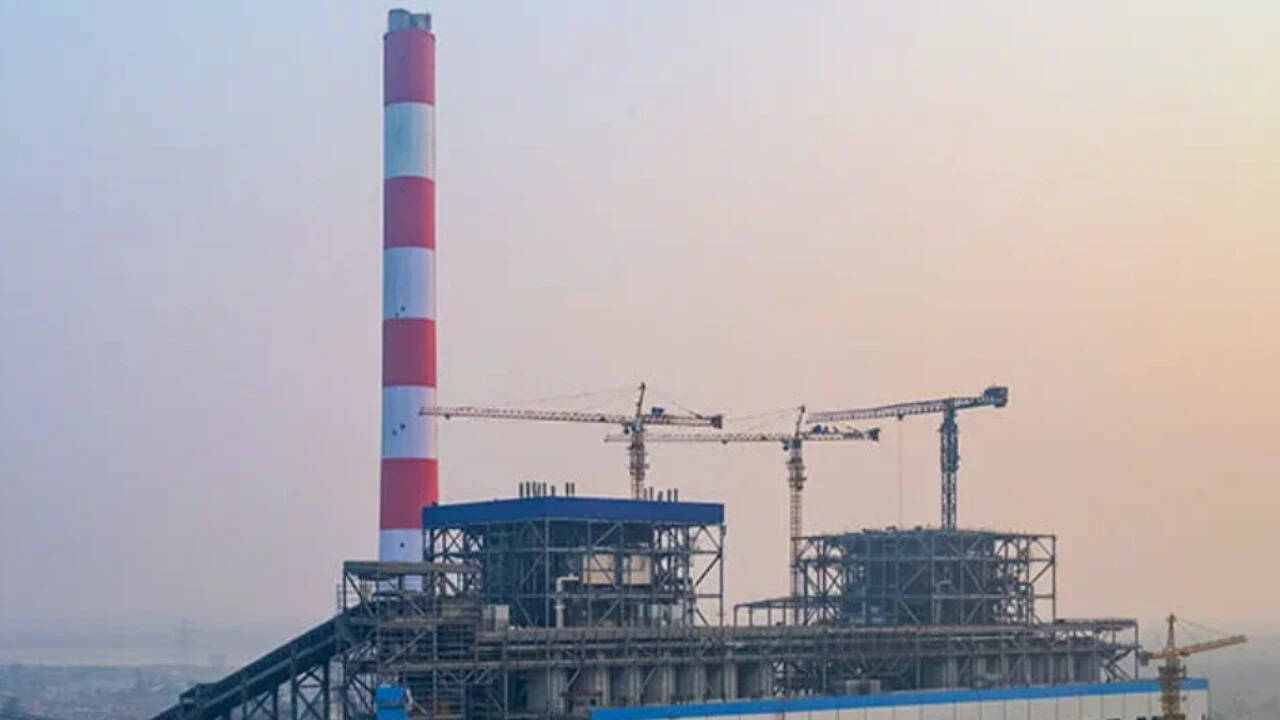
A technical glitch forced the shutdown of a unit at Adani Power's 1,600 MW Godda thermal plant in Jharkhand, disrupting supply to Bangladesh.
The unexpected outage occurred in Bangladesh amid ongoing nation-wide load shedding caused by acute shortages of imported coal, oil, and gas.
Engineers identified a boiler failure requiring 48 hours to cool down before structural maintenance and full capacity restoration could commence.
The Bangladesh Power Development Board had signed a long-term cross-border power purchase agreement with Adani Power in 2017 to import base-load electricity.
The incident illustrates the geopolitical and operational vulnerabilities associated with regional cross-border energy interconnections and power trade.
Prelims Facts
The Godda thermal power plant in Jharkhand is a 1,600 MW ultra-supercritical power plant built dedicatedly to export electricity to Bangladesh.
Cross-border power trade in South Asia is facilitated through bilateral Power Purchase Agreements (PPAs) and high-voltage grid interconnections.
Load shedding and grid instability occur when base-load cross-border supply drops suddenly due to technical glitches or fuel supply disruptions.
Mains Framework
Technical disruptions in cross-border power transmission highlight the delicate balance between domestic infrastructure maintenance and international energy security commitments.
Dimensions
Critical dependence of neighboring South Asian economies on Indian thermal power exports for grid stability.
Impact of global primary fuel shortages (coal, gas, oil) and Middle East geopolitical tensions on regional power generation capacity.
Technological and operational challenges in maintaining continuous high-voltage power generation and rapid repair turnarounds.
Way forward
Diversify energy supply routes, enhance grid resilience mechanisms, and establish joint technical emergency protocols to buffer against regional power disruptions.
Key terms
Cross-Border Energy TradeGrid StabilityThermal Power GenerationAdani Power GoddaEnergy Security
Acts & articles
Cross Border Trade of Electricity GuidelinesElectricity Act 2003India-Bangladesh Energy Cooperation Framework
06
GS PAPER 2 - INTERNATIONAL RELATIONS & ENERGY SECURITY
Energy Security and Critical Infrastructure Protection in the Middle East
Drone Attack Triggers Closure of Saudi East-West Crude Oil Pipeline
Saudi Arabia shut down its strategic East-West cross-country oil pipeline following a target strike executed by long-range explosive drones.
The Saudi Ministry of Foreign Affairs reported that drones originating from Iraq struck pipeline sections across the Riyadh and Medina regions.
The energy ministry announced a precautionary pipeline shutdown after the attack damaged physical infrastructure and caused multiple human injuries.
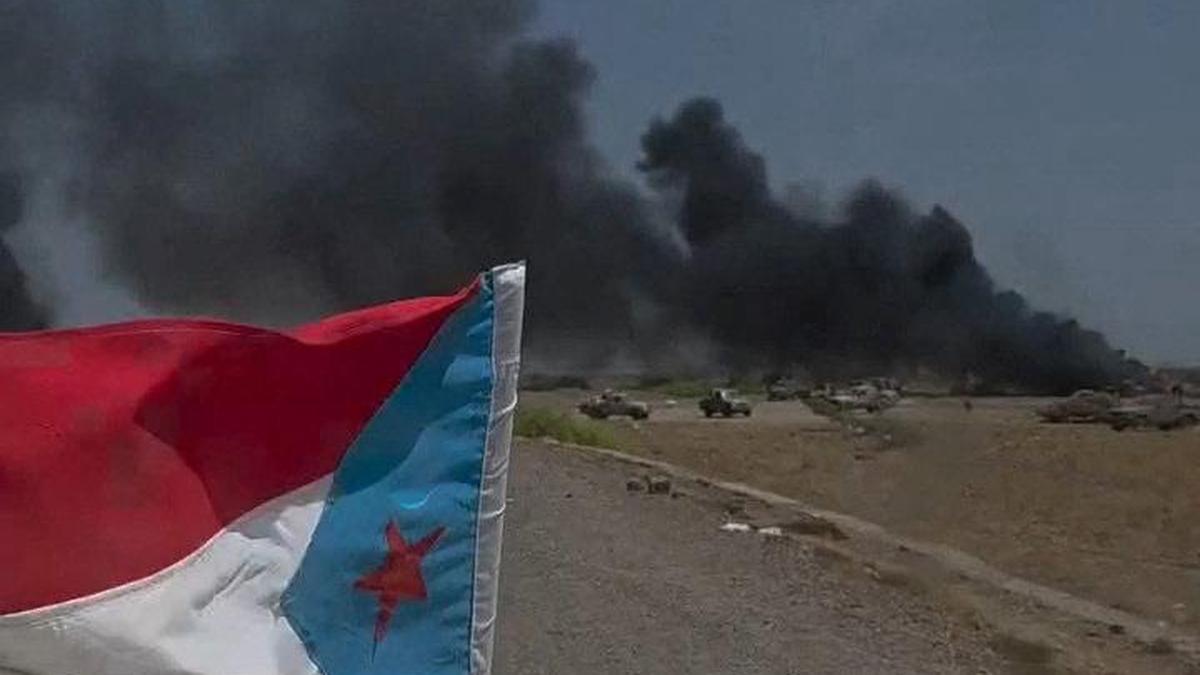
The incident coincides with escalating regional conflict involving Houthi rebels in Yemen seizing strategic positions near key Red Sea maritime choke points.
The attack underscores how proxy warfare tactics threaten critical energy infrastructure and destabilize global crude oil transportation networks.
Prelims Facts
Saudi Arabia's East-West Pipeline (Yanbu Pipeline) transports crude oil from the Eastern Province to the Red Sea port of Yanbu.
Drone strikes on critical pipeline infrastructure bypass land-based perimeter defenses, showcasing vulnerabilities of strategic energy corridors.
Tactical energy shutdowns of cross-country pipelines act as precautionary measures to prevent major oil spillage and collateral structural damage.
Mains Framework
Drones targeting strategic cross-country pipelines highlight the escalating risk posed by asymmetric warfare to global energy security and supply resilience.
Dimensions
Vulnerability of overland energy corridors to long-range unmanned aerial vehicles launched from conflict zones.
Impact of Middle Eastern oil pipeline shutdowns on global crude oil prices, freight rates, and energy import costs for countries like India.
Escalation of regional proxy conflicts involving non-state actors operating across state borders in Iraq, Yemen, and Saudi Arabia.
Way forward
Enhance air defense coverage over vital energy installations, diversify petroleum import sources, and promote regional diplomatic de-escalation channels.
Russia Warns European Troop Deployment in Ukraine Would Constitute Direct War
Russian President Vladimir Putin warned that any deployment of European troops inside Ukrainian territory would be treated as direct war against Russia.
The Russian leader made the statement from Moscow in response to discussions among European leaders regarding potential ground troop support for Ukraine.
Putin asserted that Moscow maintains no aggressive intentions toward European nations, accusing Western leaders of fabricating imaginary Russian threats.
The statement follows high-level diplomatic engagements including Indian Prime Minister Narendra Modi's bilateral discussions with Putin urging an end to hostilities.
The warning underscores security risks confronting Eastern Europe as Western military assistance threatens to cross red lines into direct kinetic conflict.
Prelims Facts
Direct military involvement or troop deployment by non-combatant nations in an active war zone alters legal status under international armed conflict law.
Russia launched its full-scale offensive against Ukraine in February 2022, leading to major sanctions and shifting European defense policies.
Strategic nuclear deterrence doctrines consider foreign troop deployments in neighboring conflict zones as a direct existential threat.
Mains Framework
Russian warnings against European troop deployment in Ukraine underscore the fine line between defensive military assistance and direct international confrontation.
Dimensions
Risk of expanding a regional conflict into a direct Russia-NATO confrontation through direct military boots on the ground.
Divergence within European leadership regarding troop deployment options versus diplomatic conflict resolution.
Strategic implications for global energy markets, trade corridors, and neutral nations balancing ties with both Moscow and Western capitals.
Way forward
Pursue diplomatic negotiations, leverage multilateral forums like BRICS and the UN, and establish nuclear risk reduction channels to prevent uncontrolled escalation.
Al-Qaeda Media Wing Releases Propaganda Video Featuring Hamza bin Laden
Al-Qaeda's official media wing As-Sahab released a 50-minute propaganda video featuring initial footage of Hamza bin Laden, son of Osama bin Laden.
Intelligence analysts are scrutinizing the release given that US counterterrorism operations reportedly killed Hamza along the Afghan-Pakistan border in 2019.
The video titled 'A Quarter Century of the 11 September Raids' includes archival images of slain former chief Ayman Al Zawahiri.
The footage highlights historical operations including the September 2014 attack by Al-Qaeda in the Indian Subcontinent on the Karachi naval dockyard.
Experts note the video aims to project leadership continuity under chief Saif al-Adl and boost recruitment across South Asia and West Asia.
CIA Declassifies Presidential Intelligence Briefs Tracking Al-Qaeda Before 9/11
The US Central Intelligence Agency declassified dozens of presidential daily briefs detailing intelligence gathered on Osama bin Laden prior to 9/11.
CIA Director John Ratcliffe described the declassification in Washington as the agency's single largest release of Presidential Daily Briefing documents.
The files range from a February 1998 report on terrorists seeking WMDs to a September 12, 2001 brief detailing two years of attack planning.
Declassified records illustrate how intelligence analysts tracked bin Laden's financial networks, sanctuary arrangements, and evolving targeting vectors against Western assets.
The archive provides critical historical insights into intelligence analysis methodologies, warning indicators, and structural gaps in national security monitoring.
US Leadership Links Post-9/11 Counter-Terrorism Principles to Current Regional Conflicts
US President Donald Trump delivered an address at the Pentagon linking the legacy of post-9/11 counter-terrorism campaigns to ongoing Middle East conflicts.
Speaking during the 25th anniversary commemoration in Washington, Trump renewed national security pledges while emphasizing complete strategic victory.
The address connected early counter-terrorism campaigns initiated after 2001 with current US military posture across the Persian Gulf region.
The event brought together military leadership and senior officials at the site where American Airlines Flight 77 struck the Pentagon.
The speech demonstrates how historical terror events continue to frame contemporary national defense policy and military doctrine in foreign affairs.
Prelims Facts
The CIA's declassified Presidential Daily Briefs (PDBs) represent top-secret intelligence summaries prepared directly for the President of the United States.
As-Sahab is the official propaganda media wing of Al-Qaeda central, used for operational statements and ideological recruitment.
Al-Qaeda in the Indian Subcontinent (AQIS) was formally established in 2014 as a regional affiliate targeting South Asian security installations.
Mains Framework
The 25th anniversary of the September 11 attacks highlights the dual dimensions of historical intelligence lessons and evolving terrorist propaganda tactics.
Dimensions
Role of intelligence declassification in understanding structural oversights, threat perception models, and pre-attack tracking of terrorist networks.
Persisting threat of transnational terrorist organizations using media releases to project leadership continuity and recruit new followers.
Linkage between historical counter-terrorism doctrines and modern military engagements in key geopolitical regions like the Middle East.
Way forward
Strengthen real-time multilateral intelligence sharing, enhance cyber counter-propaganda capabilities, and address regional instability that feeds extremist ideology.
Key terms
Al-QaedaDeclassified IntelligencePresidential Daily BriefsCounter-Terrorism StrategyAs-Sahab Media
Acts & articles
UN Security Council Resolution 1373Unlawful Activities (Prevention) Act (UAPA)Financial Action Task Force (FATF) Standards
Practice MCQs — Test Your Understanding
6 questions · UPSC Prelims pattern · Tap an option to check your answer
GS PAPER 2 - POLITYJudicial Affirmation of Talaq-e-Hassan and Mandatory Divorce Registration Norms
Gauhati High Court Upholds Legal Validity of Talaq-e-Hassan
Q1With reference to matrimonial practices and personal law rulings in India, consider the following statements:
1. Talaq-e-Hassan involves the pronouncement of a single talaq once a month over three consecutive months.
2. The Assam Compulsory Registration of Muslim Marriages and Divorce Act, 2024 invalidates all non-instant forms of traditional Islamic divorce.
3. The Supreme Court of India declared Talaq-e-Biddat (instant triple talaq) unconstitutional, whereas Talaq-e-Hassan provides time for mandatory reconciliation attempts.
Which of the statements given above are correct?
Answer: Option B
Statements 1 and 3 are correct. Talaq-e-Hassan involves pronouncing talaq once a month over three consecutive months, allowing time for reconciliation between pronouncements. The Gauhati High Court upheld its validity and directed registration under the Assam Compulsory Registration of Muslim Marriages and Divorce Act, 2024, which mandates formal registration rather than invalidating valid personal law divorces (making Statement 2 incorrect).
GS PAPER 2 - POLITYConstitutional Safeguards and Judicial Oversight in Demolition Drives
Allahabad High Court Stays Recovery of Damages in Mosque Demolition Drive
Q2Consider the following statements regarding statutory eviction proceedings and constitutional provisions in India:
1. Section 5 of the Public Premises (Eviction of Unauthorised Occupants) Act, 1971 outlines procedures for evicting unauthorized occupants from public premises.
2. The right to property is a fundamental right guaranteed under Article 21 of the Constitution.
3. High Courts can exercise writ jurisdiction under Article 226 to stay administrative recovery orders that bypass due process of law.
Which of the statements given above is/are correct?
Answer: Option A
Statements 1 and 3 are correct. Section 5 of the Public Premises Act, 1971 governs public eviction procedures, and High Courts use Article 226 to issue stays against administrative recovery actions violating natural justice. Statement 2 is incorrect because the right to property is a constitutional right under Article 300A, not a fundamental right under Article 21.
GS PAPER 2 - GOVERNANCE & POLITYSkilled Diaspora Dynamics, H-1B Backlogs, and Indian Citizenship Framework
Strict Residency Rules Underlining Naturalisation Standards in Indian Citizenship Law
Q3Which of the following conditions must be fulfilled by a foreign national to acquire Indian citizenship by naturalisation under the Citizenship Act, 1955?
1. Residence in India or service under a Government in India for a continuous period of 12 months immediately preceding the application date.
2. Aggregate residence in India for not less than 11 years during the 14 years preceding the 12-month continuous period.
3. Mandatory holding of dual citizenship status from the applicant's country of origin.
Select the correct answer using the code given below:
Answer: Option A
Statements 1 and 2 are correct under Section 6 of the Citizenship Act, 1955 for naturalisation (12 months continuous residence prior to application plus 11 aggregate years in the preceding 14 years). Statement 3 is incorrect because India strictly does not allow dual citizenship.
GS PAPER 3 - ENVIRONMENT & ECONOMYAgrivoltaics and Dual-Use Land Models for Renewable Energy Expansion
Agrivoltaics Model Integrates Solar Farms with Commercial Livestock Grazing
Q4What is the primary feature of 'Agrivoltaics' in clean energy and land management systems?
Answer: Option B
Agrivoltaics refers to the dual-use integration of agricultural practices (such as crop cultivation or controlled livestock grazing) on the same land area where ground-mounted solar photovoltaic systems are installed.
GS PAPER 3 - INFRASTRUCTURE & INTERNATIONAL TRADECross-Border Power Infrastructure and Regional Energy Interdependence
Technical Glitch at Jharkhand Thermal Plant Hits Electricity Supply in Bangladesh
Q5With reference to cross-border electricity trade between India and Bangladesh, consider the following statements:
1. Adani Power's 1,600 MW thermal power plant at Godda, Jharkhand, was established specifically for exporting electricity to Bangladesh.
2. Cross-border power trade in South Asia is conducted without formal bilateral Power Purchase Agreements (PPAs).
3. Operational disruptions in base-load cross-border power plants can exacerbate grid stability and load shedding in recipient nations.
Which of the statements given above are correct?
Answer: Option B
Statements 1 and 3 are correct. The 1,600 MW Godda thermal plant in Jharkhand was constructed dedicatedly to supply electricity to Bangladesh, and outages there directly impact Bangladesh's grid stability. Statement 2 is incorrect because cross-border trade relies on long-term bilateral Power Purchase Agreements (such as the 2017 agreement signed between BPDB and Adani Power).
GS PAPER 2 - INTERNATIONAL RELATIONSEnergy Security and Critical Infrastructure Protection in the Middle East
Drone Attack Triggers Closure of Saudi East-West Crude Oil Pipeline
Q6Regarding strategic energy corridors in the Middle East, what is the primary operational role of Saudi Arabia's East-West Pipeline (Yanbu Pipeline)?
Answer: Option B
Saudi Arabia's East-West Pipeline transports crude oil across the Arabian Peninsula from eastern oil fields to the western port of Yanbu on the Red Sea, allowing crude exports to bypass the Strait of Hormuz maritime bottleneck.