Daily Current Affairs — 11 September 2026

Fri · 8 topics · 18 stories · 5 Prelims MCQs

01
GS-II: INTERNATIONAL RELATIONS & MULTILATERAL GROUPINGS

18th BRICS Summit in New Delhi and Evolving Global Geopolitics
Story 1The Hindu ↗

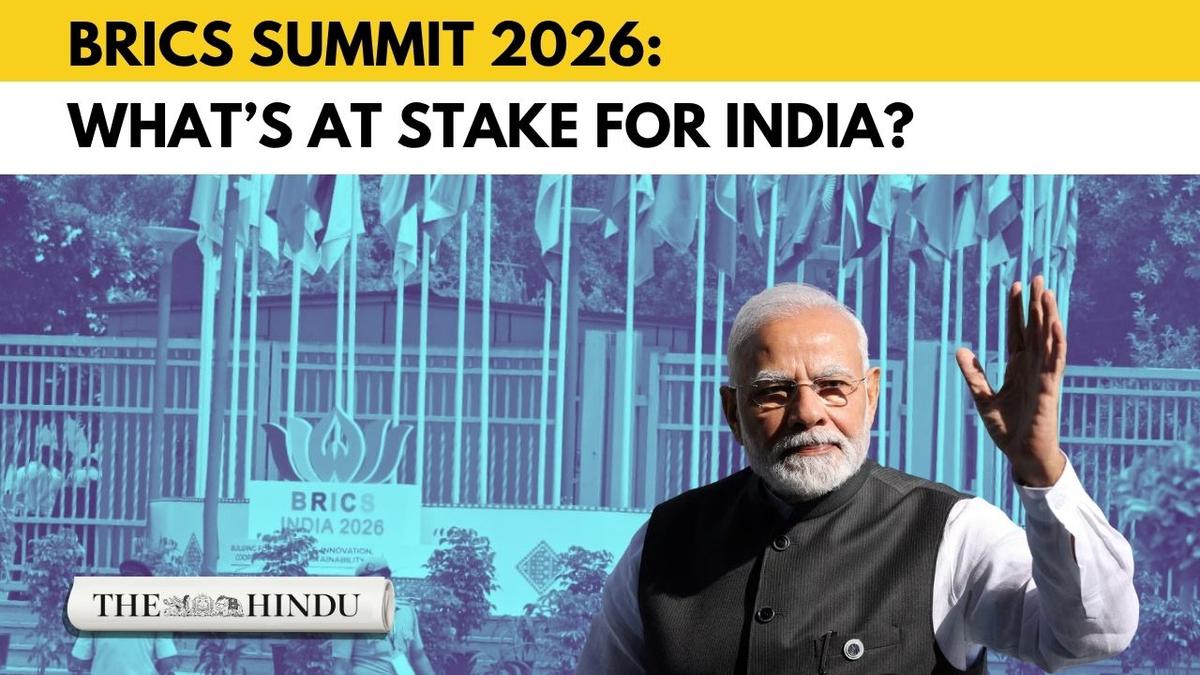
India hosts 18th BRICS Summit in New Delhi

  • India is set to host world leaders for the 18th BRICS Summit in New Delhi on September 12-13, 2026.
  • The summit brings together original members Brazil, Russia, India, China, and South Africa alongside newly inducted expanded member states.
  • Key agenda items center on expanding trade in local currencies, strengthening the New Development Bank, and multilateral economic cooperation.
  • The meeting serves as a high-stakes test of India's strategic balancing act between Western powers and the Global South consensus.
  • Relevant for UPSC GS-II IR papers regarding multilateral institutions, global governance reforms, and India's geopolitical posture.
Story 2Google News ↗

Russian President Vladimir Putin arrives in India for BRICS Summit

  • Russian President Vladimir Putin landed in New Delhi to attend the 18th BRICS Summit hosted by Prime Minister Narendra Modi.
  • The visit comes amidst ongoing global geopolitical friction surrounding the conflicts in Ukraine and escalations in the Middle East.
  • Bilateral discussions focus on energy security, defense supply resilience, and developing non-dollar trade mechanisms between India and Russia.
  • Putin's presence underscores the strategic weight BRICS holds for Moscow in navigating Western diplomatic isolation and economic sanctions.
  • Provides vital context for UPSC aspirants on major power dynamics, defense diplomacy, and India-Russia strategic partnership fundamentals.
Story 3The Hindu ↗

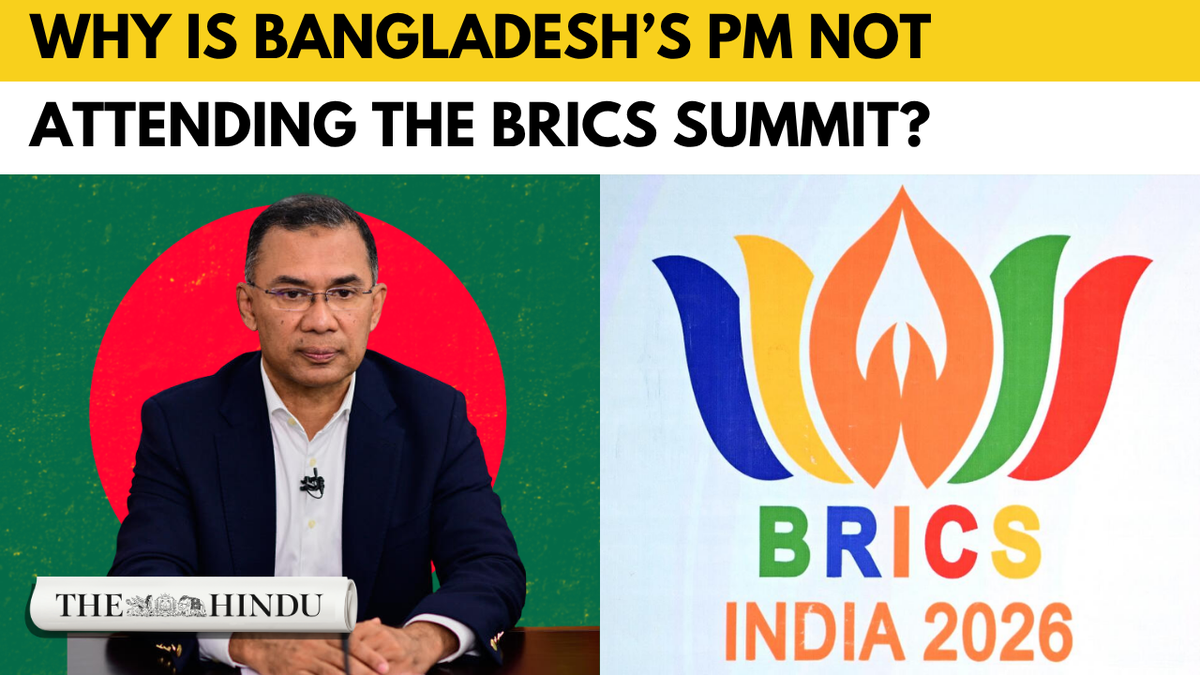
Bangladesh skips BRICS summit in New Delhi amid diplomatic strain

  • Bangladesh decided to skip the 18th BRICS summit in New Delhi, highlighting persistent diplomatic friction with India.
  • Dhaka cited concerns regarding the diplomatic protocol and nature of the invitation extended to Interim Prime Minister Tarique Rahman.
  • The decision reflects growing political distance between New Delhi and Dhaka following recent governance shifts in Bangladesh.
  • Bangladesh's absence complicates India's efforts to foster neighborhood alignment and regional economic integration within broader Global South platforms.
  • Crucial for UPSC GS-II topics covering Neighbourhood First policy, South Asian regional stability, and bilateral diplomatic hurdles.

Prelims Facts

The 18th BRICS Summit is taking place in New Delhi on September 12-13, 2026, under India's presidency.
The original founding members of BRICS in 2006 were Brazil, Russia, India, and China, with South Africa joining in 2010.
Delhi Police established a specialized Social Media Cell and Intelligence Fusion and Strategic Operations (IFSO) unit for summit security.

Mains Framework

The 18th BRICS Summit hosted by India underlines the increasing geopolitical weight of emerging economies seeking institutional reforms in global governance, trade, and financial architectures.

Dimensions

Diplomatic Dynamics & Intra-BRICS Friction

Disagreements over agenda, non-attendance by regional neighbors like Bangladesh, and differing perspectives on global conflicts test group cohesion.

Economic Alternatives & Financial Integration

Pursuit of local currency trade settlement, expansion of the New Development Bank (NDB), and reducing systemic vulnerability to unilateral sanctions.

Security & Digital Governance

Heightened intelligence sharing and cybersecurity protocols deployed by host nations against misperceptions, digital threats, and state-sponsored cyber disruptions.

Way forward

India must leverage its strategic autonomy within BRICS to reconcile conflicting intra-group priorities, champion actionable reform in global financial institutions, and keep the platform focused on sustainable development for the Global South.

Key terms
BRICS SummitMultilateralismGlobal SouthDe-dollarisationStrategic AutonomyCyber Surveillance
Acts & articles
Article 51 of the Constitution (Promotion of international peace and security)BRICS Delhi Declaration PrinciplesUN Charter Article 2(7) on non-intervention
02
GS-III: ENVIRONMENT, ECOLOGY & SUSTAINABLE DEVELOPMENT

Ecosystem Dynamics, Circular Economy, and Infrastructure Interventions

Story 1Times of India ↗

Scotland repowers wind farm with 99.9% material recycling rate

  • Scotland's Hagshaw Hill commercial wind farm achieved a 99.9% material recovery rate while decommissioning 26 original wind turbines.
  • A Mott MacDonald assessment revealed 79.5% of materials were directly recycled and 20.4% were reused during the site's repowering.
  • Decommissioned turbine blades were processed by Plaswire into durable construction polymers, resolving a major renewable waste challenge.
  • The project provides a successful benchmark for managing clean-energy end-of-life waste as early wind developments reach operational limits.
  • Highly relevant for UPSC GS-III waste management, circular economy principles, and life-cycle sustainability assessments.
Story 2Times of India ↗

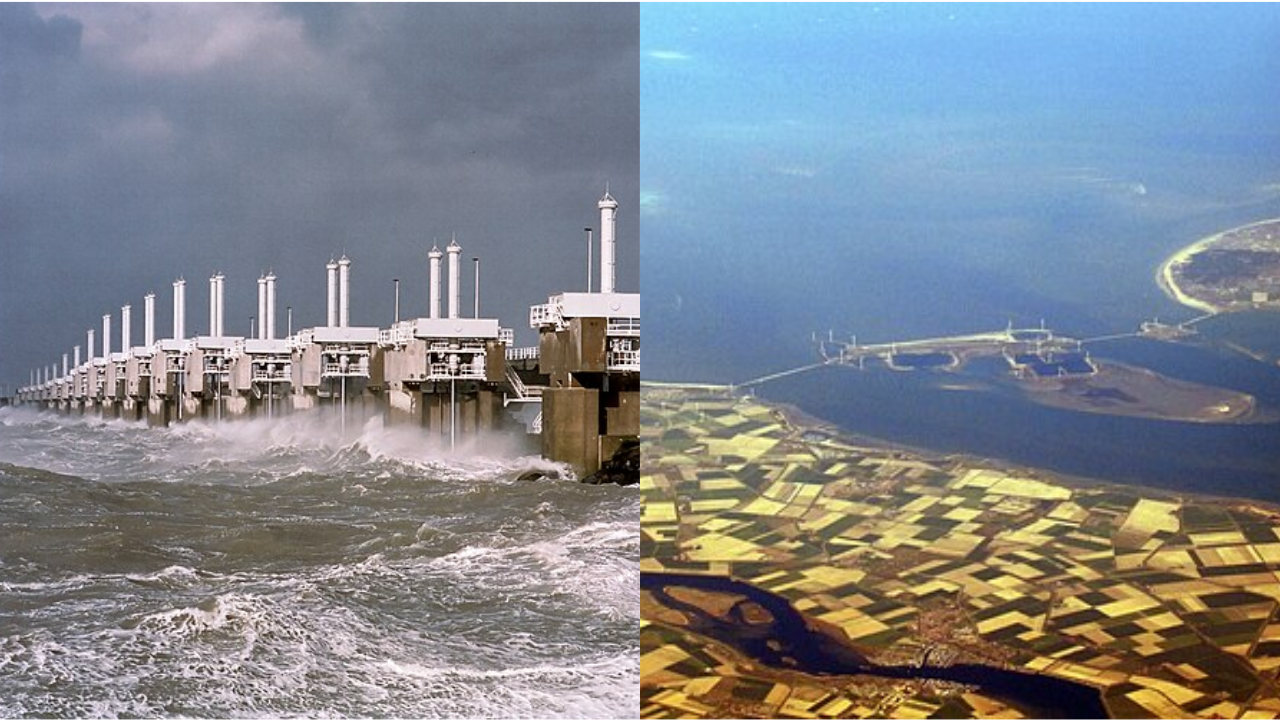
Netherlands storm barrier triggers 'sand hunger' shrinking tidal flats

  • The 9-kilometer Eastern Scheldt storm surge barrier in the Netherlands caused severe 'sand hunger' across local estuarine environments.
  • Built as part of the Delta Works following the 1953 floods, the barrier reduced tidal flow volume and sediment distribution dynamics.
  • Attenuated tidal currents prevent natural sand replenishment, leading to progressive erosion of intertidal shoals and mudflats.
  • The ecological disruption threatens migratory bird habitats, estuarine species, and long-term coastal erosion management strategy.
  • Serves as a crucial case study for UPSC GS-III regarding environmental impact assessment and unexpected consequences of geo-engineering.
Story 3Times of India ↗

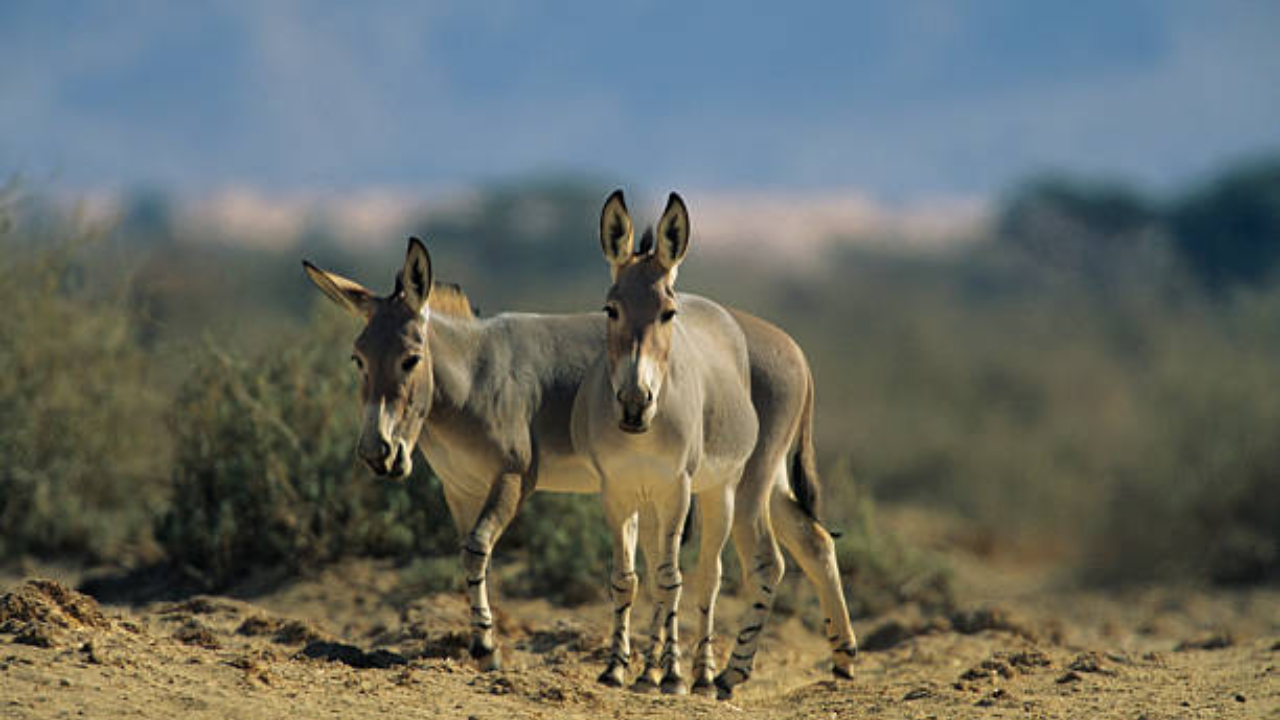
Reintroduced wild donkeys transform arid Israeli desert into oasis

  • Twenty-eight wild donkeys released into Israel's Negev Desert in 1982 successfully transformed the hyper-arid Ramon Crater into an oasis.
  • The animals, comprising Persian onagers and African wild asses, altered local soil hydrology and seed distribution over 44 years.
  • Their foraging habits, seed dispersal through dung, and physical digging created micro-habitats that promoted vegetation growth and water retention.
  • The project highlights how restoring extinct keystone megaherbivores can trigger trophic cascades that reverse desertification.
  • Valuable for UPSC GS-III Environment topics on biodiversity conservation, ecological restoration, and nature-based climate adaptations.

Prelims Facts

Scotland's Hagshaw Hill wind farm achieved a 99.9% material recycling and reuse recovery rate during repowering operations.
The Eastern Scheldt Barrier in the Netherlands, built after the 1953 floods, caused 'sand hunger' by reducing tidal currents.
Reintroduced Persian onagers and African wild asses transformed Israel's hyper-arid Ramon Crater into a functioning desert oasis ecosystem.

Mains Framework

Modern environmental management requires balancing industrial circularity, mitigating the unintended ecological consequences of large coastal protection barriers, and deploying rewilding initiatives for biome restoration.

Dimensions

Circular Economy in Renewable Infrastructure

Advanced recycling techniques for composite turbine blades prevent landfill dumping and lower scope-3 emissions in green energy repowering.

Engineering vs. Coastal Geomorphology

Hard engineering structures alter hydrodynamics, creating sediment deficits ('sand hunger') that threaten tidal flats and marine habitats over decades.

Biological Ecological Restoration

Strategic reintroduction of extinct keystone herbivores alters soil hydrology, seed dispersal, and vegetation cover in hyper-arid extreme environments.

Way forward

Policy frameworks must mandate life-cycle assessments (LCA) for clean tech infrastructure, adopt nature-based coastal defense models, and expand science-driven species reintroduction programs.

Key terms
Circular EconomyWind Turbine RecyclingSand HungerCoastal GeomorphologyEcosystem RestorationRewilding
Acts & articles
Environment Protection Act, 1986UN Decade on Ecosystem Restoration (2021–2030)Article 48A of the Constitution (Protection of environment and wildlife)
03
GS-III: SCIENCE & TECHNOLOGY - MARINE BIOTECHNOLOGY & DEEP-SEA BIOMES

Deep-Sea Ecology and Biological Responses to Methane Releases

Story 1Times of India ↗

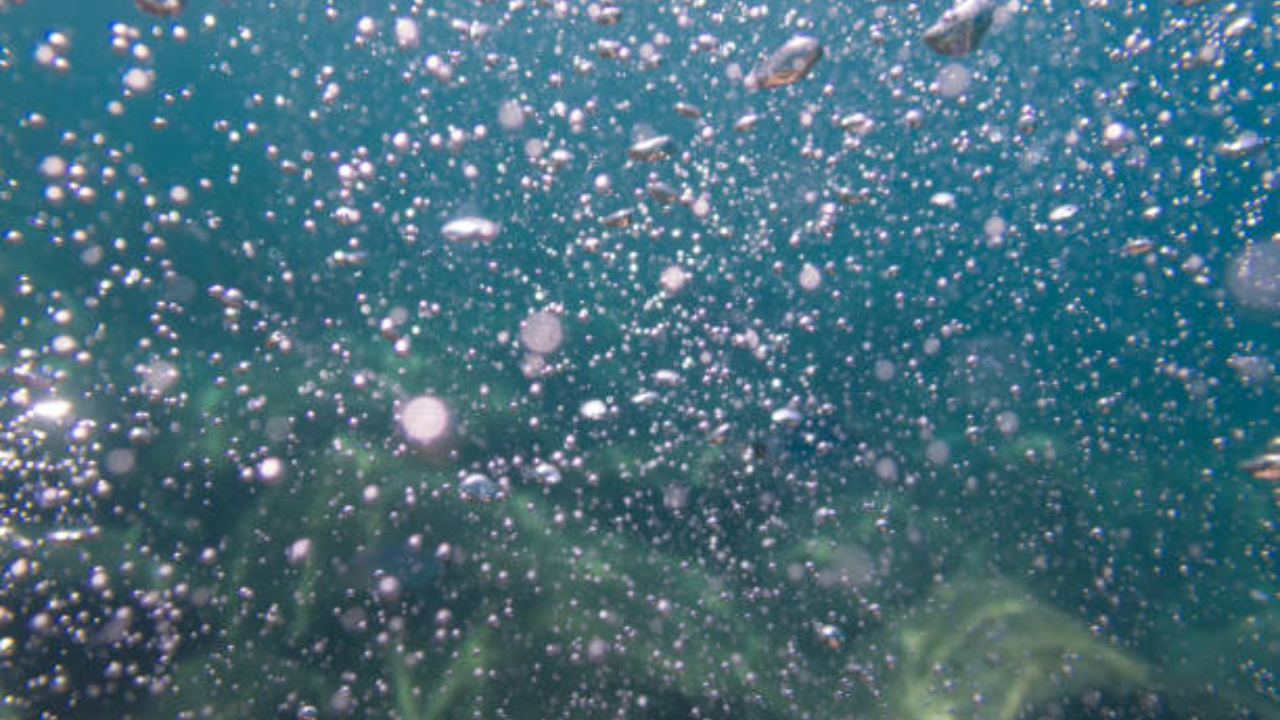
South China Sea methane leak triggers rapid deep-sea worm bed creation

  • A 2018 drilling incident in the South China Sea caused an underwater methane leak that created a plume exceeding 1 kilometer in height.
  • Long-term in situ benthic monitoring by the University of Bremen revealed that deep-sea organisms responded at unprecedented speeds.
  • Within two years, specialized methanotrophic bacteria and tubeworms colonized the site, establishing a biological 'worm bed'.
  • The biological response rapidly intercepted and metabolized methane, preventing large volumes from reaching the upper water column.
  • Provides critical material for UPSC GS-III topics on deep-sea ecology, chemosynthesis, and marine environmental risk management.

Prelims Facts

A human-made underwater methane leak in the South China Sea in 2018 produced a gas plume over 1 kilometer high.
Deep-sea methanotrophic bacteria and chemosynthetic worms formed a functional 'worm bed' ecosystem within two years of the leak.
Methane hydrates consist of natural gas molecules trapped within frozen water crystal structures under high pressure and low temperatures.

Mains Framework

The rapid emergence of deep-sea chemosynthetic ecosystems following human-induced methane leaks reveals unexpected ecological resilience and specialized biological mechanisms for carbon sequestration in benthic environments.

Dimensions

Benthic Ecosystem Adaptations

Methanotrophic bacteria utilize methane as a carbon source, supporting chemosynthetic worm communities without sunlight dependency.

Offshore Drilling & Hydrate Risks

Uncontrolled disturbance of seabed sediments during gas hydrate exploration poses severe greenhouse gas release threats.

Biotechnological & Environmental Implications

Microbial methane-consumption mechanisms offer insights into biological carbon capture and deep-sea bioremediation.

Way forward

Establish stringent benthic environmental assessment protocols for seabed mineral and gas hydrate exploration while studying extremophile genetics for bio-sequestration applications.

Key terms
Methane HydratesChemosynthesisExtremophilesDeep-Sea Benthic EcologyMethanotrophic BacteriaWorm Bed
Acts & articles
UN Convention on the Law of the Sea (UNCLOS) Part XIDeep Ocean Mission (India)Biological Diversity Act, 2002
04
GS-III: CYBER SECURITY & ARTIFICIAL INTELLIGENCE GOVERNANCE

Dual-Use Artificial Intelligence and Emerging Cyber Security Risks

Story 1Google News ↗

Anthropic reports Claude AI misuse in missile projects and espionage

  • AI safety firm Anthropic revealed that its Claude artificial intelligence system was covertly exploited for missile projects and global cyber espionage.
  • The threat actors circumvented safety barriers to analyze strategic intelligence, technical weapons designs, and state networks.
  • The revelation exposes severe vulnerabilities in front-end safety alignment when commercial LLMs encounter sophisticated adversarial jailbreaks.
  • Governments face growing pressure to treat advanced LLM platforms as sensitive dual-use assets requiring strict national security oversight.
  • Essential for UPSC GS-III Cyber Security, AI Ethics, and international security regulatory debates.

Prelims Facts

Anthropic publicly disclosed that its Claude AI platform was improperly targeted and exploited for missile research and espionage campaigns.
Frontier AI models are categorized as dual-use technologies due to their capability to perform both civilian and high-level defense/offensive tasks.
Global AI governance mechanisms currently operate under voluntary frameworks such as the Bletchley Declaration.

Mains Framework

The exploitation of commercial Large Language Models (LLMs) for strategic warfare planning and cyber espionage highlights vulnerabilities in frontier AI guardrails and the urgent need for enforced international security protocols.

Dimensions

Proliferation of Defense Threats

Commercial AI models lower technical barriers for state and non-state actors in designing advanced missile systems and weapons.

Cyber Espionage Escalation

Automated code generation, intelligence processing, and vulnerability identification empower sophisticated cyber operations.

Regulatory Lag in Guardrail Enforcement

Safety alignment and automated red-teaming mechanisms frequently fail against deliberate adversarial jailbreaking.

Way forward

Implement mandatory, verifiable safety audits for frontier AI developers, establish standardized export controls on advanced computing hardware, and institute international treaties on military AI deployment.

Key terms
Dual-Use TechnologyGenerative AILarge Language ModelsCyber EspionageProliferation RisksAI Governance
Acts & articles
Information Technology Act, 2000National Cyber Security StrategyGlobal Partnership on Artificial Intelligence (GPAI) guidelines
05
GS-II: INDIAN POLITY, JUDICIARY & GOVERNANCE

Judicial Validity of Personal Laws and Integrity in Public Procurement

Story 1The Hindu ↗

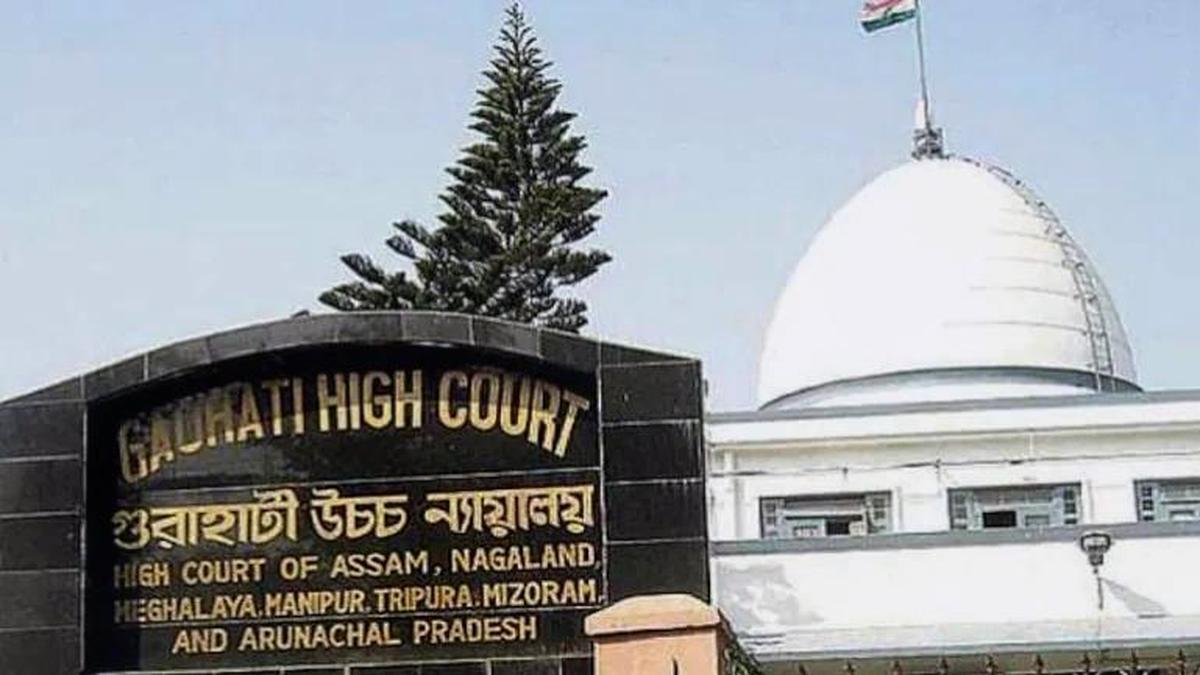
Gauhati High Court upholds validity of Talaq-E-Hassan under Assam 2024 Act

  • The Gauhati High Court ruled that 'Talaq-E-Hassan' is a legally valid form of divorce not prohibited by Indian law.
  • Justice Arun Dev Choudhury directed a petitioner to register his divorce under the Assam Compulsory Registration of Muslim Marriages and Divorce Act, 2024.
  • The court noted that the estranged wife retains full legal standing to challenge the validity of the divorce before an appropriate judicial forum.
  • The ruling distinguishes Talaq-E-Hassan (staggered over three months with reconciliation attempts) from unconstitutional instant triple talaq (Talaq-e-Biddat).
  • Highly relevant for UPSC GS-II Polity topics on Personal Laws, Gender Justice, and Constitutional Rights.
Story 2The Hindu ↗

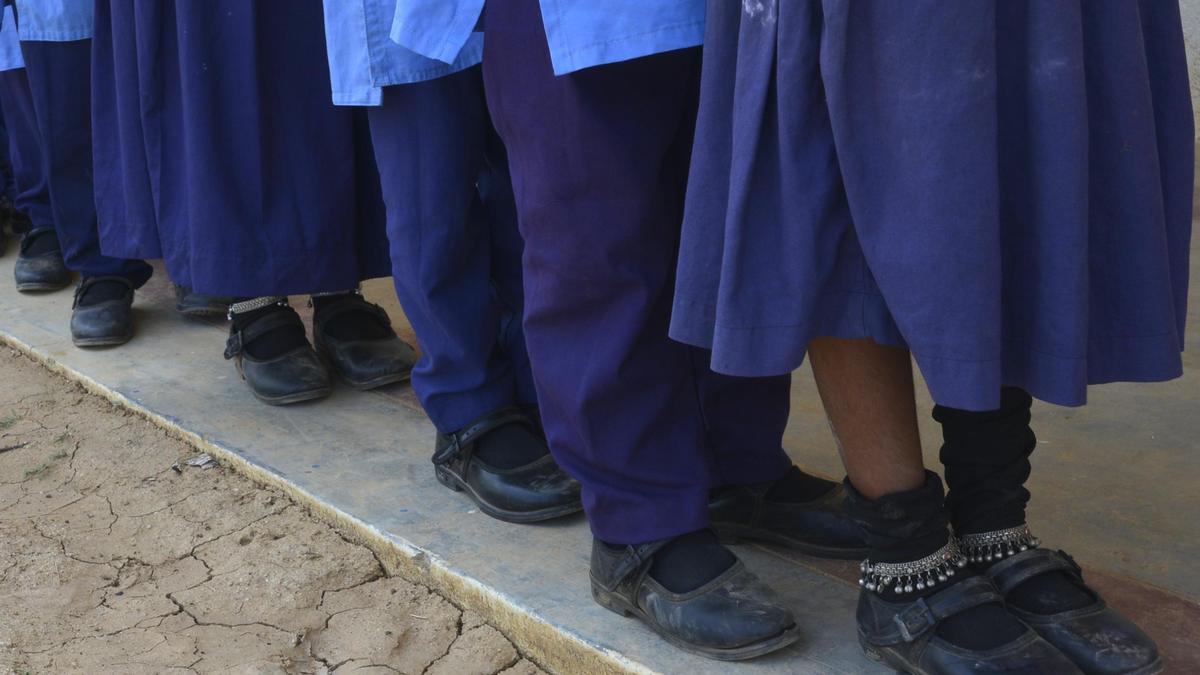
Karnataka Upalokayukta initiates suo motu probe into school shoe quality

  • Karnataka Upalokayukta Justice K.N. Phanindra ordered a preliminary suo motu investigation into poor-quality shoes supplied to government school students.
  • The action follows widespread public reports alleging systemic procurement corruption and rapid deterioration of distributed footwear within days.
  • The Upalokayukta observed that substandard basic amenities infringe upon the Right to Education under Article 21A of the Constitution.
  • The order targets public procurement transparency and demands accountability from department officials and private supply vendors.
  • Directly applicable to UPSC GS-II Governance, Public Procurement Ethics, and Implementation of Constitutional Rights.

Prelims Facts

The Gauhati High Court ruled that 'Talaq-E-Hassan' is a valid form of divorce and registrable under the Assam Muslim Marriages and Divorce Act, 2024.
Unlike Talaq-e-Biddat (instant triple talaq), Talaq-E-Hassan involves three pronouncements over three consecutive lunar months with mandatory reconciliation periods.
The Karnataka Upalokayukta invoked Article 21A to launch a suo motu corruption probe into poor-quality school supplies distributed to students.

Mains Framework

Judicial interpretations of personal laws balancing individual rights with statutory registration, paired with anti-corruption oversight in public welfare schemes, reinforce constitutional governance and statutory accountability.

Dimensions

Judicial Scrutiny of Personal Laws

Differentiation between invalid instant triple talaq and revocable Talaq-E-Hassan, emphasizing procedural fairness and statutory registration requirements.

Constitutional Integrity of Public Services

Corruption in basic welfare amenities for public school students directly infringes upon the Right to Education under Article 21A.

Role of Ombudsman Institutions

Independent Lokayuktas using suo motu powers enforce administrative accountability and protect marginalized beneficiaries.

Way forward

Standardize statutory registration protocols for all personal law divorces to secure women's financial rights, and enforce multi-tier quality control in public procurement.

Key terms
Talaq-E-HassanAssam Muslim Marriages Act 2024Article 21ALokayuktaSuo Motu JurisdictionPublic Procurement Integrity
Acts & articles
Article 21A (Right to Education)Assam Compulsory Registration of Muslim Marriages and Divorce Act, 2024Karnataka Lokayukta Act, 1984Protection of Women from Domestic Violence Act, 2005
06
GS-II: INTERNATIONAL RELATIONS & BILATERAL RELATIONS

India's Counter-Terrorism Diplomacy and Bilateral Engagements

Story 1The Hindu ↗

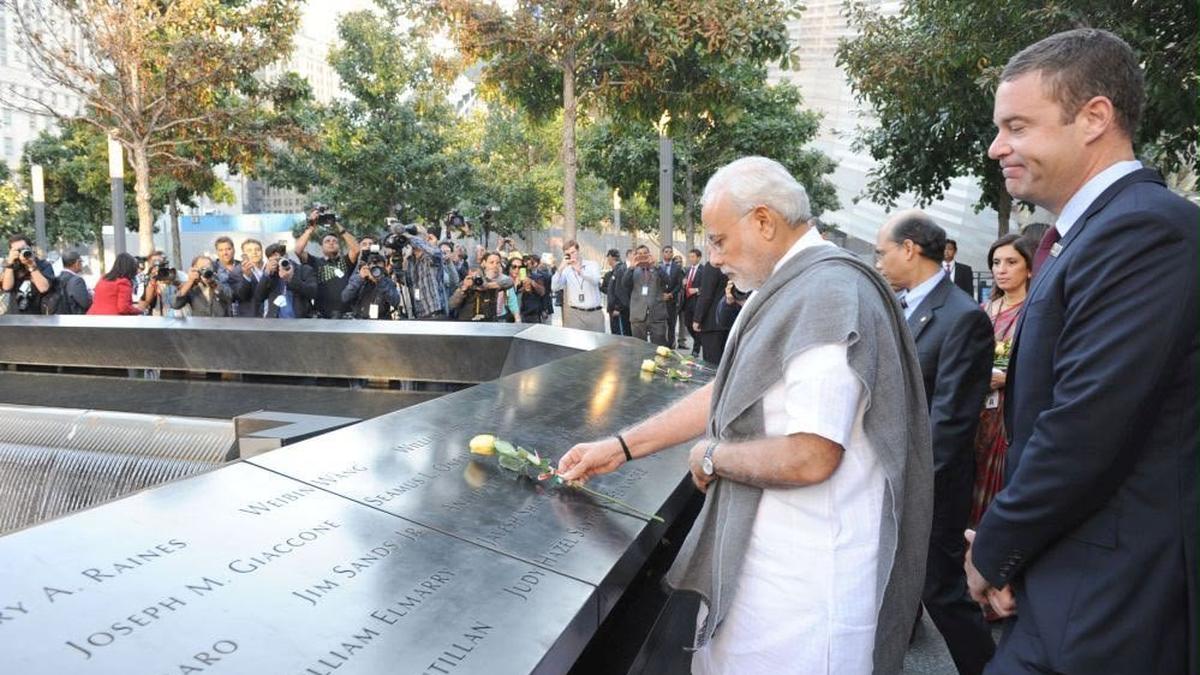
PM Modi reaffirms anti-terrorism resolve on 25th anniversary of 9/11 attacks

  • Prime Minister Narendra Modi paid tribute to victims on the 25th anniversary of the 9/11 terror attacks in the United States.
  • In an official statement, Modi reiterated that India's resolve against terrorism in all its forms remains unwavering.
  • He highlighted India's long-standing status as a victim of cross-border terrorism and its pioneering role in global anti-terror consensus.
  • The statement emphasized the need for evolving international legal frameworks as terrorist threats transition into digital domains.
  • Relevant for UPSC GS-II/GS-III topics covering global terrorism threats, international security cooperation, and counter-terrorism diplomacy.
Story 2The Hindu ↗

Malaysian PM Anwar Ibrahim to visit Kerala following BRICS summit

  • Malaysian Prime Minister Anwar Ibrahim will undertake a official visit to Kerala after attending the BRICS summit in New Delhi.
  • He is scheduled to meet All India Sunni Jamiyyathul Ulama general secretary Kanthapuram A.P. Aboobacker Musliyar at Markaz Campus.
  • The visit involves discussions with prominent political, religious, and social figures to reinforce cultural and diaspora ties.
  • The engagement highlights sub-national diplomacy and non-governmental cultural channels strengthening India-Malaysia bilateral relations.
  • Valuable for UPSC GS-II topics on India-ASEAN relations, Diaspora engagements, and cultural diplomacy.
Story 3The Hindu ↗

Congress criticizes government over US DHS advertisement controversial theme

  • Opposition parties criticized the Union government over an AI-generated US Department of Homeland Security advertisement.
  • The commercial asked a character named 'Mr. Singh' to self-deport, triggering accusations of targeted stereotyping against Indian immigrants.
  • Although the US agency removed the video following backlash, Indian political leaders demanded a stronger official public protest.
  • The incident highlights sensitivities surrounding international Indian diaspora rights, immigration policies, and diplomatic signaling.
  • Provides context for UPSC GS-II questions on Indian Diaspora rights, international public perceptions, and foreign policy management.

Prelims Facts

September 11, 2026, marks the 25th anniversary of the 2001 terrorist attacks on the United States.
Malaysian Prime Minister Anwar Ibrahim scheduled a visit to Kerala following the BRICS Summit in New Delhi.
The proposed Comprehensive Convention on International Terrorism (CCIT) was originally sponsored by India at the UN in 1996.

Mains Framework

India maintains an unwavering global position against cross-border terrorism while leveraging bilateral economic and cultural ties to strengthen its strategic footprint across Southeast Asia.

Dimensions

Global Anti-Terrorism Consensus

Advocating zero-tolerance policies and pushing for adoption of CCIT in multilateral bodies on the 25th anniversary of 9/11.

Act East Diplomacy & Sub-National Links

Engagement with Malaysia's leadership via state visits deepens economic, cultural, and diaspora linkages.

Sovereignty & Diaspora Public Diplomacy

Managing diplomatic fallout from controversial foreign agency portrayals to protect community dignity abroad.

Way forward

Standardize counter-terrorism measures via binding global conventions while leveraging shared socio-cultural ties to solidify partnerships across Southeast Asia.

Key terms
Cross-Border TerrorismComprehensive Convention on International Terrorism (CCIT)Diplomatic EngagementCultural DiplomacyDiaspora Relations
Acts & articles
Unlawful Activities (Prevention) Act (UAPA), 1967UN Security Council Resolution 1373Article 51 of the Constitution
07
GS-III: INDIAN ECONOMY & CAPITAL MARKETS

Capital Markets, Institutional IPOs, and Financial Sector Strikes

Story 1Google News ↗

NSE sets price band for landmark Initial Public Offering

  • The National Stock Exchange of India (NSE) announced a price band of ₹1,700 to ₹1,785 per share for its upcoming Initial Public Offering.
  • The public issue opens for subscription on September 17, 2026, marking one of the largest capital market listings of a Indian Market Infrastructure Institution.
  • The IPO comprises an Offer for Sale (OFS) by existing institutional shareholders seeking partial exit and capital monetization.
  • Listing the primary stock exchange introduces enhanced public governance, regulatory scrutiny, and corporate reporting standards.
  • Directly relevant for UPSC GS-III Economy topics on financial market infrastructure, capital raising, and SEBI regulatory frameworks.
Story 2Google News ↗

Major institutional shareholders trim stake in landmark NSE IPO

  • Key public sector financial institutions including State Bank of India (SBI) and Bank of Baroda (BoB) are monetizing investments in the NSE IPO.
  • Participating institutional shareholders stand to unlock significant capital returns by divesting equity portions via the OFS mechanism.
  • Proceeds from the stake sale will reinforce the tier-1 capital reserves of participating public sector banks.
  • The monetization aligns with broader public sector asset optimization strategies without requiring fresh capital issuance by the exchange.
  • Relevant for UPSC GS-III questions on banking sector capitalization, asset monetization, and institutional investments.
Story 3The Hindu ↗

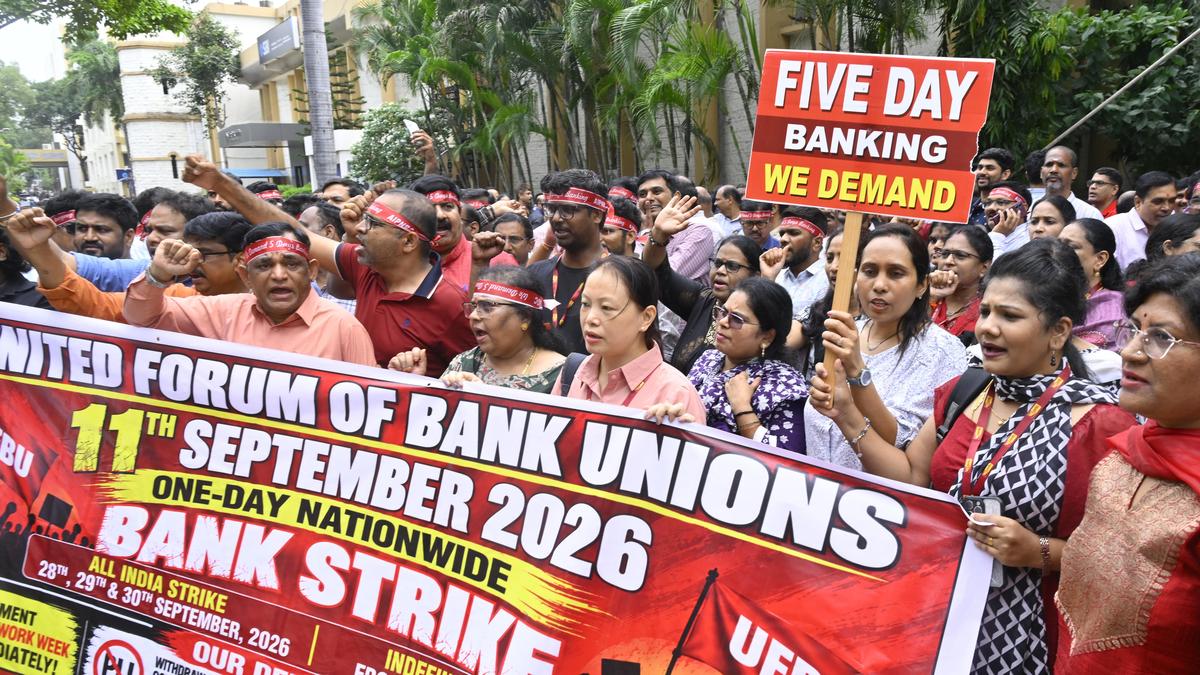
United Forum of Bank Unions strike impacts branch operations across India

  • Customer-facing branch banking operations were disrupted as thousands of public sector bank employees participated in a nationwide strike.
  • The strike was called by the United Forum of Bank Unions (UFBU) to demand service condition revisions and institutional reforms.
  • State Level Bankers' Committees urged customers to rely on digital channels as physical branch transactions faced widespread closures.
  • Unions warned of escalating multi-day strikes if unresolved grievances regarding wage structures and staffing levels persist.
  • Provides material for UPSC GS-III Labor Relations, Public Sector Banking, and Digital Payment Systems resilience.

Prelims Facts

The National Stock Exchange (NSE) announced its IPO price band set at ₹1,700 to ₹1,785 per share.
State-owned institutions including State Bank of India (SBI) and Bank of Baroda (BoB) are offloading stakes in the NSE IPO via an Offer for Sale (OFS).
The United Forum of Bank Unions (UFBU) organized nationwide single-day strikes affecting public sector branch operations.

Mains Framework

The commercial public listing of core financial infrastructure institutions alongside labor negotiations in public sector banks highlights the evolving structure and governance of India's financial sector.

Dimensions

Listing of Market Infrastructure Institutions

Institutional disinvestment via OFS unlocks capital value for public sector banks while deepening public equity ownership.

Regulatory Governance of Exchanges

Public listing introduces heightened compliance obligations, transparency norms, and conflict-of-interest checks under SEBI regulations.

Labor Dynamics & Banking Service Resilience

Union-led branch disruptions demonstrate the necessity of digital banking infrastructure resilience during industrial actions.

Way forward

Ensure robust SEBI oversight of MII governance post-listing and accelerate digital transition protocols to prevent public financial service disruptions.

Key terms
Initial Public Offering (IPO)Market Infrastructure Institutions (MII)Capital DisinvestmentOffer for Sale (OFS)UFBU StrikeDigital Banking Services
Acts & articles
SEBI (Issue of Capital and Disclosure Requirements) Regulations, 2018Industrial Disputes Act, 1947Banking Regulation Act, 1949
08
GS-III: ENERGY SECURITY & GLOBAL SUPPLY CHAINS

Global Energy Security and Maritime Geopolitics

Story 1Google News ↗

Oil prices hit four-month high amid mounting Middle East war risks

  • Global crude oil benchmark prices surged to four-month highs driven by intensifying war risks in the Middle East.
  • Energy traders factored in supply disruption premiums as tensions escalated near vital regional oil production facilities and maritime trade routes.
  • Rising oil prices threaten to reignite global inflationary pressures, complicating central bank interest rate decisions.
  • For energy-importing economies like India, elevated crude benchmarks widen import bills and strain domestic fiscal management.
  • Highly relevant for UPSC GS-III Economy, Energy Security, and international commodity market dynamics.
Story 2Google News ↗

Iranian arms transfers facilitate Houthi control over Red Sea ports

  • Reports indicate that sophisticated Iranian weaponry enabled Houthi forces to consolidate control over strategic Red Sea ports in Yemen.
  • The rapid deployment of advanced anti-ship missiles and military drones severely compromised security along key maritime lanes.
  • Commercial cargo vessels navigating the Bab-el-Mandeb strait face ongoing attack risks, forcing costly rerouting around Africa's Cape of Good Hope.
  • The militarization of critical chokepoints underscores the evolving nature of asymmetric warfare impacting global supply chains.
  • Crucial for UPSC GS-III Security and GS-II International Security topics on maritime chokepoints and proxy warfare.

Prelims Facts

Global crude oil prices surged to four-month highs due to heightened conflict risks in major Middle Eastern shipping corridors.
The Red Sea corridor and the Bab-el-Mandeb strait carry approximately 12% of global seaborne trade and oil shipments.
Asymmetric warfare involving advanced missile transfers has disrupted international maritime navigation around key Yemen ports.

Mains Framework

Escalating regional conflicts around key maritime chokepoints directly threaten global energy security, inflating freight rates and destabilizing oil-importing developing economies.

Dimensions

Energy Market Instability

Military threats in the Red Sea drive crude prices to multi-month highs, escalating global inflation pressures.

Asymmetric Maritime Threats

Proliferation of advanced weaponry and anti-ship missiles to non-state actors compromises international maritime choke points.

Macroeconomic Impact on India

Elevated oil import costs widen the Current Account Deficit (CAD) and push imported inflation across key supply chains.

Way forward

Diversify crude sourcing routes, expand Strategic Petroleum Reserves (SPR), and contribute to international maritime security patrols along high-risk commercial lanes.

Key terms
Crude Oil VolatilityRed Sea Maritime ChokepointsBab-el-MandebHouthi MilitancyAsymmetric WarfareMacroeconomic Inflation
Acts & articles
UN Convention on the Law of the Sea (UNCLOS) - Freedom of NavigationMerchant Shipping Act, 1958Integrated Maritime Security Strategy (India)

Practice MCQs — Test Your Understanding

5 questions · UPSC Prelims pattern · Tap an option to check your answer

GS-II: INTERNATIONAL RELATIONS18th BRICS Summit in New Delhi and Evolving Global Geopolitics

India hosts 18th BRICS Summit in New Delhi

Q1Regarding the BRICS grouping, consider the following statements: 1. South Africa was one of the original four founding members at its launch in 2006. 2. The 18th BRICS Summit in September 2026 is hosted by India in New Delhi. 3. The New Development Bank (NDB) was established by BRICS member states with equal voting rights for all founding members. Which of the statements given above are correct?

GS-III: ENVIRONMENT & ECOLOGYEcosystem Dynamics, Circular Economy, and Infrastructure Interventions

Netherlands storm barrier triggers 'sand hunger' shrinking tidal flats

Q2In the context of coastal geomorphology and engineering, the phenomenon known as 'sand hunger' refers to:

GS-III: SCIENCE & TECHNOLOGYDeep-Sea Ecology and Biological Responses to Methane Releases

South China Sea methane leak triggers rapid deep-sea worm bed creation

Q3Which of the following biological processes forms the primary energy base for 'worm bed' ecosystems discovered around deep-sea methane vents?

GS-II: POLITY & GOVERNANCEJudicial Validity of Personal Laws and Integrity in Public Procurement

Gauhati High Court upholds validity of Talaq-E-Hassan under Assam 2024 Act

Q4With reference to legal forms of divorce in India, consider the following statements: 1. 'Talaq-e-Biddat' involves instant triple talaq in a single sitting and was declared unconstitutional by the Supreme Court. 2. 'Talaq-E-Hassan' is pronounced once a month over three consecutive lunar months, allowing opportunities for reconciliation. 3. Under the Gauhati High Court ruling, Talaq-E-Hassan divorces are registrable under applicable state marriage registration acts. Which of the statements given above are correct?

GS-III: INDIAN ECONOMYCapital Markets, Institutional IPOs, and Financial Sector Strikes

NSE sets price band for landmark Initial Public Offering

Q5In capital market terminology, an 'Offer for Sale' (OFS) in an Initial Public Offering (IPO) implies that: