Daily Current Affairs — 1 September 2026

Tue · 8 topics · 14 stories · 6 Prelims MCQs

01
GS PAPER 3 - INDIAN ECONOMY

India's Q1 Economic Growth and Foreign Exchange Conservation Strategies
Story 1The Hindu ↗

India Records 7.8% GDP Growth in Q1 FY27 Driven by Manufacturing and Services

  • India achieved a Gross Domestic Product growth rate of 7.8% in the April-June quarter of FY 2026-27, surpassing the 6.9% recorded during the corresponding period of the previous fiscal year.
  • The Union Ministry of Statistics and Programme Implementation released the quarterly economic estimates, reflecting significant momentum across manufacturing, public administration, financial services, and real estate sectors nationwide.
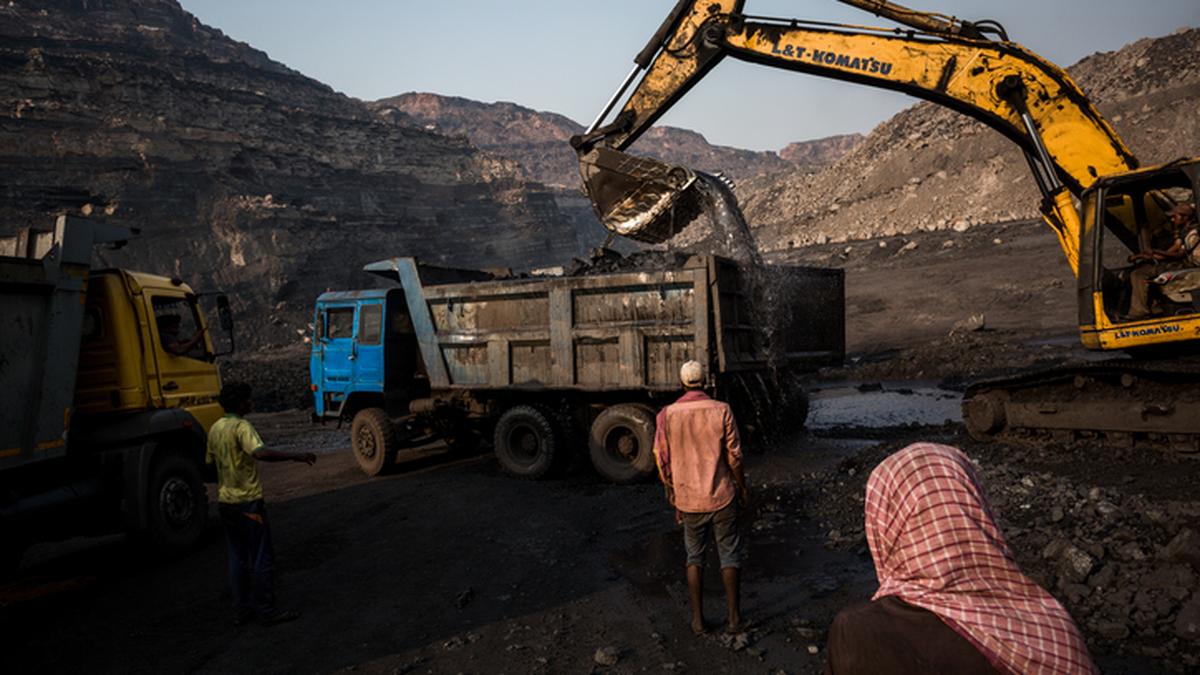
  • While overall quarterly GDP expanded by 7.8%, the mining and quarrying sector contracted by 2.4%, and July 2026 Index of Industrial Production growth moderated to 6.7% due to subdued rural consumption.
  • The growth trajectory underscores strong domestic economic resilience against global headwinds, although primary sector deceleration and persistent rural weakness present ongoing challenges for policymakers aiming for balanced growth.
  • This economic performance provides critical material for GS Paper 3 questions on national income accounting, sectoral contribution analysis, industrial growth indicators, and strategies for sustaining broad-based macroeconomic stability.
Story 2The Hindu ↗

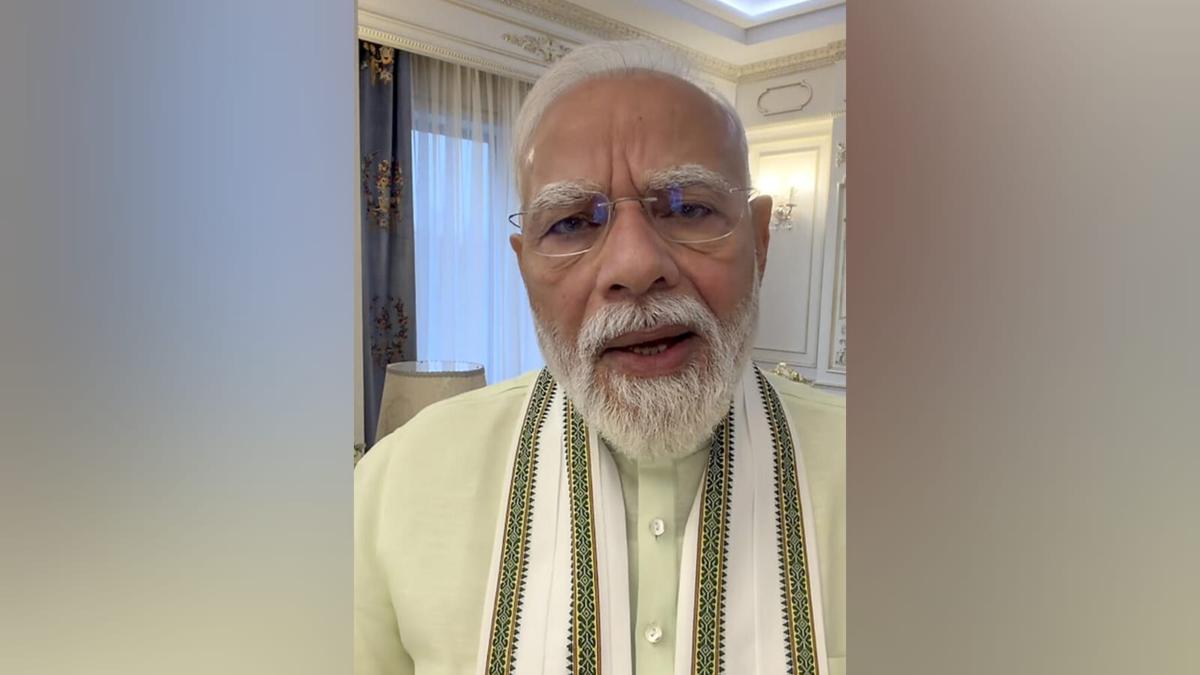
Prime Minister Calls for Foreign Exchange Preservation Amid Economic Instability

  • Prime Minister Narendra Modi addressed the nation following the Q1 GDP growth release, commending economic resilience while urging citizens to adopt austerity measures to conserve foreign exchange reserves.
  • Speaking from New Delhi via a national video address, the Prime Minister highlighted the country's self-reliance efforts amidst ongoing global conflicts, wars, and widespread international economic instability.
  • The Prime Minister highlighted the 7.8% quarterly growth milestone while specifically cautioning against discretionary gold purchases, non-essential foreign travel, and lavish destination weddings abroad.
  • The appeal aims to curb non-essential import bills and capital outflows, bolstering the national balance of payments position and supporting long-term currency stability during turbulent global economic conditions.
  • This initiative links directly to GS Paper 3 topics concerning foreign exchange management, current account deficit stabilization, import substitution strategies, and the macro-economic role of household savings.

Prelims Facts

India registered a Gross Domestic Product growth rate of 7.8% during the April-June quarter (Q1) of FY 2026-27.
The mining and quarrying sector experienced a contraction of 2.4% in Q1 FY27, partly due to a high base effect from the previous year.
India's Index of Industrial Production (IIP) growth slowed to 6.7% in July 2026 amid warnings of sluggish rural consumption.

Mains Framework

India achieved a 7.8% GDP expansion in Q1 FY27, demonstrating economic resilience despite global geopolitical turmoil, though primary sector deceleration highlights persistent structural imbalances.

Dimensions

Sectoral Divergence

Strong manufacturing and services momentum contrasting with agricultural lag and a 2.4% contraction in mining and quarrying.

Macroeconomic Vulnerabilities

Fluctuating industrial output (IIP at 6.7%) and persistent weakness in rural consumption affecting broad-based demand.

External Sector Safeguards

Appeals for citizen-led foreign exchange conservation to mitigate balance of payments pressures and currency volatility.

Way forward

Implement targeted fiscal stimulus for rural infrastructure, boost agricultural productivity, streamline capital spending, and promote domestic value addition to sustain high growth.
Key terms
Gross Domestic ProductForex ReservesCurrent Account DeficitPrimary Sector ContractionCapital Outflow
Acts & articles
Article 280Fiscal Responsibility and Budget Management Act, 2003Reserve Bank of India Act, 1934
02
GS PAPER 3 - SECURITY & INFRASTRUCTURE

Security Infrastructure and Public Sector Governance at Visakhapatnam Steel Plant

Story 1The Hindu ↗

Central Industrial Security Force Prepares Full Disengagement from Visakhapatnam Steel Plant

  • The Ministry of Home Affairs approved the complete withdrawal of Central Industrial Security Force personnel from the Visakhapatnam Steel Plant premises, effective from November 17, 2026.
  • The disengagement affects Rashtriya Ispat Nigam Limited in Visakhapatnam, Andhra Pradesh, where trade unions under Visakha Ukku Parirakshana Porata Committee have vigorously opposed plant privatization.
  • The decision stems from mounting financial dues owed to CISF alongside RINL's chronic losses and lack of captive iron ore mines following a 2021 Cabinet decision approving 100% strategic sale.
  • The security withdrawal highlights severe operational and financial distress within the steel PSU, raising major concerns regarding physical asset protection and labor relations ahead of proposed restructuring.
  • This development offers vital context for GS Paper 3 questions on Central Armed Police Forces deployment, industrial asset security, PSU disinvestment bottlenecks, and public sector governance reform.

Prelims Facts

The Ministry of Home Affairs approved the complete disengagement of the Central Industrial Security Force from Visakhapatnam Steel Plant by November 17, 2026.
Rashtriya Ispat Nigam Limited (RINL) is the corporate entity governing the Visakhapatnam Steel Plant in Andhra Pradesh.
The Cabinet Committee on Economic Affairs had approved 100% strategic disinvestment of RINL in January 2021.

Mains Framework

The planned disengagement of CISF from the Visakhapatnam Steel Plant underscores the complex intersection between PSU financial distress, industrial security management, and strategic disinvestment.

Dimensions

Security Vulnerabilities

Risk of compromised protection for heavy industrial assets following the departure of specialized paramilitary forces.

Financial Distress

Accumulation of unpaid CISF operational dues by RINL due to chronic losses, mounting debt, and lack of captive mines.

Socio-Economic Strains

Labor union mobilization under Visakha Ukku Parirakshana Porata Committee resisting privatization amidst mass downsizing.

Way forward

Establish alternative security arrangements through state police transition plans while resolving RINL's structural financial bottlenecks and captive raw material allocation.

Key terms
Central Industrial Security ForceRashtriya Ispat Nigam LimitedStrategic DisinvestmentCritical InfrastructurePublic Sector Undertakings
Acts & articles
Central Industrial Security Force Act, 1968Article 298Industrial Disputes Act, 1947
03
GS PAPER 3 - INFRASTRUCTURE DEVELOPMENT

Multi-Modal Urban Transport and Railway Corridor Planning in Telangana

Story 1The Hindu ↗

Telangana Government and South Central Railway Plan Major Expansion of Suburban Transit

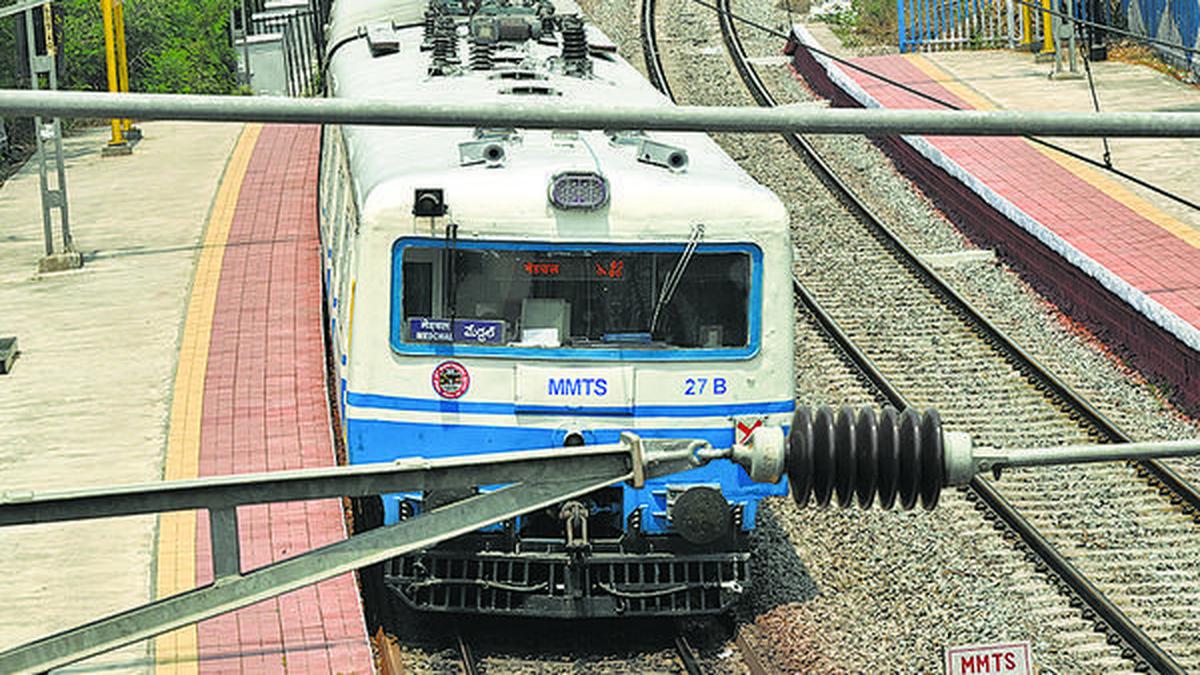
  • The Telangana state administration and South Central Railway agreed to formulate detailed project reports for expanding Hyderabad's Multi-Modal Transport System and developing strategic outer railway corridors.
  • Telangana Chief Secretary Sanjay Jaju led high-level coordination discussions with SCR General Manager Sanjay Kumar Srivastava at the State Secretariat in Hyderabad to review regional infrastructure priorities.
  • SCR officials submitted DPRs for 17 regional rail projects covering 2,023 kilometers to the Railway Board while reviewing 21 key issues including land acquisition for potential bullet train corridors.
  • The joint transit initiative aims to seamlessly integrate suburban railway operations with major highway networks like the Outer Ring Road and Regional Ring Road to alleviate urban traffic bottlenecks.
  • This topic aligns directly with GS Paper 3 infrastructure modules, focusing on multi-modal urban transit integration, state-railway coordination mechanisms, and forward-looking land acquisition strategies.

Prelims Facts

South Central Railway (SCR) has submitted detailed project reports for 17 railway projects covering 2,023 km to the Railway Board.
The Telangana state government and SCR are coordinating transport terminals along Hyderabad's Outer Ring Road and Regional Ring Road.
Multi-Modal Transport System (MMTS) serves as the primary commuter rail network connecting Hyderabad and surrounding urban nodes.

Mains Framework

Joint planning between the Telangana government and South Central Railway aims to transform Hyderabad's urban transport landscape through suburban rail expansion and high-speed transit corridors.

Dimensions

Urban De-congestion

Scaling up MMTS network capacity to seamlessly handle daily commuter surge across peripheral ring roads.

Inter-Modal Integration

Developing strategically located railway terminals alongside the Outer Ring Road and Regional Ring Road.

Future-Proofing Infrastructure

Proactive land acquisition frameworks designed to accommodate potential high-speed bullet train corridors.

Way forward

Establish a unified metropolitan transport authority, streamline joint land acquisition, and adopt public-private partnership models for terminal infrastructure.

Key terms
Multi-Modal Transport SystemDetailed Project ReportOuter Ring RoadRegional Ring RoadHigh-Speed Rail Corridors
Acts & articles
Metro Railways (Construction of Works) Act, 1978Railways Act, 1989Article 246
04
GS PAPER 2 - SOCIAL JUSTICE & WELFARE INITIATIVES

Educational Access and Institutional Quotas for Northeastern Students

Story 1The Hindu ↗

JNU Barak Hostel Facing Low Regional Enrollment and Infrastructure Maintenance Deficits

  • Jawaharlal Nehru University's Barak Hostel reported that only 12% of its residents belong to the Northeast, despite a mandatory 75% reservation policy designed specifically for the region.
  • Located at JNU in New Delhi, the hostel was established following recommendations by the 2014 Bezbaruah Committee formed to address racial discrimination and housing challenges faced by Northeastern students.
  • Despite being constructed just two years ago, the facility suffers severe structural neglect, including peeling wall plaster, persistent waterlogging, broken plumbing fixtures, and total absence of functional mess amenities.
  • Student representatives highlight that institutional failure to enforce quota guidelines defeats the original policy objective of providing secure and dedicated educational accommodation for students from remote border states.
  • This development provides concrete analytical material for GS Paper 2 civil services questions regarding social justice implementation, regional equity policies, institutional oversight, and administrative accountability.

Prelims Facts

The Bezbaruah Committee was constituted in 2014 to examine concerns of people from the Northeast living across India.
JNU's Barak Hostel mandates a 75:25 reservation ratio specifically favoring students from the North Eastern states.
Current occupancy records show only 12% representation of Northeastern students at Barak Hostel despite official reservation norms.

Mains Framework

The underutilization and physical neglect of JNU's Barak Hostel highlight policy execution gaps in translating institutional reservation quotas into effective social inclusion for Northeastern students.

Dimensions

Implementation Gaps

Failure to enforce the 75% regional quota leading to a mere 12% representation among resident students.

Infrastructure Deficits

Premature structural deterioration, waterlogging, broken amenities, and missing mess facilities compromising living conditions.

Institutional Accountability

Lack of administrative monitoring to fulfill key mandates recommended by the landmark Bezbaruah Committee.

Way forward

Strictly enforce regional quota allocations during hostel allotment, conduct administrative audits, and overhaul facility maintenance to ensure inclusive campus environments.

Key terms
Bezbaruah CommitteeInstitutional Reservation QuotaJawaharlal Nehru UniversityBarak HostelNortheast Integration
Acts & articles
Article 15(4)Article 29University Grants Commission Act, 1956
05
GS PAPER 3 - DISASTER MANAGEMENT & ENVIRONMENT

Himalayan Hydro-Climatic Disasters and Transboundary Emergency Response in Nepal

Story 1The Hindu ↗

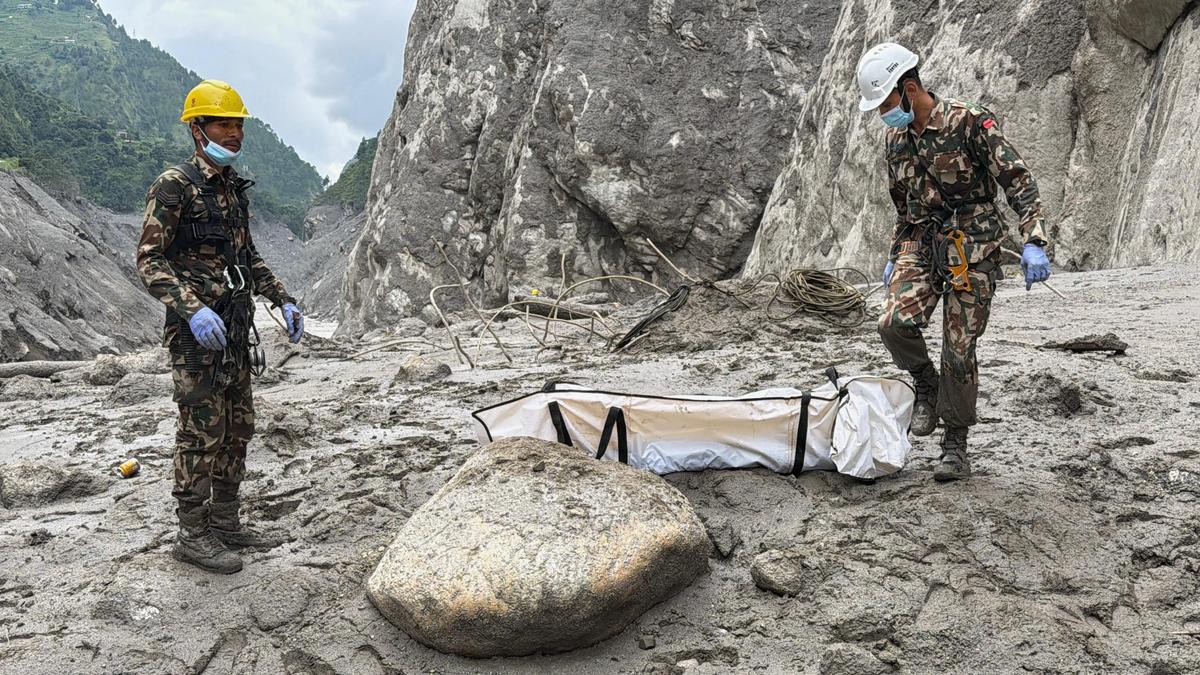
Nepal Flash Floods Trigger Mass Rescues at Trishuli Hydropower Project Sites

  • Catastrophic flash floods across northern Nepal triggered widespread destruction, trapping hundreds of project technicians and workers near major Himalayan hydropower construction sites and river basins.
  • Disaster operations spanned the Upper Trishuli 1 Hydropower Project zone in Nepal, mobilizing international tunnel rescue specialists alongside domestic armed forces and emergency management agencies.
  • More than 11,000 survivors were rescued as 22,000 security personnel and 16 helicopters were deployed by Nepal's National Disaster Risk Reduction and Management Authority following severe casualties.
  • The disaster highlights severe hydro-climatic vulnerabilities surrounding mountain infrastructure projects, reinforcing urgent calls for comprehensive climate risk assessments and resilient engineering standards across fragile alpine terrains.
  • This emergency coverage offers essential case study material for GS Paper 3 topics covering transboundary disaster mitigation, eco-fragile mountain geology, hydropower risk governance, and international relief coordination.
Story 2Times of India ↗

Early Warning Evacuation Saves Hundreds of School Children in Flood-Hit Baireni

  • School authorities in Baireni successfully evacuated 400 children to higher ground minutes before violent floodwaters completely inundated their campus during morning school assembly preparations.
  • The life-saving evacuation took place at Bageshwori Higher Secondary School in Baireni, Nepal, situated in close geographic proximity to a rapidly swelling mountain river bank.
  • Principal Prakash Malla issued immediate evacuation orders after receiving early flood reports at 9:00 AM, allowing hundreds of students to escape safely before muddy waters flooded classrooms.
  • The successful escape underscores how proactive leadership and functional local communication channels can avert mass casualties during unexpected climate-induced flash flooding events in vulnerable rural settlements.
  • This real-world incident illustrates crucial GS Paper 3 concepts regarding community-based disaster management, early warning dissemination efficacy, emergency protocols, and institutional preparedness in flood zones.

Prelims Facts

Nepal's NDRRMA coordinated the deployment of over 22,000 security personnel and 16 helicopters for flash flood rescue operations.
Over 250 workers were trapped at the Upper Trishuli 1 Hydropower Project site following sudden Himalayan torrential flooding.
School administrators in Baireni executed emergency evacuations, successfully saving 400 students prior to floodwaters inundating classrooms.

Mains Framework

Catastrophic flash floods along the Nepal-China border expose the critical vulnerability of Himalayan infrastructure while underscoring the life-saving potential of timely local early warning evacuations.

Dimensions

Infrastructure Vulnerability

Hydropower dam sites like Upper Trishuli 1 facing severe operational risks and worker entrapments during flood events.

Institutional Mobilization

Large-scale emergency deployment involving NDRRMA, military forces, and international tunnel rescue specialists.

Community Preparedness

Rapid evacuation protocol execution in Baireni demonstrating the efficacy of localized hazard alerts in preventing casualties.

Way forward

Strengthen transboundary hydrological data sharing, establish climate-resilient engineering standards for mountain infrastructure, and institutionalize community-level disaster drills.

Key terms
Flash FloodsHydropower VulnerabilityNational Disaster Risk Reduction and Management AuthorityTransboundary Early WarningHimalayan Eco-fragility
Acts & articles
Disaster Management Act, 2005Sendai Framework for Disaster Risk Reduction 2015-2030Article 21
06
GS PAPER 3 - ECOLOGY & ENVIRONMENT

Global Wildlife Recovery and Large-Scale Ecological Habitat Restoration

Story 1Times of India ↗

Humpback Whale Population Surges to Nearly Thirty-Five Thousand Along Brazilian Coast

  • South Atlantic humpback whale numbers achieved a remarkable ecological recovery, rebounding from near extinction due to commercial hunting to levels approaching their historical pre-whaling baseline numbers.
  • The marine species recovery spans the Brazilian coastline, with primary winter breeding grounds centered around the Abrolhos Bank coral reef region off Bahia and Espirito Santo states.
  • Scientific survey data indicates population levels expanded from approximately 2,000 individuals to nearly 35,000 over four decades, driven by complete protection along their 4,000-kilometer migration corridor.
  • This environmental success story demonstrates the power of international whaling bans and migratory habitat protections, transforming regional marine conservation while fostering sustainable coastal eco-tourism industries.
  • This recovery provides valuable illustrative material for GS Paper 3 questions on marine biodiversity management, species protection frameworks, international conservation treaties, and ecosystem restoration success.
Story 2Times of India ↗

Private Ecological Restoration Project Transforms Degraded Land to Combat Species Extinction

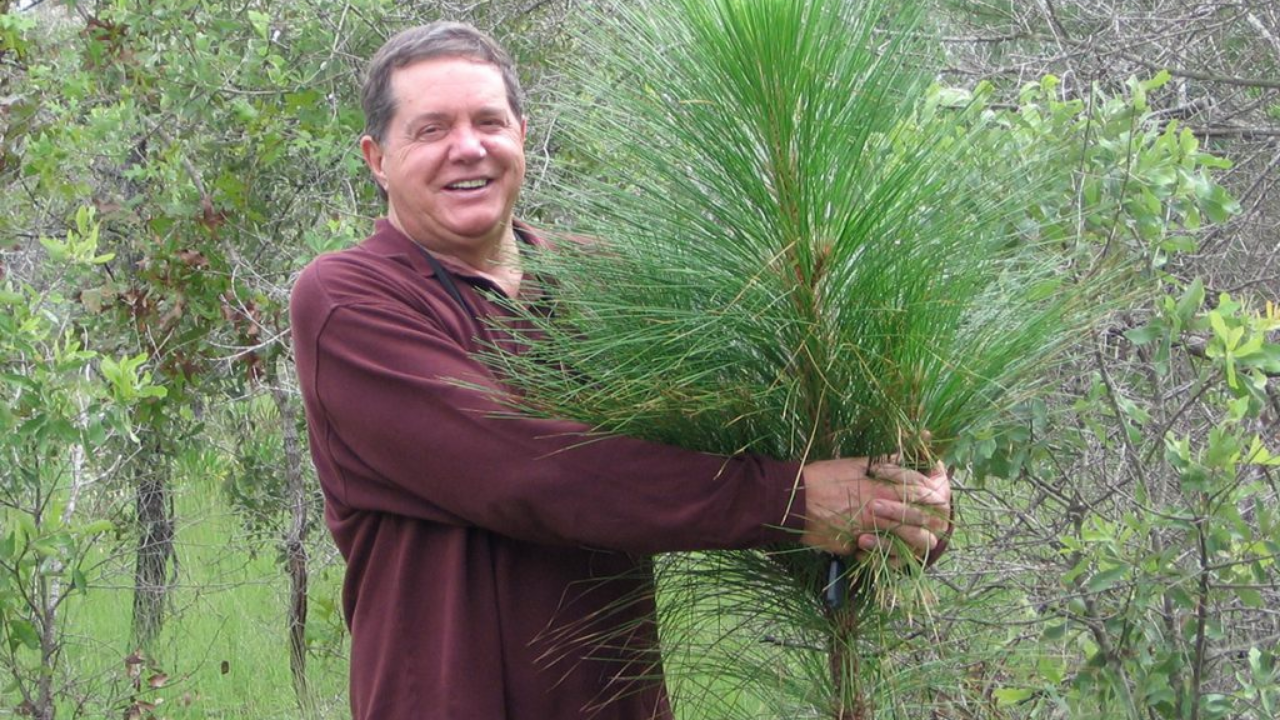
  • A decades-long conservation project converted 51,000 acres of severely degraded land into a thriving habitat, demonstrating private initiative capacity to counteract modern anthropogenic mass extinction.
  • Located in Florida, United States, the restored ecosystem represents the largest private rewilding project east of the Mississippi River, putting theoretical sociobiological conservation concepts into practice.
  • Inspired by biologist E.O. Wilson's Half-Earth initiative, the project targets habitat loss, aiming to prevent a sixth mass extinction event threatening an estimated ten million planetary species.
  • The project offers a proven model for ecological rewilding, showing how private stewardship and scientific habitat restoration can successfully rehabilitate damaged landscapes and safeguard critical biological diversity.
  • This initiative links directly to GS Paper 3 syllabus topics concerning terrestrial ecosystem conservation, private land stewardship models, biodiversity loss mitigation, and sustainable habitat management practices.

Prelims Facts

South Atlantic humpback whale populations surged from 2,000 to nearly 35,000 over four decades following international whaling bans.
Abrolhos Bank, located off the Brazilian coast (Bahia and Espirito Santo), serves as a critical breeding ground for humpback whales.
Biologist E.O. Wilson's 'Half-Earth' proposal advocates setting aside 50% of Earth's surface as protected area to halt mass extinction.

Mains Framework

The dramatic recovery of marine species alongside private landscape rewilding demonstrates that targeted conservation interventions can effectively counter anthropogenic biodiversity decline.

Dimensions

Marine Conservation Success

Enforcement of whaling moratoria allowing humpback populations to rebound near pre-commercial levels.

Terrestrial Rewilding Models

Large-scale degraded land acquisition in Florida proving the feasibility of habitat restoration.

Ecological Paradigms

Institutionalizing E.O. Wilson's Half-Earth vision to systematically safeguard habitats against a sixth mass extinction.

Way forward

Expand protected marine corridors, incentivize private land conservation stewardship, and integrate biodiversity targets into global environmental governance agreements.

Key terms
Humpback Whale RecoveryE.O. WilsonHalf-Earth InitiativeSixth Mass ExtinctionAbrolhos Bank Coral Reef
Acts & articles
Biological Diversity Act, 2002UN Convention on Biological Diversity (CBD)Article 48A
07
GS PAPER 3 - SCIENCE & TECHNOLOGY

Biomimetic Engineering, Non-Invasive eDNA Sampling, and Frugal Innovations

Story 1Times of India ↗

Researchers Utilize Spider Stomach Contents as Living DNA Traps for Ecosystem Monitoring

  • Biologists published findings showing that predator spider stomach contents retain intact prey DNA, functioning as effective living samplers for mapping complex local animal and insect communities.
  • The experimental study published in Experimental and Applied Entomology targeted wolf spiders, tracking prey genetic markers during different digestion stages under controlled laboratory environmental conditions.
  • Researchers verified that prey genetic material remains reliably detectable for several days post-feeding, providing a novel methodology for mapping elusive species across diverse surrounding natural habitats.
  • This non-invasive sampling technique reduces the need for intrusive field collection methods, providing ecologists with an efficient molecular tool to monitor biodiversity and track food web dynamics.
  • This research enriches GS Paper 3 modules on environmental DNA techniques, ecological survey methodologies, biodiversity monitoring technologies, and non-invasive biological assessment frameworks.
Story 2Times of India ↗

Scientific Study Reveals Snail Mucus Secretion Mechanisms Involving Calcium and Collagen

  • Scientists revealed how grove snails dynamically adjust chemical protein ratios to synthesize five distinct mucus materials, ranging from friction-reducing lubricants to tough mineralized protective seals.
  • The biophysical research on Cepaea nemoralis was published in the journal Science, detailing molecular interactions occurring within specialized glandular secretions across various environmental threat scenarios.
  • The study identified calcium ions and collagen VI structural proteins as key regulators that tune mucus properties to act as movement lubricants, adhesives, defensive secretions, or dormancy seals.
  • Understanding these natural biopolymer tuning mechanisms opens new avenues for biomimetic engineering, inspiring advanced eco-friendly adhesives, medical sealants, and bio-inspired industrial lubricants.
  • This discovery aligns with GS Paper 3 topics on biomimicry, advances in material science, bio-inspired engineering applications, and biochemical research supporting industrial sustainability.
Story 3Times of India ↗

Fourteen-Year-Old Innovator Designs Low-Cost Pedal-Powered Washing Machine for Rural Utility

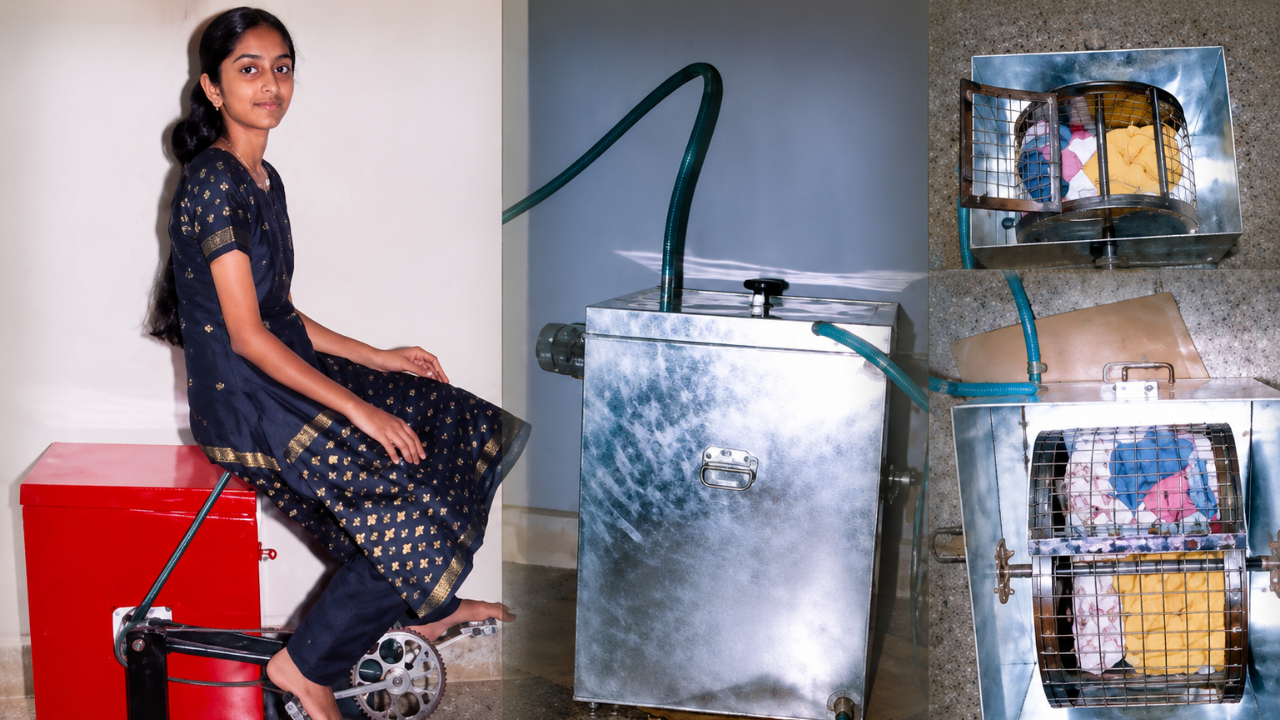
  • A fourteen-year-old schoolgirl invented a zero-electricity, pedal-powered washing machine utilizing salvaged bicycle parts and a metal drum, dramatically reducing daily domestic manual labor.
  • Developed by Remya in rural Kerala, the low-cost innovation was fabricated with support from a local automobile workshop to assist her family during domestic health crises.
  • Constructed for just Rs 2,000, the mechanical device transforms pedal rotation into internal cylinder agitation, enabling effective clothes washing without requiring grid electrical power access.
  • Supported by the National Innovation Foundation, this grassroots technology highlights the transformative potential of frugal engineering in solving everyday rural energy and labor constraints.
  • This grassroots innovation provides an inspiring case study for GS Paper 3 questions covering rural appropriate technology, inclusive innovation models, female innovators, and frugal engineering solutions.

Prelims Facts

Wolf spiders function as biological samplers, retaining detectable prey eDNA in their stomachs for several days post-consumption.
Snails produce five functionally distinct mucus materials utilizing varying concentrations of calcium, collagen VI, and structural proteins.
A 14-year-old student from Kerala developed a pedal-powered non-electric washing machine costing just Rs 2,000 using bicycle parts.

Mains Framework

Emerging research in biological sampling, natural material science, and grassroots frugal innovations demonstrates how science and indigenous creativity offer sustainable solutions across diverse sectors.

Dimensions

Non-Invasive Ecological Monitoring

Utilizing predator gut contents (eDNA) as biological traps to assess localized insect and animal diversity.

Biomimetic Material Design

Unraveling snail mucus mechanics governed by calcium and collagen VI for industrial adhesives and lubricants.

Grassroots Inclusive Innovation

Leveraging basic mechanical principles (pedal-power) to reduce domestic labor and energy burdens in resource-poor settings.

Way forward

Incentivize biomimetic research, integrate eDNA protocols into biodiversity surveys, and scale grassroots innovations through the National Innovation Foundation.

Key terms
Environmental DNASpider Stomach ContentsSnail Mucus MechanicsCollagen VIFrugal Innovation
Acts & articles
Patents Act, 1970Biological Diversity Act, 2002Article 51A(h)
08
GS PAPER 3 - SCIENCE & TECHNOLOGY & WATER RESOURCES

Space Agriculture Dynamics and Subsurface Volcanic Water Hydrology

Story 1Times of India ↗

NASA Space Experiment Reveals Microgravity Impact on Seedling Root and Shoot Growth

  • NASA scientists conducted orbital space experiments cultivating corn seeds, discovering that microgravity environments fundamentally disrupt natural directional growth patterns in plant roots and shoots.
  • The space biology experiments were conducted aboard orbiters by NASA research teams, comparing seedling structural development against Earth-bound control groups in terrestrial laboratories.
  • Results demonstrated erratic root and shoot orientation due to absent gravitational vector cues, mirroring growth anomalies previously observed in space-grown Arabidopsis thaliana biological test subjects.
  • Understanding microgravity plant tropism is critical for designing closed-loop life support systems and counterbalancing gravity absence during long-duration interplanetary space exploration missions.
  • This biological discovery directly connects to GS Paper 3 topics on space technology applications, botanical research in microgravity, space agriculture, and deep space human exploration readiness.
Story 2Times of India ↗

Geothermal Drill Data Uncovers Vast Hidden Water Reserves Beneath Oregon Cascade Range

  • Geophysical researchers uncovered an extensive underground water reservoir trapped deep inside porous volcanic rock, fundamentally altering scientific understanding of mountain subsurface hydrology.
  • A University of Oregon-led scientific team conducted the hydrogeological investigation beneath the forested Cascade Range in Oregon, United States, analyzing deep subsurface rock formations.
  • By analyzing thermal data from deep geothermal drill holes, researchers calculated at least 81 cubic kilometers of stored water—nearly three times the total volume capacity of Lake Mead.
  • The breakthrough demonstrates how historical geothermal borehole temperature data can map hidden sub-surface aquifers without requiring new invasive drilling, greatly aiding volcanic hazard and water budget assessments.
  • This hydrogeological discovery provides key context for GS Paper 3 syllabus topics covering deep groundwater resource identification, innovative geophysical survey methodologies, and volcanic hydrological dynamics.

Prelims Facts

NASA space experiments showed that corn seeds grown in microgravity exhibit erratic root and shoot growth patterns due to lost gravity cues.
Scientists discovered at least 81 cubic kilometers of water locked in volcanic rock beneath Oregon's Cascade Range.
The Oregon subsurface water volume was calculated using historical geothermal drill-hole temperature profiles and equals nearly three times Lake Mead's capacity.

Mains Framework

Pioneering research in space crop cultivation and sub-surface volcanic hydrology expands human capabilities in long-duration space missions and terrestrial water resource mapping.

Dimensions

Space Biological Adaptation

Altered root and shoot growth (gravitropism) in microgravity presenting challenges for off-world food production.

Sub-surface Hydrological Discovery

Mapping 81 cubic kilometers of deep water reserves in Oregon's volcanic rock via geothermal thermal data.

Resource Governance

Utilizing innovative geophysical techniques to assess groundwater budgets and volcanic hazard dynamics.

Way forward

Develop artificial gravity and directional growth systems for space farming while expanding deep geothermal aquifer mapping to bolster global water security.

Key terms
Microgravity Crop GrowthGravitropismVolcanic AquifersOregon Cascade RangeGeothermal Hydrogeology
Acts & articles
National Water PolicyOuter Space Treaty, 1967Article 51A(h)

Practice MCQs — Test Your Understanding

6 questions · UPSC Prelims pattern · Tap an option to check your answer

GS PAPER 3 - INDIAN ECONOMYIndia's Q1 Economic Growth and Foreign Exchange Conservation Strategies

India Records 7.8% GDP Growth in Q1 FY27 Driven by Manufacturing and Services

Q1With reference to India's GDP growth performance in Q1 FY 2026-27, consider the following statements: 1. The overall GDP growth rate reached 7.8%, outpacing the growth rate recorded in the same quarter of the previous fiscal year. 2. The mining and quarrying sector experienced a positive growth rate exceeding 10% during this quarter. 3. The manufacturing and financial services sectors served as major drivers of economic expansion. Which of the statements given above are correct?

GS PAPER 3 - SECURITY & INFRASTRUCTURESecurity Infrastructure and Public Sector Governance at Visakhapatnam Steel Plant

Central Industrial Security Force Prepares Full Disengagement from Visakhapatnam Steel Plant

Q2Consider the following statements regarding the Visakhapatnam Steel Plant (RINL): 1. Rashtriya Ispat Nigam Limited (RINL) is the corporate entity governing the Visakhapatnam Steel Plant in Andhra Pradesh. 2. The Ministry of Home Affairs ordered CISF disengagement due to RINL's accumulated dues and financial distress. 3. RINL possesses extensive captive iron ore mines that fully supply its raw material needs. Which of the statements given above is/are correct?

GS PAPER 2 - SOCIAL JUSTICEEducational Access and Institutional Quotas for Northeastern Students

JNU Barak Hostel Facing Low Regional Enrollment and Infrastructure Maintenance Deficits

Q3Which committee's recommendations led to the initiative of constructing dedicated university hostel infrastructure for students from the North Eastern region in New Delhi?

GS PAPER 3 - ECOLOGY & ENVIRONMENTGlobal Wildlife Recovery and Large-Scale Ecological Habitat Restoration

Humpback Whale Population Surges to Nearly Thirty-Five Thousand Along Brazilian Coast

Q4With reference to marine wildlife conservation, consider the following statements regarding the Humpback Whale population off the coast of Brazil: 1. The Southern Atlantic humpback whale population has recovered from around 2,000 to nearly 35,000 in roughly four decades. 2. The Abrolhos Bank, off the coast of Bahia and Espirito Santo, serves as an important coral reef breeding ground for these whales. 3. Humpback whales migrate to Brazilian warm waters during the winter to feed on krill. Which of the statements given above are correct?

GS PAPER 3 - SCIENCE & TECHNOLOGYBiomimetic Engineering, Non-Invasive eDNA Sampling, and Frugal Innovations

Researchers Utilize Spider Stomach Contents as Living DNA Traps for Ecosystem Monitoring

Q5In the context of environmental DNA (eDNA) research, how do wolf spiders assist scientists in ecosystem monitoring?

GS PAPER 3 - HYDROLOGY & RESOURCE MAPPINGSpace Agriculture Dynamics and Subsurface Volcanic Water Hydrology

Geothermal Drill Data Uncovers Vast Hidden Water Reserves Beneath Oregon Cascade Range

Q6How did scientists recently estimate the presence of 81 cubic kilometers of subsurface water beneath Oregon's Cascade Range?