Centre notifies Legal Metrology Rules 2026 to mandate Indian Standard Time
The Central Government notified the Legal Metrology (Indian Standard Time) Rules, 2026, mandating Indian Standard Time as the sole reference for legal, official, and commercial purposes.
Notified on August 27, 2026, by the Ministry of Consumer Affairs, the rules mandate uniform timing across digital payment gateways, telecom operators, and public utilities nationwide.
Institutions and enterprises have been provided a 180-day grace period from the publication date to reconfigure internal IT architectures and server clock synchronization mechanisms.
The growing dependence of banking systems, railways, power grids, and administrative records on precise time stamps prompted the Centre to issue standard operational directives.
Relevant for UPSC GS-3 under infrastructure and technology policy, highlighting how standardized digital metrics bolster economic efficiency, forensic auditing, and critical national infrastructure security.
Prelims Facts
The Legal Metrology (Indian Standard Time) Rules, 2026 make Indian Standard Time mandatory across administrative, commercial, and official digital systems.
Organizations and government departments have been granted a transition period of 180 days from the date of official publication to align their timing systems.
Standardized time references are critical for high-frequency digital payments, telecommunications networks, power grid synchronization, and railway operational logs.
Mains Framework
The Centre's notification of the Legal Metrology (Indian Standard Time) Rules, 2026 establishes IST as the uniform legal reference for all digital and official operations across India.
Dimensions
Dimension 1
Technological Necessity — Prevents timing desynchronization in digital payments, telecommunication networks, and automated power grid management.
Dimension 2
Security & Forensic Auditability — Enhances cybersecurity, log analysis, and legal evidentiary standards for transactional and telecommunication records.
Dimension 3
Economic Efficiency — Reduces friction in cross-sectoral supply chains, financial markets, and real-time logistics networks.
Way forward
Upgrading hardware clock synchronization mechanisms across public and private infrastructure within the 180-day transition timeline while establishing redundant atomic clock references.
Key terms
Legal Metrology Rules 2026Indian Standard Time (IST)Time SynchronizationCritical Information InfrastructureCyber-Physical Systems
Acts & articles
Legal Metrology Act, 2009Information Technology Act, 2000Article 256 of the Constitution of India
02
GS PAPER 2: JUDICIARY & EXECUTIVE ACCOUNTABILITY
Judicial Oversight on Probe Agencies, Public Assembly, and Regulatory Scrutiny
Supreme Court highlights dual standards in probe agency speeds for powerful versus commoners
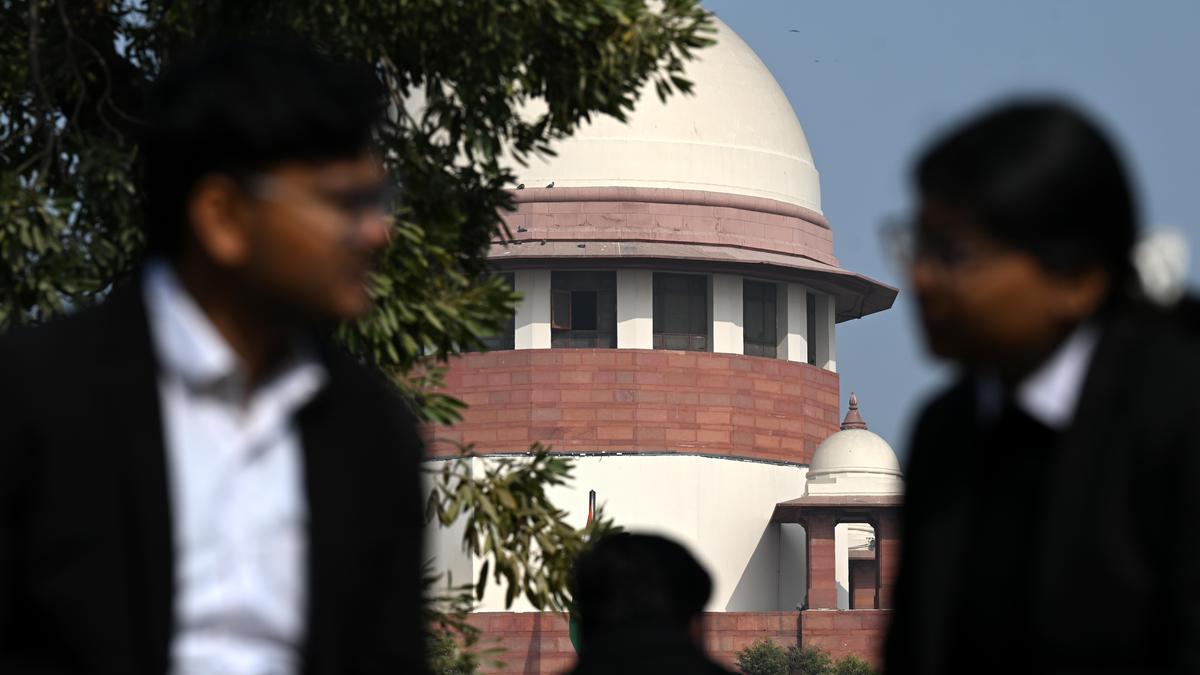
A three-judge Supreme Court Bench headed by Chief Justice Surya Kant observed that probe agencies move slowly against powerful individuals while acting swiftly against common citizens.
The remarks were made during the hearing of a petition filed by Sumit Roy, personal assistant to MP Abhishek Banerjee, regarding the Salboni land-grabbing case.
The apex court had previously stayed Roy's arrest while directing him to cooperate fully with ongoing interrogations conducted by the Directorate of Enforcement.
The Bench questioned the nature of questioning by the agency, emphasizing that investigative processes must remain unbiased and consistent regardless of political affiliations.
Crucial for UPSC GS-2 Governance, illustrating judicial concerns regarding institutional autonomy, executive overreach, and the fundamental right to equal treatment under Article 14.
Supreme Court declines to restrict planned public march in New Delhi
The Supreme Court refused to pass orders restricting a planned public march in New Delhi scheduled for September 5, leaving law enforcement to competent administrative authorities.
Hearing a plea against the procession organized by CJP, the court reaffirmed that maintaining public order falls squarely within the jurisdiction of police and local administration.
The ruling emphasizes that judicial intervention should not preemptively restrict constitutional rights to peaceful assembly unless clear, imminent public safety risks are established.
The bench observed that law enforcement agencies possess adequate legal powers to manage assemblies and ensure public peace without needing specific judicial directions.
Relevant for UPSC GS-2 Polity, reinforcing the constitutional demarcation between judicial oversight and executive responsibility in safeguarding fundamental rights under Article 19.
The Supreme Court declined to entertain a Public Interest Litigation seeking mandatory display of ethanol blending percentages at commercial petrol pump dispensers across India.
The bench indicated that fuel policy specifications and consumer disclosure standards fall within technical regulatory domain managed by the executive and oil marketing corporations.
India's Ethanol Blending Programme aims to increase biofuel composition in motor spirit, requiring complex technical calibration and supply chain management by public refiners.
By dismissing the petition, the court highlighted limits of PIL jurisdiction when dealing with regulatory details already governed by executive guidelines and petroleum standards.
Useful for UPSC GS-2 Governance and GS-3 Environment, highlighting regulatory mechanisms governing biofuel policy implementation and judicial deference in technical executive decisions.
Prelims Facts
The Supreme Court observed that investigative agencies show contrasting speeds when dealing with high-profile individuals versus ordinary citizens.
Article 19(1)(b) of the Constitution guarantees the right to assemble peaceably and without arms, subject to reasonable restrictions under Article 19(3).
The Supreme Court declined a petition seeking mandatory display of ethanol blending percentages at petrol pumps, exercising judicial restraint on policy choices.
Mains Framework
Recent Supreme Court rulings underscore the delicate balance between executive investigative powers, maintenance of public order, and judicial restraint in policy matters.
Dimensions
Dimension 1
Institutional Neutrality of Agencies — Ensuring independent and non-discriminatory investigation processes across political and socio-economic strata.
Dimension 2
Preservation of Democratic Rights — Protecting the freedom of peaceful assembly while placing administrative responsibility on state executive authorities.
Dimension 3
Limits of Judicial Intervention — Refusing to entertain PILs on complex techno-economic matters best handled by executive regulatory bodies.
Way forward
Establishing independent oversight mechanisms for federal agencies, defining clear guidelines for protest permissions, and maintaining judicial deference to expert administrative regulations.
Key terms
Judicial ReviewEnforcement Directorate (ED)Article 19(1)(b)Public Interest Litigation (PIL)Equality Before Law
Acts & articles
Article 14 of the Constitution of IndiaArticle 19(1)(b) of the Constitution of IndiaArticle 21 of the Constitution of IndiaPrevention of Money Laundering Act (PMLA), 2002
03
GS PAPER 3: INFRASTRUCTURE & INDUSTRIAL GROWTH
Industrial Infrastructure and Semiconductor Ecosystem in Tamil Nadu
Tamil Nadu announces ₹175-crore semiconductor manufacturing park in Kancheepuram
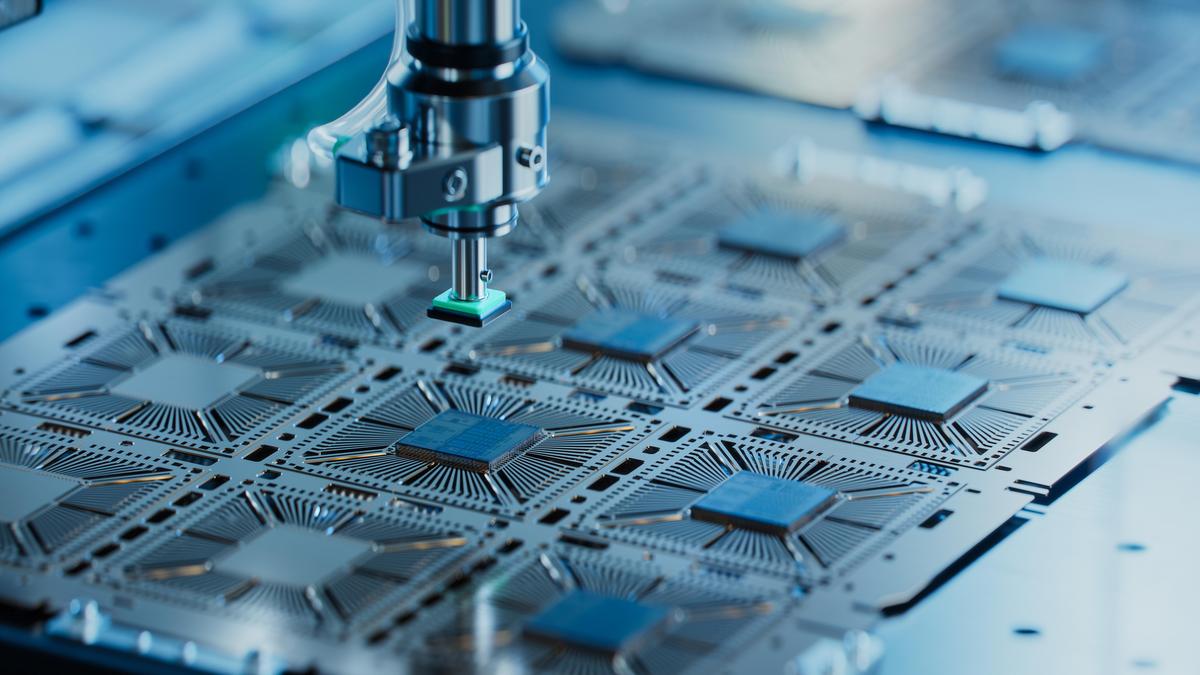
Tamil Nadu Chief Minister C. Joseph Vijay announced a Semiconductor and Electronics Manufacturing Park at Maduramangalam in Kancheepuram district costing ₹175 crore.
Developed by SIPCOT, the park features a global-standard research and development facility designed to support new semiconductor manufacturing and assembly units.
The state projects that the microelectronics infrastructure hub will attract external private investments worth ₹2,000 crore while generating 5,000 direct and indirect jobs.
The announcement made via a suo motu statement in the State Assembly aims to strengthen Tamil Nadu's position within India's national semiconductor manufacturing mission.
Highly relevant for UPSC GS-3 Economy and Technology, demonstrating state-level policy interventions to capture high-value electronics supply chains and boost industrial R&D.
Tamil Nadu plans ₹20,800-crore supercritical power plant and ₹33,066-crore transmission scheme
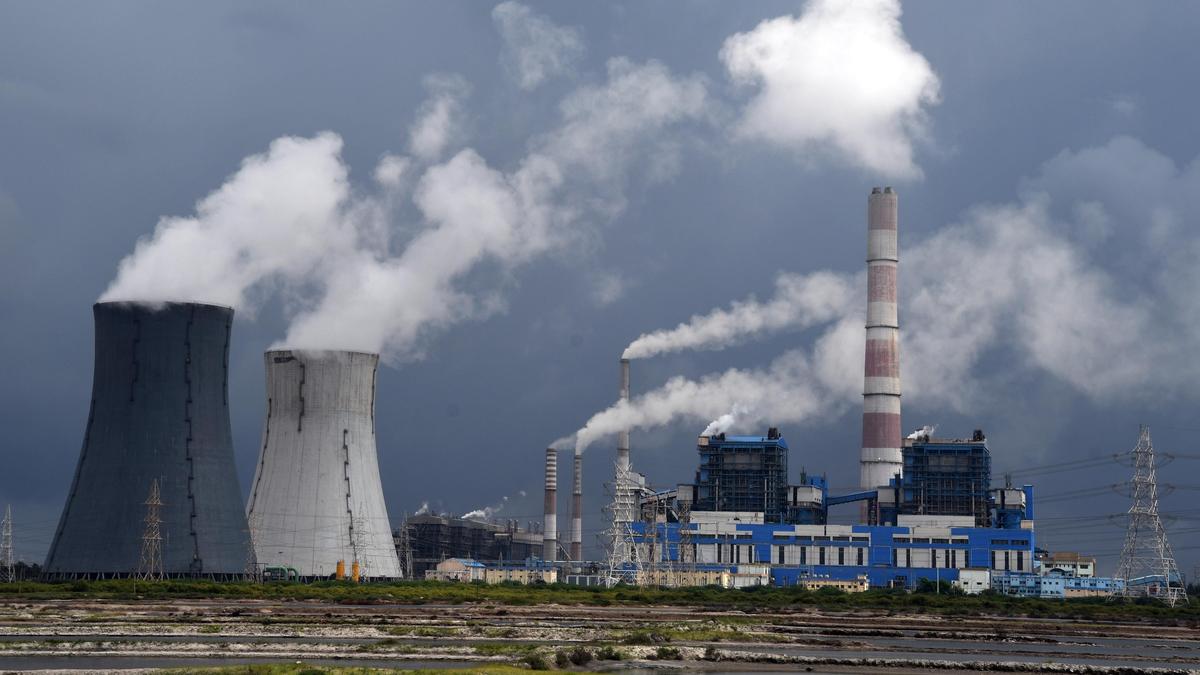
Tamil Nadu Chief Minister C. Joseph Vijay announced a ₹20,800-crore supercritical thermal power station in Thoothukudi alongside a ₹33,066-crore Transmission Improvement Scheme.
The State Assembly statement included a ₹1,762-crore allocation for upgrading Chennai's urban power distribution network to prevent outages during peak demand periods.
The Transmission Improvement Scheme mandates construction of 196 new substations and 15,000 kilometres of transmission lines to connect major consumption centers across the state.
While Tamil Nadu leads in wind and solar power, supercritical thermal units are required to provide reliable baseline supply against renewable energy generation fluctuations.
Essential for UPSC GS-3 Infrastructure, illustrating state efforts to balance baseline thermal generation technology with grid strengthening for energy transition management.
Prelims Facts
Tamil Nadu announced a ₹175-crore Semiconductor and Electronics Manufacturing Park at Maduramangalam in Kancheepuram district through SIPCOT.
A new ₹20,800-crore supercritical thermal power station is planned for Thoothukudi to secure baseline industrial power supply.
Supercritical power plants operate at higher temperatures and pressures, achieving higher thermodynamic efficiency and lower carbon emissions per unit of electricity generated.
Mains Framework
Tamil Nadu's industrial expansion initiative integrates advanced manufacturing infrastructure with multi-billion rupee energy generation and transmission grid upgrades.
Dimensions
Dimension 1
High-Tech Manufacturing Push — Establishing SIPCOT semiconductor parks with R&D hubs to attract global microelectronics investments.
Dimension 2
Energy Security & Grid Stability — Balancing renewable energy variability through base-load supercritical power generation and transmission network expansion.
Dimension 3
Regional Job Creation — Generating direct and indirect employment while building local technical talent pools.
Way forward
Accelerating land acquisition, streamlining single-window clearances, and integrating renewable energy with state-of-the-art power distribution networks.
Key terms
India Semiconductor MissionSupercritical Thermal PowerSIPCOTTransmission Improvement SchemeGlobal Value Chains
Acts & articles
Electricity Act, 2003National Semiconductor Mission PolicyArticle 246 (List II State Subjects) of the Constitution of India
04
GS PAPER 2: INTERNATIONAL RELATIONS / GS PAPER 3: ENERGY SECURITY
Geopolitical Escalation in West Asia and Energy Supply Vulnerabilities
US strikes Iranian rocket launchers on Larak Island, triggering West Asia oil price surge
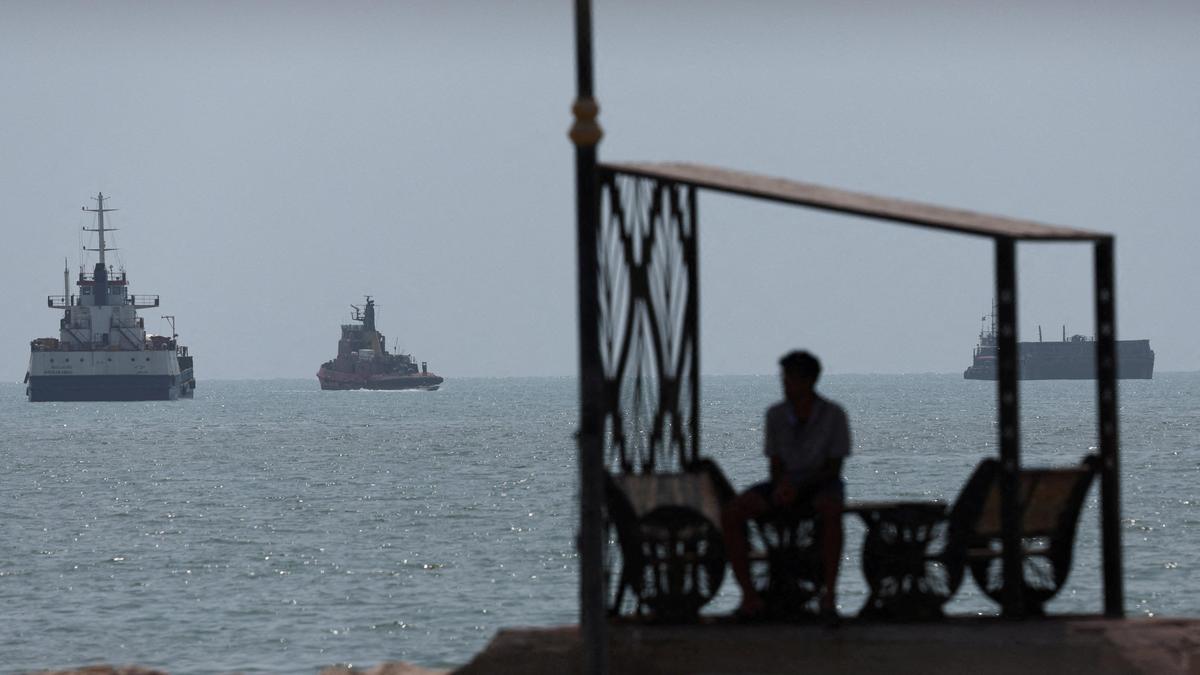
Global crude oil prices rose over $1 per barrel following US military strikes on Iranian rocket launchers located on Larak Island in the Strait of Hormuz.
Iran's Revolutionary Guard Corps confirmed casualties on Larak Island and retaliated by launching targeted attacks against US military installations positioned in Jordan.
The strikes mark the first direct US attack on Iranian territory in a month, extending the West Asian conflict into its sixth consecutive month.
Military activity near the Strait of Hormuz threatens vital sea lanes through which a significant portion of the world's seaborne petroleum exports transit daily.
Highly relevant for UPSC GS-2 International Relations and GS-3 Energy Security, illustrating the geopolitical fragility of strategic maritime chokepoints and oil price shocks.
US military leaders warned Defense Secretary over operational strain from prolonged Iran campaign
Senior US military commanders warned Defense Secretary Pete Hegseth that sustained large-scale operations against Iran were weakening troop readiness and overall force capacity.
The joint military assessment detailed in the Secretary of Defense Orders Book highlighted resource strain across Army, Navy, Air Force, and theater combatant commands.
Four-star commanders expressed concerns that continuous deployments in the Middle East degrade the military's capability to respond to emerging crises in Asia and Europe.
The internal report documented that operating at peak intensity for six months creates severe logistical bottlenecks and accelerates hardware wear-and-tear across strategic assets.
Relevant for UPSC GS-2 International Security, underscoring how prolonged foreign military entanglements strain strategic reserves and force posture recalibrations.
Iran dismisses reports of attack on key Kharg Island energy export hub
Iranian state authorities dismissed official claims regarding alleged military strikes targeting the nation's primary oil export terminal situated on Kharg Island.
Kharg Island serves as the principal maritime terminal for Iranian crude oil loading, handling the majority of the nation's seaborne petroleum export trade.
Tehran labeled statements claiming damage to the energy hub as misinformation, attempting to calm international energy markets and regional security anxieties.
The denial comes amidst heightened security alerts across Gulf oil infrastructure following exchange of missile and drone strikes between US forces and Iranian units.
Crucial for UPSC GS-2 International Relations, highlighting the strategic sensitivity of key oil processing infrastructure in maintaining global hydrocarbon supply stability.
Prelims Facts
The Strait of Hormuz is a vital maritime chokepoint connecting the Persian Gulf with the Gulf of Oman and the Arabian Sea.
Larak Island is a strategic Iranian island located in the narrowest part of the Strait of Hormuz.
Prolonged military operations strain operational readiness, force logistics, and equipment maintenance reserves of deploying nations.
Mains Framework
US strikes on Iranian installations in the Strait of Hormuz and subsequent retaliatory strikes have triggered crude oil spikes, exposing vulnerabilities in maritime chokepoints.
Dimensions
Dimension 1
Global Energy Security — Disruption of oil transit through the Strait of Hormuz escalates import bills and inflation risk for import-dependent economies like India.
Dimension 2
Strategic Military Overstretch — Internal military assessments warn that prolonged engagements weaken broader operational readiness and global posture.
Dimension 3
Regional Instability — Expanding conflict zones into Jordan and Gulf waters threaten trade corridors and diaspora security.
Way forward
Diversifying crude sourcing, expanding Strategic Petroleum Reserves (SPR), and promoting diplomatic dialogue to ensure unhindered freedom of navigation.
Key terms
Strait of HormuzChokepointsEnergy SecurityCrude Oil VolatilityStrategic Autonomy
Acts & articles
UNCLOS 1982 (Transit Passage Rights)Article 51 of the UN Charter (Self-Defense principles)
05
GS PAPER 3: AGRICULTURE & WATER RESOURCE MANAGEMENT
Water Resource Management and Regional Irrigation Projects in South India
Andhra Pradesh inaugurates first phase of Veligonda irrigation project after 30 years
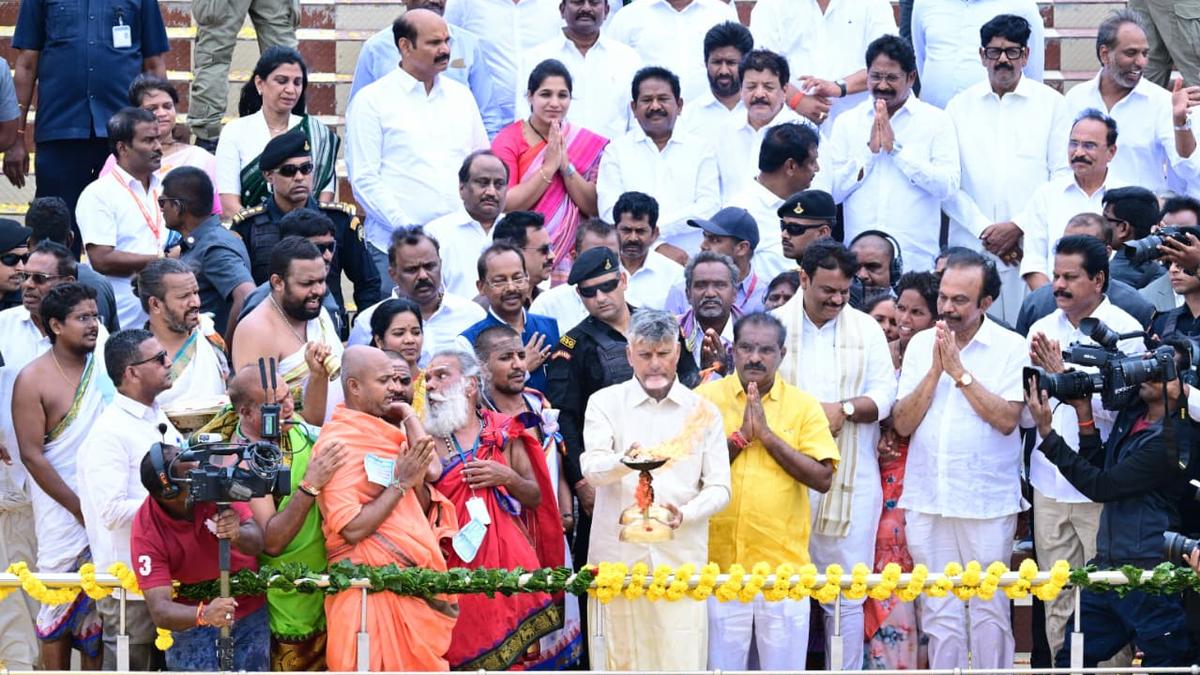
Andhra Pradesh Chief Minister N. Chandrababu Naidu inaugurated the first phase of the Poola Subbaiah Veligonda irrigation project, releasing Krishna waters into Nallamala Sagar.
The project draws 10.70 tmc ft of water from the Srisailam reservoir to irrigate 1.19 lakh acres and supply drinking water to 4 lakh people.
First conceptualized with its foundation laid on March 5, 1996, the irrigation complex fulfills a thirty-year ambition for drought-prone Markapuram, Prakasam, Nellore, and Kadapa.
The diversion structure utilizes twin tunnels driven through the Nallamala forest range to convey flood waters into a natural storage basin created by earthen dams.
Highly relevant for UPSC GS-3 Agriculture and Irrigation, demonstrating how mega surface water diversion schemes mitigate persistent agrarian distress in rain-shadow regions.
Delayed monsoon delays water release from Tamil Nadu’s historic Mettur Dam
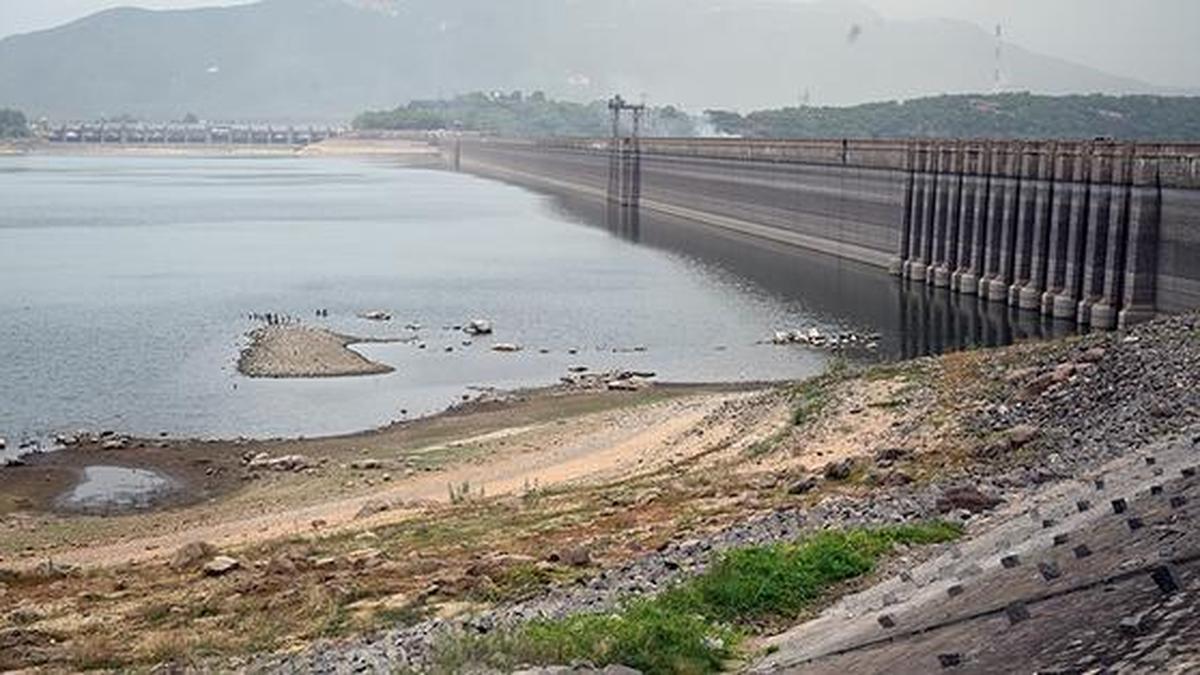
Water release from the historic Mettur Dam in Salem district was delayed beyond its traditional June 12 opening date due to weak monsoonal rainfall in Cauvery catchments.
Chief Minister C. Joseph Vijay scheduled the water opening for September 1, 2026, with current reservoir storage standing near the critical 90-foot depth threshold.
Constructed across the Cauvery River between 1925 and 1934, Mettur Dam acts as the economic lifeline for short-term and long-term rice crops in delta districts.
Engineers plan to release water for 45 consecutive days to sustain late-sown paddy nurseries across Thanjavur, Tiruvarur, and Nagapattinam agricultural regions.
Crucial for UPSC GS-3 Water Management, highlighting climate vulnerability of monsoon-dependent reservoir systems and their direct impact on seasonal crop cycles.
Prelims Facts
Phase 1 of the Poola Subbaiah Veligonda Irrigation Project transfers Krishna water from the Srisailam reservoir into Nallamala Sagar.
The Veligonda project aims to irrigate 1.19 lakh acres and supply drinking water to 4 lakh residents across Prakasam, Nellore, and Kadapa districts.
Mettur Dam, constructed across the Cauvery River between 1925 and 1934 in Salem district, serves as the primary irrigation source for the Cauvery delta.
Mains Framework
The commissioning of long-pending irrigation projects and delayed reservoir releases emphasize the critical role of river water management in countering climate variability.
Greater Chennai Corporation targets desilting over 70% of stormwater drains before October
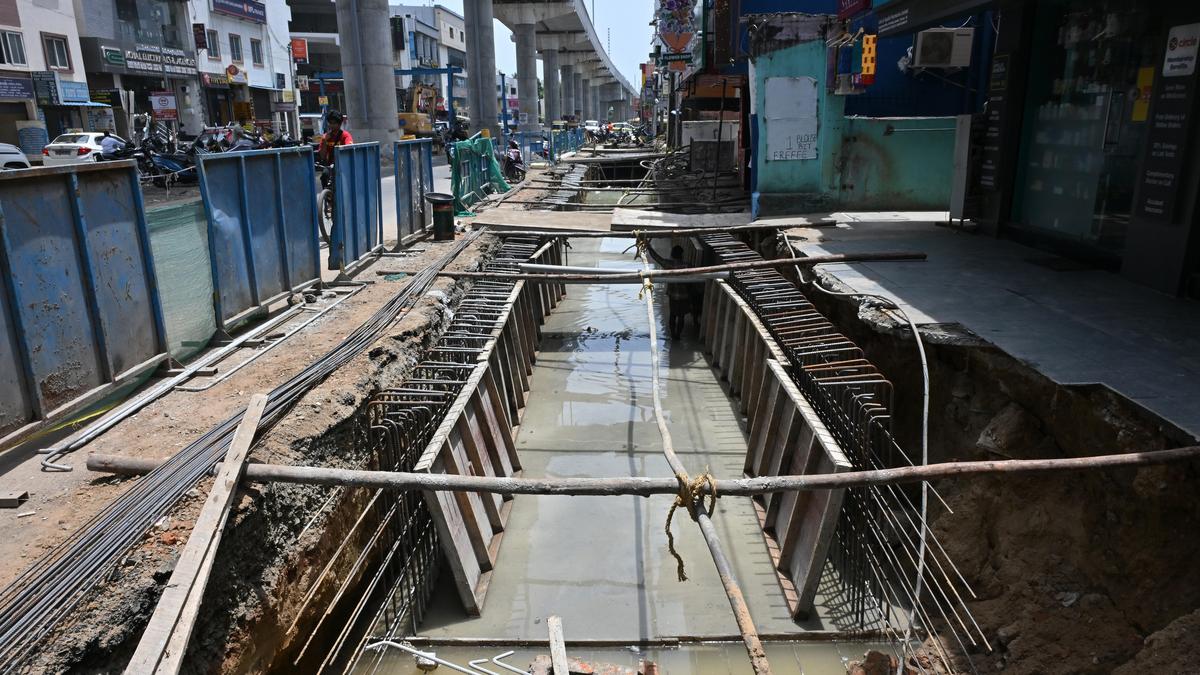
The Greater Chennai Corporation completed desilting 493.83 km out of its 1,671.6-km stormwater drain network as of August 28, targeting over 70% completion by September.
Desilting operations span 8,252 urban roads divided into 101 execution packages, covering 43,614 machine holes and over 1,10,000 silt catch-pits across 15 administrative zones.
Zone-wise progress varied significantly, with Tiruvottiyur achieving 57.43% completed physical drainage clearance while Thiru Vi Ka Nagar recorded the lowest progress at 17.01%.
Municipal contractors are deploying mechanical excavators and manual crews across low-lying zones to prevent severe waterlogging ahead of the incoming northeast monsoon season.
Relevant for UPSC GS-3 Disaster Management, highlighting urban civic readiness, seasonal drain maintenance, and structural flood risk reduction strategies in vulnerable coastal cities.
Drone camera captures glacier collapse preceding destructive Nepal flash floods
High-definition drone footage captured the structural collapse of a glacial mass moments before downstream river channels experienced sudden, destructive flash floods in Nepal.
The aerial video provides crucial empirical evidence showing how rapid thermal degradation triggers glacial fracturing, releasing millions of cubic meters of impounded meltwater.
Local emergency responders used early visual warnings from drone monitoring operators to alert downstream riverbank settlements, aiding evacuation efforts prior to flood surge arrival.
Himalayan watersheds are experiencing accelerated ice loss due to rising average temperatures, increasing the frequency of Glacial Lake Outburst Floods across regional river basins.
Important for UPSC GS-3 Environment and Disaster Management, demonstrating the role of unmanned aerial systems in real-time disaster monitoring and mountain ecosystem hazard assessment.
Prelims Facts
Greater Chennai Corporation (GCC) is desilting a 1,671.6-km stormwater drain network in preparation for northeast monsoon rains.
Drone footage captured initial glacial collapse events in Nepal prior to downstream flash flooding in Himalayan catchments.
Recent events in coastal cities and mountain catchments demonstrate the urgent need for structural drainage maintenance and real-time remote monitoring for disaster resilience.
Dimensions
Dimension 1
Municipal Pre-Monsoon Readiness — Contractual desilting of stormwater drains and machine holes to ensure peak discharge capacity in coastal metropolises.
Dimension 2
Himalayan Glacial Monitoring — Utilizing aerial drone technology and remote sensing to detect glacial mass failures before catastrophic flash floods.
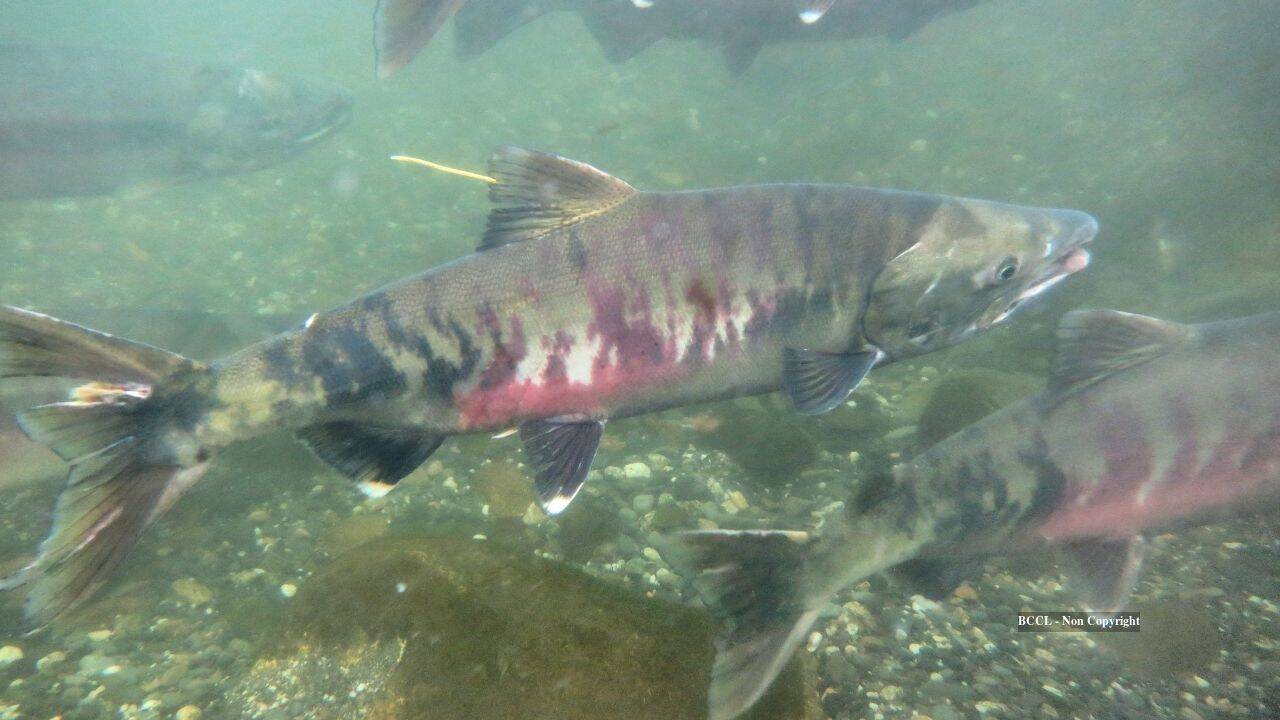
Washington watershed sees chum salmon numbers rebound after $9.7M river restoration
A $9.7 million multi-agency river restoration project on the Big Quilcene River restored summer-run chum salmon returns from under 1,000 in 1990 to 32,600 annually.
Decades of unmitigated logging and road construction had choked river channels with sediment, burying gravel spawning beds essential for threatened migratory salmon reproduction.
Engineers cleared accumulated silt, re-connected historical side channels, and stabilized stream banks along the Olympic Peninsula watershed draining into Hood Canal.
NOAA Fisheries cited the initiative as a successful benchmark demonstrating how targeted hydromorphological restoration can rescue threatened fish populations from local extinction.
Relevant for UPSC GS-3 Conservation, illustrating how scientific river basin management and habitat restoration restore degraded aquatic ecosystems and threatened species.
Alaska uses plant-derived piscicide rotenone to eradicate invasive pike and restore native char
Alaska Department of Fish and Game biologists treated an entire lake with rotenone, successfully eradicating invasive northern pike before restocking 6,836 native Arctic char.
Northern pike, illegally introduced into Southcentral Alaska lakes, decimated native salmon and char populations due to their unchecked predatory habits.
Post-treatment biological surveys confirmed complete removal of the invasive pike, allowing hatchery-reared Arctic char fingerlings to establish a thriving, sustainable native fishery.
Rotenone is a naturally occurring plant derivative that breaks down rapidly in water, making it an effective bio-degradable tool for targeted aquatic invasive species management.
Useful for UPSC GS-3 Environment, highlighting chemical intervention protocols for invasive alien species management and native biodiversity reintroduction strategies.
Researchers investigate decade-long accumulative stone-throwing behavior in wild chimpanzees
Field scientists in Guinea-Bissau's Boé region documented wild western chimpanzees repeatedly collecting and throwing rocks at specific trees for over ten years.
The behavior, termed accumulative stone throwing, results in noticeable stone piles at tree bases and distinct scarring along the targeted tree trunks.
Researchers observed that adult males predominantly perform this action, combining rock throws with vocal pant-hoots and rhythmic drumming against hollow tree roots.
Hypotheses suggest these localized sites serve as landmark communication hubs, territorial boundary markers, or complex ritualized social display mechanisms among primate troops.
Relevant for UPSC GS-3 Environment and Science, offering insights into primate ethology, non-human tool creation, and evolutionary origins of symbolic communication.
Prelims Facts
Rotenone is a naturally derived plant chemical used as a selective piscicide to eradicate invasive fish species from freshwater bodies.
Summer-run chum salmon in the Puget Sound/Georgia Basin are protected under the US Endangered Species Act.
Wild chimpanzees in Guinea-Bissau perform 'accumulative stone throwing,' repeatedly hurling rocks at specific trees over decades.
Mains Framework
Ecosystem management combines habitat rehabilitation and invasive species eradication to recover imperiled native biodiversity, alongside advancing observational ecology.
Dimensions
Dimension 1
Watershed Rehabilitation — Removing river barriers and sediment deposits restores natural gravel spawning beds for endangered migratory fish.
Dimension 2
Targeted Chemical Biocontrol — Using biodegradable piscicides like rotenone eliminates invasive predators without causing long-term bioaccumulation.
Dimension 3
Evolutionary Behavioral Ecology — Studying localized cultural traditions in primates expands scientific understanding of tool use and spatial memory.
Way forward
Expanding community-led habitat restoration projects, establishing strict biosecurity protocols against invasive species introductions, and protecting wildlife corridors.
Key terms
Endangered Species ActInvasive SpeciesRotenonePiscicideHabitat Restoration
NCLAT to hear appeal against NCLT order reducing promoter liability from ₹22,000 crore to ₹6.25 crore
The National Company Law Appellate Tribunal scheduled an urgent hearing for an appeal challenging an NCLT order that sharply reduced promoter Subhash Chandra's financial liability.
The NCLT ruling reduced the personal guarantee liability from ₹22,000 crore to ₹6.25 crore, prompting creditors to file an immediate appellate challenge.
Financial institutions contend that such drastic write-downs undermine the personal guarantee framework established under the Insolvency and Bankruptcy Code.
The outcome will set an important judicial precedent regarding the extent to which bankruptcy tribunals can modify personal guarantee obligations during insolvency resolution.
Crucial for UPSC GS-3 Economy, illustrating judicial interpretation of the Insolvency and Bankruptcy Code, creditor rights, and promoter personal guarantee liabilities.
HDFC Bank shares rise following surprise Chief Executive Officer exit announcement
Shares of HDFC Bank, India's largest private sector lender, registered gains on stock exchanges following the unexpected announcement of its Chief Executive Officer's upcoming departure.
Market analysts attributed the positive equity reaction to robust underlying asset quality, strong capital adequacy ratios, and clear institutional succession plans.
The Reserve Bank of India requires Systemically Important Banks to maintain structured executive transition protocols to ensure market stability during leadership changes.
Financial commentators noted that institutional investor confidence remained resilient due to transparent corporate disclosures and steady quarterly earnings performance.
Relevant for UPSC GS-3 Economy, demonstrating how corporate governance standards and regulatory transition guidelines safeguard systemic bank stability during executive shifts.
Prelims Facts
NCLAT is the statutory appellate authority hearing appeals against orders passed by National Company Law Tribunal (NCLT) under IBC.
Subhash Chandra's personal liability order was dramatically reduced from ₹22,000 crore to ₹6.25 crore by NCLT before being challenged in NCLAT.
Banking equity movements post-CEO announcements reflect investor confidence in institutional governance and succession planning.
Mains Framework
Recent legal challenges in debt resolution tribunals and executive transitions in major private banks highlight the importance of corporate governance and financial regulation.
Dimensions
Dimension 1
Judicial Oversight of Debt Haircuts — NCLAT appellate scrutiny of massive liability reductions prevents moral hazard in corporate debt resolution.
Setting benchmark parameters for personal guarantee haircuts under IBC and strengthening corporate board oversight during executive departures.
Key terms
National Company Law Appellate Tribunal (NCLAT)Insolvency and Bankruptcy Code (IBC)Corporate LiabilitySystemically Important BanksCapital Adequacy Ratio
Acts & articles
Insolvency and Bankruptcy Code, 2016Companies Act, 2013Reserve Bank of India Act, 1934
09
GS PAPER 2: INTERNATIONAL RELATIONS & GLOBAL GOVERNANCE
Multilateral Security Dynamics and Global Geopolitical Shift
Russian and Chinese leaders to convene bilateral talks at Shanghai Cooperation Organisation summit
Leaders of Russia and China confirmed bilateral talks scheduled on the sidelines of the upcoming Shanghai Cooperation Organisation summit to discuss regional economic integration.
The high-level meeting focuses on expanding Eurasian trade corridors, cross-border energy settlements in national currencies, and regional counter-terrorism cooperation initiatives.
The SCO platform has expanded its strategic footprint, serving as a prominent multilateral forum for non-Western powers to coordinate geopolitical and economic policy.
Discussions are expected to address regional security stability in Central Asia and joint economic counter-measures against unilateral trade restrictions and sanctions.
Crucial for UPSC GS-2 International Relations, illustrating Eurasian strategic consolidation, the operational role of the SCO, and shifting balances in global multipolarity.
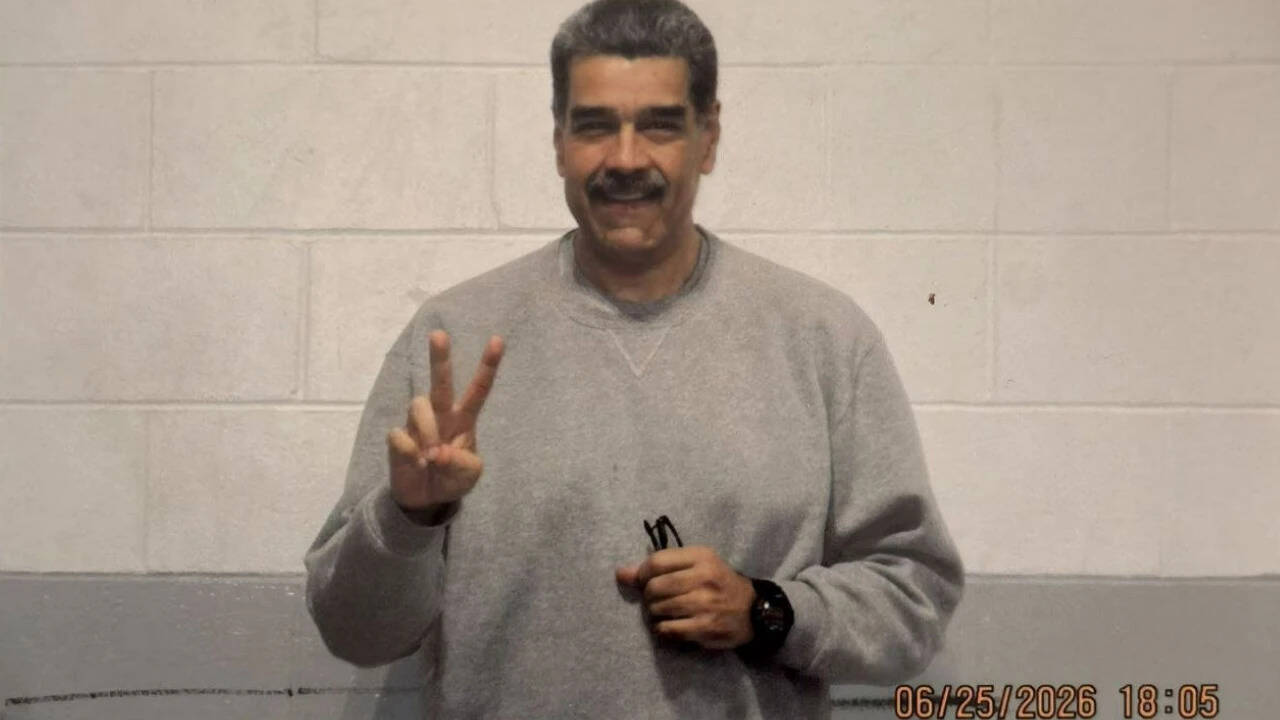
Nicolás Maduro releases first photographs from US federal custody in Brooklyn
Former Venezuelan President Nicolás Maduro released photographs from the Metropolitan Detention Center in Brooklyn nearly eight months after his capture in Caracas by US forces.
The social media photos show the 63-year-old in prison attire, accompanied by a message asserting confidence that Venezuela would rebuild despite his ongoing detention.
US authorities detained Maduro during a covert operation in Caracas, leading to federal criminal indictments and protracted legal battles over sovereign immunity.
The unprecedented capture of a sitting head of state created sharp diplomatic divisions globally regarding extraterritorial law enforcement and national sovereignty principles.
Relevant for UPSC GS-2 International Relations, highlighting diplomatic disputes over extraterritorial jurisdiction, head-of-state immunity, and international law enforcement limits.
Prelims Facts
The Shanghai Cooperation Organisation (SCO) is a Eurasian political, economic, and security alliance comprising major regional powers including China and Russia.
Former Venezuelan President Nicolás Maduro was detained and placed in a US federal detention facility in Brooklyn following a military raid.
The SCO summit serves as a key platform for bilateral engagements between Eurasian heads of state outside Western diplomatic frameworks.
Mains Framework
Eurasian diplomatic convergences at the SCO summit alongside controversial extraterritorial detentions highlight evolving dynamics in global multipolarity and international law.
Dimensions
Dimension 1
Strategic Eurasian Alignment — SCO summits provide non-Western platforms for economic cooperation, energy partnerships, and regional security coordination.
Dimension 2
Extraterritorial Jurisdiction Debates — The capture and imprisonment of foreign political figures raises questions under international law and national sovereignty principles.
Dimension 3
Geopolitical Balance — Developing nations balance ties between Western sanctions regimes and emerging Eurasian blocs.
Way forward
Strengthening international legal consensus on extradition protocols while utilizing SCO mechanisms to promote regional trade and security stability.
SCO Charter, 2002UN Charter Article 2(4) (Principle of Non-Intervention)Vienna Convention on Diplomatic Relations
Practice MCQs — Test Your Understanding
6 questions · UPSC Prelims pattern · Tap an option to check your answer
GS PAPER 3 - INFRASTRUCTURE & TECHNOLOGYLegal Metrology Rules 2026 and 'One Nation, One Time' Standardisation
Centre notifies Legal Metrology Rules 2026 to mandate Indian Standard Time
Q1With reference to the Legal Metrology (Indian Standard Time) Rules, 2026, consider the following statements:
1. The rules make Indian Standard Time (IST) the mandatory single reference for legal, administrative, and official digital purposes across India.
2. Entities and government departments are given a transition period of 180 days from the publication date to adjust their systems.
Which of the statements given above is/are correct?
Answer: Option C
Both statements are correct. The Central Government notified the Legal Metrology (Indian Standard Time) Rules, 2026, making IST mandatory across legal, administrative, and commercial operations. The rules provide a 180-day transition period from the date of publication to enable institutions to update their timing and IT systems.
GS PAPER 3 - SCIENCE & TECHNOLOGY / INFRASTRUCTUREIndustrial Infrastructure and Semiconductor Ecosystem in Tamil Nadu
Tamil Nadu plans ₹20,800-crore supercritical power plant and ₹33,066-crore transmission scheme
Q2Consider the following statements regarding supercritical thermal power generation:
1. Supercritical thermal power plants operate at pressures above the critical point of water, eliminating the distinct phase change between liquid water and steam.
2. Supercritical units achieve higher overall thermodynamic efficiency and produce lower carbon emissions per kilowatt-hour compared to subcritical units.
Which of the statements given above is/are correct?
Answer: Option C
Both statements are correct. Supercritical thermal power technology operates above water's thermodynamic critical pressure, converting water directly into steam without boiling, which results in higher efficiency and reduced carbon dioxide emissions per unit of power produced compared to conventional subcritical thermal plants.
GS PAPER 2 - INTERNATIONAL RELATIONSGeopolitical Escalation in West Asia and Energy Supply Vulnerabilities
US strikes Iranian rocket launchers on Larak Island, triggering West Asia oil price surge
Q3Larak Island, recently in the news due to military tensions, is strategically located in which of the following water bodies?
Answer: Option B
Larak Island is an Iranian island located in the Strait of Hormuz, a vital maritime chokepoint connecting the Persian Gulf to the Gulf of Oman and the Arabian Sea.
GS PAPER 3 - AGRICULTURE & IRRIGATIONWater Resource Management and Regional Irrigation Projects in South India
Andhra Pradesh inaugurates first phase of Veligonda irrigation project after 30 years
Q4The Poola Subbaiah Veligonda Irrigation Project in Andhra Pradesh transfers water from which river reservoir to supply drought-prone regions?
Answer: Option B
The Poola Subbaiah Veligonda project draws water from the Krishna River via the Srisailam reservoir, carrying it through tunnels into the Nallamala Sagar basin to irrigate drought-prone districts in Andhra Pradesh.
GS PAPER 3 - ENVIRONMENT & ECOLOGYEcological Restoration, Invasive Species Control, and Wildlife Behavior
Alaska uses plant-derived piscicide rotenone to eradicate invasive pike and restore native char
Q5Which of the following best describes 'rotenone', recently featured in environmental restoration efforts?
Answer: Option B
Rotenone is a naturally occurring plant-derived chemical compound used by wildlife managers as a piscicide to eradicate invasive fish species (such as northern pike in Alaska) from isolated freshwater bodies before native species reintroduction.
GS PAPER 2 - INTERNATIONAL RELATIONSMultilateral Security Dynamics and Global Geopolitical Shift
Russian and Chinese leaders to convene bilateral talks at Shanghai Cooperation Organisation summit
Q6Regarding the Shanghai Cooperation Organisation (SCO), consider the following statements:
1. It was founded in 2001 as a regional political, economic, and security organization in Eurasia.
2. India and Pakistan became full members of the SCO in 2017.
Which of the statements given above is/are correct?
Answer: Option C
Both statements are correct. SCO was established in June 2001 in Shanghai. India and Pakistan officially joined as full member states at the Astana Summit in 2017.